Security Best in category 5 results Vulnerability Management AI Tool

Popular AI tools in the Vulnerability Management field of Security include Corgea、Patched、furl、EdgeBit、ThreatCluster, etc., helping you quickly improve efficiency.

Free
ThreatCluster

ThreatCluster

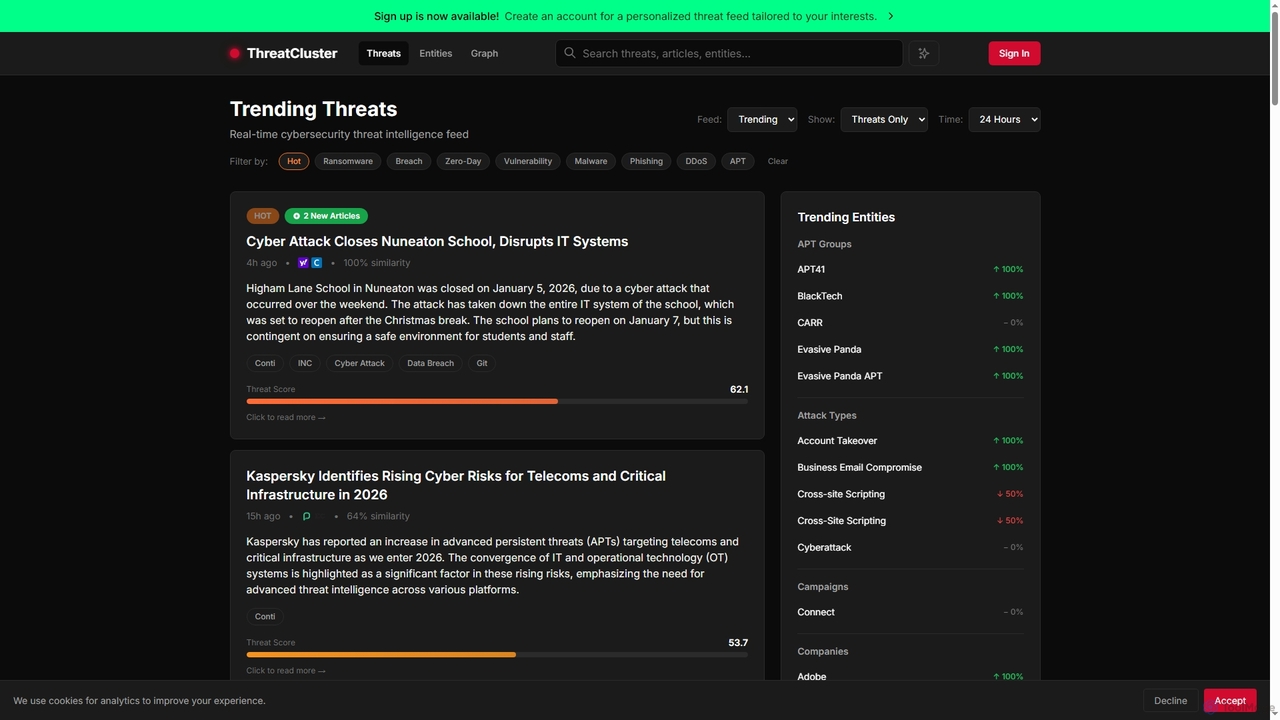
ThreatCluster is a real-time cybersecurity threat intelligence platform that aggregates, clusters, and scores threats from over 1000 sources …

2.4K
furl

furl

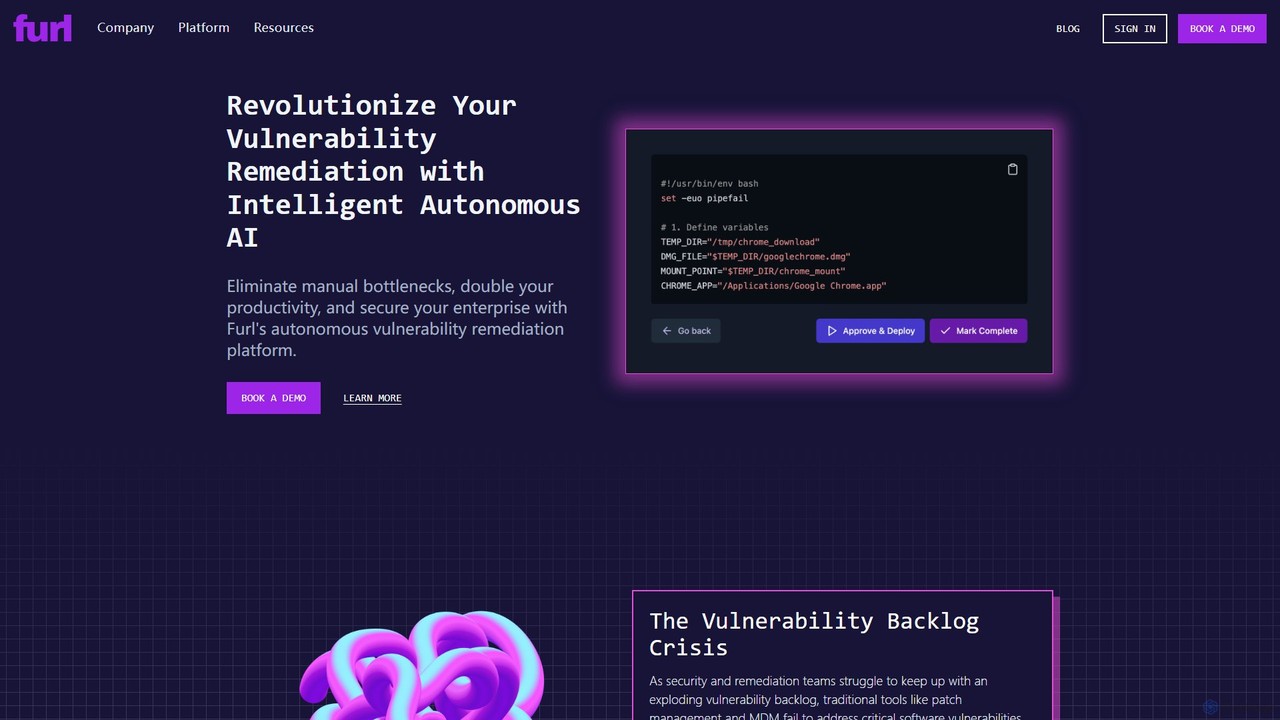
Furl is an AI-powered autonomous remediation platform designed to help security and IT teams tackle the growing backlog …

5.2K
Patched

Patched

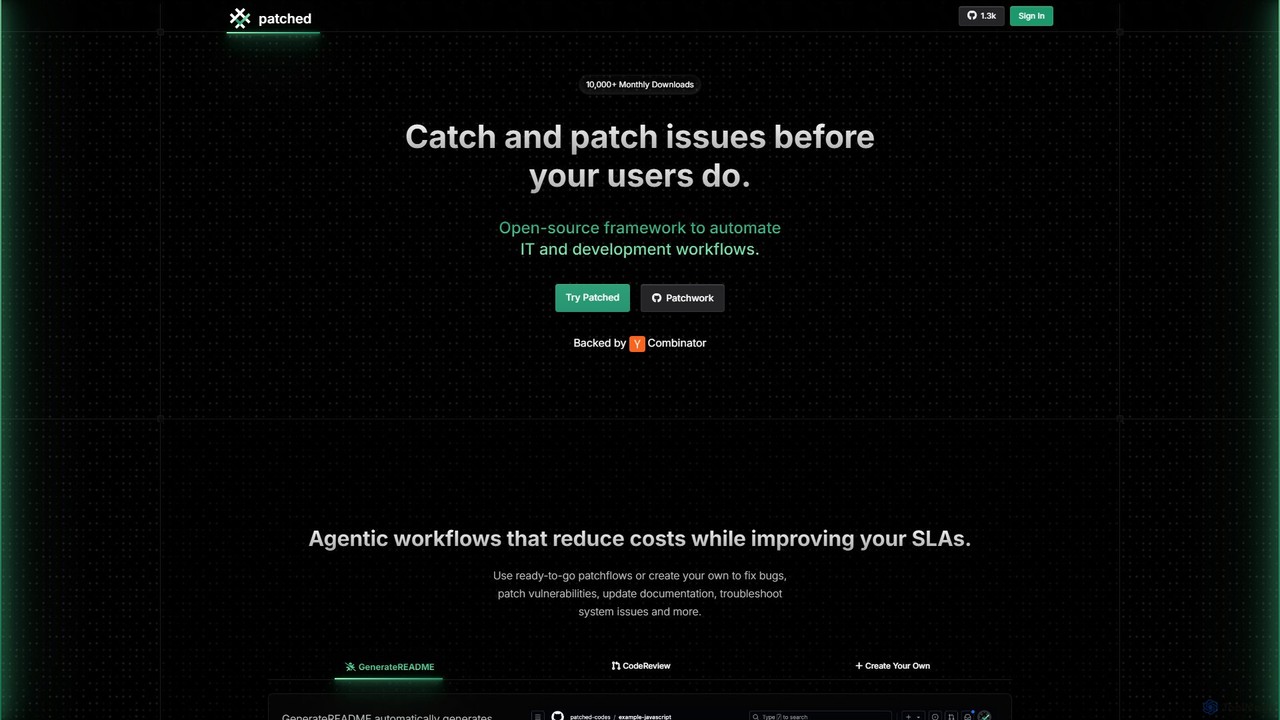
Patched is an open-source framework designed to automate IT and development workflows. It leverages AI to proactively catch …

6.5K
Corgea

Corgea

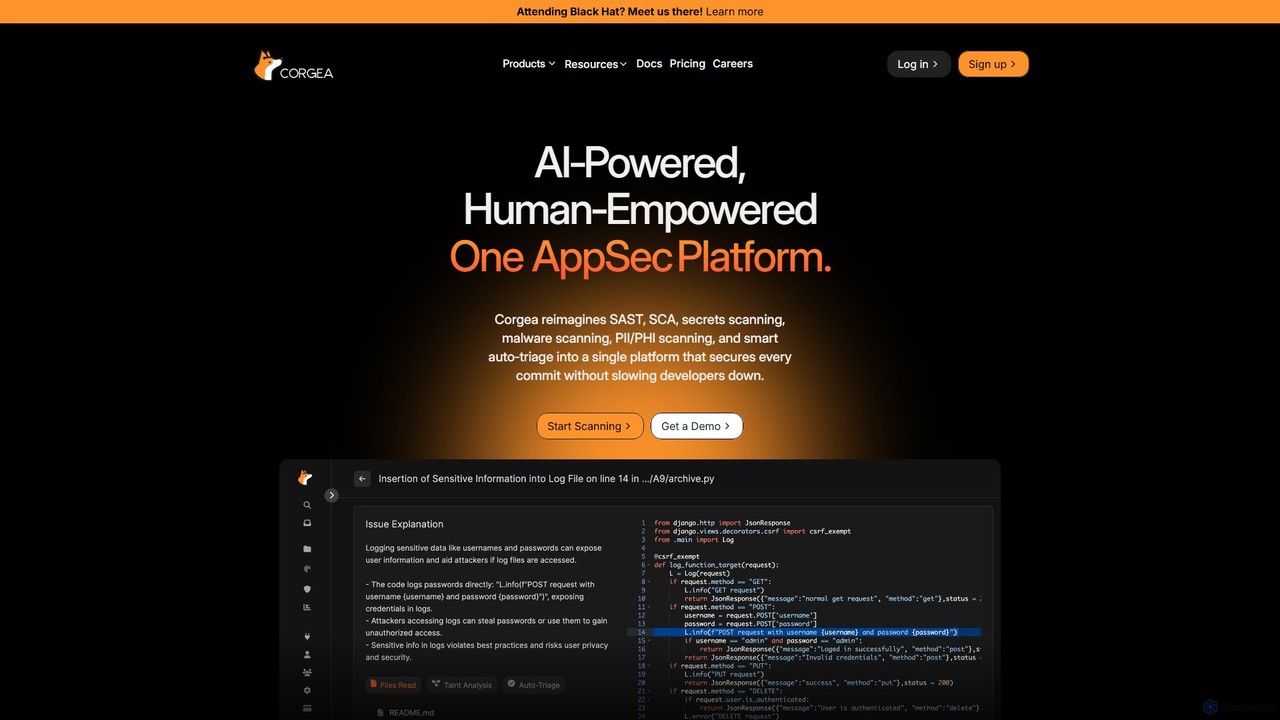
Corgea is an AI-powered application security (AppSec) platform that unifies SAST, SCA, secrets scanning, and more. It intelligently …

12.3K
EdgeBit

EdgeBit

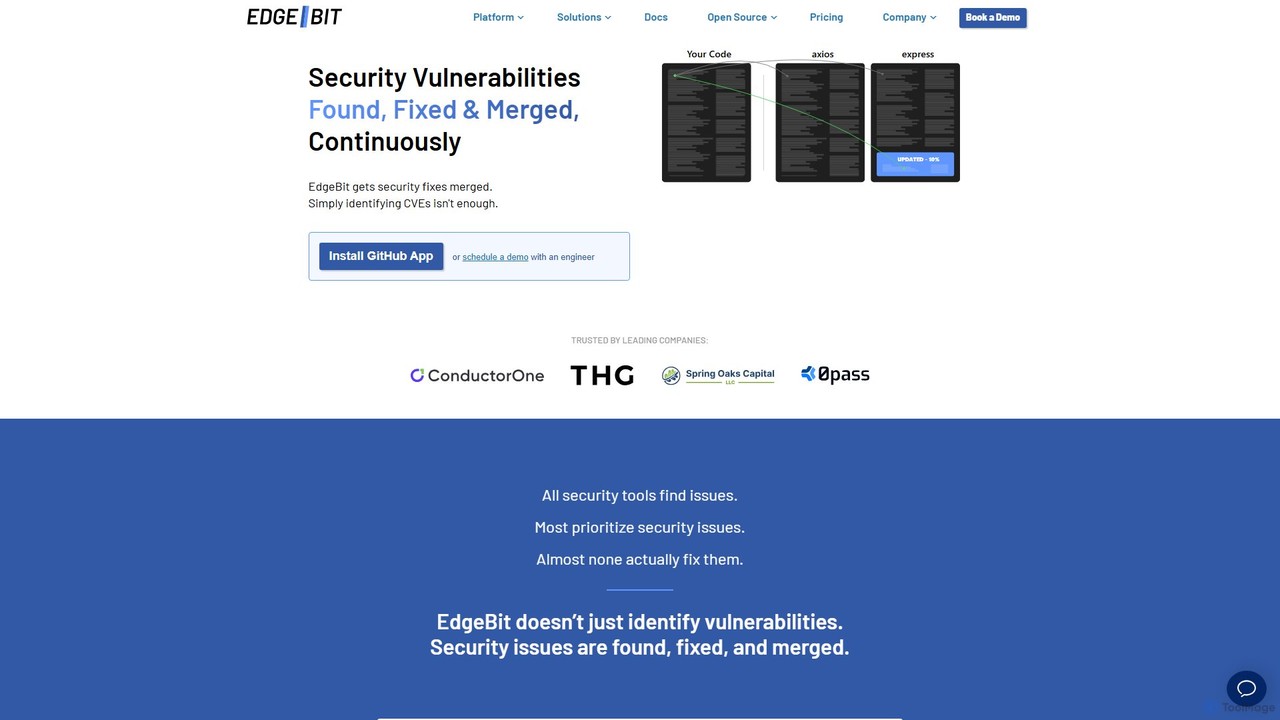
EdgeBit is an AI-powered platform for real-time software supply chain security. It automates Software Composition Analysis (SCA) and …

3.9K

About Vulnerability Management

Vulnerability Management tools are a specialized category of security software designed to systematically identify, assess, prioritize, and remediate security weaknesses across an organization's IT infrastructure. These platforms use automated scanners to continuously discover assets and detect vulnerabilities like outdated software, misconfigurations, and missing patches. Their primary value lies in providing a centralized, risk-based view of an organization's security posture, enabling teams to focus on fixing the most critical flaws first. This proactive approach helps prevent security breaches by closing attack vectors before they can be exploited.

Core Features

  • Automated Asset Discovery: Continuously identifies and inventories all devices, applications, and services on the network, including cloud and on-premise assets.
  • Vulnerability Scanning: Performs authenticated and unauthenticated scans to detect a wide range of security weaknesses based on databases like CVE (Common Vulnerabilities and Exposures).
  • Risk-Based Prioritization: Uses threat intelligence, exploitability data, and asset criticality to score and rank vulnerabilities, helping teams focus on the most urgent threats.
  • Remediation Tracking & Reporting: Creates remediation tickets, tracks their status, and generates detailed reports for security teams, management, and compliance audits.
  • Integration with IT Workflows: Connects with ticketing systems (e.g., Jira, ServiceNow) and patch management tools to streamline the remediation process.

Use Cases

Vulnerability Management tools are essential for IT security teams, system administrators, and DevOps engineers in organizations of all sizes. They are heavily used in regulated industries like finance, healthcare, and e-commerce to meet compliance requirements (e.g., PCI DSS, HIPAA). In a DevSecOps context, these tools are integrated into CI/CD pipelines to scan for vulnerabilities in code and container images before deployment.

How to Choose

When selecting a Vulnerability Management tool, consider the scope of asset coverage—does it support cloud, containers, IoT, and on-premise systems? Evaluate its prioritization capabilities and the quality of its threat intelligence feeds. Assess its integration options with your existing security and IT ecosystem. Finally, consider the reporting features and whether they meet your specific compliance and executive reporting needs.

Vulnerability ManagementUse Cases

1

Proactive Security Posture Management for IT Teams

An IT security team uses a vulnerability management platform to maintain a continuous view of their organization's attack surface. They schedule automated weekly scans across all servers, workstations, and network devices. The tool discovers new devices automatically and identifies vulnerabilities like unpatched software or weak SSL/TLS configurations. The platform's risk-based prioritization engine highlights a critical remote code execution (RCE) vulnerability on several public-facing web servers. This allows the team to immediately focus their remediation efforts on the highest-risk issues, patching the affected servers within hours instead of days, significantly reducing the window of opportunity for attackers.

2

Integrating Security into the CI/CD Pipeline (DevSecOps)

A DevOps team integrates a vulnerability management tool into their Jenkins CI/CD pipeline. Every time a developer commits new code, the pipeline automatically triggers a scan of the application's source code and its dependencies for known vulnerabilities. The tool is configured to fail the build if any high or critical severity vulnerabilities are found in a new container image. This 'shift-left' approach ensures that security issues are identified and fixed early in the development lifecycle, preventing vulnerable code from ever reaching production. This reduces the cost of remediation and improves the overall security of the final product.

3

Streamlining Compliance and Audit Reporting

A compliance officer at a healthcare organization uses a vulnerability management tool to prepare for an upcoming HIPAA audit. They generate a comprehensive report that lists all identified vulnerabilities across systems handling patient data, sorted by severity. The report also shows the remediation status for each vulnerability, including which patches have been applied and which are pending. This provides auditors with clear, documented evidence that the organization has a robust process for identifying and managing security risks. The ability to produce these reports on-demand saves the team weeks of manual data collection and helps ensure a smooth audit process.

4

Managing Third-Party Software Risk

A company relies heavily on various third-party software components and libraries. Their security team uses a vulnerability management tool with Software Composition Analysis (SCA) capabilities. The tool scans their applications and creates a Software Bill of Materials (SBOM), identifying all open-source and commercial components in use. When a new vulnerability like Log4Shell is disclosed, the team can instantly query their SBOM to see exactly which applications are affected. This allows for rapid, targeted response, enabling them to patch or mitigate the vulnerability across their entire software portfolio in a fraction of the time it would take to do so manually.

5

Prioritizing Remediation for a Security Operations Center (SOC)

A SOC analyst is overwhelmed with thousands of vulnerabilities detected by their scanner. Instead of tackling them alphabetically or by a generic CVSS score, they use the vulnerability management platform's prioritization engine. The engine correlates vulnerability data with real-time threat intelligence, exploitability data, and asset criticality. It flags a medium-severity vulnerability on a non-critical server as low priority, but elevates a lower-CVSS vulnerability on a domain controller because there is active, widespread exploitation in the wild. This intelligence-driven approach allows the SOC to focus on the 1% of vulnerabilities that pose a genuine, immediate threat, optimizing resource allocation and drastically reducing organizational risk.

6

Securing Cloud Environments and Infrastructure

A cloud security engineer is responsible for securing a large AWS environment. They use a vulnerability management tool that specializes in cloud security posture management (CSPM). The tool continuously scans their cloud accounts for misconfigurations like public S3 buckets, overly permissive IAM roles, and unencrypted data stores. It also scans EC2 instances for software vulnerabilities. When a developer accidentally exposes a database to the internet, the tool detects the misconfiguration within minutes and sends an alert to the security team. This allows for immediate remediation, closing a critical security gap before it can be discovered and exploited by malicious actors.

Vulnerability ManagementFrequently Asked Questions