Seo Best in category 1 results Brand Management AI Tool

Popular AI tools in the Brand Management field of Seo include Mentio, etc., helping you quickly improve efficiency.

Mentio

Mentio

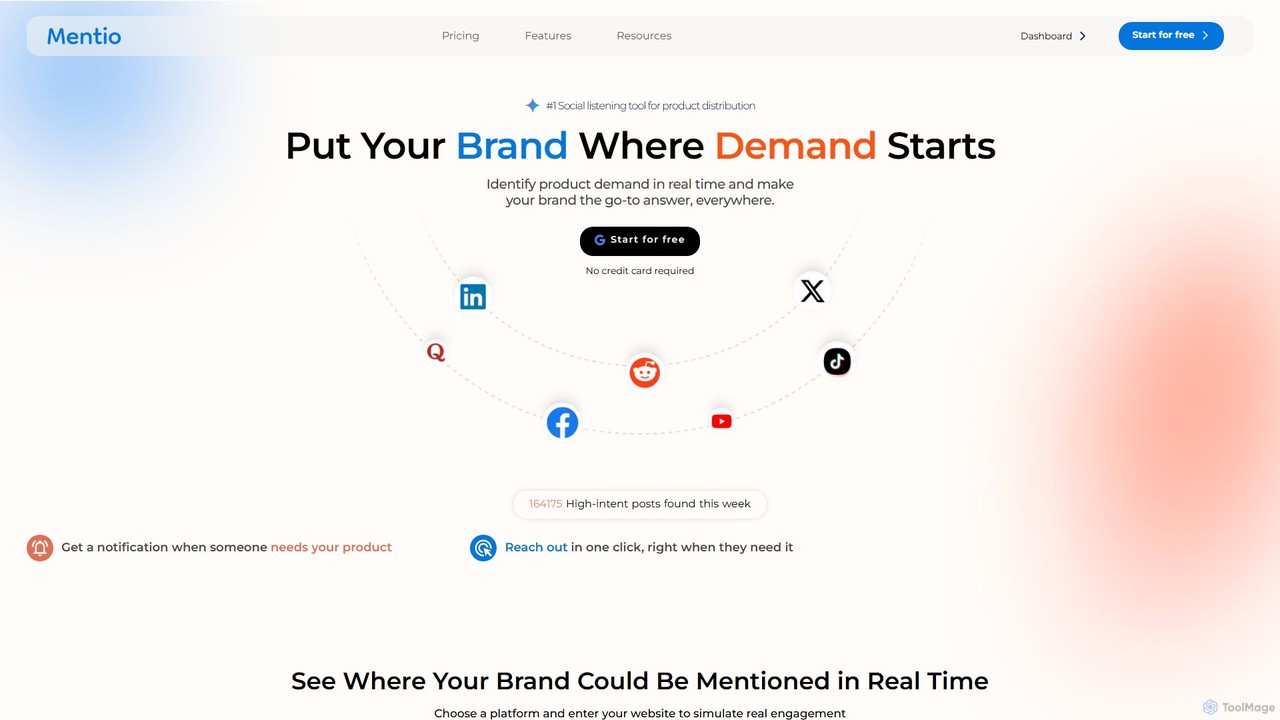
Mentio is an AI-powered social listening tool that helps brands discover and engage with potential customers in real-time. …

3.1K

About Brand Management

AI Brand Management tools are a specialized class of software that automates the monitoring, analysis, and protection of a brand's online identity and reputation. These tools leverage machine learning and natural language processing (NLP) to track brand mentions, analyze public sentiment, and identify potential PR crises in real-time across the web and social media. Their primary value lies in providing businesses with actionable insights to manage public perception, which is a crucial component of modern SEO and digital marketing strategies. By understanding and responding to online conversations, companies can proactively shape their brand narrative and build trust.

Core Features

  • Sentiment Analysis: Automatically determines the emotional tone (positive, negative, neutral) behind brand mentions.
  • Real-time Mention Tracking: Scans social media, news sites, forums, and blogs for brand keywords and conversations as they happen.
  • Visual Recognition: Identifies brand logos and products in images and videos, even without accompanying text.
  • Crisis Detection: Uses anomaly detection to flag sudden spikes in negative mentions or viral negative content.
  • Reputation Scoring: Calculates a dynamic brand health score based on sentiment, reach, and other key metrics.

Use Cases

These tools are essential for public relations teams, marketing managers, and corporate communication departments. They are used to track the impact of marketing campaigns, manage customer feedback, conduct competitor analysis by monitoring their public perception, and quickly respond to negative press or customer complaints before they escalate.

How to Choose

When selecting an AI Brand Management tool, consider the scope of its data sources (which platforms it covers), the accuracy of its sentiment analysis, its real-time alerting capabilities, and its integration with other marketing and CRM platforms. Also, evaluate the quality of its analytics dashboard and reporting features to ensure the insights are clear and actionable for your team.

Brand ManagementUse Cases

1

Proactive Crisis Management and Mitigation

A public relations team for a global electronics brand uses an AI Brand Management tool to monitor online conversations 24/7. The tool detects a sudden spike in negative sentiment on Twitter related to a product malfunction. It automatically flags the issue, analyzes the most common complaints, and alerts the crisis response team within minutes. This allows the team to issue a public statement and a recall notice before the story is picked up by major news outlets, mitigating reputational damage and demonstrating proactive customer care. The AI's real-time alerts turn a potential multi-day crisis into a manageable incident resolved within hours.

2

Competitive Brand Perception Analysis

A marketing manager at a beverage company wants to understand how their brand is perceived compared to its top two competitors. They use an AI tool to track and analyze all public mentions of the three brands over a quarter. The AI generates a comparative report showing sentiment scores, key conversation themes (e.g., 'taste', 'price', 'packaging'), and demographic data of the audience. The manager discovers that while their brand has high positive sentiment for 'taste', a competitor is winning conversations around 'sustainability'. This insight directly informs their next marketing campaign, which will focus on highlighting their own eco-friendly initiatives to close the perception gap.

3

Measuring Campaign Impact on Brand Sentiment

After launching a major advertising campaign featuring a celebrity endorsement, a cosmetics brand needs to measure its ROI beyond sales figures. Using an AI brand management platform, the marketing team tracks the brand's sentiment score before, during, and after the campaign. The platform's dashboard visualizes a 15% increase in positive sentiment and a 20% rise in overall brand mentions. It also identifies that the celebrity's followers are now a key demographic in the conversation. This data provides concrete evidence to the leadership team that the campaign successfully improved public perception and brand awareness, justifying the investment.

4

Identifying Unauthorized Logo Usage

A luxury fashion brand is concerned about counterfeit products and unauthorized use of its logo online. Their legal team employs an AI tool with visual recognition capabilities. The AI continuously scans e-commerce sites, social media, and marketplaces for images containing the brand's logo. It flags listings from unverified sellers and social media posts using the logo in a misleading way. This allows the legal team to quickly issue takedown notices and combat brand dilution, protecting both their intellectual property and their customers from fraudulent goods. The process automates what would be thousands of hours of manual searching.

5

Gathering Product Feedback from Unsolicited Mentions

A product development team for a software company wants to gather authentic user feedback outside of formal surveys. They use an AI brand management tool to monitor forums like Reddit and developer communities. The AI is configured to identify mentions of their product related to feature requests, bugs, or usability issues. It categorizes the feedback by theme and sentiment, presenting a clear report to the product team. This allows them to prioritize their development roadmap based on real-world user needs and pain points, leading to a more user-centric product and higher customer satisfaction.

6

Vetting Influencers and Brand Ambassadors

A marketing team is selecting influencers for a new campaign. Before finalizing contracts, they use an AI brand management tool to conduct a background check on the potential candidates' online presence. The tool analyzes the historical sentiment of conversations surrounding each influencer, flags any past associations with controversial topics, and assesses the authenticity of their follower engagement. One candidate is flagged for a high percentage of negative sentiment in their comment sections. Based on this data, the team chooses a different influencer with a more positive and brand-safe online reputation, avoiding a potential partnership crisis.

Brand ManagementFrequently Asked Questions