Seo Best in category 4 results Competitor Analysis AI Tool

Popular AI tools in the Competitor Analysis field of Seo include RankWatch、ParasiteSEO、Wope、Buddler, etc., helping you quickly improve efficiency.

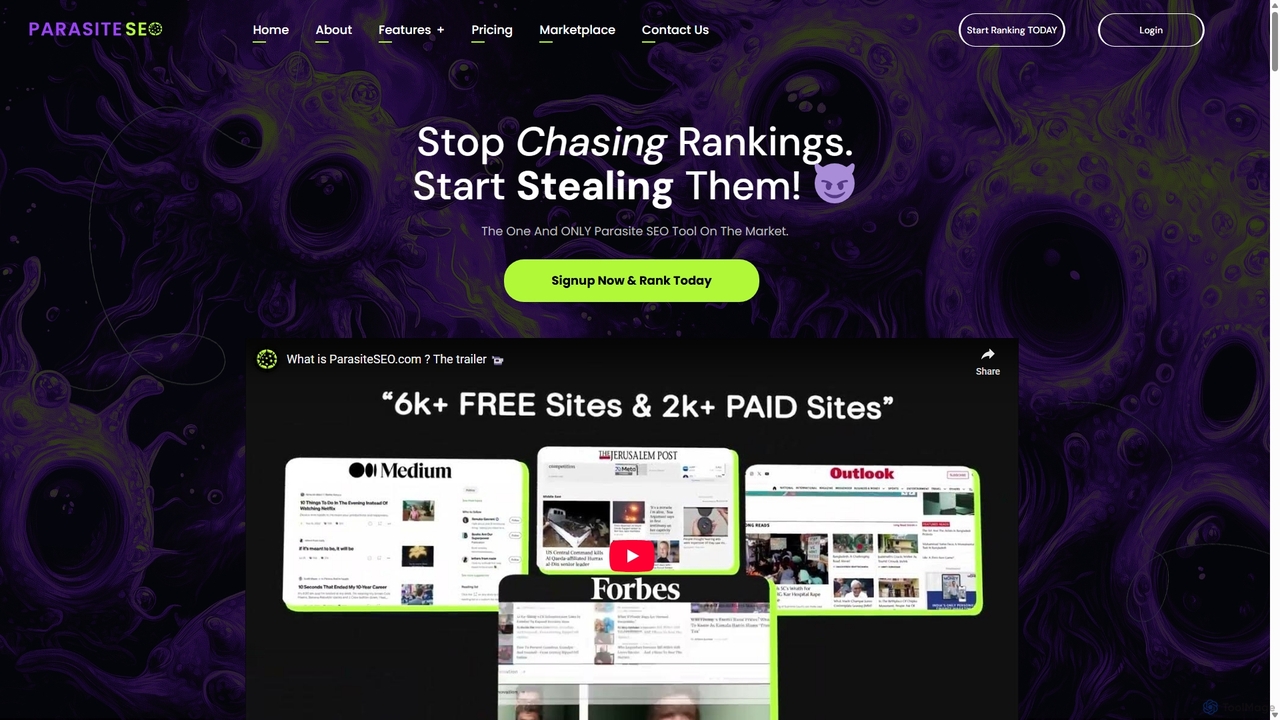
ParasiteSEO

ParasiteSEO

ParasiteSEO is the first AI-powered tool dedicated to Parasite SEO, a strategy that leverages high-authority websites to rank …

9.2K
RankWatch

RankWatch

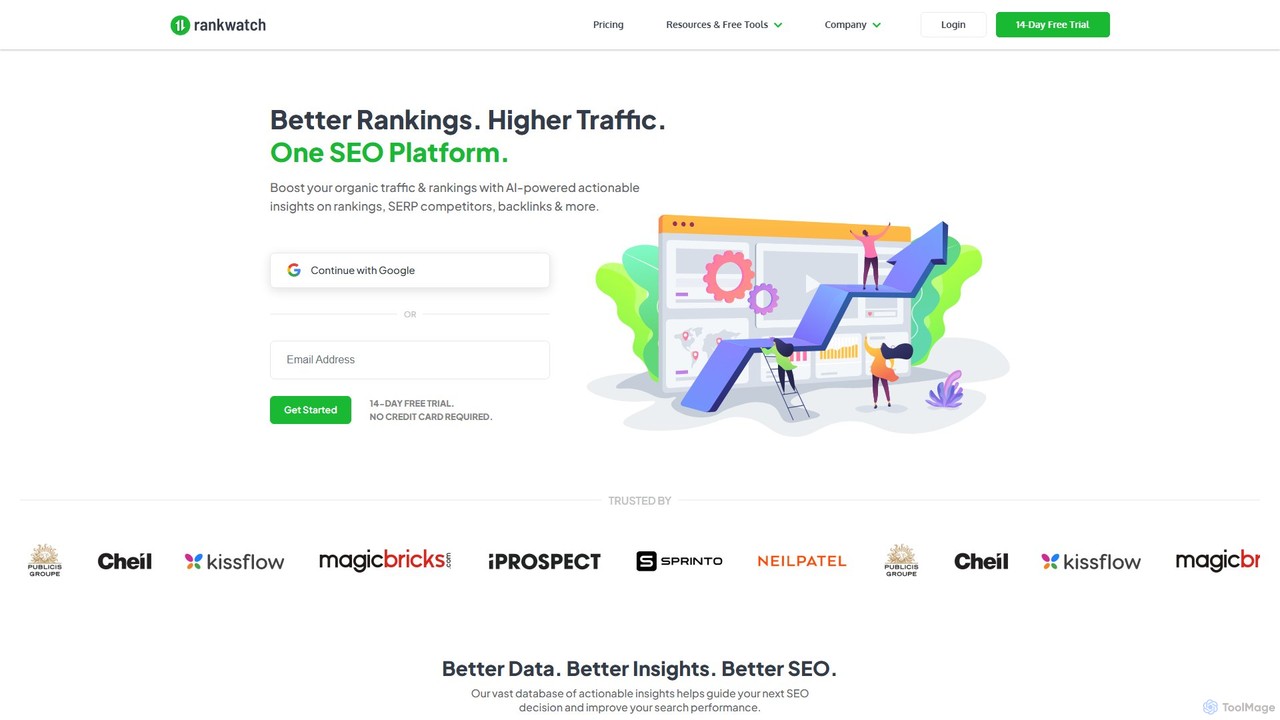
RankWatch is an AI-powered, all-in-one SEO platform designed to boost organic traffic and rankings. It provides actionable insights …

161.7K
Buddler

Buddler

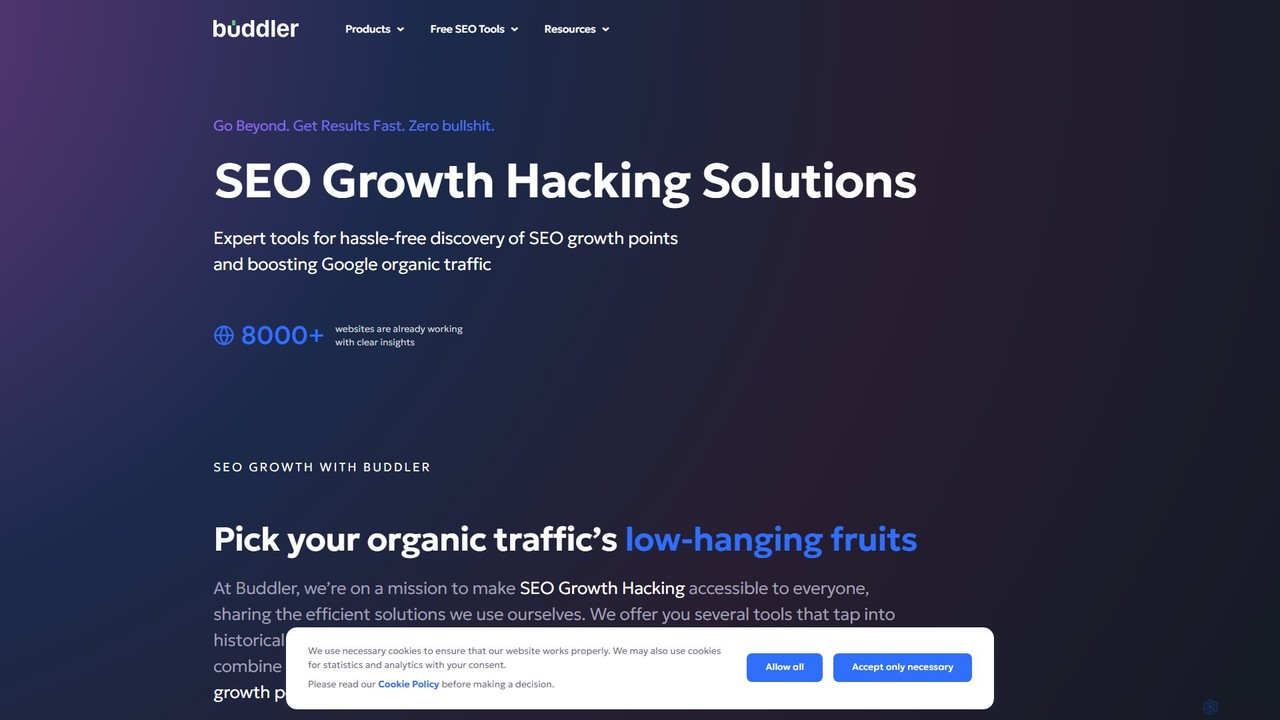
Buddler is an AI-powered SEO growth hacking suite designed to boost organic traffic. It leverages Google Search Console …

2.5K
Wope

Wope

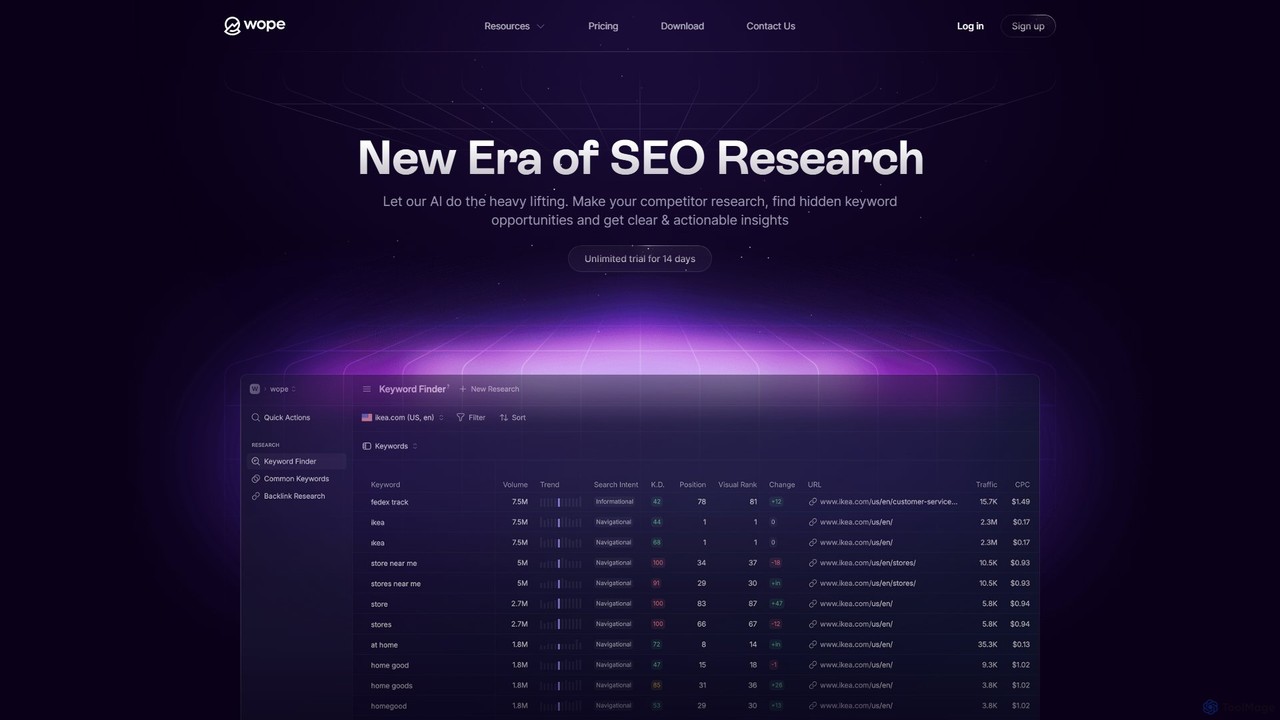
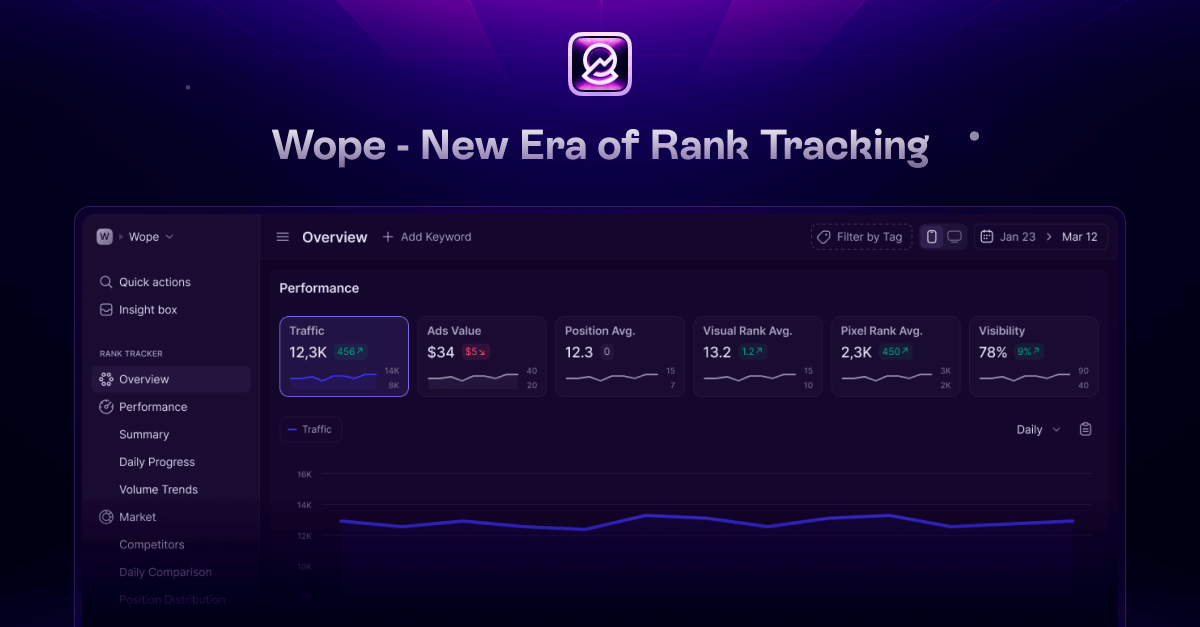
Wope is an AI-powered SEO research platform designed for competitor analysis, keyword discovery, and content strategy. It provides …

6.4K

About Competitor Analysis

AI Competitor Analysis tools are a specialized category of SEO software that use artificial intelligence to dissect and understand competitor strategies. By leveraging machine learning and natural language processing (NLP), these tools go beyond simple rank tracking to uncover patterns in content, advertising, and backlink profiles. They provide actionable insights into what makes competitors successful, enabling users to identify market gaps and strategic opportunities. This data-driven approach allows for more informed decision-making in SEO and marketing campaigns.

Core Features

  • Content Gap Analysis: Automatically identifies topics and keywords competitors rank for that you are missing.
  • Backlink Pattern Recognition: Analyzes the quality and velocity of competitor backlinks to reveal their link-building strategy.
  • PPC & Ad Strategy Analysis: Deconstructs competitor ad copy, keywords, and landing pages to inform paid campaigns.
  • SERP Feature Monitoring: Tracks competitor presence in rich results like featured snippets, video carousels, and People Also Ask boxes.
  • Sentiment Analysis: Uses NLP to gauge market perception and customer sentiment towards competitors across the web.

Use Cases

These tools are primarily used by SEO strategists, digital marketing managers, content creators, and business analysts. They are essential for tasks such as developing a data-driven content calendar, planning a new PPC campaign by learning from rivals' successes and failures, or identifying underserved niches in the market before launching a new product.

How to Choose

When selecting an AI Competitor Analysis tool, consider the depth of its data sources (web, social, ads), the sophistication of its AI-driven insights versus raw data presentation, its ability to integrate with your existing analytics platforms (like Google Analytics), and its scalability to track a range of competitors from local businesses to global enterprises.

Competitor AnalysisUse Cases

1

Uncovering Competitors' Content Strategy

A Content Marketing Manager planning the next quarter's editorial calendar can use an AI Competitor Analysis tool to move beyond guesswork. The tool automatically scans top competitors, identifying their best-performing articles, the topics driving the most organic traffic, and content formats that resonate with their audience. It highlights 'content gaps'—valuable keywords competitors rank for, but your site doesn't. This provides a data-driven roadmap for creating content that directly targets high-opportunity areas, increasing the likelihood of outranking rivals and capturing relevant traffic.

2

Deconstructing Competitors' PPC Campaigns

A PPC Specialist aiming to optimize ad spend can leverage an AI tool to deconstruct competitor campaigns. Instead of manually searching for competitor ads, the tool automatically gathers data on their ad copy variations, the keywords they bid on most aggressively, and the design of their landing pages. The AI can identify which ad messages appear most frequently, suggesting they are top performers. This intelligence allows the specialist to write more compelling ad copy, discover untapped keywords, and design landing pages that are better optimized for conversion, ultimately improving ROI.

3

Identifying Emerging Market Trends

A Product Manager or Business Strategist can use an AI analysis tool to monitor the competitive landscape for emerging trends. The tool tracks subtle shifts in competitors' website messaging, new features they launch, and changes in their pricing models. By analyzing customer reviews and social media mentions with NLP, it can also detect growing demand for specific features or rising dissatisfaction with a competitor's offering. This provides an early warning system, enabling the business to adapt its product roadmap or marketing strategy proactively, rather than reacting after a competitor has already captured a new market segment.

4

Optimizing Backlink Building Strategy

An SEO Specialist needs to build domain authority through high-quality backlinks. Instead of manually checking competitor sites, an AI tool can analyze the entire backlink profiles of multiple competitors at scale. It identifies high-authority domains that link to several of your rivals but not to you, highlighting prime outreach opportunities. The AI can also detect patterns, such as a competitor's success with guest posts on industry blogs or links from news sites, providing a proven blueprint for a more efficient and effective link-building campaign.

5

Monitoring Brand Reputation and Share of Voice

A Brand Manager is tasked with tracking public perception. An AI competitor analysis tool automates this by monitoring brand mentions across news sites, blogs, and social media. Using NLP for sentiment analysis, it can distinguish between positive, negative, and neutral mentions for both your brand and your competitors. This provides a clear, quantifiable metric for 'Share of Voice' and overall brand health. It allows the manager to quickly spot and address negative sentiment spikes or identify what competitors are doing to generate positive buzz, informing PR and brand strategy.

6

Benchmarking Website Technical Performance

A Technical SEO or Web Developer planning a site overhaul can use an AI tool to benchmark against competitors. The tool crawls competitor websites to analyze key technical SEO metrics like site speed, mobile-friendliness, Core Web Vitals, and schema markup implementation. It presents a comparative analysis, highlighting areas where competitors excel and your site lags. This data provides a clear, evidence-based priority list for technical improvements, ensuring development efforts are focused on changes that will have the most significant impact on user experience and search engine rankings.

Competitor AnalysisFrequently Asked Questions