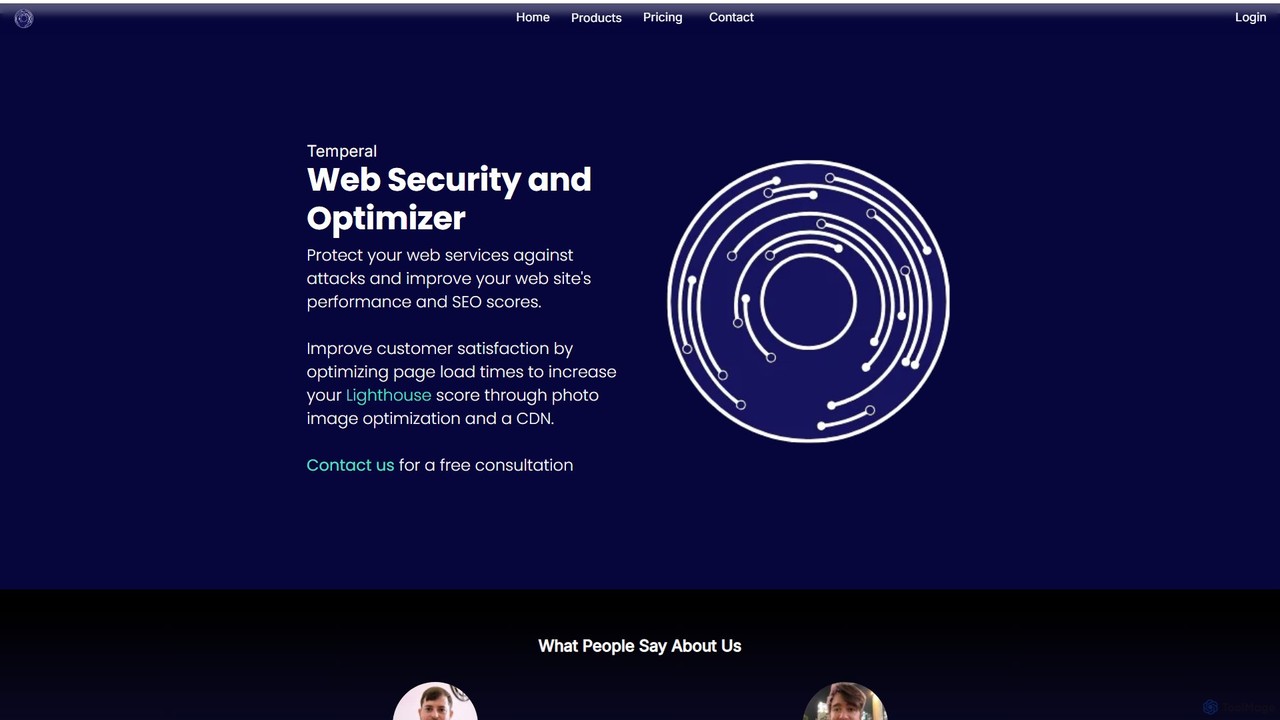
Temperal
Temperal is an all-in-one web solution that combines AI image generation, automatic image optimization, a global CDN, and …
Temperal is an all-in-one web solution that combines AI image generation, automatic image optimization, a global CDN, and web security. It helps improve website performance, SEO scores, and user experience by delivering fast-loading, perfectly sized images while offering tools to create unique visual content.
About Performance
AI Performance tools are a specialized category of SEO software designed to analyze and optimize website loading speed and user experience metrics. They use automated diagnostics to identify issues related to Core Web Vitals (CWV), resource loading, and server response times. By providing actionable recommendations, these tools help improve a site's technical health, which is a critical factor for higher search engine rankings and better user engagement. They effectively bridge the gap between technical development and SEO strategy.
Core Features
- Core Web Vitals Analysis: Pinpoints issues with LCP, FID/INP, and CLS and suggests specific code or server-side fixes.
- Page Speed Audits: Generates detailed waterfall charts to visualize loading sequences and identify performance bottlenecks.
- Asset Optimization Suggestions: Recommends image compression, code minification (CSS, JS), and removal of unused resources.
- Server Response Monitoring: Measures Time to First Byte (TTFB) to diagnose server-side or network latency problems.
- Real User Monitoring (RUM): Collects performance data from actual user sessions to provide a more accurate view of real-world experience.
Use Cases
These tools are essential for SEO specialists, web developers, and digital marketing managers focused on technical SEO. They are used for conducting pre-launch site audits, diagnosing ranking drops related to speed, and continuously monitoring site health to maintain a competitive edge in search results.
How to Choose
When selecting a tool, consider the depth of its analysis (e.g., does it go beyond basic scores?), its integration with development workflows (like GitHub or Slack), the clarity of its recommendations for non-technical users, and whether it offers both synthetic testing and Real User Monitoring (RUM).
PerformanceUse Cases
Diagnosing Core Web Vitals Failures for SEO Compliance
An SEO specialist notices their site is failing Google's Core Web Vitals assessment in Search Console. They use an AI Performance tool to run a detailed audit. The tool identifies that the Largest Contentful Paint (LCP) is slow due to a large, unoptimized hero image and render-blocking JavaScript. It provides specific recommendations, such as compressing the image to WebP format and deferring the non-critical JavaScript. By implementing these changes, the specialist improves the LCP score, passes the CWV assessment, and protects their site's search rankings.
Automating Image Optimization for E-commerce Sites
An e-commerce manager oversees a site with thousands of high-resolution product images, which significantly slow down page load times. Manually optimizing each image is impractical. They integrate an AI Performance tool into their content management system (CMS). The tool automatically scans new image uploads, applies lossless compression, resizes them to appropriate dimensions for web display, and converts them to next-gen formats like AVIF or WebP. This automation ensures all product pages remain fast without manual intervention, improving user experience and conversion rates.
Identifying Render-Blocking Resources for Faster Page Loads
A front-end developer is tasked with improving the perceived load time of a company's homepage. Using an AI Performance tool's waterfall chart, they quickly identify several large CSS and JavaScript files that are being loaded synchronously in the `
` section, blocking the page from rendering until they are fully downloaded. The tool flags these as 'render-blocking resources' and suggests solutions: inlining critical CSS for above-the-fold content and adding `defer` or `async` attributes to the JavaScript tags. This allows the browser to render the visible part of the page almost instantly.Conducting Pre-Launch Performance Audits for Marketing Campaigns
A marketing team is preparing to launch a new landing page for a major campaign. Before going live, they use an AI Performance tool to simulate traffic from different devices and network conditions. The audit reveals that the page loads very slowly on 3G mobile networks due to a heavy video background. The tool recommends replacing the video with a static, optimized image for mobile users. By making this adjustment before launch, the team ensures a positive user experience for all visitors, maximizing campaign ROI and preventing high bounce rates that could negatively impact SEO.
Benchmarking Site Speed Against SEO Competitors
An SEO strategist wants to understand how their website's performance stacks up against top competitors in search results. They use an AI Performance tool to run side-by-side comparisons, analyzing key metrics like Time to First Byte (TTFB), LCP, and total page size for their site and three main competitors. The report shows that their competitors' sites have a significantly lower TTFB. This insight prompts an investigation into their server configuration and CDN usage, leading to infrastructure upgrades that close the performance gap and improve their competitive standing in SEO.
Optimizing Mobile-First Experience and Performance
A digital marketer knows that most of their traffic comes from mobile devices and that Google uses mobile-first indexing. They use an AI Performance tool specifically to analyze the mobile user experience. The tool's report highlights a high Cumulative Layout Shift (CLS) score on mobile, caused by ad banners loading late and shifting content. It also identifies touch targets that are too close together. The tool provides code snippets to reserve space for ads, preventing layout shifts, and CSS adjustments to increase spacing between buttons, improving usability and contributing positively to mobile SEO signals.