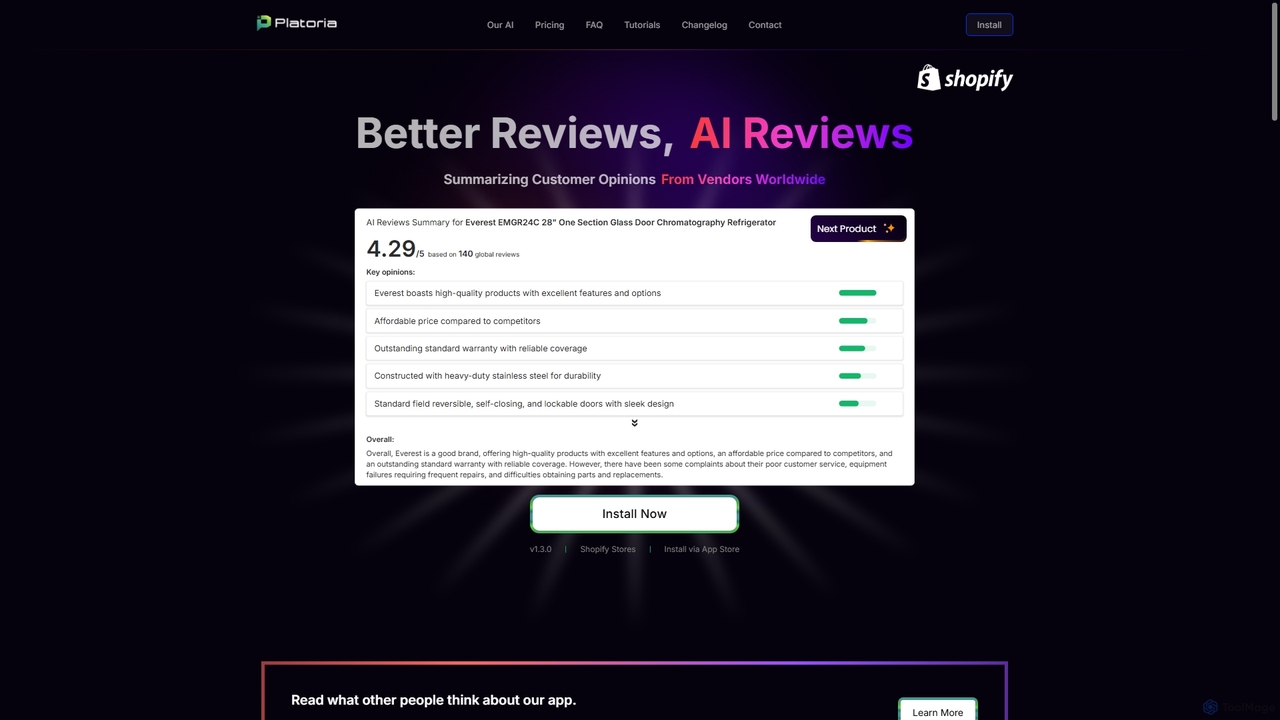
Schema Markup tools are specialized AI-powered solutions designed to generate, validate, and manage structured data on websites. These tools help webmasters and SEO professionals implement schema.org vocabulary, enabling search engines to better understand the content and context of web pages. By adding this semantic layer, websites can achieve enhanced visibility through rich results, improving click-through rates and overall search performance within the broader SEO strategy.
Core Features
- Schema Code Generation: Automatically creates valid JSON-LD or Microdata for various entity types.
- Validation & Testing: Checks generated schema for errors and compliance with Google's guidelines.
- Rich Result Preview: Simulates how rich snippets might appear in search engine results pages (SERPs).
- Implementation Guidance: Provides instructions and best practices for deploying schema markup on different CMS platforms.
- Schema Audit: Scans existing website pages to identify missing or incorrect schema implementations.
Use Cases
Schema Markup tools are crucial for businesses aiming to maximize their search engine visibility. E-commerce sites use them to highlight product details like price and reviews, while local businesses leverage them for displaying address, hours, and contact information directly in search results. Content publishers also benefit by marking up articles, authors, and publication dates to enhance their presence in news and article carousels.
How to Choose
When selecting a Schema Markup tool, consider its compatibility with your website's content management system (CMS) and the range of schema types it supports (e.g., Product, Article, LocalBusiness, FAQ). Evaluate the ease of use, especially for non-developers, and look for robust validation features that ensure compliance with search engine guidelines. Integration capabilities, reporting features, and pricing models are also important factors to assess for long-term effectiveness.