ToolMage
Sign in

Best 2 Traffic Generation AI tools for Seo

Popular Traffic Generation AI tools in Seo include Tailwind and Flipitai, helping you work more efficiently.

Flipitai
Paid

Flipitai

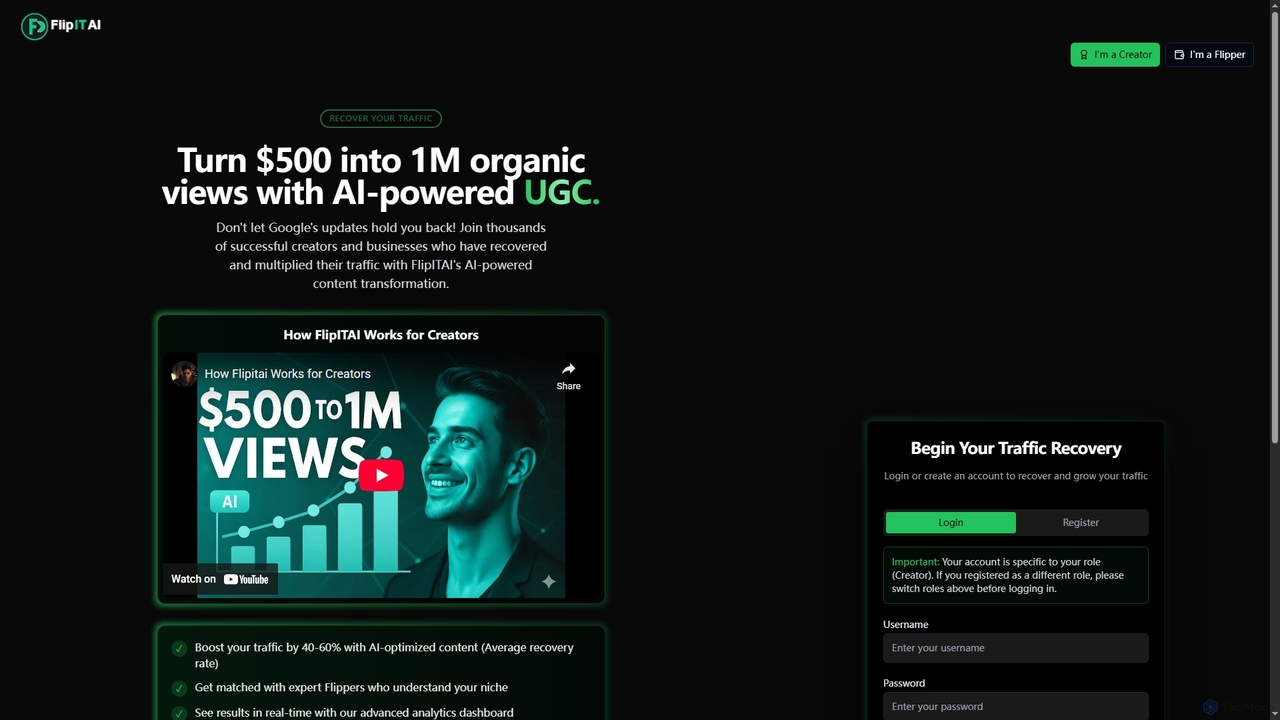
Flipitai is an AI-powered platform connecting content creators with expert 'Flippers' to transform existing content into new, engaging formats. It helps recover and multiply organic traffic lost to search engine updates by repurposing content for platforms like TikTok and Reels, boosting engagement and revenue.

Content Marketing
Visits 5.3KFavorites 124Likes 116
Tailwind
Freemium

Tailwind

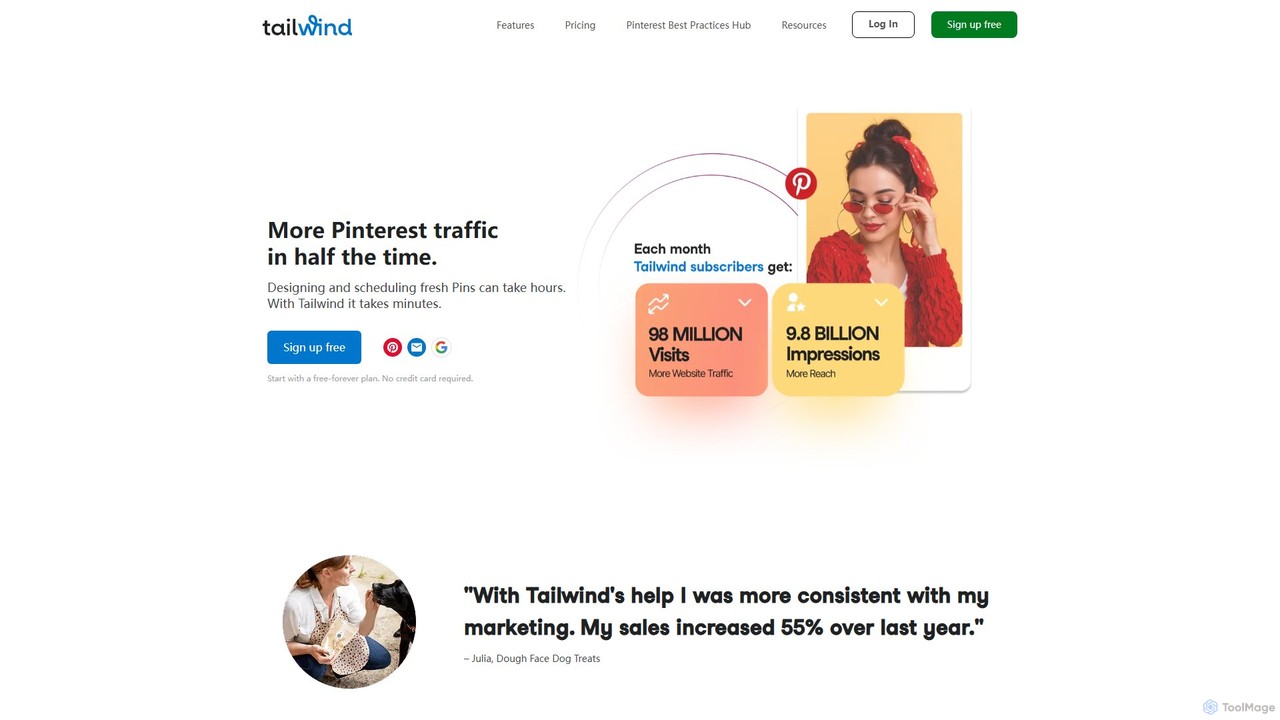
Tailwind is an AI-powered marketing assistant for Pinterest, Instagram, and Facebook. It helps businesses and creators automate scheduling, create optimized content, and apply proven strategies to drive significant traffic and engagement with less effort.

Social Media Marketing
Visits 431.7KFavorites 159Likes 138

About Traffic Generation

AI Traffic Generation tools are a specialized category of SEO software designed to actively increase the flow of visitors to a website or digital platform. These tools leverage artificial intelligence to automate and optimize promotional activities, such as content distribution, social media engagement, and paid advertising campaigns. By analyzing data and user behavior, they identify the most effective channels and strategies to attract a target audience, significantly accelerating audience growth. This proactive approach complements traditional SEO by focusing on direct outreach and content amplification rather than solely on search engine rankings.

Core Features

  • Content Amplification: Automatically distributes articles, videos, and other content across multiple platforms like social media, forums, and content aggregators to maximize reach.
  • Paid Ad Optimization: Uses AI to manage and optimize advertising budgets, targeting, and creatives on platforms like Google Ads and Facebook, improving click-through rates and ROI.
  • Social Media Automation: Generates engaging posts, schedules them for peak times, and interacts with followers to drive referral traffic from social networks.
  • Audience Discovery: Analyzes market data to identify new, high-potential audience segments for targeted marketing campaigns.
  • Referral Program Automation: Manages and scales affiliate or referral marketing programs by identifying partners and tracking performance to generate word-of-mouth traffic.

Applicable Scenarios

These tools are ideal for digital marketers, e-commerce managers, content creators, and startups focused on rapid growth. For instance, an e-commerce store can use them to automate ad campaigns for a new product launch, while a B2B company can syndicate its blog content across professional networks to attract qualified leads. They are particularly effective for executing marketing campaigns that require broad, multi-channel distribution.

Selection Criteria

When choosing a Traffic Generation tool, consider its primary channel focus—whether it excels at social media, paid ads, or content syndication. Evaluate its integration capabilities with your existing CMS, analytics, and advertising platforms. Assess the level of automation and control it offers, and ensure its reporting features provide clear insights into traffic sources, conversion rates, and campaign return on investment.

Traffic Generation use cases

1

Automating Social Media Content Promotion

A content marketer for a SaaS company needs to drive consistent traffic to new blog posts. Using an AI Traffic Generation tool, they connect their blog's RSS feed. When a new article is published, the AI automatically generates several unique social media posts for Twitter, LinkedIn, and Facebook, each with a different hook and relevant hashtags. It then schedules these posts over the next week at optimal engagement times for each platform, ensuring a steady stream of referral traffic without manual effort and increasing the content's initial visibility by over 300%.

2

Optimizing Paid Ad Spend for E-commerce

An e-commerce manager is running Google Shopping and Facebook Ads to promote a new line of products. They use an AI Traffic Generation tool to manage their ad budget. The AI continuously analyzes real-time performance data, such as click-through rates and conversion costs. It automatically reallocates the budget from underperforming ad sets to the most profitable ones, and even suggests A/B tests for ad creatives. This results in a 25% reduction in cost-per-acquisition and a significant increase in qualified traffic to the product pages.

3

Scaling Content Syndication for a B2B Blog

A B2B marketing team wants to expand the reach of their high-value whitepapers and case studies beyond their own blog. They use an AI Traffic Generation tool that specializes in content syndication. The tool identifies relevant industry publications, blogs, and platforms like Medium. It then automatically reformats the content for each platform's specific requirements and submits it for publication, including a canonical link back to the original source. This strategy helps them reach new, targeted audiences and generates high-quality referral traffic and backlinks, boosting their overall SEO authority.

4

Generating Traffic from Q&A Platforms

A consultant wants to establish their expertise and drive traffic to their services website. They use an AI tool that monitors platforms like Quora and Reddit for questions related to their niche. The AI identifies relevant, high-traffic questions and helps draft answers by pulling key information from the consultant's existing blog posts and articles. The consultant can then review, personalize, and post the answers, including a helpful link back to their site. This positions them as an authority and creates a consistent source of highly qualified referral traffic.

5

Running a Viral Giveaway Campaign

A startup launching a new app wants to generate buzz and initial user traffic. They employ an AI Traffic Generation tool to create and manage a viral giveaway. The tool helps set up a landing page where users enter by providing their email. It then encourages sharing by offering extra entries for each referred friend who signs up. The AI tracks all referrals, manages the leaderboard, and automates follow-up emails. This gamified approach generates a massive surge in social media mentions and direct traffic in a short period, helping the app launch with a strong initial user base.

6

Identifying and Engaging Potential Influencers

A fashion brand manager needs to scale their influencer marketing efforts to drive traffic. They use an AI Traffic Generation tool to scan Instagram and TikTok for micro-influencers in their niche. The AI analyzes profiles based on follower count, engagement rates, and content relevance. It generates a prioritized list of potential partners and provides templates for initial outreach messages. This automates the time-consuming discovery process, allowing the manager to focus on building relationships and launching collaborative campaigns that drive significant referral traffic to their online store.

Traffic Generation FAQ

What are AI Traffic Generation tools?

AI Traffic Generation tools are a specialized subset of SEO software that uses artificial intelligence to actively drive visitors to a website. Unlike traditional SEO tools that focus on optimizing for search engines (e.g., keyword research), these tools execute promotional campaigns. Key functions include automating social media posting, optimizing paid ad spend, and distributing content across various platforms to directly attract an audience.

How do Traffic Generation tools differ from all-in-one SEO platforms?

The main difference lies in their focus. All-in-one SEO platforms (like Ahrefs or Semrush) provide a broad suite of tools for analysis, research, and monitoring, such as keyword tracking and backlink audits. Traffic Generation tools are more specialized and action-oriented. They focus on the execution of strategies to actively bring in visitors, such as automating content distribution or managing ad campaigns. Essentially, SEO platforms help you build the strategy, while Traffic Generation tools help you execute it at scale.

What are the key features of an effective AI Traffic Generation tool?

An effective tool should offer a combination of automation and intelligent optimization. Key features to look for include:

  • Multi-channel Distribution: The ability to push content to various platforms (social media, blogs, forums) automatically.
  • AI-Powered Ad Management: Features for optimizing ad spend, targeting, and creative testing on major ad networks.
  • Smart Scheduling: AI that determines the best times to post content on different channels for maximum visibility.
  • Performance Analytics: Clear dashboards and reports that track traffic sources, engagement metrics, and return on investment (ROI).

Who should use AI Traffic Generation tools?

These tools are most beneficial for users who need to scale their marketing and promotional efforts. This includes:

  • Digital Marketers: To automate multi-channel campaigns and optimize ad spend.
  • E-commerce Businesses: To drive targeted traffic to product pages and run promotional events.
  • Content Creators & Bloggers: To maximize the reach of their content beyond their primary platform.
  • Startups: To generate initial brand awareness and user traffic quickly and efficiently.
Essentially, anyone whose goal is to actively and consistently increase website visitors can benefit.

How do I choose the right Traffic Generation tool?

To choose the right tool, start by identifying your primary traffic goal. Are you focused on social media, paid ads, or content syndication? Then, consider these factors:

  • Channel Specialization: Select a tool that excels in the channels most important to you.
  • Integrations: Ensure it connects seamlessly with your existing tools like your CMS, analytics platform, and social media accounts.
  • Budget: Evaluate the pricing models (e.g., subscription, pay-per-use) and choose one that aligns with your budget and expected ROI.
  • Ease of Use: Consider the user interface and the level of technical expertise required. Some tools are fully automated, while others offer more manual control.