RepublishAI
RepublishAI is an advanced WordPress SEO plugin that automates content creation, optimization, and publishing. It uses AI agents …
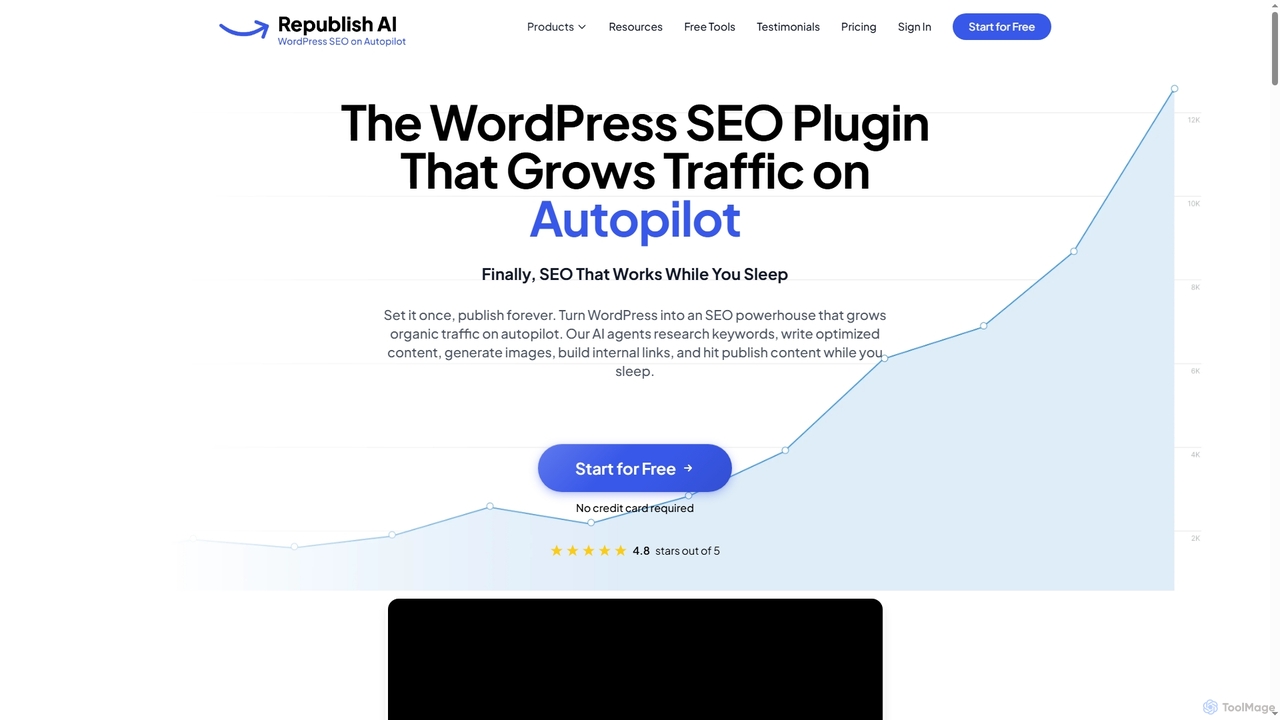
RepublishAI is an advanced WordPress SEO plugin that automates content creation, optimization, and publishing. It uses AI agents to research keywords, write comprehensive articles, generate images, build internal links, and schedule daily posts, helping WordPress blogs grow organic traffic on autopilot.
About Wordpress Optimization
WordPress Optimization tools are specialized AI-powered plugins and services designed to enhance the performance, SEO, and security of WordPress websites. These tools leverage artificial intelligence to automate complex tasks like code minification, image compression, and database cleanup directly within the WordPress environment. They analyze site-specific data to apply intelligent caching, optimize content for search engines, and improve Core Web Vitals. The primary value lies in achieving a faster, more secure, and higher-ranking website with minimal manual intervention.
Core Features
- AI-Powered Caching: Intelligently preloads and serves static versions of pages based on user traffic patterns to dramatically reduce server load times.
- Automated Image & Asset Optimization: Uses AI to compress images, CSS, and JavaScript files to the optimal size without sacrificing quality, improving page speed.
- On-Page SEO Analysis: Provides real-time suggestions within the WordPress editor for keyword usage, internal linking, and meta tag creation to improve content rankings.
- Automated Schema Markup: Automatically generates and inserts structured data (like FAQ, Article, or Product schema) to help search engines understand content and earn rich snippets.
- Database & Performance Monitoring: Continuously scans the WordPress database for bloat and identifies performance bottlenecks caused by plugins or themes, offering automated fixes.
Use Cases
These tools are ideal for anyone managing a WordPress site, from individual bloggers and small business owners to digital marketing agencies and web developers. An e-commerce store running WooCommerce can use them to speed up product pages and reduce cart abandonment. A content-heavy blog can automate on-page SEO to increase organic traffic. Agencies can efficiently manage and optimize dozens of client websites from a central dashboard.
How to Choose
When selecting a WordPress Optimization tool, consider its compatibility with your theme and other plugins to avoid conflicts. Evaluate the scope of features—some are all-in-one solutions, while others specialize in either speed or SEO. Assess the user interface for ease of use, especially its integration with the WordPress dashboard. Finally, compare pricing models, such as one-time fees versus subscriptions, and check the level of customer support provided.

Wordpress OptimizationUse Cases
Boost E-commerce Site Speed and Core Web Vitals
An online store owner using WooCommerce notices high cart abandonment rates and slow product page loading times. By installing an AI WordPress Optimization plugin, they can automate critical speed enhancements. The tool automatically compresses all product images upon upload, minifies CSS and JavaScript files, and implements advanced browser caching. As a result, the site's Core Web Vitals scores improve significantly, page load times are cut in half, and the user experience becomes smoother, leading to a measurable increase in conversions.
Automate On-Page SEO for Blog Posts
A content creator manages a blog with hundreds of articles and struggles to keep them all optimized for search engines. An AI optimization tool integrated into the WordPress editor provides real-time analysis as they write. It suggests target keywords, checks for optimal keyword density, recommends internal links to relevant existing content, and automatically generates meta descriptions. This transforms the writing process, ensuring every new post is SEO-friendly from the start and helping to identify older posts that need an optimization refresh, saving hours of manual work.
Automate Local SEO Schema Markup
A local business, such as a restaurant or a clinic, needs to improve its visibility in local search results. Using an AI WordPress plugin, the owner can automatically generate and implement LocalBusiness schema markup. They simply input their business name, address, phone number, and opening hours into the plugin's interface. The AI then correctly formats this information as structured data and injects it into the website's code. This helps search engines like Google better understand and display their information in local map packs and knowledge panels, driving more local foot traffic.
Efficiently Manage Multiple Client Websites
A digital marketing agency manages SEO and maintenance for 30 WordPress websites. Manually checking each site for performance issues, plugin updates, and SEO opportunities is time-consuming. By using an AI optimization suite with a central dashboard, the agency can monitor all client sites from one place. The AI automatically scans for database bloat, security vulnerabilities, and performance drops, sending alerts for critical issues. This allows the team to proactively manage site health, generate automated performance reports for clients, and focus their time on strategy rather than routine maintenance.
Diagnose and Resolve Performance Bottlenecks
A WordPress site developer is tasked with fixing a slow, unresponsive website. Instead of manually deactivating plugins one by one, they use an AI optimization tool's performance profiler. The tool runs a deep scan of the site, analyzing the load times of the theme, every plugin, and database queries. It generates a visual report highlighting the exact components causing the slowdowns. Based on these AI-driven insights, the developer can quickly pinpoint a poorly coded plugin as the culprit, replace it, and resolve the performance issues in a fraction of the time it would take manually.
Automate Database Cleanup and Maintenance
Over time, a WordPress site accumulates unnecessary data like post revisions, spam comments, and expired transients, which can slow down the database. A site owner uses an AI optimization tool to schedule regular, automated cleanups. The AI intelligently identifies and removes this bloat without deleting essential data. It can be configured to run weekly, clearing out thousands of unnecessary database rows. This proactive maintenance keeps the database lean and efficient, ensuring faster query times and a more responsive website backend, without requiring any technical database knowledge from the user.