Shopping Best in category 1 results Review Aggregator AI Tool

Popular AI tools in the Review Aggregator field of Shopping include Reddit Scout, etc., helping you quickly improve efficiency.

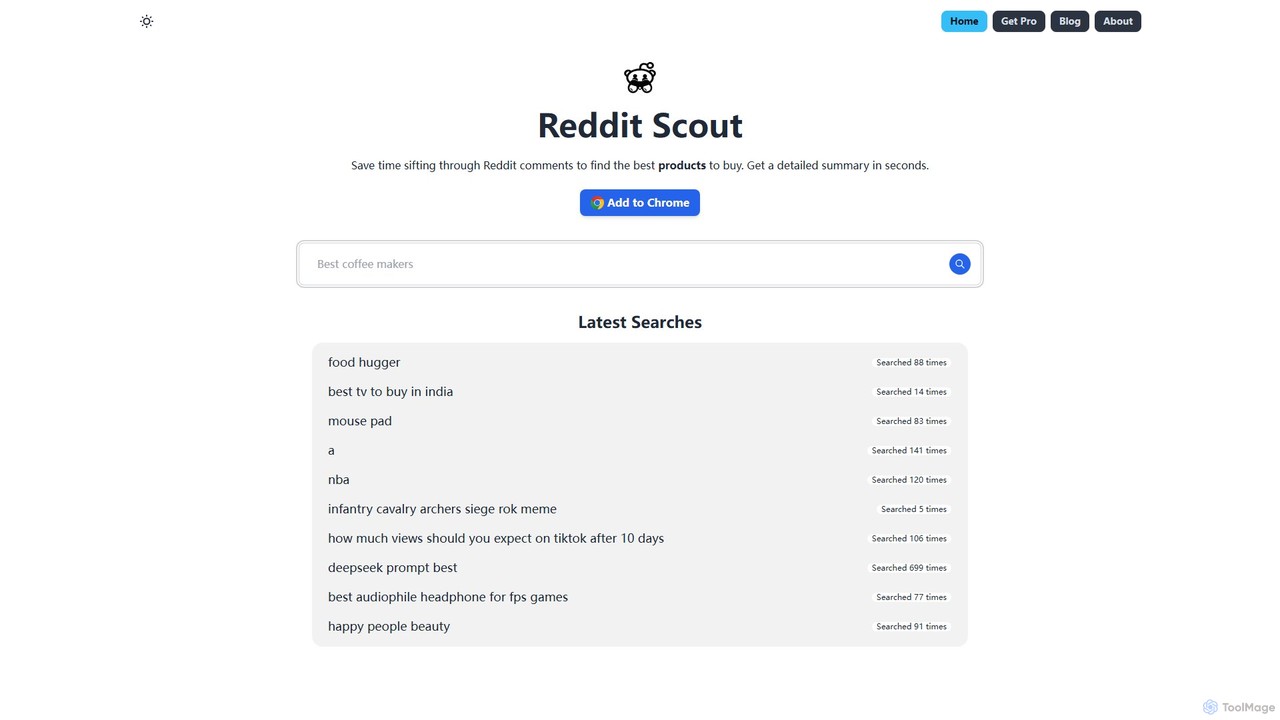
Reddit Scout

Reddit Scout

Reddit Scout is an AI-powered Chrome extension that analyzes Reddit comments to find the best product recommendations and …

216

About Review Aggregator

Review Aggregators are AI-powered tools designed to collect, analyze, and summarize customer reviews and feedback from various online sources. These tools leverage natural language processing (NLP) and machine learning to understand sentiment, extract key themes, and identify trends within vast amounts of unstructured text data. They provide businesses and consumers with consolidated insights, enabling informed decision-making, product improvement, and enhanced market understanding within the broader shopping ecosystem.

Core Features

  • Automated Review Collection: Gathers reviews from e-commerce platforms, social media, forums, and dedicated review sites.
  • Sentiment Analysis: Uses AI to determine the emotional tone (positive, negative, neutral) of reviews and specific mentions.
  • Key Insight Extraction: Identifies recurring topics, common praises, and frequent complaints across all collected feedback.
  • Comparative Analysis: Benchmarks products or services against competitors based on aggregated customer opinions.
  • Trend Monitoring: Tracks changes in customer sentiment and emerging preferences over time, highlighting shifts in market perception.

Use Cases

Review aggregators are invaluable for product managers seeking to refine offerings, marketing teams monitoring brand reputation, and consumers making complex purchasing decisions. They provide a centralized view of public opinion, transforming raw feedback into actionable intelligence for strategic planning and operational adjustments.

How to Choose

When selecting a review aggregator, consider the breadth of its data sources, the sophistication of its AI for sentiment analysis and insight extraction, and its reporting and visualization capabilities. Evaluate integration options with existing business intelligence tools, customization for specific industry needs, and the pricing model based on review volume or features.

Review AggregatorUse Cases

1

Product Managers Identify Market Needs

Product managers utilize review aggregators to gather extensive feedback on their own and competitor products. By analyzing aggregated reviews, they can quickly identify common pain points, highly praised features, and unmet customer needs. This data-driven approach helps prioritize product improvements, validate new feature ideas, and align development roadmaps with actual market demand, leading to more successful product launches and iterations.

2

E-commerce Sellers Optimize Product Listings

E-commerce sellers leverage review aggregators to enhance their product listings and marketing copy. By analyzing customer reviews for their products, they can pinpoint frequently asked questions, common objections, and the most compelling benefits highlighted by users. This information allows them to refine product descriptions, create more persuasive ad campaigns, and address potential customer concerns proactively, ultimately boosting conversion rates and reducing returns.

3

Marketing Teams Monitor Brand Reputation

Marketing and PR teams employ review aggregators to continuously monitor brand sentiment and reputation across the digital landscape. By tracking mentions and reviews from various platforms, they can quickly detect emerging PR crises, measure the impact of marketing campaigns, and understand how their brand is perceived by the public. This proactive monitoring allows for timely responses to negative feedback and strategic adjustments to maintain a positive brand image.

4

Consumers Make Informed Purchasing Decisions

Individual consumers benefit significantly from review aggregators when making important purchasing decisions, especially for high-value or complex products. Instead of sifting through countless individual reviews on multiple sites, they can access a consolidated view of pros, cons, and overall sentiment. This enables them to quickly compare different options, identify potential issues, and choose the product that best meets their specific needs and expectations, reducing buyer's remorse.

5

Service Industry Improves Customer Experience

Businesses in the service industry, such as hotels, restaurants, and healthcare providers, use review aggregators to pinpoint areas for service improvement. By collecting and analyzing feedback from booking platforms, social media, and direct surveys, they can identify specific aspects of their service that consistently receive positive or negative comments. This granular insight allows them to implement targeted training, optimize operational procedures, and enhance overall customer satisfaction and loyalty.

6

Competitor Analysis and Market Positioning

Businesses leverage review aggregators for in-depth competitor analysis and strategic market positioning. By aggregating and analyzing reviews for key competitors, they can uncover their strengths, weaknesses, and customer perception gaps. This intelligence helps in identifying market opportunities, refining their unique selling propositions, and developing more effective competitive strategies. Understanding what customers love or dislike about rivals' offerings is crucial for carving out a distinct market niche.

Review AggregatorFrequently Asked Questions