ToolMage
Sign in

Best 3 Marketing Automation AI tools for Social Media

Popular Marketing Automation AI tools in Social Media include LinktoDM, Botly, and Chirpley, helping you work more efficiently.

Chirpley
Freemium

Chirpley

Chirpley is the world's first automated, peer-to-peer influencer marketplace leveraging AI and blockchain. It connects brands with high-engagement nano and micro-influencers, streamlining campaign creation, matchmaking, and execution for maximum marketing impact.

Influencer Marketing
Visits 6KFavorites 149Likes 135
LinktoDM
Freemium

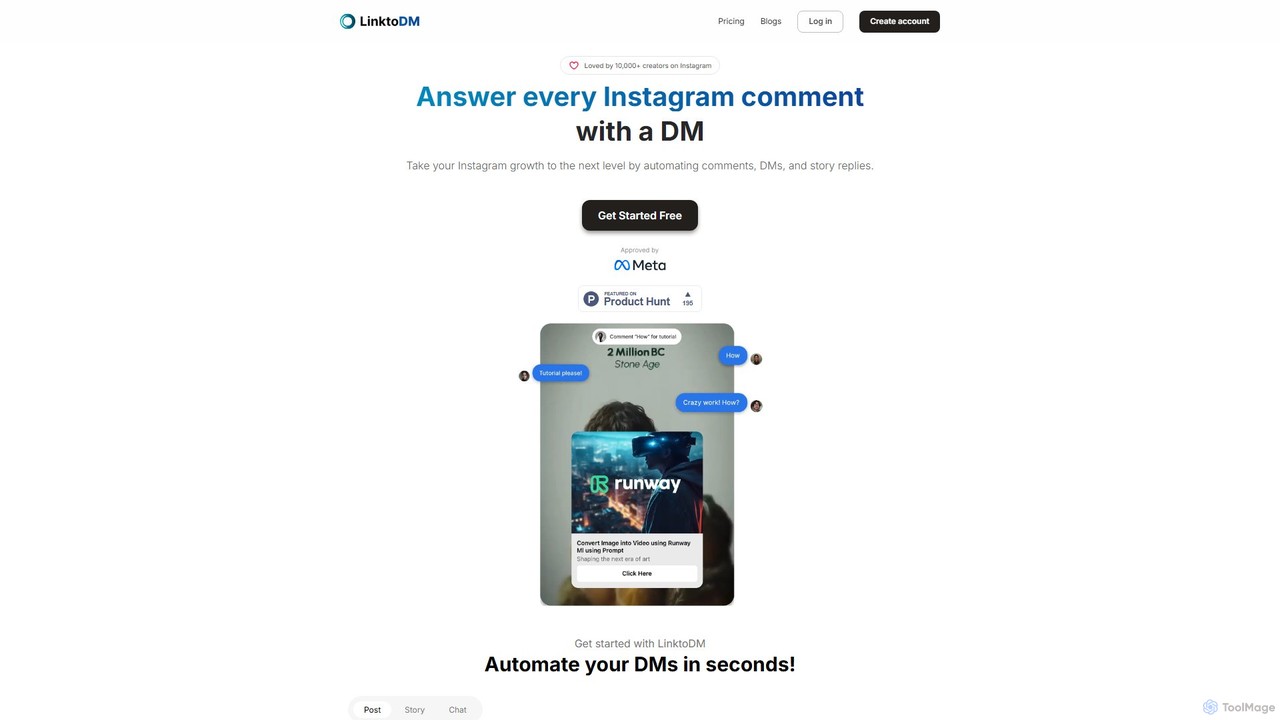
LinktoDM

LinktoDM is an AI-powered Instagram automation tool for creators and brands. It boosts engagement and follower growth by automatically replying to comments with DMs, responding to story interactions, and managing conversations. Key features include AI auto-replies, lead capture, and a unique 'Ask to Follow' function to convert viewers into loyal followers, saving hours of manual work.

Lead Generation
Visits 44.7KFavorites 114Likes 123
Botly
Freemium

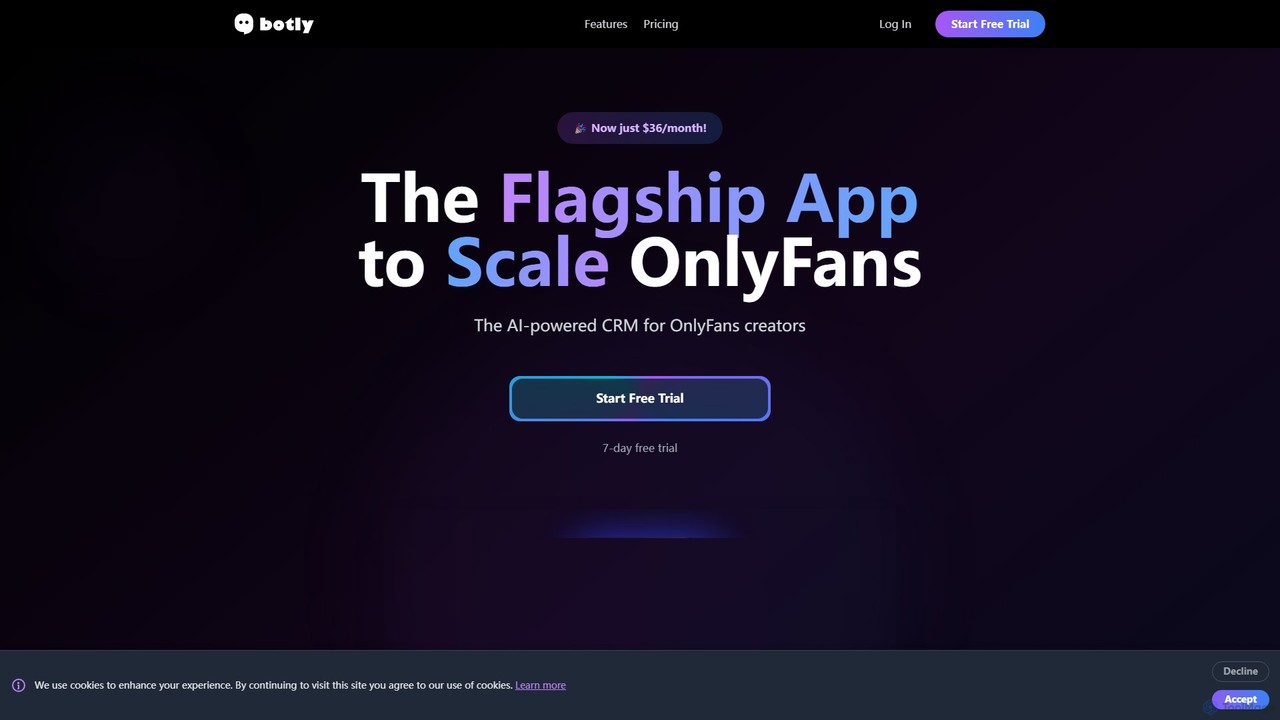
Botly

Botly is an AI-powered CRM and chatbot designed specifically for OnlyFans creators. It helps scale your business by providing AI-suggested personalized messages, in-depth fan analytics, and a unique mobile-first interface. Manage fan relationships, track spending patterns, and increase your earnings efficiently, all from your phone. Botly learns your communication style to ensure authentic interactions and supports multiple languages to connect with a global audience.

Audience Engagement
Visits 6.3KFavorites 148Likes 151

About Marketing Automation

Marketing Automation tools are AI-powered platforms designed to streamline and automate repetitive marketing tasks, particularly within the social media ecosystem. They leverage artificial intelligence to schedule content at optimal times, analyze audience engagement, and manage multi-channel campaigns. This allows marketing teams to maintain a consistent online presence, save significant time, and optimize strategies based on real-time performance data. These tools go beyond simple scheduling by actively listening to social conversations and automating intelligent responses.

Core Features

  • AI-Powered Scheduling: Automatically publishes content at optimal times based on audience activity patterns and engagement predictions.
  • Social Listening & Sentiment Analysis: Monitors brand mentions and analyzes the emotional tone of conversations using Natural Language Processing (NLP).
  • Automated Engagement: Provides automated replies to common comments and direct messages to improve response times and user interaction.
  • Performance Analytics & Reporting: Generates comprehensive reports on key metrics like engagement rate, reach, conversion, and campaign ROI.
  • Ad Campaign Optimization: Uses AI to manage and optimize social media advertising spend and targeting for better results.

Applicable Scenarios

These tools are highly beneficial for social media managers, digital marketing agencies, and e-commerce brands managing multiple social media accounts. They are particularly effective for executing coordinated global campaigns, managing high volumes of customer interactions, and tracking the direct impact of social media marketing efforts on business goals.

Selection Criteria

When choosing a tool, consider the range of supported social media platforms and the depth of its analytics. Evaluate its integration capabilities with other marketing software like CRMs and email platforms. Also, assess the sophistication of its AI features, such as predictive analytics or automated content generation, and ensure the pricing model aligns with your usage needs (e.g., number of accounts, posts, or users).

Marketing Automation use cases

1

Automate Cross-Platform Campaign Scheduling

A marketing manager for a global brand needs to launch a new product across Instagram, Facebook, and Twitter. Using a Marketing Automation tool, they upload all creative assets and captions at once. The tool's AI analyzes past engagement data for each platform and schedules the posts for peak audience activity times in different time zones. This ensures maximum visibility, maintains a consistent brand message, and saves the team dozens of hours of manual work, allowing them to focus on creative strategy.

2

Monitor Brand Reputation with Social Listening

A public relations agency uses an AI marketing automation tool to monitor online conversations about their clients. The tool's social listening feature tracks brand mentions, relevant hashtags, and keywords across all major social platforms in real-time. Its sentiment analysis capability automatically categorizes mentions as positive, negative, or neutral, and sends instant alerts for significant spikes in negative sentiment. This allows the agency to proactively manage potential crises and engage with customer feedback immediately.

3

Automate Social Media Customer Service Responses

An e-commerce store's social media team is overwhelmed with common questions in comments and DMs, such as 'Do you ship to my country?' or 'What's the return policy?'. They set up an automation tool to recognize these keywords and phrases. The AI automatically replies with pre-approved, standardized answers, instantly resolving a high volume of inquiries. More complex issues are automatically flagged and assigned to a human agent, ensuring efficient and timely customer support across all channels.

4

Generate Automated Performance Reports

A digital marketing agency manages social media for ten different clients. Instead of manually compiling weekly performance reports, they use a marketing automation tool. The tool automatically pulls key metrics like follower growth, engagement rate, and click-through rate from each client's accounts. It then generates professional, white-labeled reports with data visualizations and AI-driven insights, such as 'Your video content on Instagram Reels performed 50% better than static images this week.' These reports are automatically emailed to clients, saving hours of administrative work.

5

Optimize Social Media Ad Campaigns

A performance marketer is running a Facebook ad campaign with a limited budget. They use a marketing automation tool to A/B test multiple ad creatives and audience segments simultaneously. The AI monitors the real-time performance of each ad variation, measuring metrics like cost per click (CPC) and conversion rate. It automatically reallocates the budget away from underperforming ads and towards the most effective ones, ensuring the campaign budget is spent efficiently to maximize return on investment (ROI) without constant manual adjustments.

6

Manage Influencer Marketing Campaigns

A cosmetics brand collaborates with 50 influencers for a new product launch. A marketing automation tool helps manage this complex campaign. It tracks when each influencer posts their content, automatically collects performance data like likes, comments, and reach for each post, and compiles it into a central dashboard. The tool can also automate reminders to influencers about posting deadlines and generate final campaign reports, providing a clear overview of which collaborations delivered the best results.

Marketing Automation FAQ

What is AI Marketing Automation for social media?

AI Marketing Automation for social media refers to software that uses artificial intelligence to automate and optimize tasks on platforms like Facebook, Instagram, and Twitter. Unlike general marketing automation that might focus on email or lead nurturing, these tools specialize in the social media context. Key functions include AI-driven content scheduling, automated responses to comments, social listening with sentiment analysis, and predictive analytics for campaign performance. They help marketers manage complex social strategies more efficiently.

How to choose the right Marketing Automation tool?

To choose the right tool, consider these key factors:

  • Platform Support: Ensure it integrates with all the social media channels your brand uses.
  • Feature Set: Evaluate if it offers the specific features you need, such as advanced analytics, social listening, or ad management.
  • Ease of Use: The user interface should be intuitive for your team to adopt quickly.
  • Integration Capabilities: Check if it connects with other essential tools you use, like your CRM, analytics software, or e-commerce platform.
  • Pricing: Select a plan that fits your budget and scales with your needs, considering factors like the number of users, profiles, and posts.
What's the difference between a Marketing Automation tool and a simple social media scheduler?

The main difference lies in intelligence and scope. A simple scheduler just publishes content at a pre-set time. A Marketing Automation tool does much more:

  • Intelligence: It uses AI to determine the best time to post for maximum engagement, not just a time you choose.
  • Two-Way Communication: It automates engagement by responding to comments and messages, and performs social listening to analyze conversations. A scheduler is typically one-way (publishing only).
  • Analytics: It provides deep analytics, sentiment analysis, and ROI tracking, going far beyond basic metrics like likes and shares.
  • Integration: It often integrates with CRM and ad platforms to create a unified marketing workflow.

In short, a scheduler is a simple publishing tool, while a marketing automation platform is a comprehensive management and optimization solution.

What key tasks can be automated with these tools?

Marketing Automation tools can automate a wide range of social media tasks, significantly improving efficiency. Key automations include:

  • Content Publishing: Scheduling posts across multiple platforms for optimal timing.
  • Comment Moderation: Automatically hiding or deleting spam comments and responding to frequently asked questions.
  • Social Listening: Continuously monitoring keywords and brand mentions to track conversations and sentiment.
  • Reporting: Automatically generating and distributing performance reports on a daily, weekly, or monthly basis.
  • Ad Management: Optimizing ad spend by automatically shifting budget to the best-performing ads.
Who benefits most from using Marketing Automation tools?

While many can benefit, these tools are particularly valuable for:

  • Social Media Managers: To manage multiple accounts, schedule content efficiently, and analyze performance without being overwhelmed.
  • Digital Marketing Agencies: To manage social media for multiple clients, streamline reporting, and demonstrate ROI effectively.
  • E-commerce Brands: To handle high volumes of customer interactions, run targeted ad campaigns, and track conversions from social media.
  • Large Enterprises: To maintain brand consistency across various departments and global regions, and to monitor brand reputation at scale.

Essentially, any team or individual looking to scale their social media efforts and make data-driven decisions will find significant value in these tools.