Speech Best in category 1 results Pronunciation AI Tool

Popular AI tools in the Pronunciation field of Speech include reggelia, etc., helping you quickly improve efficiency.

reggelia

reggelia

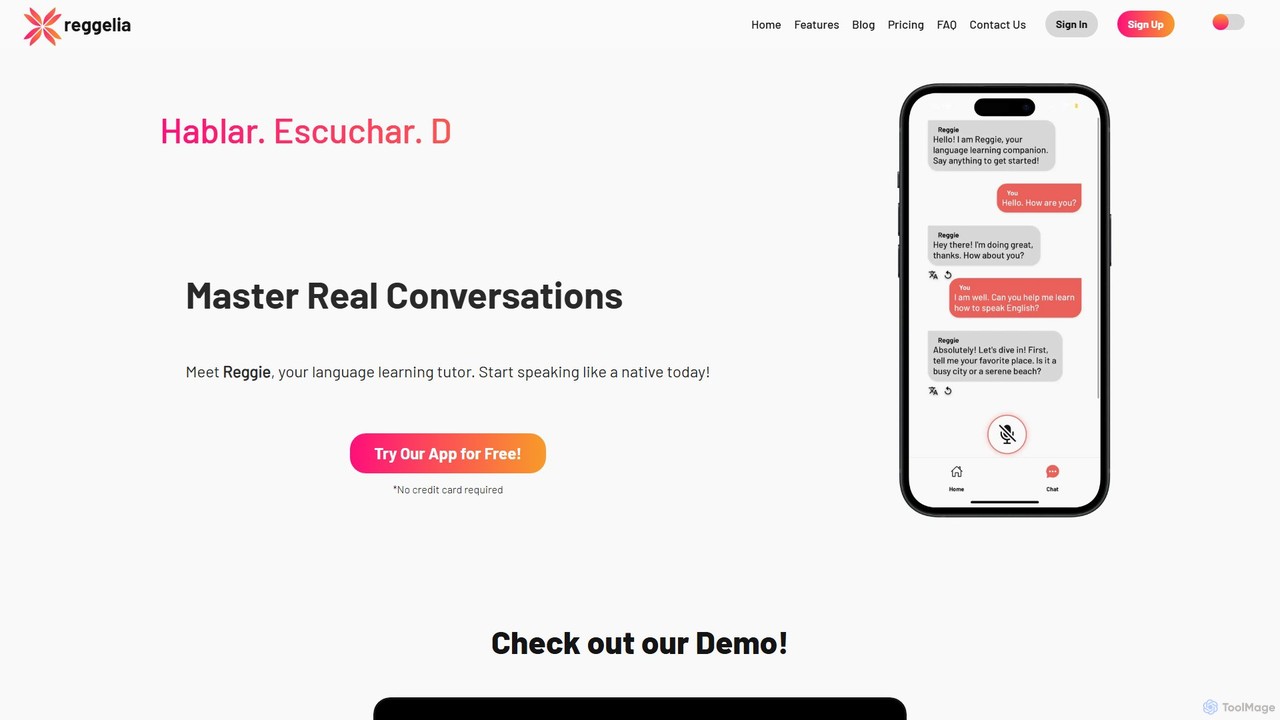
Reggelia is an AI-powered language tutor designed to help you achieve native-like pronunciation and conversational fluency. Practice speaking …

2.9K

About Pronunciation

AI Pronunciation tools are a specialized category of speech technology designed to analyze and provide real-time feedback on spoken language. They utilize advanced speech recognition and phonetic analysis algorithms to evaluate aspects like phoneme accuracy, intonation, rhythm, and stress. These tools are primarily used by language learners, professionals, and educators to improve verbal clarity, reduce accents, and build speaking confidence. Their key advantage lies in offering instant, objective, and detailed feedback that mimics a personal language coach.

Core Features

  • Phoneme-Level Analysis: Pinpoints errors in individual sounds, including vowels and consonants, for targeted practice.
  • Intonation & Stress Feedback: Visualizes and scores the rise and fall of pitch and emphasis in sentences.
  • Real-Time Scoring: Provides an immediate score and suggestions for improvement after each utterance.
  • Native Speaker Comparison: Allows users to compare their pronunciation audio against a native speaker's model.
  • Fluency Assessment: Measures speaking pace, pauses, and rhythm to evaluate overall conversational flow.

Use Cases

These tools are invaluable in language education for students preparing for exams like IELTS or TOEFL. They are also widely used in corporate training for employees in global roles requiring clear communication, and in accent modification coaching for professionals. Additionally, they are integrated into literacy apps for children and used by actors for dialect practice.

How to Choose

When selecting a tool, consider the range of supported languages and dialects, and the granularity of feedback (e.g., phoneme vs. word level). Evaluate the quality and variety of practice materials provided. Also, assess its technical performance, such as accuracy in noisy environments, and its integration capabilities with learning management systems or other applications.

PronunciationUse Cases

1

Prepare for Language Proficiency Tests

Language students preparing for the speaking sections of tests like TOEFL or IELTS use AI pronunciation tools to refine their delivery. They can practice specific test prompts, and the tool provides instant feedback on fluency, intonation, and the correct pronunciation of key vocabulary. The system highlights specific phonemes that deviate from the standard, allowing the student to focus their practice. This targeted approach helps improve scores by addressing precise weaknesses identified by the AI, far more efficiently than simple self-recording.

2

Professional Accent Reduction and Coaching

Professionals working in an international environment often use these tools to improve communication clarity. A non-native English-speaking project manager, for example, can practice presentations and meeting scripts. The AI analyzes their speech for rhythm, stress patterns, and pacing, providing visual feedback and scores. This helps them modify their accent to be more easily understood by a global team, enhancing professional credibility and reducing miscommunication in critical business discussions.

3

Enhance Call Center Agent Training

In the customer service industry, clear communication is paramount. Call centers integrate AI pronunciation tools into their training modules for new agents. Trainees practice standard scripts and responses, and the AI evaluates their pronunciation, clarity, and pace against a predefined standard. This automates a significant part of quality assurance, providing consistent, scalable feedback and ensuring all agents meet a minimum standard of verbal communication before interacting with customers.

4

Support Children's Reading and Literacy

Educational apps for children incorporate AI pronunciation technology to make learning to read more interactive and effective. When a child reads a word or sentence aloud, the app provides immediate, gamified feedback. For instance, it might visually show which sounds were pronounced correctly and which need practice. This instant reinforcement helps children connect letters to their correct sounds (phonics) and builds a strong foundation for reading fluency from an early age.

5

Refine Public Speaking and Presentations

Executives and public speakers use AI pronunciation tools to rehearse important speeches and presentations. By uploading their script, they can practice their delivery and receive objective feedback on pacing, pauses, emphasis, and clarity. The tool can identify words that are consistently mispronounced or sentences where the intonation doesn't match the intended message. This allows speakers to fine-tune their performance, ensuring their message is delivered with impact and confidence to any audience.

6

Master Dialects for Acting and Voice-Over

Actors and voice artists require precision when adopting a new accent or dialect for a role. AI pronunciation tools serve as a digital dialect coach. They can analyze an actor's speech against audio samples of the target dialect, providing detailed phonetic breakdowns and intonation maps. This helps the actor identify and correct subtle inconsistencies in their accent, achieving a more authentic and believable performance for film, television, or stage productions.

PronunciationFrequently Asked Questions