Speech Best in category 1 results Voice Modulation AI Tool

Popular AI tools in the Voice Modulation field of Speech include Sanas, etc., helping you quickly improve efficiency.

Sanas

Sanas

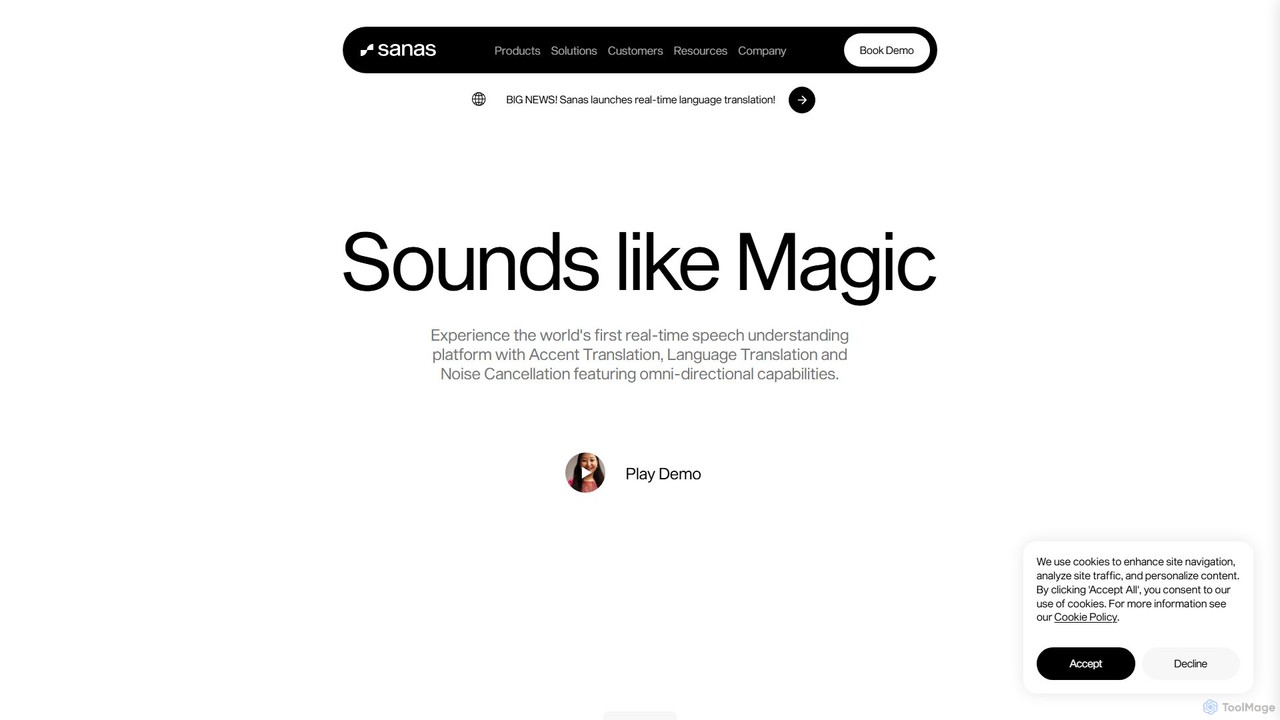
Sanas is a real-time speech understanding AI platform that offers accent translation, language translation, and omni-directional noise cancellation. …

53.3K

About Voice Modulation

Voice Modulation tools are AI-powered applications designed to alter the characteristics of a human voice, such as pitch, timbre, tone, and speed. These tools leverage advanced AI algorithms to analyze vocal input and apply real-time or post-production transformations, enabling users to modify their voice for various creative and practical purposes. They offer a specialized approach within the broader field of speech technology, focusing specifically on changing vocal attributes rather than generating speech from text or cloning voices entirely.

Core Features

  • Real-time Voice Changing: Modifies voice instantly during live communication, streaming, or gaming.
  • Pitch and Timbre Adjustment: Precisely controls the fundamental frequency and tonal quality of a voice.
  • Gender and Age Transformation: Alters vocal characteristics to sound like a different gender or age group.
  • Vocal Effects Application: Adds various effects such as robot, echo, monster, or alien voices.
  • Accent and Tone Shifting: Adjusts vocal patterns to mimic different accents or emotional tones.

Use Cases

Voice modulation tools are widely adopted in content creation, entertainment, and communication. Podcasters use them to create distinct character voices, while gamers and streamers employ real-time modulation for role-playing or anonymity. They are also valuable in media production for dubbing, voiceovers, and adding unique vocal effects to characters, enhancing storytelling and audience engagement.

How to Choose

When selecting a voice modulation tool, consider its real-time performance capabilities, the variety and naturalness of available voice effects, and the precision of pitch and timbre controls. Evaluate its compatibility with your existing software (e.g., streaming platforms, DAWs) and assess the user interface for ease of use. Additionally, review the latency for live applications and compare pricing models to ensure it meets your budget and technical requirements.

Voice ModulationUse Cases

1

Enhance Live Streaming with Character Voices

Live streamers and content creators can use AI voice modulation tools to instantly change their voice during broadcasts. By adopting a robotic, monstrous, or high-pitched voice, they can impersonate game characters, create comedic effects, or maintain anonymity. This enhances viewer engagement and adds a unique layer of entertainment to their streams, allowing for dynamic character portrayal without needing multiple voice actors.

2

Create Diverse Character Voices for Audiobooks

Audiobook narrators and producers can utilize voice modulation to portray multiple characters with distinct vocal qualities. Instead of hiring numerous voice actors, a single narrator can modulate their voice to sound like different genders, ages, or personalities for each character. This streamlines production, reduces costs, and maintains a consistent recording quality across the entire audiobook, enriching the listener's experience.

3

Anonymize Voices for Interviews and Testimonials

Journalists, researchers, and legal professionals can use voice modulation to protect the identity of sources or witnesses. By subtly altering pitch, timbre, or adding a slight effect, the original speaker's voice becomes unrecognizable while still conveying their message clearly. This ensures privacy and security for individuals who wish to remain anonymous, allowing for the ethical collection and presentation of sensitive information.

4

Develop Unique Voices for Virtual Assistants and Bots

Developers of virtual assistants, chatbots, and interactive voice response (IVR) systems can employ voice modulation to create distinct and memorable vocal identities. Modulating a base voice can give a bot a specific personality, gender, or even an accent, making interactions more engaging and brand-aligned. This helps differentiate AI-driven services and improves user experience by providing a more human-like or character-specific interaction.

5

Practice Public Speaking with Voice Tone Adjustment

Individuals practicing public speaking, voice acting, or language learning can use voice modulation tools to refine their vocal delivery. By recording their speech and then analyzing and adjusting elements like pitch, intonation, and speaking rate, they can identify areas for improvement. This allows for targeted practice to achieve a more confident, persuasive, or natural-sounding voice, enhancing their communication skills effectively.

6

Add Theatrical Voice Effects to Podcasts and Videos

Content creators producing dramatic podcasts, short films, or YouTube skits can use voice modulation to add theatrical effects. Transforming a character's voice into that of a monster, ghost, or robot can significantly enhance the narrative and immerse the audience. These tools provide a cost-effective way to achieve professional-grade vocal effects, bringing creative visions to life without extensive audio engineering expertise.

Voice ModulationFrequently Asked Questions