Speech Best in category 2 results Voice Synthesis AI Tool

Popular AI tools in the Voice Synthesis field of Speech include Sesame、Sindarin, etc., helping you quickly improve efficiency.

Sesame

Sesame

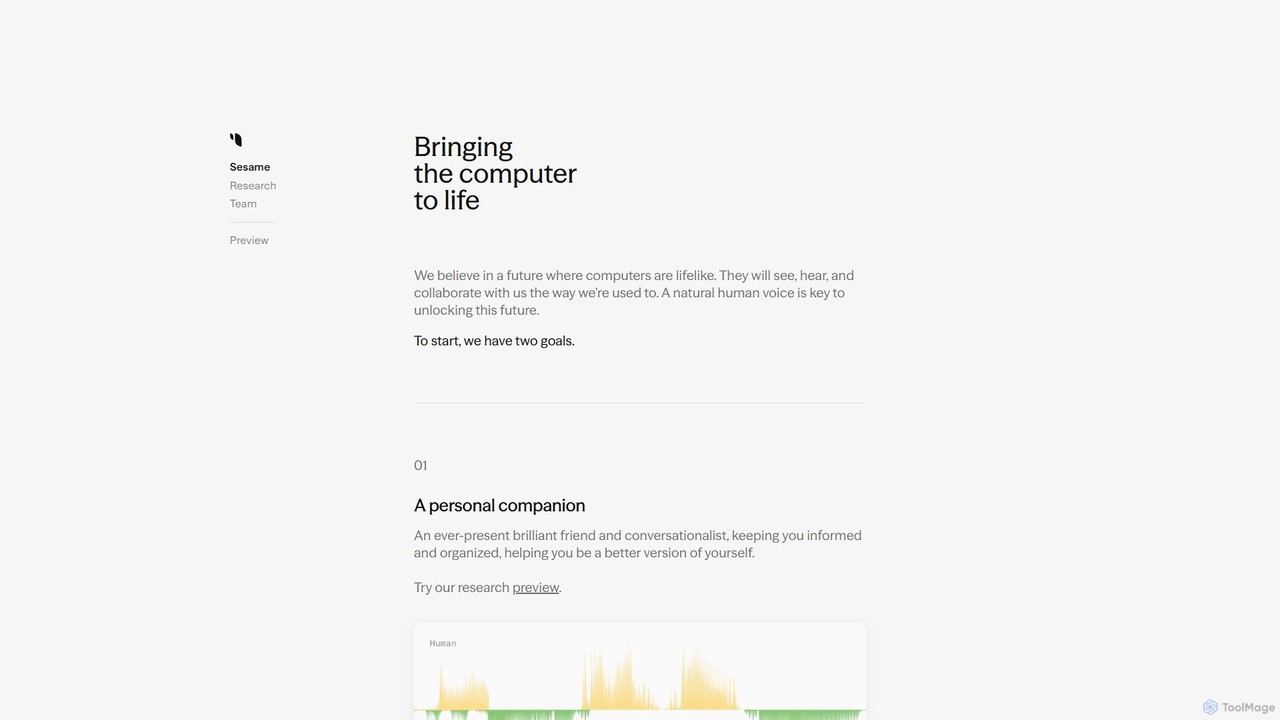
Sesame is developing a lifelike AI personal companion designed to interact through natural, emotionally intelligent conversation. By focusing …

1.1M
Sindarin

Sindarin

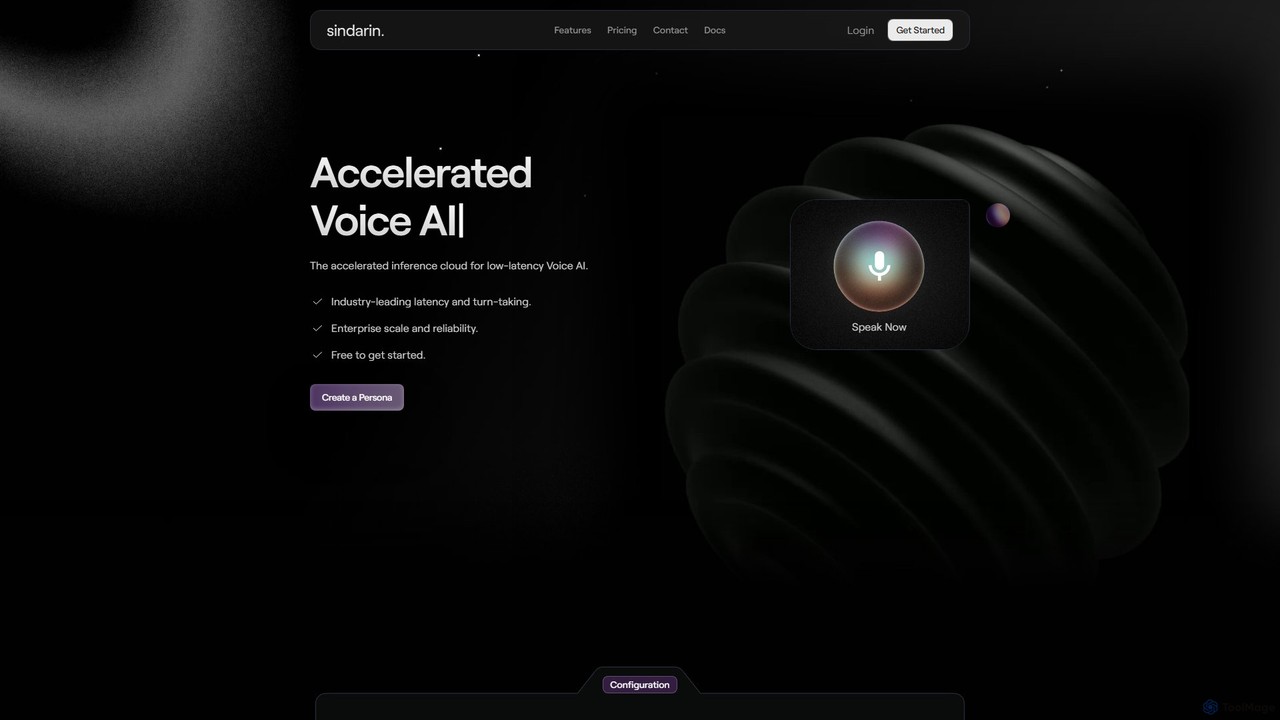
Sindarin is an accelerated cloud platform for developers building low-latency, conversational voice AI. It provides an API and …

5.1K

About Voice Synthesis

Voice Synthesis tools, often called Text-to-Speech (TTS) software, are a class of AI applications that convert written text into audible, human-like speech. These tools utilize advanced deep learning models to generate realistic audio, complete with natural intonation, rhythm, and emotional nuances. Their primary value lies in automating the creation of high-quality voice content for videos, podcasts, and accessibility features, eliminating the need for manual recording. Advanced platforms also offer powerful capabilities like voice cloning and the creation of unique custom voices for brand identity.

Core Features

  • High-Fidelity Voice Generation: Produces clear, natural-sounding speech that is difficult to distinguish from a human voice.
  • Voice Cloning and Customization: Allows users to create a digital replica of a specific voice or design a unique new one.
  • Emotional and Stylistic Control: Provides options to adjust the emotional tone (e.g., happy, sad, angry) and speaking style (e.g., newscaster, conversational).
  • Multi-Language and Accent Support: Offers a wide range of voices across numerous languages and regional accents for global content.
  • SSML Support: Enables fine-grained control over pronunciation, pitch, rate, and pauses using Speech Synthesis Markup Language.

Use Cases

Voice Synthesis tools are widely adopted by content creators for producing YouTube video voiceovers and podcast narrations. In corporate settings, they are used for creating e-learning modules and professional IVR (Interactive Voice Response) systems. Developers also integrate this technology via APIs to build voice-enabled applications and enhance digital accessibility for visually impaired users.

How to Choose

When selecting a Voice Synthesis tool, first evaluate the voice quality and naturalness of the output. Consider the range of customization options, such as voice cloning, emotional controls, and language support. For developers, the availability and documentation of an API are critical. Finally, compare pricing models, which may be based on character count, subscription tiers, or API usage, to find one that aligns with your project's scale.

Voice SynthesisUse Cases

1

Creating Professional Video Voiceovers

Content creators and marketing teams often need high-quality voiceovers for promotional videos, tutorials, or social media content. Instead of hiring voice actors and booking studio time, they use a Voice Synthesis tool. By simply pasting their script into the application, they can select a suitable voice, adjust the tone and pacing, and generate a clean audio file within minutes. This process allows for rapid iteration and easy updates to the script, significantly reducing production time and costs while maintaining a consistent brand voice across all video assets.

2

Generating Audiobooks and Podcast Content

Authors and publishers can transform written books into full-length audiobooks without the high cost of professional narration. By feeding chapters of a manuscript into a Voice Synthesis platform, they can produce hours of consistent audio. Similarly, bloggers and podcasters can convert their articles into audio episodes, expanding their reach to audiences who prefer listening over reading. Advanced tools allow for different voices for different characters and control over pacing to create an engaging listening experience, making content more accessible and versatile.

3

Developing Accessible Applications

Software developers and UX designers use Voice Synthesis APIs to build accessibility features into their products. For instance, a news application can integrate a 'Listen to Article' button that reads the text aloud for visually impaired users or for those who are multitasking. In educational apps, TTS can provide pronunciation guidance for language learners. By leveraging a synthesis API, developers can ensure their applications are inclusive and compliant with accessibility standards like WCAG, providing a better experience for all users without having to build the complex voice technology from scratch.

4

Creating Custom Brand Voices

Businesses aiming for a unique brand identity can use voice cloning features to create an exclusive brand voice. A company can hire a voice actor for a single recording session, and then use a Voice Synthesis tool to clone that voice. This digital voice can then be used consistently across all touchpoints, including advertisements, IVR systems, and in-app assistants. This approach is more cost-effective than repeatedly hiring the actor and ensures a perfectly consistent and recognizable audio brand identity that can be deployed instantly for any new content.

5

Automating Corporate E-Learning Narration

Instructional designers in large organizations are tasked with creating and updating numerous training modules. Manually recording audio for each module is time-consuming and difficult to keep consistent, especially when updates are needed. By using a Voice Synthesis tool, they can generate standardized, clear narration for all courses. If a policy or procedure changes, they only need to update the text and regenerate the audio, ensuring all training materials are current and uniform. This streamlines the entire e-learning development lifecycle and makes localization into different languages much more efficient.

6

Prototyping Voice User Interfaces (VUI)

Designers and developers creating voice-activated applications, such as smart speaker skills or in-car assistants, need to test conversational flows. Instead of implementing complex code for each iteration, they use a Voice Synthesis tool to quickly convert scripts into audio. This allows the team to hear how the dialogue sounds in real-time, identify awkward phrasing, and test the user experience with realistic voice output. This rapid prototyping method accelerates the design process, improves the quality of the final VUI, and allows for more user-centric iteration before committing to development.

Voice SynthesisFrequently Asked Questions