Startup Best in category 2 results Business Tools AI Tool

Popular AI tools in the Business Tools field of Startup include Progr.io、NameBrewery, etc., helping you quickly improve efficiency.

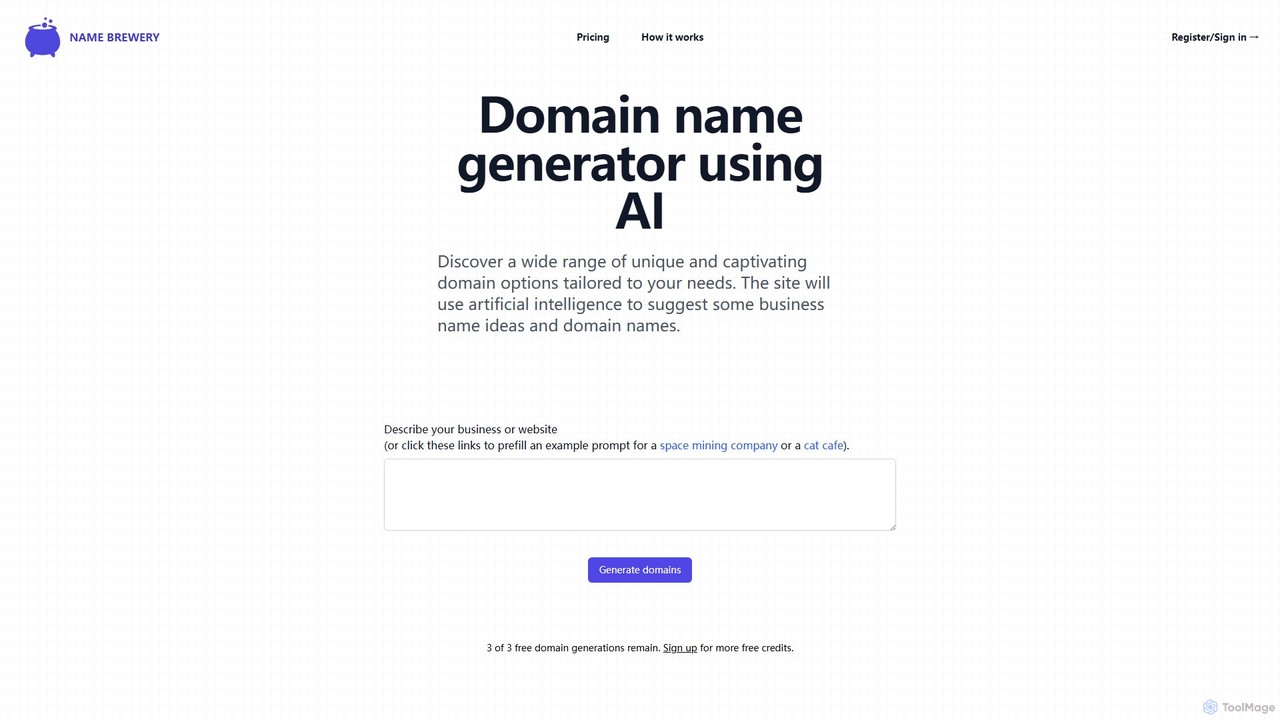
NameBrewery

NameBrewery

NameBrewery is an AI-powered domain name generator that helps you discover unique, brandable, and available domain names. Simply …

4.5K
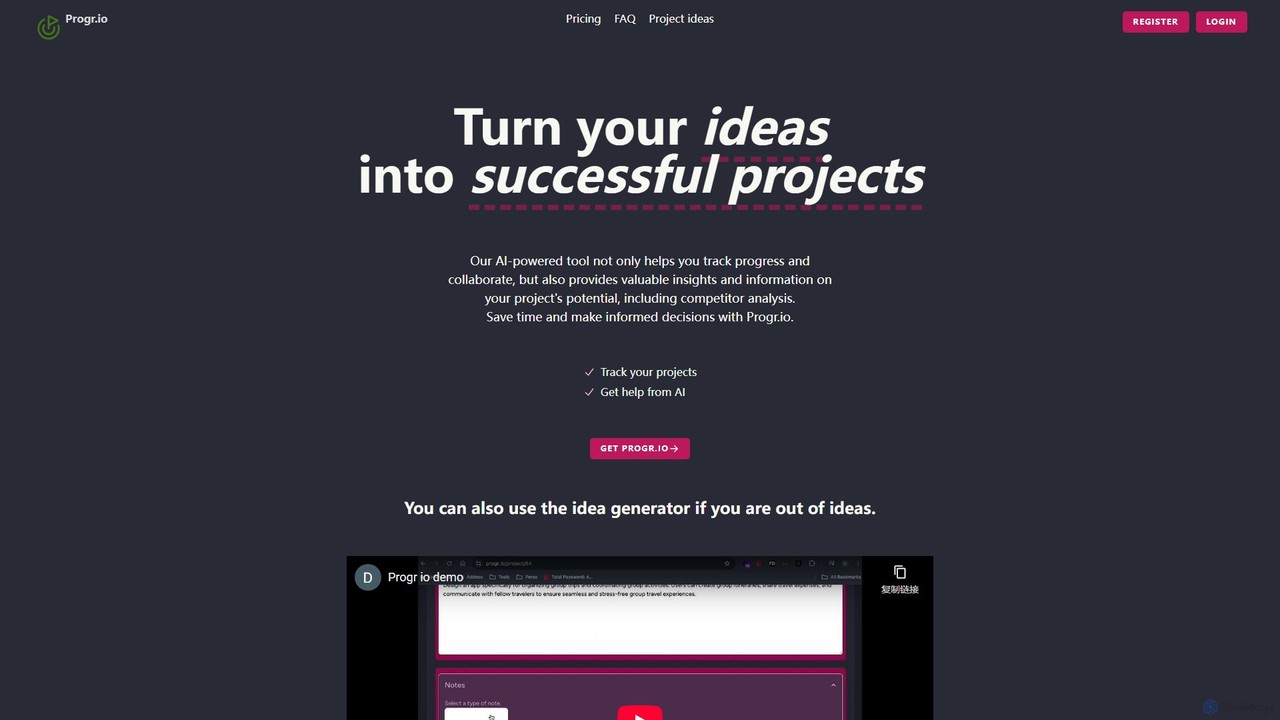
Progr.io

Progr.io

Progr.io is an AI-powered platform designed to transform your ideas into successful projects. It helps you track, organize, …

8.1K

About Business Tools

AI Business Tools are a category of software that leverages artificial intelligence to automate, optimize, and analyze core business operations. These tools utilize machine learning, natural language processing, and predictive analytics to handle tasks in areas like finance, human resources, sales, and project management. They empower startups and established companies to make data-driven decisions, improve operational efficiency, and scale effectively with limited resources. By automating routine processes, these tools free up human teams to focus on strategic growth and innovation.

Core Features

  • Predictive Analytics: Forecasts future trends, sales figures, and customer behavior based on historical data.
  • Process Automation: Automates repetitive tasks such as data entry, invoicing, report generation, and scheduling.
  • Intelligent CRM: Enhances customer relationship management with lead scoring, sentiment analysis, and personalized communication.
  • Financial Analysis: Automates bookkeeping, expense tracking, and provides insights into financial health.
  • HR & Recruitment Management: Streamlines hiring by screening resumes, scheduling interviews, and analyzing employee performance data.

Use Cases

AI Business Tools are widely adopted by startups and small to medium-sized enterprises (SMEs) looking to optimize their operations without significant overhead. Departments such as finance, sales, marketing, and HR use them to automate workflows and gain deeper insights. For example, a sales team can use an AI CRM to prioritize leads, while a finance department can use an AI tool for real-time cash flow forecasting.

How to Choose

When selecting an AI Business Tool, first identify the specific operational bottleneck you need to solve. Evaluate the tool's integration capabilities with your existing software stack (e.g., accounting, project management). Consider its scalability to ensure it can grow with your business. Finally, assess the user interface for ease of use, especially for non-technical team members, and compare pricing models to find one that aligns with your budget.

Business ToolsUse Cases

1

Automating Financial Reporting for Startups

A founder of a seed-stage startup uses an AI business tool to connect their bank accounts and payment gateways. The tool automatically categorizes all transactions, generates real-time profit and loss statements, and creates cash flow forecasts. This eliminates hours of manual spreadsheet work each month, provides investors with accurate, up-to-date reports on demand, and helps the founder make informed decisions about budgeting and spending.

2

Intelligent Lead Scoring for Sales Teams

A small sales team at a B2B SaaS company integrates an AI business tool with their CRM. The AI analyzes data from website interactions, email engagement, and firmographic information to score each new lead. This allows the sales team to instantly identify and prioritize high-intent prospects, resulting in a shorter sales cycle and a 30% increase in conversion rates by focusing efforts where they are most likely to succeed.

3

Streamlining the Hiring Process with AI

An HR manager at a fast-growing tech company uses an AI recruitment tool to manage a high volume of applications. The AI screens resumes, identifying top candidates based on predefined skills and experience criteria, and automatically rejects unqualified applicants. It also uses a chatbot to schedule interviews with the shortlisted candidates, reducing the time-to-hire by 40% and allowing the HR manager to focus on strategic talent acquisition.

4

Predictive Inventory Management for E-commerce

An e-commerce store owner uses an AI business tool to analyze historical sales data, seasonality, and marketing campaign performance. The tool generates accurate demand forecasts for each product. Based on these predictions, it suggests optimal reorder quantities and timings, helping the business avoid stockouts during peak seasons and reduce capital tied up in slow-moving inventory by 25%.

5

Automating Customer Support with AI Chatbots

A SaaS startup implements an AI-powered chatbot on its website and in-app support channels. The chatbot is trained on the company's knowledge base to instantly answer common customer questions about pricing, features, and troubleshooting. This resolves over 60% of incoming support queries automatically, 24/7, leading to faster response times and higher customer satisfaction, while freeing up human agents to handle more complex, high-value interactions.

6

Optimizing Project Management with AI Assistants

A project manager for a remote team uses an AI-powered business tool integrated with their project management platform. The AI assistant helps by automatically assigning tasks based on team member skills and availability, identifying potential project risks by analyzing progress data, and generating weekly status reports for stakeholders. This automation saves the project manager several hours per week and improves project predictability and on-time delivery rates.

Business ToolsFrequently Asked Questions