Startup Best in category 7 results Idea Validation AI Tool

Popular AI tools in the Idea Validation field of Startup include ProdMoh AI、Blitzer、IdeaScore、EpicStart、Findnlink、Product Roaster、yclens, etc., helping you quickly improve efficiency.

Blitzer

Blitzer

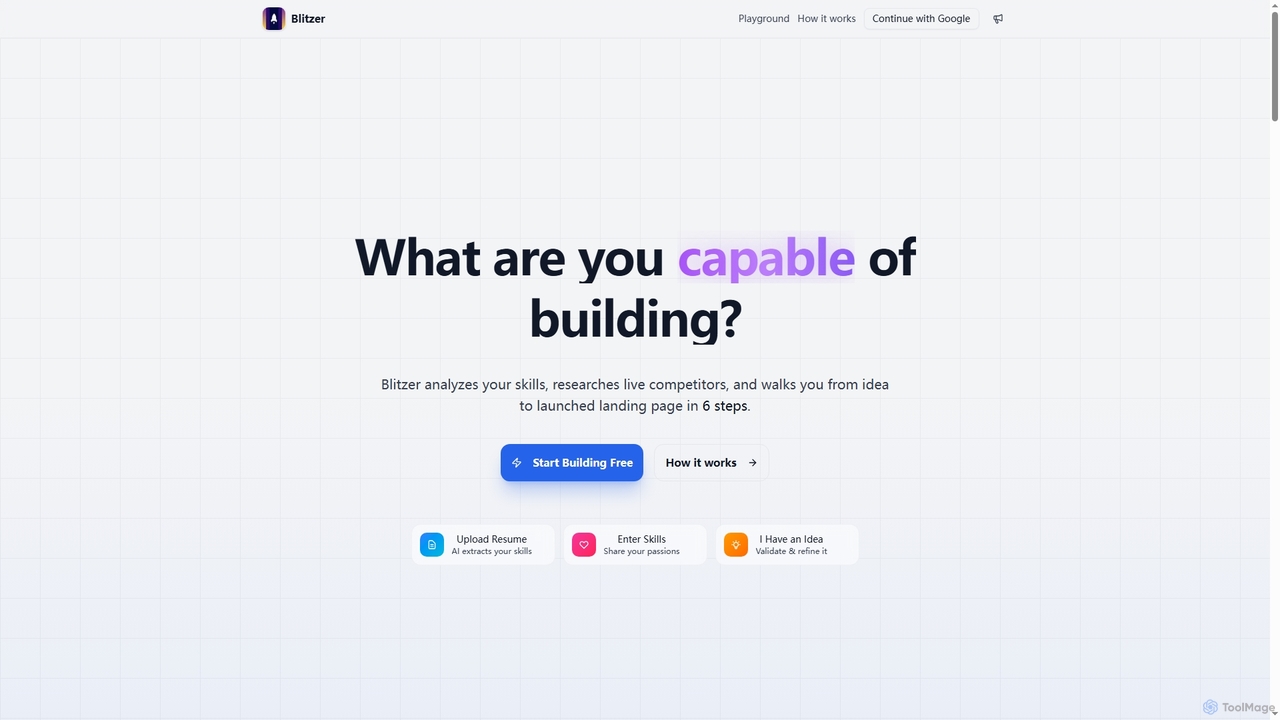
Blitzer is an AI-powered co-founder that guides entrepreneurs and builders from a skill-set or initial idea to a …

3.2K
ProdMoh AI

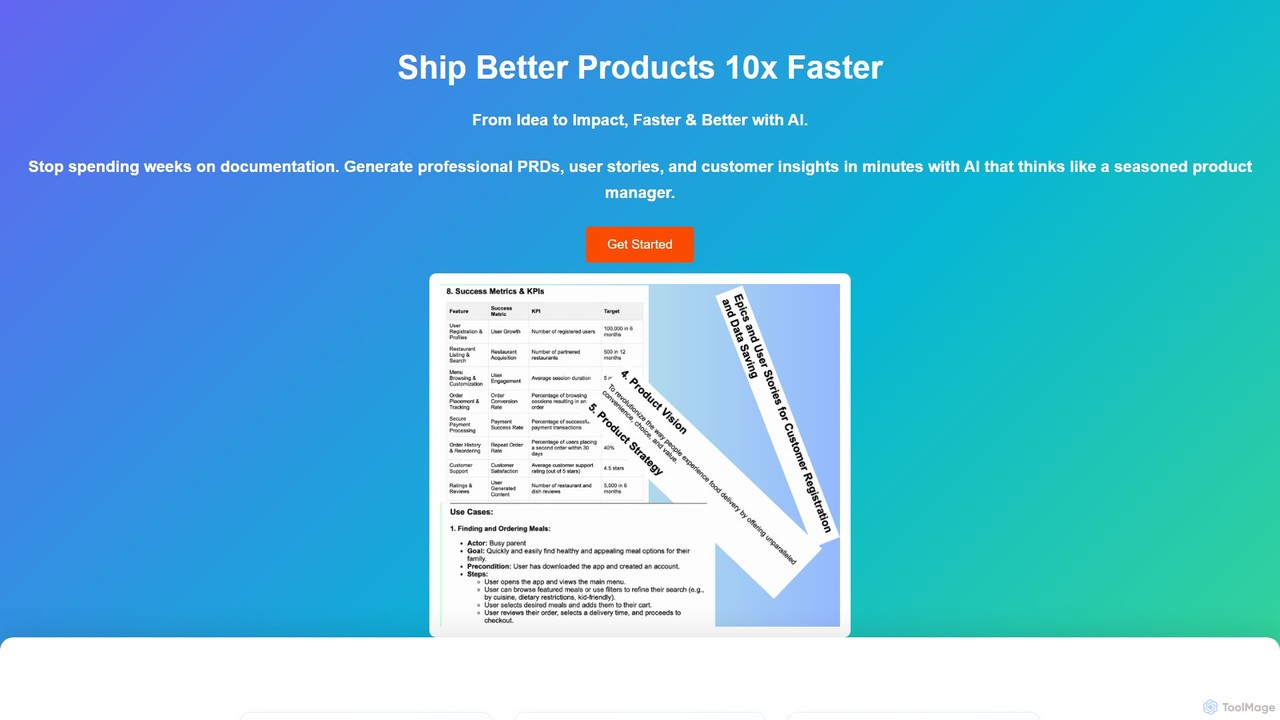
ProdMoh AI

ProdMoh AI is an advanced AI assistant designed for product managers, founders, and business analysts. It streamlines product …

3.9K
Findnlink

Findnlink

Findnlink is an AI-powered platform that transforms your raw ideas into fully structured projects in under a minute. …

2.5K
EpicStart

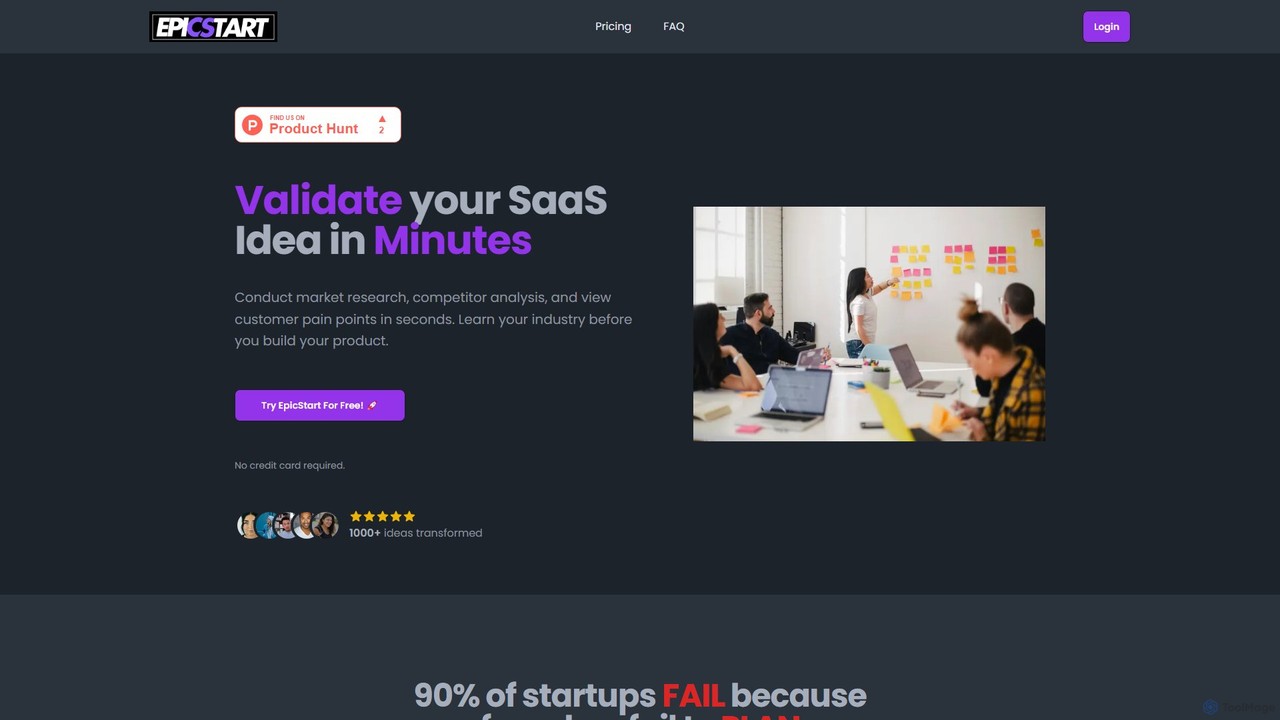
EpicStart

EpicStart is an AI-powered platform for entrepreneurs to validate SaaS ideas in minutes. It automates market research, competitor …

2.5K
Product Roaster

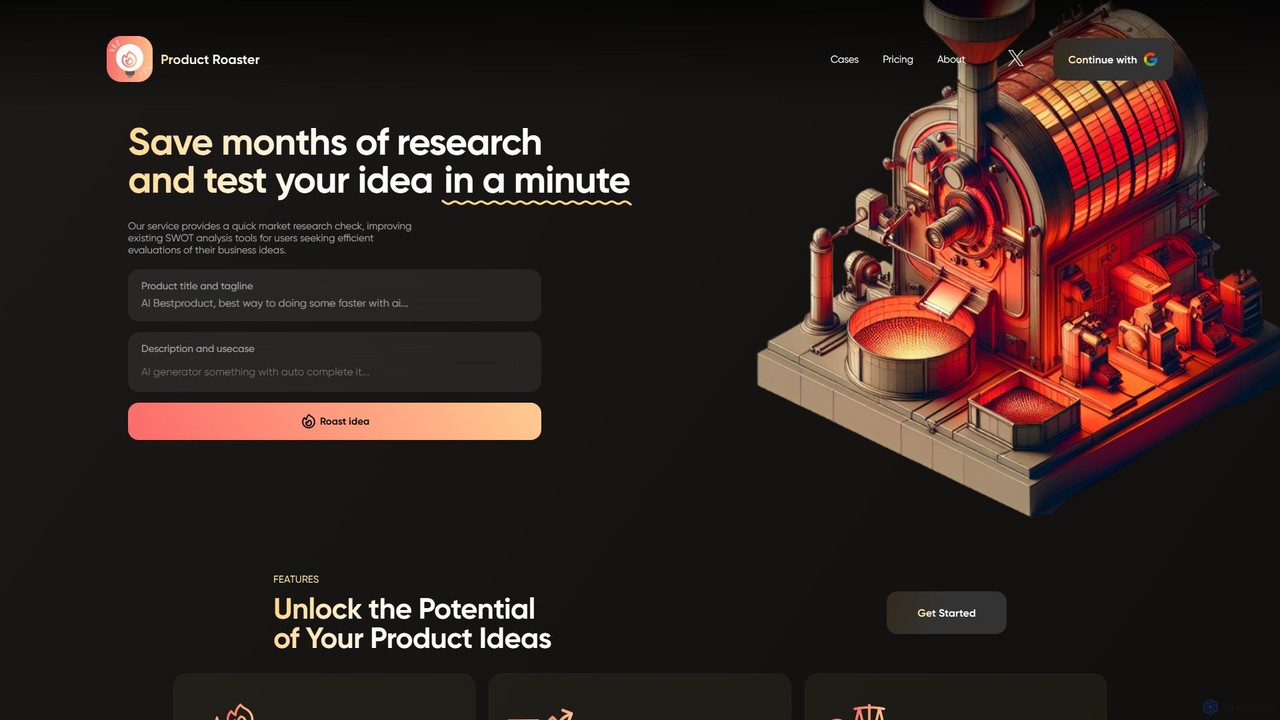
Product Roaster

Product Roaster is an AI-powered platform for entrepreneurs to validate business ideas. It provides rapid market research, AI-driven …

2.5K
Free
IdeaScore

IdeaScore

IdeaScore is an AI-powered tool designed for entrepreneurs and innovators to validate their business ideas. By analyzing key …

2.5K
yclens

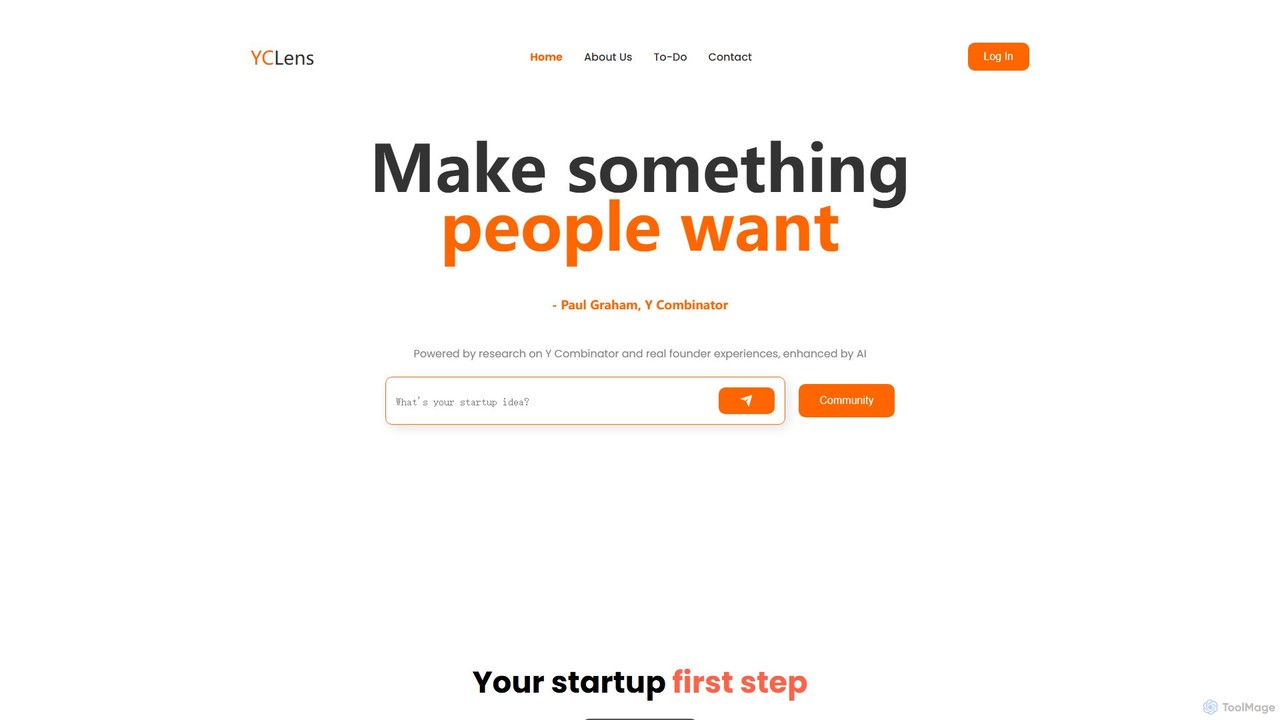
yclens

yclens is an AI-powered startup hub designed for entrepreneurs. It leverages insights from Y Combinator and real founder …

2.4K

About Idea Validation

Idea Validation tools are AI-powered platforms designed to rigorously assess the viability and potential of new business concepts, products, or features. These tools leverage advanced algorithms to analyze market data, consumer trends, and competitive landscapes, providing data-driven insights. They help entrepreneurs, product managers, and innovators make informed decisions, minimizing risks and optimizing resource allocation before significant investment in a startup or new venture.

Core Features

  • Market Research Automation: Automatically gathers and analyzes data from various online sources, including social media, forums, and competitor websites, to identify trends and sentiment.
  • Target Audience Profiling: Creates detailed profiles of potential customers based on demographic, psychographic, and behavioral data, helping to define the ideal user.
  • Competitor Analysis: Identifies direct and indirect competitors, analyzes their strengths, weaknesses, and market positioning to uncover unique selling propositions and market gaps.
  • Feasibility Scoring & Prediction: Provides quantitative scores and predictive analytics on an idea's market potential, revenue forecasts, and potential challenges.
  • Feedback Analysis: Processes and categorizes qualitative feedback from surveys, interviews, and user tests, extracting key insights and sentiment at scale.

Use Cases

These tools are invaluable for entrepreneurs launching new ventures, product teams evaluating feature roadmaps, and marketing strategists assessing campaign concepts. They provide a structured, data-driven approach to confirm market demand, identify potential pitfalls, and refine offerings, ensuring that resources are directed towards ideas with the highest probability of success.

How to Choose

When selecting an AI idea validation tool, consider its data sources and integration capabilities, ensuring it can access relevant market information. Evaluate the depth of its analytical features, such as predictive modeling and sentiment analysis, for comprehensive insights. Assess its user-friendliness and visualization options for clear interpretation of complex data. Finally, compare pricing models and scalability to match your budget and growth needs.

Idea ValidationUse Cases

1

Validate New Product Market Fit

Product managers and startup founders use AI idea validation tools to quickly assess if a new product concept or feature set aligns with market demand. By inputting product descriptions and target audience segments, the AI analyzes existing market data, competitor offerings, and consumer sentiment to provide a feasibility score and highlight potential market gaps or overlaps. This helps in making data-driven decisions on whether to proceed with development, pivot, or refine the product strategy, saving significant development costs and time.

2

Identify Niche Market Opportunities

Entrepreneurs seeking to enter new markets or create specialized products can leverage AI idea validation tools to uncover underserved niches. By analyzing vast datasets of consumer discussions, search queries, and existing product reviews, the AI can pinpoint specific unmet needs or frustrations within broader markets. This allows innovators to develop highly targeted solutions that resonate deeply with a specific segment, increasing the likelihood of market penetration and reducing direct competition.

3

Optimize Feature Prioritization

Product development teams use AI idea validation to prioritize features for upcoming releases. Instead of relying solely on intuition or limited user feedback, the AI analyzes user reviews, support tickets, and competitor feature sets to identify which features are most desired, solve critical pain points, or offer a competitive advantage. This data-driven approach ensures that development efforts are focused on features that will deliver the highest value to users and the business, leading to more impactful product iterations.

4

Pre-launch Marketing Campaign Testing

Marketing teams can utilize AI idea validation tools to test the effectiveness of pre-launch campaign concepts, messaging, and visuals. By simulating audience reactions based on historical data and sentiment analysis, the AI can predict which campaign elements are most likely to resonate with the target demographic. This allows marketers to refine their strategies before going live, ensuring higher engagement rates, better conversion, and a more efficient allocation of advertising budgets, ultimately leading to a stronger market entry for new products.

5

Evaluate Business Model Viability

Startup founders and business strategists employ AI idea validation tools to assess the viability of different business models. By inputting various revenue streams, pricing strategies, and operational costs, the AI can simulate market responses and predict financial outcomes. This helps in understanding which business model is most sustainable and scalable, identifying potential bottlenecks, and refining the overall strategic direction of a new venture before committing significant capital, thereby reducing the risk of failure.

6

Gather & Analyze User Feedback at Scale

Researchers and product teams utilize AI idea validation tools to efficiently gather and analyze large volumes of qualitative user feedback from surveys, interviews, and open-ended questions. The AI can automatically categorize responses, identify recurring themes, extract sentiment, and highlight critical insights that might be missed by manual review. This capability allows for a deeper understanding of user needs, pain points, and preferences, enabling faster iteration and more informed product development decisions based on comprehensive user perspectives.

Idea ValidationFrequently Asked Questions