
ToolMage
Sign in

Best 1 Incubators AI tools for Startup

Popular Incubators AI tools in Startup include Backdrop Build, helping you work more efficiently.

Backdrop Build
Free

Backdrop Build

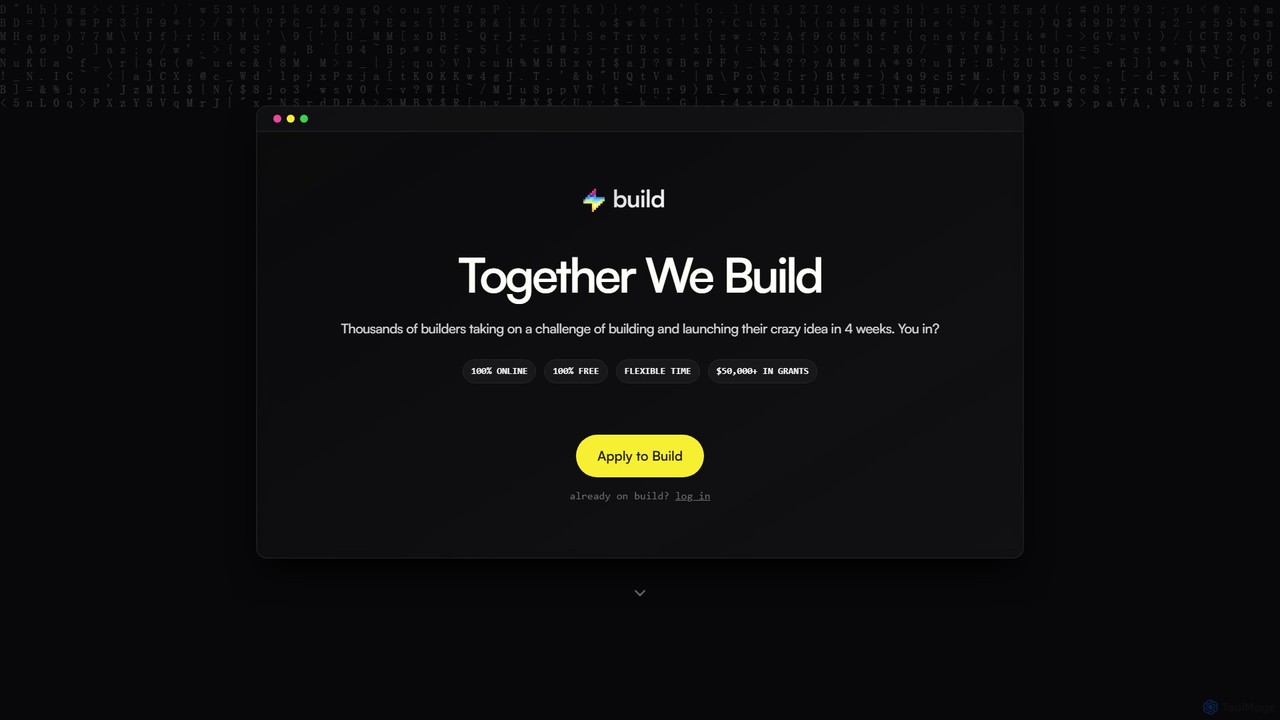
Backdrop Build is a free, 4-week online program for builders and developers to launch their ideas. It offers a supportive community, expert feedback, and over $50,000 in grants to help turn concepts in AI, Crypto, Gaming, and Open Source into reality.

Networking
Visits 5.4KFavorites 109Likes 110

About Incubators

AI Incubators are specialized programs designed to nurture early-stage AI startups, providing them with essential resources and strategic guidance. These platforms leverage a structured environment to accelerate the development of innovative AI solutions, offering critical support from concept validation to market entry. They aim to transform promising AI ideas into viable businesses by fostering growth and mitigating common startup challenges.

Core Features

  • AI-Specific Mentorship: Expert guidance from seasoned entrepreneurs and AI specialists on technology, product, and business strategy.
  • Access to AI Infrastructure: Provision of cloud credits, specialized APIs, and high-performance computing resources crucial for AI model training and deployment.
  • Funding & Investor Network: Opportunities for seed funding, introductions to venture capitalists, and support in preparing investor pitches.
  • Business Development Support: Assistance with market research, go-to-market strategies, legal compliance, and team building tailored for AI ventures.
  • Community & Collaboration: A vibrant ecosystem for networking with peers, potential partners, and industry leaders within the AI startup landscape.

Applicable Scenarios

AI Incubators are ideal for founders with innovative AI concepts seeking structured support to build and scale their ventures. They are particularly beneficial for teams developing complex AI models, needing significant computational resources, or navigating the unique ethical and regulatory challenges of AI. Startups aiming for rapid product iteration and market validation also find immense value in these programs.

How to Choose

When selecting an AI Incubator, consider its specific focus (e.g., industry vertical, technology stack), the quality and relevance of its mentor network, and the depth of technical resources provided. Evaluate the program's track record, the equity stake it requires, and the post-incubation support offered. Ensure the program's values and community align with your startup's vision and needs.

Featured tool rankings

Incubators use cases

1

Accelerating Early-Stage AI Product Development

An individual founder or small team with a novel AI concept can join an incubator to rapidly prototype and develop their minimum viable product (MVP). The incubator provides access to cloud computing resources, specialized AI libraries, and expert technical mentorship, allowing the team to iterate quickly, test hypotheses, and build a functional AI solution within a compressed timeframe, significantly reducing initial development costs and time-to-market.

2

Securing Seed Funding and Investor Connections

A nascent AI startup struggling to attract initial investment can leverage an incubator's investor network and pitch coaching. Incubator programs often culminate in demo days where startups present to a curated audience of venture capitalists and angel investors. This structured exposure, combined with refined business plans and presentation skills, significantly increases the startup's chances of securing crucial seed funding to fuel further growth and operations.

3

Validating Market Fit for AI Solutions

A startup with a developed AI prototype needs to validate its market fit and gather early user feedback. An AI incubator facilitates this by connecting the startup with potential pilot customers, industry partners, and market research experts. Through structured feedback sessions and guided market analysis, the startup can refine its product features, pricing strategy, and target audience, ensuring its AI solution addresses a genuine market need effectively.

4

Navigating AI-Specific Regulatory and Ethical Challenges

Founders developing AI solutions in sensitive sectors like healthcare or finance face complex regulatory and ethical hurdles. An AI incubator provides specialized legal and compliance guidance, connecting startups with experts in data privacy (e.g., GDPR, HIPAA) and AI ethics. This support helps the startup design compliant and responsible AI systems from the outset, mitigating future legal risks and building user trust.

5

Building a Strong and Diverse AI Team

An AI startup often requires a diverse skill set, from machine learning engineers to data scientists and business strategists. Incubators offer recruitment support, connecting founders with talent pools and providing resources for team building workshops. This helps startups attract and onboard skilled individuals, fostering a collaborative environment essential for developing robust AI products and scaling operations effectively.

6

Scaling AI Operations and Infrastructure

As an AI startup gains traction, scaling its models and infrastructure becomes critical. An incubator can provide strategic advice on cloud architecture optimization, MLOps best practices, and cost-effective scaling solutions. This guidance ensures the startup can handle increased user loads, manage growing datasets, and deploy new AI features efficiently, preventing technical bottlenecks that could hinder growth.

Incubators FAQ

What are AI Incubators?

AI Incubators are structured programs designed to support and accelerate the growth of early-stage artificial intelligence startups. They provide a comprehensive ecosystem of resources, including mentorship from industry experts, access to advanced AI infrastructure and tools, strategic business development guidance, and crucial connections to investor networks. Their primary goal is to help AI ventures transform innovative ideas into sustainable, market-ready products and businesses.

How do AI Incubators differ from AI Accelerators?

While both support AI startups, AI Incubators typically focus on very early-stage companies, often helping founders refine their initial concept and build a minimum viable product (MVP) over a longer, less structured period. AI Accelerators, conversely, target slightly more mature startups with an existing product or prototype, aiming for rapid growth and investor readiness within a shorter, intensive, fixed-term program, usually culminating in a demo day.

Who should consider applying to an AI Incubator?

AI Incubators are ideal for aspiring entrepreneurs, researchers, or small teams with innovative AI-driven ideas or early-stage prototypes. They are particularly beneficial for those who need structured guidance in business strategy, technical development, market validation, and fundraising. Founders seeking to leverage a supportive community, expert mentorship, and specialized AI resources to navigate the complexities of launching an AI startup will find significant value.

What key benefits do AI Incubators offer to startups?

AI Incubators offer several critical benefits. These include unparalleled access to experienced mentors with deep AI and business expertise, significant computational resources (like cloud credits) essential for AI development, and direct pathways to potential investors and funding opportunities. Additionally, they provide a collaborative environment for networking with peers, structured workshops on business and technical skills, and support in navigating legal and ethical considerations specific to AI.

What factors should I consider when choosing an AI Incubator?

When selecting an AI Incubator, evaluate its specialization and alignment with your startup's industry or technology. Assess the quality and relevance of its mentor network, ensuring they have experience in your specific AI domain. Consider the resources provided, such as cloud credits, technical tools, and office space. Also, examine the program's track record, the equity stake it typically takes, and the strength of its alumni network and post-program support. Finally, ensure the program's culture and community fit your team's needs.