ToolMage
Sign in

Best 4 Text Generation AI tools for Text

Popular Text Generation AI tools in Text include HandtextAI, Stable Horde, Write With Transformer, and Andes, helping you work more efficiently.

Stable Horde
Free

Stable Horde

Stable Horde is a free, open-source, and crowd-sourced distributed cluster for AI image and text generation. It allows anyone to access powerful AI models by leveraging the volunteer-contributed computing power of a global community, without needing their own high-end hardware.

Api
Visits 34.6KFavorites 90Likes 92
HandtextAI
Freemium

HandtextAI

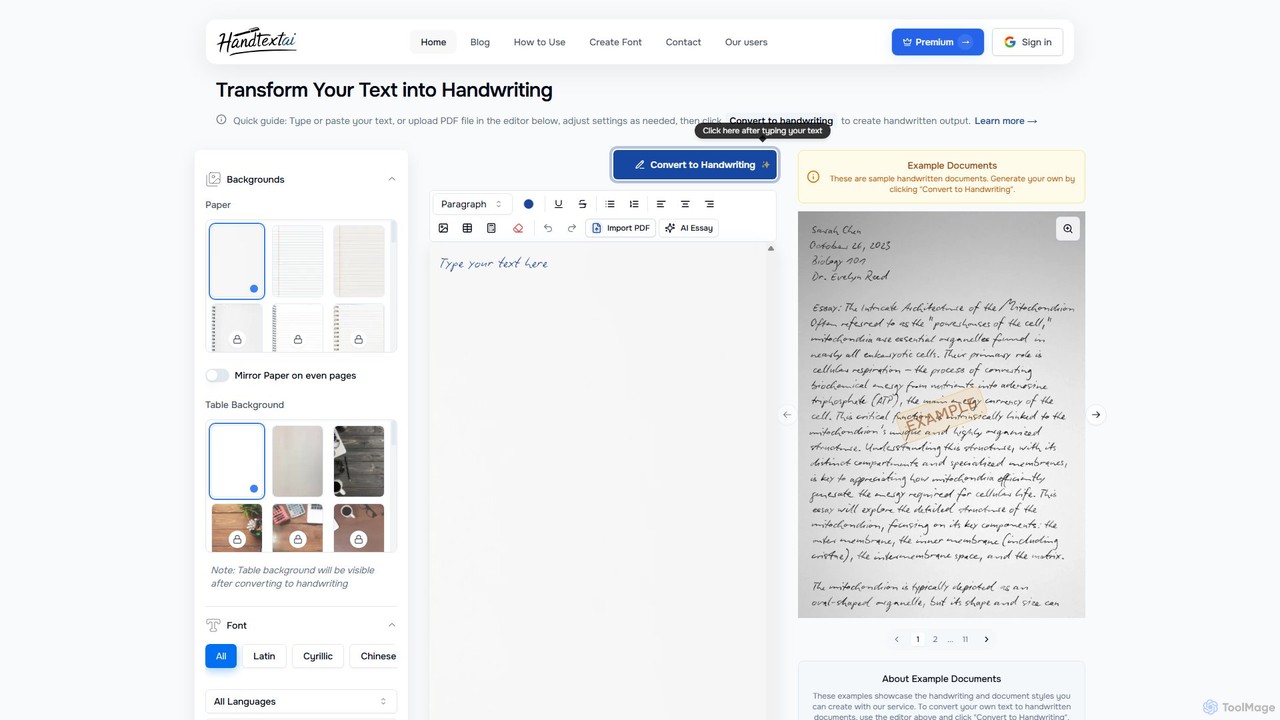
HandtextAI is an AI-powered tool that converts digital text into realistic, customizable handwritten documents. It supports various inputs like typed text, PDFs, and DOCX files, offering over 90 fonts, diverse paper styles, and advanced effects to create authentic-looking notes, assignments, and letters.

Student Tools
Visits 217.4KFavorites 138Likes 155
Andes
Freemium

Andes

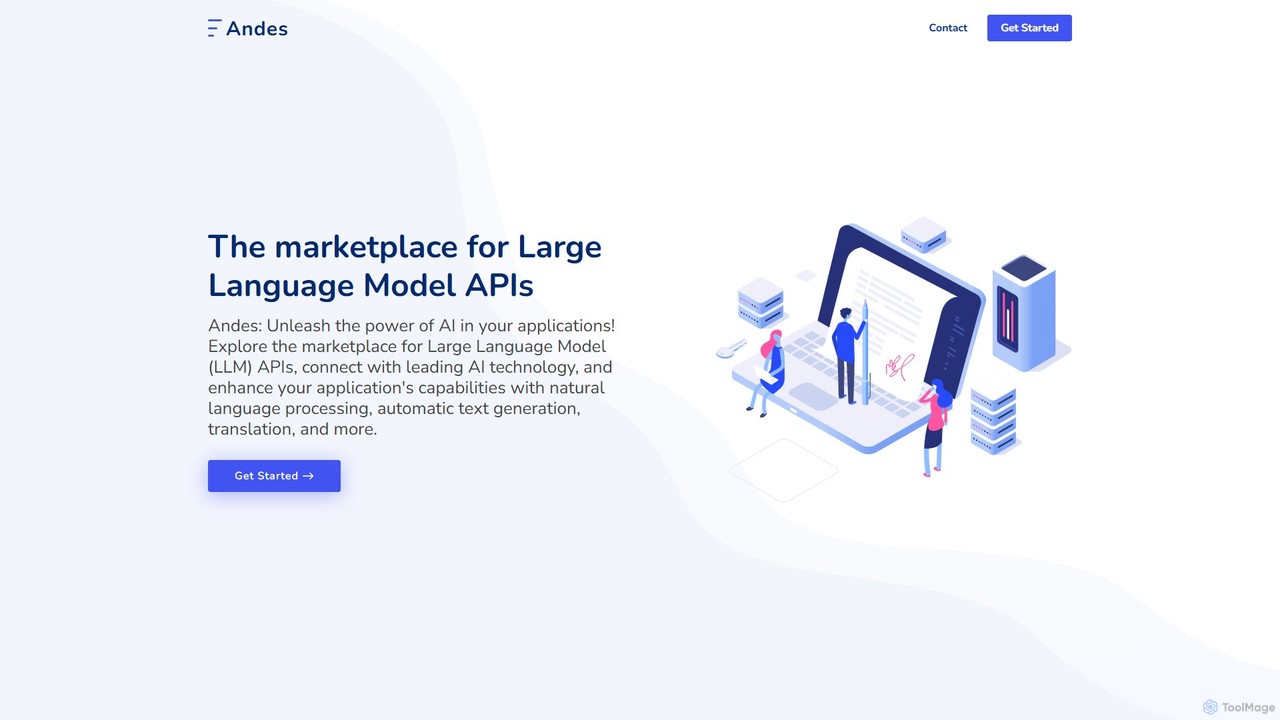
Andes is a unified API marketplace for developers, providing access to a wide range of Large Language Models (LLMs) through a single, streamlined interface. It simplifies the integration of advanced AI capabilities like text generation, NLP, and translation into applications.

Infrastructure
Visits 3.4KFavorites 111Likes 99
Write With Transformer
Free

Write With Transformer

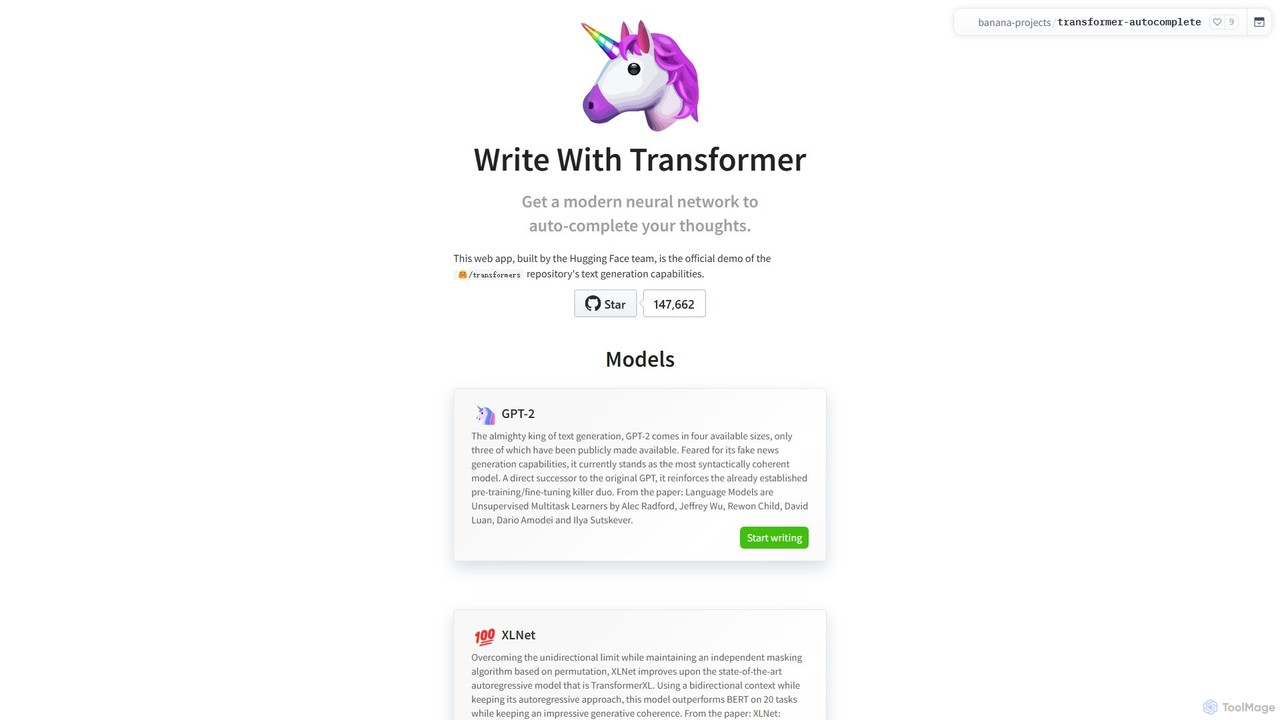
An official Hugging Face demo showcasing the text generation capabilities of various Transformer models. This web app allows users to experience real-time AI-powered text autocompletion with models like GPT-2, XLNet, and DistilGPT-2, serving as an intelligent writing assistant and an educational tool for developers and writers.

Developer Tools
Visits 5.8KFavorites 106Likes 90

About Text Generation

Text Generation tools are AI-powered applications that automatically produce human-like written content. Leveraging advanced natural language processing (NLP) and large language models (LLMs), they can create diverse forms of text from simple prompts or structured data. These tools significantly enhance productivity for content creators, marketers, and developers by automating writing tasks and generating creative ideas. They represent a specialized segment within broader AI text tools, focusing specifically on content creation rather than just analysis or editing.

Core Features

  • Content Creation: Generate articles, blog posts, marketing copy, and creative stories.
  • Summarization: Condense long documents or articles into concise summaries.
  • Paraphrasing & Rewriting: Rephrase existing text to avoid plagiarism or adapt tone.
  • Idea Generation: Brainstorm topics, headlines, and outlines for various content types.
  • Code Generation: Assist developers by generating code snippets or entire functions.

Use Cases

Content marketers utilize text generation for campaign copy, bloggers draft articles faster, and businesses automate customer service responses. Developers can also use them for code snippets, and researchers for summarizing papers.

How to Choose

Key selection criteria include output quality and coherence, customization options for tone and style, integration capabilities with existing workflows, and the range of supported languages and underlying AI models. Consider ease of use and specific use case alignment.

Featured tool rankings

Text Generation use cases

1

Crafting Engaging Marketing Copy for Campaigns

Marketing professionals can utilize text generation tools to quickly produce a variety of ad copy, social media posts, and email subject lines. By inputting product features or campaign goals, the AI generates multiple compelling options, saving hours of manual brainstorming and writing. This accelerates content deployment and allows for A/B testing different messages efficiently.

2

Accelerating Blog Post and Article Creation

Content creators and bloggers can leverage AI text generation to overcome writer's block and speed up the drafting process. Users provide a topic, keywords, and desired tone, and the tool generates outlines, paragraphs, or even full drafts. This enables them to produce high-quality, SEO-optimized content more consistently and frequently, maintaining a strong online presence.

3

Automating Product Descriptions for E-commerce

E-commerce businesses with large inventories can use text generation tools to automatically create unique and persuasive product descriptions. By feeding the AI product specifications and key selling points, it generates engaging descriptions tailored for different platforms, ensuring consistency and saving significant time compared to manual writing for hundreds or thousands of items.

4

Personalizing Customer Service Interactions

Customer support teams can integrate text generation AI to draft personalized and contextually relevant responses to common inquiries. Based on customer queries and historical data, the AI suggests or generates replies, ensuring quick, consistent, and empathetic communication. This reduces response times and improves customer satisfaction without sacrificing a human touch.

5

Assisting with Academic Writing and Research

Students and researchers can use text generation tools to help with various academic tasks, such as summarizing research papers, generating literature review drafts, or rephrasing complex concepts. While not for plagiarism, it aids in structuring arguments, refining language, and overcoming initial writing hurdles, making the research and writing process more efficient.

6

Sparking Creative Content and Story Ideas

Writers, screenwriters, and game developers can employ text generation AI to brainstorm plot twists, character dialogues, or entire story concepts. By providing initial prompts or themes, the AI can generate diverse creative narratives, helping to explore new directions and overcome creative blocks. This serves as a powerful co-creation partner for imaginative projects.

Text Generation FAQ

What are AI Text Generation tools?

AI Text Generation tools are software applications that use artificial intelligence, primarily large language models (LLMs), to automatically create written content. They take prompts, keywords, or data as input and produce human-like text, ranging from short summaries to full articles. Their core purpose is to automate and assist in content creation, significantly boosting productivity for various writing tasks.

How do AI Text Generation tools function?

These tools operate by leveraging sophisticated neural networks, particularly transformer models, trained on vast datasets of text. When given a prompt, the AI predicts the most probable sequence of words to generate coherent and contextually relevant output. This involves understanding patterns, grammar, style, and factual information from its training data to construct new, original text.

What are the main benefits of using AI Text Generation?

The primary benefits include significant time savings in content creation, overcoming writer's block, and generating diverse content variations quickly. They help maintain content consistency, scale content production, and optimize text for specific purposes like SEO or marketing. Users can also explore creative ideas and refine existing drafts more efficiently, leading to enhanced productivity and output quality.

How do AI Text Generation tools differ from traditional writing assistants?

Traditional writing assistants (like grammar checkers or spell checkers) primarily focus on refining and correcting existing text. In contrast, AI Text Generation tools actively *create* new content from scratch based on user prompts. While both aim to improve writing, generation tools are proactive content producers, whereas assistants are reactive editors, making them distinct in their core functionality and application.

What should I consider when choosing an AI Text Generation tool?

When selecting a tool, evaluate the quality and naturalness of its output, ensuring it aligns with your brand's voice. Consider the range of content types it can generate, customization options for tone and style, and supported languages. Look into its integration capabilities with your existing platforms, pricing models, and the level of customer support. User-friendliness and ethical considerations regarding AI-generated content are also crucial.