Translation Best in category 1 results Audio Translation AI Tool

Popular AI tools in the Audio Translation field of Translation include AIDubbing, etc., helping you quickly improve efficiency.

Free
AIDubbing

AIDubbing

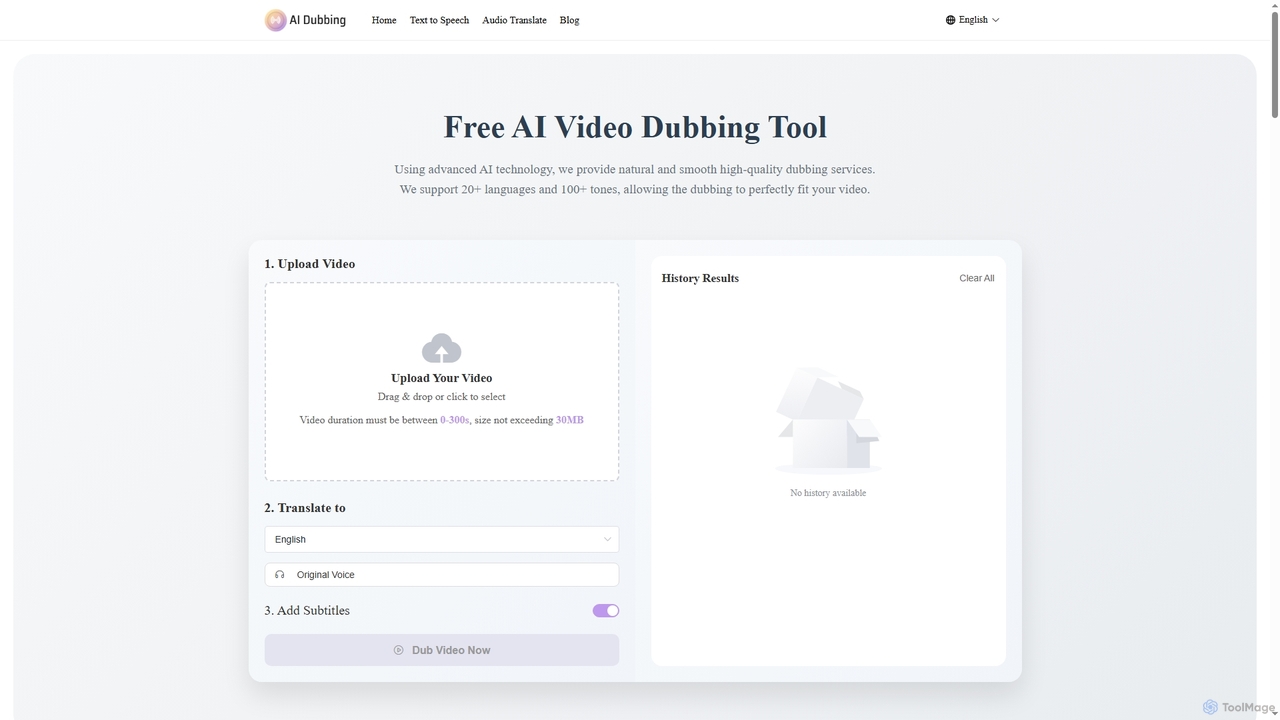
AIDubbing is a free online AI tool for high-quality video dubbing, text-to-speech, and audio translation. It supports over …

202.2K

About Audio Translation

Audio Translation tools are a specialized class of AI that directly convert spoken content from a source language into audible speech in a target language. These tools integrate multiple technologies, typically combining Automatic Speech Recognition (ASR) to transcribe the original audio, Machine Translation (MT) to convert the text, and advanced Text-to-Speech (TTS) synthesis to generate the final audio output. Their primary value lies in making audio-visual content like podcasts, lectures, and training videos globally accessible without the high costs and long timelines of traditional dubbing. Many advanced platforms also feature voice cloning to preserve the original speaker's vocal identity for a more authentic listening experience.

Core Features

  • Speech-to-Speech Translation: Directly converts an audio file from one language to a spoken audio file in another, streamlining the localization workflow.
  • Voice Cloning: Replicates the original speaker's voice characteristics, including tone, pitch, and cadence, in the translated audio output.
  • Speaker Diarization: Automatically identifies and distinguishes between multiple speakers in the source audio, assigning unique voices in the translation.
  • Emotion and Intonation Preservation: Captures and transfers the emotional nuances and prosody of the original speech to the translated version.
  • Transcript Editing: Allows users to review and edit the auto-generated transcript before the final translated audio is synthesized, ensuring accuracy.

Use Cases

Audio Translation tools are widely used by content creators, e-learning platforms, and multinational corporations. For instance, a podcaster can use these tools to release episodes in multiple languages simultaneously. A corporate training department can efficiently localize instructional videos for a global workforce, maintaining the instructor's authoritative tone. Media companies also leverage this technology for rapid dubbing of news reports or documentaries.

How to Choose

When selecting an Audio Translation tool, consider the following: First, evaluate the accuracy of the translation and the naturalness of the synthesized voice. Second, assess the quality of the voice cloning feature and its ability to capture the original speaker's essence. Third, check the range of supported languages and dialects. Finally, consider the tool's ability to handle multiple speakers and preserve the nuances of the original conversation, as well as its integration capabilities with your existing video or audio editing workflows.

Audio TranslationUse Cases

1

Podcast Localization for Global Audience Growth

A content creator who runs a popular English-language tech podcast wants to expand their audience into Spanish and German-speaking markets. They use an AI Audio Translation tool to process their weekly episode files. The tool first transcribes the English audio, translates the script, and then generates new Spanish and German audio tracks using a clone of the host's voice. This maintains brand consistency and provides an authentic listening experience, helping them grow their international listener base without hiring multiple voice actors.

2

Dubbing Corporate Training Videos Efficiently

A human resources department at a multinational corporation needs to distribute a mandatory safety training video to its global offices. Instead of a lengthy and expensive traditional dubbing process for each language, they upload the English video to an AI Audio Translation platform. The tool identifies the narrator's voice, translates the content into French, Mandarin, and Portuguese, and generates new audio tracks that preserve the instructor's clear and authoritative tone. This ensures consistent and timely training for all employees worldwide.

3

Making E-Learning Courses Globally Accessible

An online education platform wants to enter the Japanese and Korean markets with its popular data science courses. To make the content engaging, they use an AI Audio Translation tool to dub the video lectures. The tool's speaker diarization feature correctly identifies the main instructor and guest speakers, applying distinct, cloned voices to each. This preserves the conversational format of the lectures and makes the complex subject matter more accessible and engaging for students in new regions.

4

Rapid Dubbing for News and Documentaries

A digital media outlet needs to quickly publish an investigative documentary in multiple languages to coincide with a global event. Time is critical. They use an AI audio translation service that offers fast processing. The original English narration is translated and dubbed into five languages in a matter of hours, not weeks. The tool's ability to preserve the serious and urgent tone of the original narrator is key to maintaining the documentary's impact across different cultures.

5

Cost-Effective Dubbing for Independent Films

An independent filmmaker wants to submit their feature film to international festivals but has a limited budget for localization. They use an AI Audio Translation tool as a cost-effective alternative to hiring a full cast of voice actors. The tool's speaker diarization feature distinguishes between the film's five main characters. The filmmaker can then assign or fine-tune a unique cloned voice for each character, creating a multi-language version of their film that is ready for a global audience at a fraction of the traditional cost.

6

Real-time Translation for International Meetings

A global technology firm hosts a quarterly all-hands meeting with employees from different regions. To ensure everyone can participate fully, they use a real-time audio translation application. As the CEO speaks in English, employees can listen to a live, AI-generated audio stream in Japanese, German, or Spanish via their headphones. The AI preserves the speaker's enthusiastic and motivational tone, fostering a more inclusive and connected company culture despite language barriers.

Audio TranslationFrequently Asked Questions