Translation Best in category 1 results Language AI Tool

Popular AI tools in the Language field of Translation include multilings, etc., helping you quickly improve efficiency.

multilings

multilings

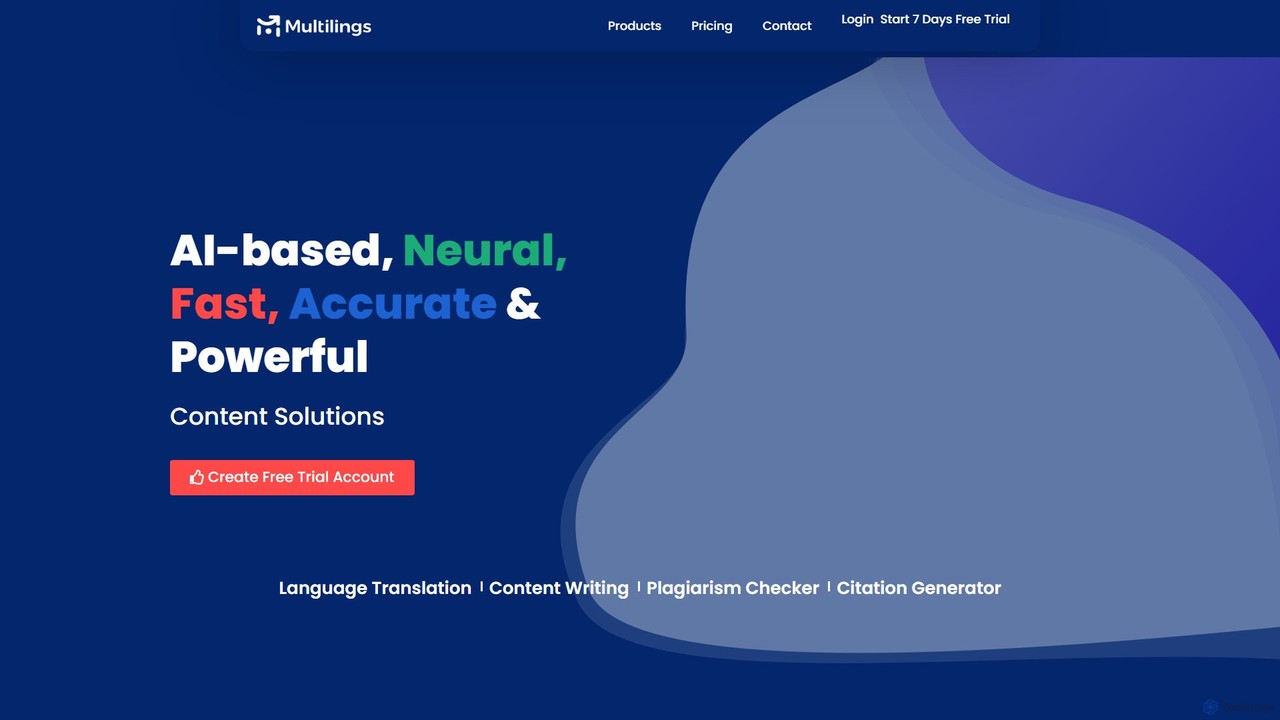
multilings is an all-in-one AI-powered content suite offering a writing assistant, language translator for 75+ languages, plagiarism checker, …

2.3K

About Language

AI Language tools are a category of advanced artificial intelligence applications designed to understand, process, generate, and interact with human language beyond mere translation. These tools leverage sophisticated natural language processing (NLP) and machine learning models to analyze text, extract meaning, correct grammar, summarize content, and even create new linguistic outputs. They offer immense value in automating complex linguistic tasks, enhancing communication, and deriving insights from vast amounts of textual data across various domains.

Core Features

  • Natural Language Understanding (NLU): Comprehends the nuances, context, and intent behind human language inputs.
  • Text Generation: Creates coherent and contextually relevant text, including articles, summaries, and creative content.
  • Sentiment Analysis: Identifies and categorizes the emotional tone expressed within a piece of text.
  • Grammar and Style Correction: Automatically detects and suggests improvements for grammatical errors, spelling, and writing style.
  • Named Entity Recognition (NER): Extracts and classifies key information like names, organizations, locations, and dates from unstructured text.

Applicable Scenarios

AI Language tools are indispensable for content creators needing to generate diverse textual content, marketers analyzing customer feedback for sentiment, and businesses automating customer support interactions. They also assist researchers in processing large datasets of academic papers and developers building intelligent conversational agents or data extraction systems.

How to Choose

When selecting AI Language tools, consider the specific linguistic tasks you need to accomplish (e.g., generation, analysis, correction), the accuracy and quality of the AI model, and the range of languages supported. Evaluate integration capabilities with existing workflows, scalability for your data volume, and the level of customization offered to fine-tune models for specific domain knowledge or brand voice.

LanguageUse Cases

1

Generate Diverse Marketing Copy

A marketing specialist needs to create engaging ad copy, social media posts, and email newsletters for various campaigns. Using AI Language tools, they can input product features and target audience demographics to instantly generate multiple creative variations of marketing text, saving hours of manual brainstorming and drafting, and ensuring consistent brand messaging across platforms.

2

Automate Customer Feedback Analysis

A customer service manager receives thousands of customer reviews and support tickets daily. By feeding this unstructured text into an AI Language tool, they can automatically perform sentiment analysis to gauge customer satisfaction, identify recurring issues, and categorize feedback by topic. This provides actionable insights to improve products and services, reducing manual review time by up to 70%.

3

Enhance Academic Writing and Research

An academic researcher needs to ensure their papers are grammatically perfect and stylistically consistent before submission. AI Language tools can proofread complex scientific texts, suggest improvements for clarity and conciseness, and even check for plagiarism. This helps researchers refine their arguments, adhere to publication standards, and save significant time on meticulous editing, allowing them to focus more on core research.

4

Summarize Long Documents and Reports

A business analyst frequently deals with lengthy financial reports, market research documents, and internal memos. By utilizing AI Language tools, they can automatically generate concise summaries of these documents, highlighting key findings, conclusions, and action items. This significantly reduces the time spent on reading and extracting information, enabling quicker decision-making and improved productivity.

5

Develop Intelligent Chatbots and Virtual Assistants

A software developer aims to build a more intuitive and effective customer support chatbot. By integrating AI Language tools, they can equip the chatbot with advanced natural language understanding capabilities, allowing it to interpret complex user queries, provide accurate and context-aware responses, and even handle follow-up questions. This leads to a significant improvement in user experience and a reduction in the need for human intervention.

6

Extract Key Information from Legal Documents

A legal professional needs to quickly review vast amounts of contracts, case files, and regulatory documents to identify specific clauses, dates, and parties involved. AI Language tools with Named Entity Recognition (NER) can automatically scan these documents, extract relevant entities, and organize them into structured data. This drastically speeds up due diligence processes and reduces the risk of human error in complex legal reviews.

LanguageFrequently Asked Questions