
Translation Best in category 1 results Real Time Interpretation AI Tool

Popular AI tools in the Real Time Interpretation field of Translation include Doctranslate Live, etc., helping you quickly improve efficiency.

Doctranslate Live

Doctranslate Live

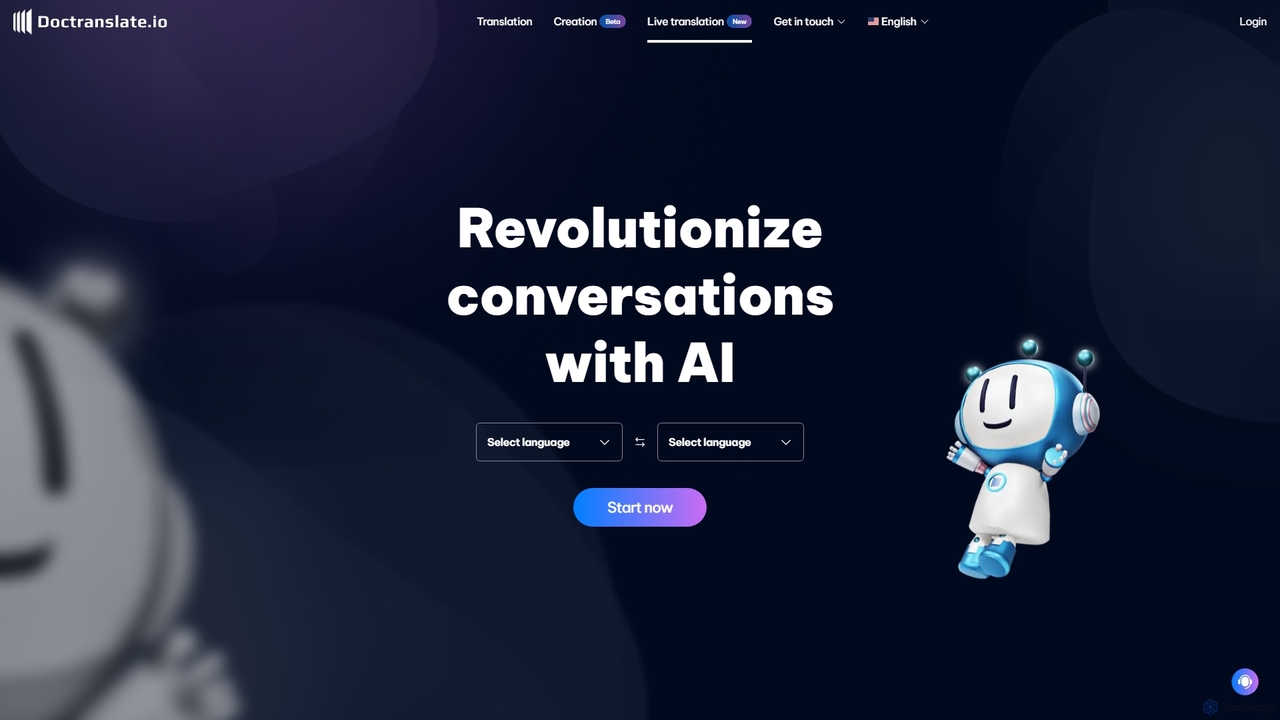
Doctranslate Live is an AI-powered platform designed to revolutionize multilingual communication through real-time simultaneous interpretation and document translation. …

2.9K

About Real Time Interpretation

Real Time Interpretation tools are a specialized category of translation AI that instantly convert spoken language into another language during live conversations or events. These tools leverage a combination of advanced speech-to-text, machine translation, and text-to-speech technologies to deliver low-latency audio or text output. Their primary value lies in breaking down communication barriers in international conferences, multilingual meetings, and global customer support. Unlike standard text translators, they are optimized for the speed and conversational nuances of live dialogue.

Core Features

  • Low-Latency Audio Translation: Delivers spoken translation with minimal delay, enabling natural conversation flow.
  • Multi-Speaker Identification: Distinguishes between different speakers in a conversation for clearer, more accurate translation.
  • Live Transcription & Subtitling: Generates a real-time text record of the original speech and its translation, often displayed as captions.
  • Custom Vocabulary & Glossary: Allows users to add specific industry terms, brand names, or acronyms to improve translation accuracy.
  • Platform Integration: Connects with popular video conferencing platforms like Zoom, Microsoft Teams, and Google Meet for seamless use in virtual meetings.

Use Cases

These tools are essential for organizations operating globally. They are frequently used in international business negotiations, multilingual webinars, and academic conferences to ensure all participants can understand and contribute. Global customer support centers also rely on them to provide immediate assistance to customers in their native language, improving satisfaction and resolution times.

How to Choose

When selecting a Real Time Interpretation tool, evaluate its accuracy and latency for your required language pairs. Consider its integration capabilities with your existing communication platforms. Assess the quality of speaker identification and the ease of use for all participants. Finally, review security protocols and data privacy policies, especially if handling sensitive conversations.

Real Time InterpretationUse Cases

1

Facilitating International Business Negotiations

A sales team in the US is conducting a critical negotiation via video conference with a potential major client in Japan. By using a real-time interpretation tool integrated into their meeting software, every spoken sentence is instantly translated into audio for the other party. This eliminates the delays and high costs associated with hiring a human interpreter. The tool's custom glossary feature ensures that specific product names and technical terms are translated correctly, preventing misunderstandings and allowing the negotiation to proceed smoothly and efficiently.

2

Hosting Accessible Multilingual Webinars

An event organizer is hosting a global webinar on digital marketing trends with speakers from multiple countries. To maximize audience reach, they use a real-time interpretation service that provides live subtitles in five different languages. Attendees can simply select their preferred language from a dropdown menu in the webinar interface. This makes the content accessible to a non-English speaking audience, significantly increasing registration numbers and global engagement without the logistical complexity of coordinating multiple human interpreters for each language track.

3

Improving Global Customer Support

A global e-commerce company's support center receives a call from a customer in Spain. The English-speaking support agent uses a real-time interpretation tool that translates both sides of the conversation instantly. The agent hears the customer's Spanish query translated into English, and the customer hears the agent's English response translated into Spanish. This allows the agent to understand the problem and provide a solution effectively, reducing call handling time and dramatically improving the customer experience for international clients without needing to hire multilingual staff for every possible language.

4

Enabling Cross-Border Medical Consultations

A specialist doctor in Germany conducts a telehealth consultation with a patient located in Poland. Using a secure, HIPAA-compliant real-time interpretation tool, the doctor can discuss symptoms, medical history, and treatment options with the patient in their native language. The tool's high accuracy with medical terminology is crucial for ensuring clear and precise communication. This technology makes specialized medical expertise accessible across borders, improving patient outcomes and removing language as a barrier to receiving quality healthcare.

5

Live Translation for International Tourism

A tour guide in Rome is leading a group of tourists from South Korea. Using a mobile real-time interpretation app on their smartphone connected to a portable speaker, the guide's Italian explanations of historical sites are instantly broadcast to the group in Korean. This allows for a much more engaging and informative experience compared to relying on pre-written guidebooks. Tourists can also ask questions in Korean, which are translated back to the guide in Italian, fostering interactive and dynamic communication throughout the tour.

6

Making Academic Lectures Globally Accessible

A university streams a live lecture by a renowned professor to an international student body. An AI real-time interpretation tool is used to generate live captions in multiple languages, including Spanish, Mandarin, and French. Students viewing the stream from around the world can select their native language to follow the complex academic concepts being discussed. This not only enhances inclusivity for current international students but also allows the university to market its courses to a wider global audience, breaking down language barriers in higher education.

Real Time InterpretationFrequently Asked Questions