Metafoni
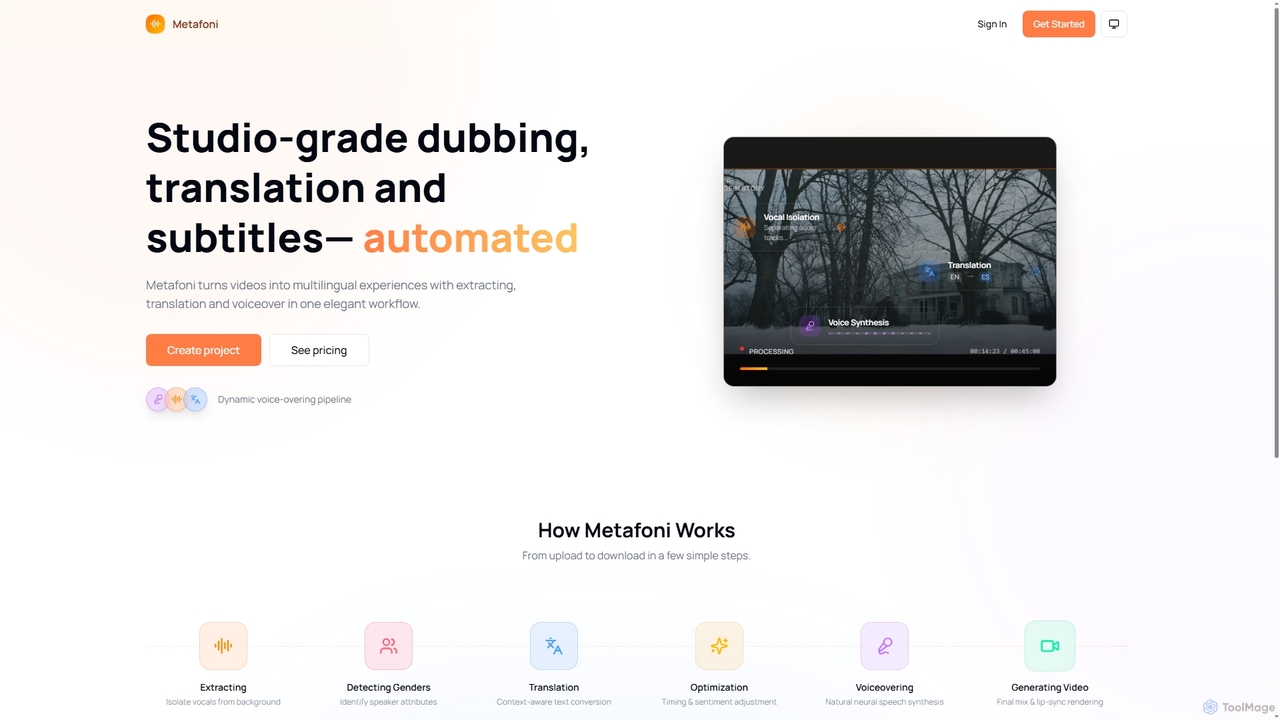
Metafoni is an AI-powered automated dubbing studio that transforms videos into multilingual experiences. It efficiently extracts speech, translates …
Metafoni is an AI-powered automated dubbing studio that transforms videos into multilingual experiences. It efficiently extracts speech, translates subtitles, and generates natural AI voiceovers, streamlining the video localization process for global audiences.
TranslateMom
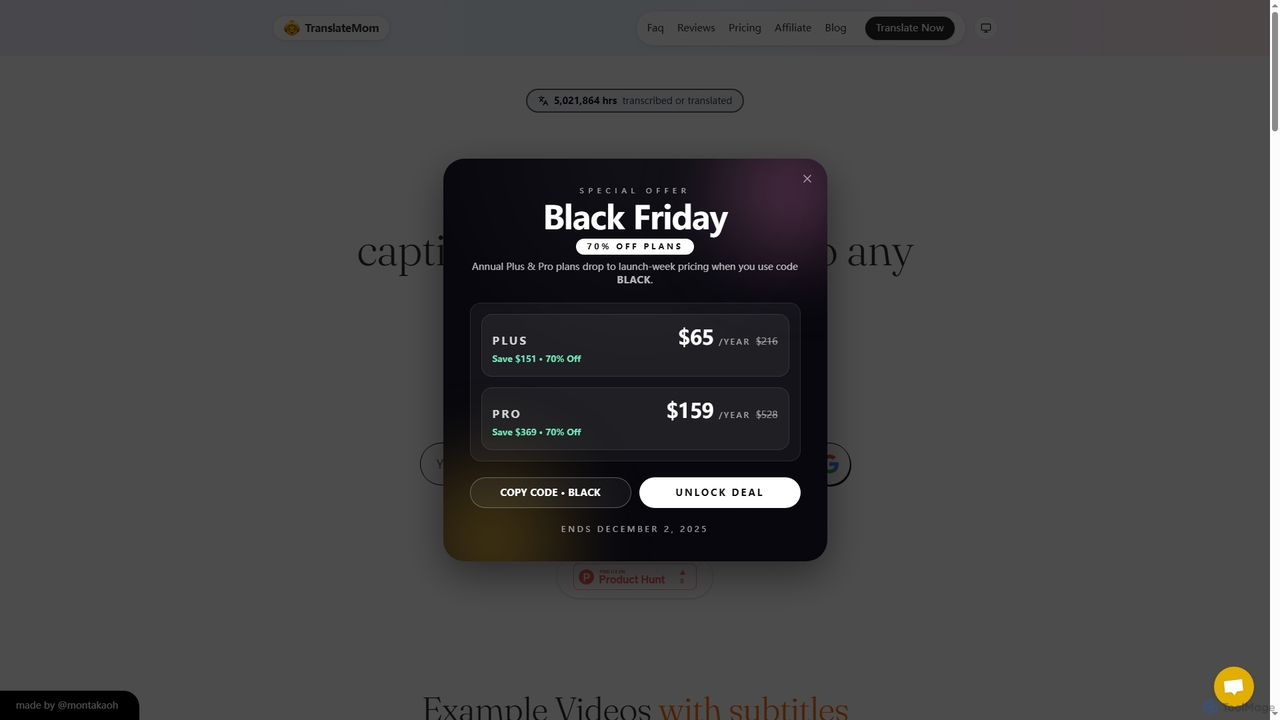
TranslateMom is an AI-powered video translation, dubbing, and captioning tool designed to help content creators, marketers, and educators …
TranslateMom is an AI-powered video translation, dubbing, and captioning tool designed to help content creators, marketers, and educators reach a global audience. It supports over 100 languages for subtitles and translation, and 29 languages for AI dubbing, making video localization fast and efficient.
Video
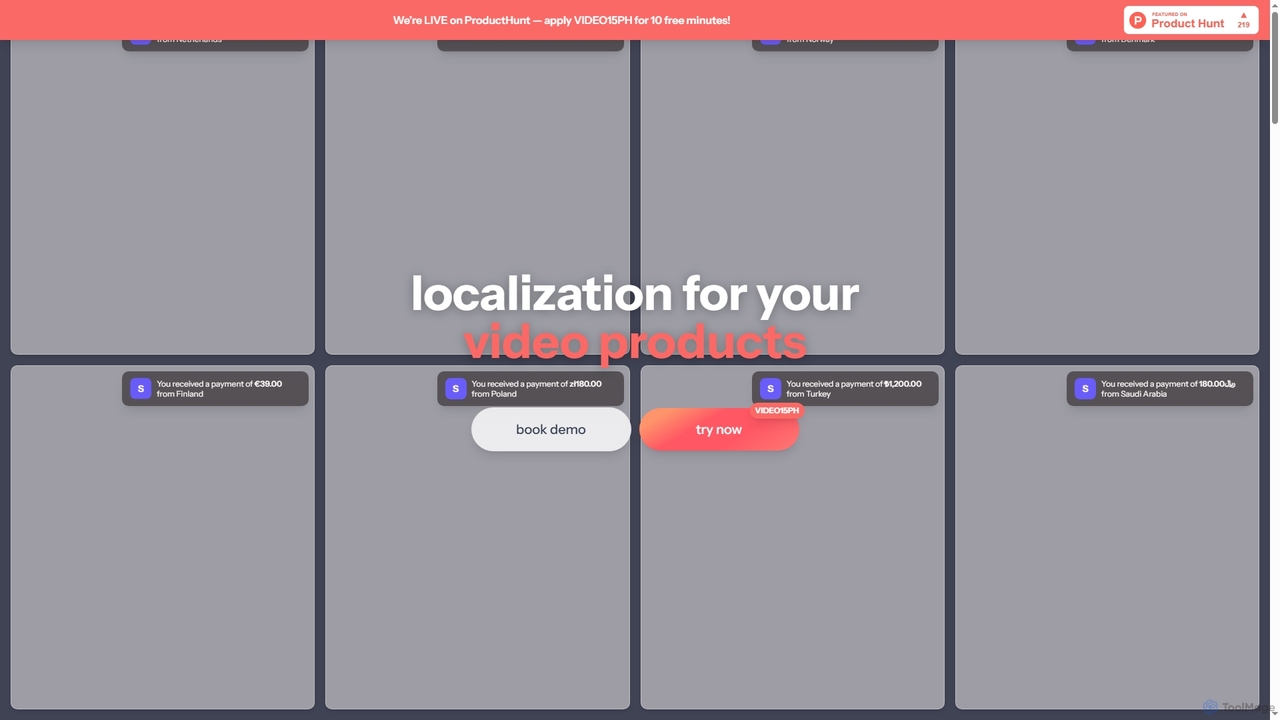
Video by Algebras is an AI-powered platform for comprehensive video localization. It offers 1-click translation, cultural adaptation, automatic …
Video by Algebras is an AI-powered platform for comprehensive video localization. It offers 1-click translation, cultural adaptation, automatic transcription, and natural voice synthesis to help your content resonate globally. Supporting long-form content and API integration, Video enables seamless expansion into new markets, ensuring your messages are understood and appreciated across diverse cultures.
About Video Translation
Video Translation tools are AI-powered platforms specializing in the complex task of multimedia localization. These tools leverage advanced AI, including automatic speech recognition (ASR), machine translation (MT), and speech synthesis, to accurately convert spoken content and on-screen text in videos into multiple languages. They streamline the localization process for global content distribution, e-learning, and international marketing, making video content accessible to a wider, diverse audience.
Core Features
- Automatic Speech Recognition (ASR): Converts spoken audio from videos into accurate, editable text transcripts in the original language.
- Machine Translation (MT): Translates the transcribed text into one or more target languages, often with options for post-editing and glossary integration.
- Subtitle Generation & Syncing: Automatically creates time-coded subtitles or captions in the translated languages, perfectly synchronized with the video's audio and visual cues.
- AI Voiceover & Speech Synthesis: Generates natural-sounding voiceovers in target languages using AI voices, often with options for voice cloning or style customization.
- Visual Text Translation: Identifies and translates on-screen text, graphics, or embedded captions within the video, ensuring comprehensive localization.
Applicable Scenarios
Video translation tools are invaluable for content creators, businesses, and educators aiming for global reach. They are used by marketing teams to localize promotional videos, e-learning platforms to translate courses for international students, and media companies to make news or entertainment content accessible worldwide.
How to Choose
When selecting a video translation tool, consider the accuracy of its ASR and MT engines, the range of supported languages, and the quality of its AI voiceovers. Evaluate its subtitle editing capabilities, integration with existing video workflows, and options for glossary management or human post-editing. Pricing models and the ability to handle complex audio (e.g., multiple speakers, background noise) are also crucial factors.

Video TranslationUse Cases
Localizing Marketing Videos for Global Campaigns
Marketing teams can use AI video translation tools to quickly localize promotional videos, product demos, and brand stories for different international markets. By translating voiceovers and on-screen text into target languages, businesses can effectively communicate their message to diverse audiences, increasing engagement and conversion rates in global campaigns without extensive manual effort or high costs associated with traditional dubbing studios.
Translating E-learning Courses for International Students
Educational institutions and e-learning platforms can leverage video translation tools to make their online courses accessible to a global student body. By translating lecture videos, tutorials, and instructional content into multiple languages, complete with synchronized subtitles and localized voiceovers, they can break down language barriers, enhance learning experiences for non-native speakers, and expand their educational reach worldwide, fostering inclusive learning environments.
Enabling Multilingual Access for News & Media Content
News organizations and media companies can utilize AI video translation to quickly translate breaking news reports, documentaries, and interviews for international viewers. This allows them to deliver timely, localized content across different regions, expanding their audience reach and ensuring that critical information or entertainment is accessible to non-native speakers, thereby enhancing global communication and media consumption.
Streamlining Corporate Communications Across Borders
Multinational corporations can employ video translation tools to localize internal training videos, executive announcements, and company-wide briefings for their global workforce. This ensures consistent understanding of policies, procedures, and strategic directions across all regions, fostering better employee engagement and operational efficiency by overcoming language barriers in critical corporate communications and training initiatives.
Expanding Reach for Independent Content Creators
Independent YouTubers, podcasters, and online educators can use video translation tools to translate their content into multiple languages, significantly expanding their audience beyond their native language speakers. This enables them to tap into new markets, increase viewership, and potentially monetize their content more effectively on global platforms, fostering a more inclusive and diverse creator economy.
Providing Accessibility Features for Diverse Audiences
Organizations and individuals can use video translation tools to enhance accessibility for hearing-impaired or visually impaired audiences. By generating accurate, synchronized subtitles in multiple languages, and offering localized voiceovers, they ensure that video content complies with accessibility standards, reaching a broader demographic including those with disabilities, thereby promoting inclusivity and equal access to information and entertainment.