
Pop-Plan
Pop-Plan is an AI-powered travel assistant, Poppy, that creates personalized itineraries for your adventures. Whether you're exploring your …
Pop-Plan is an AI-powered travel assistant, Poppy, that creates personalized itineraries for your adventures. Whether you're exploring your local area or a new travel destination, Pop-Plan instantly curates unique experiences tailored to your preferences, saving you planning time and helping you discover unforgettable outings.
Skoot
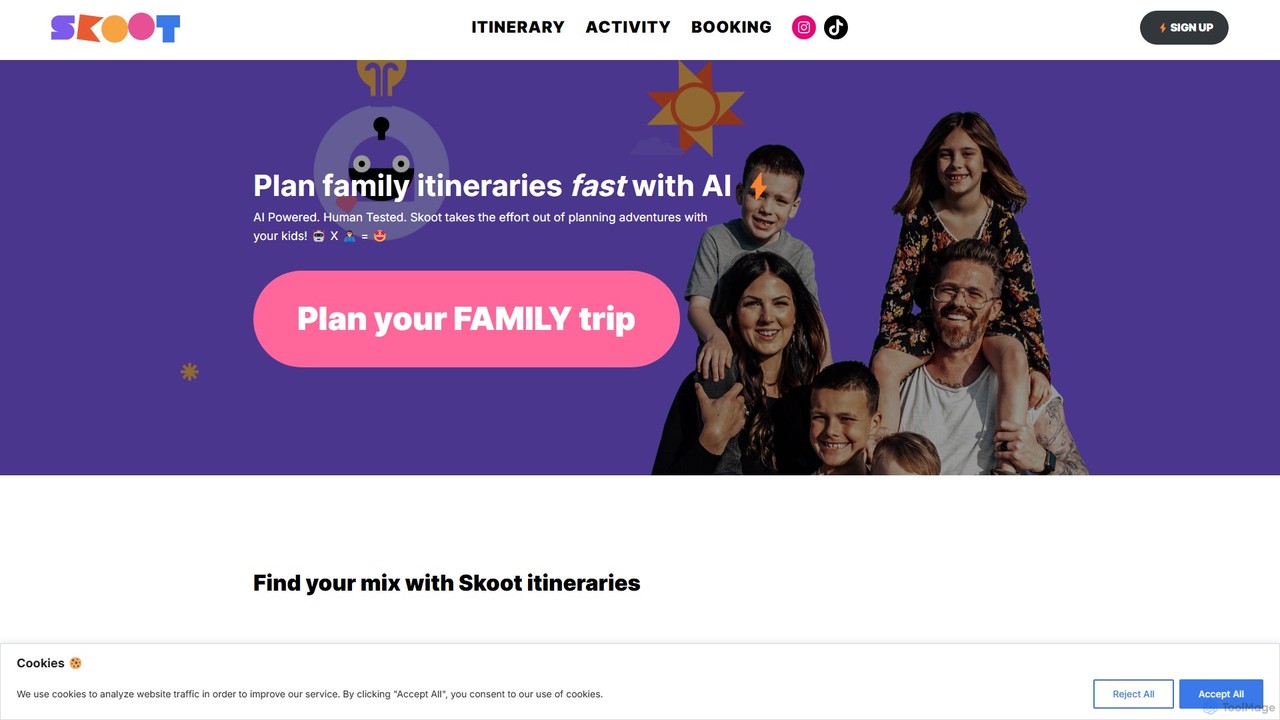
Skoot is an AI-powered travel and activity planner designed specifically for families. It simplifies trip planning by generating …
Skoot is an AI-powered travel and activity planner designed specifically for families. It simplifies trip planning by generating personalized, age-appropriate itineraries based on your family's interests, budget, and travel style. Discover kid-friendly activities, restaurants, and attractions, and create stress-free vacation plans in minutes.

tripnotes
Tripnotes is an AI-powered travel planning platform designed to help users create, organize, and share detailed trip itineraries …
Tripnotes is an AI-powered travel planning platform designed to help users create, organize, and share detailed trip itineraries effortlessly. It intelligently suggests destinations, activities, and restaurants based on user preferences. Note: Tripnotes has been acquired by and integrated into Dorsia, a members-only lifestyle platform.
Wanderlog
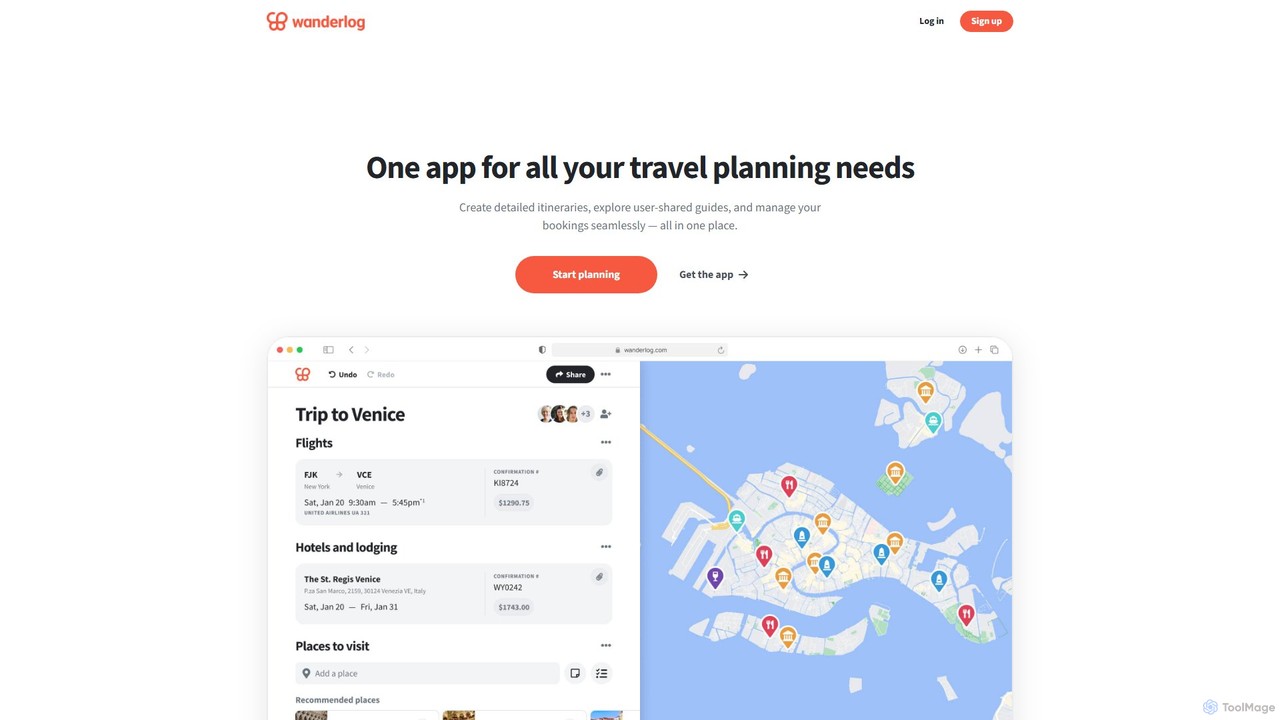
Wanderlog is an AI-powered, all-in-one travel planner that simplifies trip organization. It allows users to build detailed itineraries, …
Wanderlog is an AI-powered, all-in-one travel planner that simplifies trip organization. It allows users to build detailed itineraries, collaborate with friends in real-time, manage budgets, and discover new places. With its intelligent assistant and map-based interface, Wanderlog streamlines the entire vacation planning process, from initial ideas to on-the-go adjustments.
About Itinerary Planning
AI Itinerary Planning tools are intelligent applications designed to automatically create personalized and optimized travel schedules. These tools leverage artificial intelligence to analyze user preferences, budget, travel dates, and interests, combining this with real-time data on flights, accommodations, and attraction availability. The result is a detailed, day-by-day plan that maximizes enjoyment and efficiency, saving users hours of manual research. Unlike simple map applications, they build comprehensive journeys by intelligently sequencing activities and managing logistical complexities.
Core Features
- Personalized Recommendations: Suggests attractions, restaurants, and activities tailored to individual interests like art, history, or adventure.
- Dynamic Route Optimization: Calculates the most efficient routes between multiple points of interest, considering travel times and opening hours.
- Budget Management: Helps estimate and track trip costs, including transport, lodging, and daily expenses.
- Real-time Data Integration: Incorporates live information on flight prices, hotel availability, and weather forecasts into the plan.
- Collaborative Planning: Allows multiple users to contribute to, comment on, and edit a shared itinerary in real-time.
Use Cases
These tools are ideal for independent travelers, families, and groups planning complex trips. They are particularly useful for multi-day city breaks, cross-country road trips, or international tours with multiple destinations, where coordinating logistics can be challenging. Business travelers also use them to efficiently schedule meetings around their travel plans.
How to Choose
When selecting an AI Itinerary Planning tool, consider the level of customization it offers and the quality of its recommendations. Evaluate its integration with booking platforms for flights and hotels, its ability to function offline for on-the-go access, and whether it supports collaborative features if you are traveling with others. The user interface and overall ease of use are also critical factors.
Itinerary PlanningUse Cases
Automating a Multi-City Backpacking Trip Plan
A solo backpacker planning a three-week trip across Southeast Asia uses an AI itinerary planner to streamline the process. By inputting their budget, preferred travel style (hostels, local food), and key interests (temples, hiking), the tool generates a logical route connecting cities like Bangkok, Siem Reap, and Hanoi. It suggests budget-friendly transport options like overnight buses and trains, finds highly-rated hostels near points of interest, and creates a daily schedule that groups nearby attractions to minimize travel time and costs.
Creating a Stress-Free Family Vacation Schedule
A family with two young children is planning a 10-day trip to Orlando. They use an AI planner to create a balanced itinerary that caters to everyone. The parents input preferences for theme parks, educational museums, and beach time, along with constraints like a daily budget and the need for afternoon naps. The AI generates a schedule that avoids peak crowd times at popular attractions, suggests kid-friendly restaurants, and builds in downtime, ensuring the vacation is enjoyable rather than exhausting.
Optimizing a Business Trip with Leisure Activities
A sales executive traveling to Tokyo for a four-day conference needs to schedule five client meetings in different parts of the city. They use an AI itinerary planner to input meeting locations and times. The tool then optimizes the travel routes between meetings using public transport and suggests nearby lunch spots. It also identifies free time slots in the schedule and recommends sightseeing attractions or cultural experiences close to their hotel, allowing them to efficiently mix business with pleasure.
Designing a Themed Culinary Road Trip
A couple of food enthusiasts wants to plan a week-long road trip through Italy's Tuscany region, focusing on wine and local cuisine. They provide the AI planner with a list of must-visit wineries, types of restaurants they enjoy, and their desired daily driving time. The tool plots an optimized driving route, books reservations at recommended trattorias, schedules winery tours, and even finds farm stays along the way, creating a cohesive and delicious journey based on their specific passion.
Planning a Spontaneous Weekend Getaway
Two friends decide on a Thursday to go on a weekend trip. They use an AI planner to quickly find options. After setting their departure city, a maximum budget, and interests like "live music" and "craft beer," the tool analyzes last-minute flight and hotel deals. It proposes three potential destinations with complete 48-hour itineraries for each. They can review the fully-formed plans—including concert venues, brewery tours, and brunch spots—and book the entire trip in under an hour.
Coordinating a Group Trip with Friends
A group of six friends is planning a ski trip to the Alps. Coordinating everyone's preferences and budget is complex. They use a collaborative AI itinerary planner where each person can add their flight details and vote on potential ski resorts and activities. The tool consolidates all the information, finds accommodation that fits the group size and budget, and creates a shared calendar. Everyone can see the final plan, expenses, and booking confirmations in one central location, avoiding endless group chats.