WeGoTrip
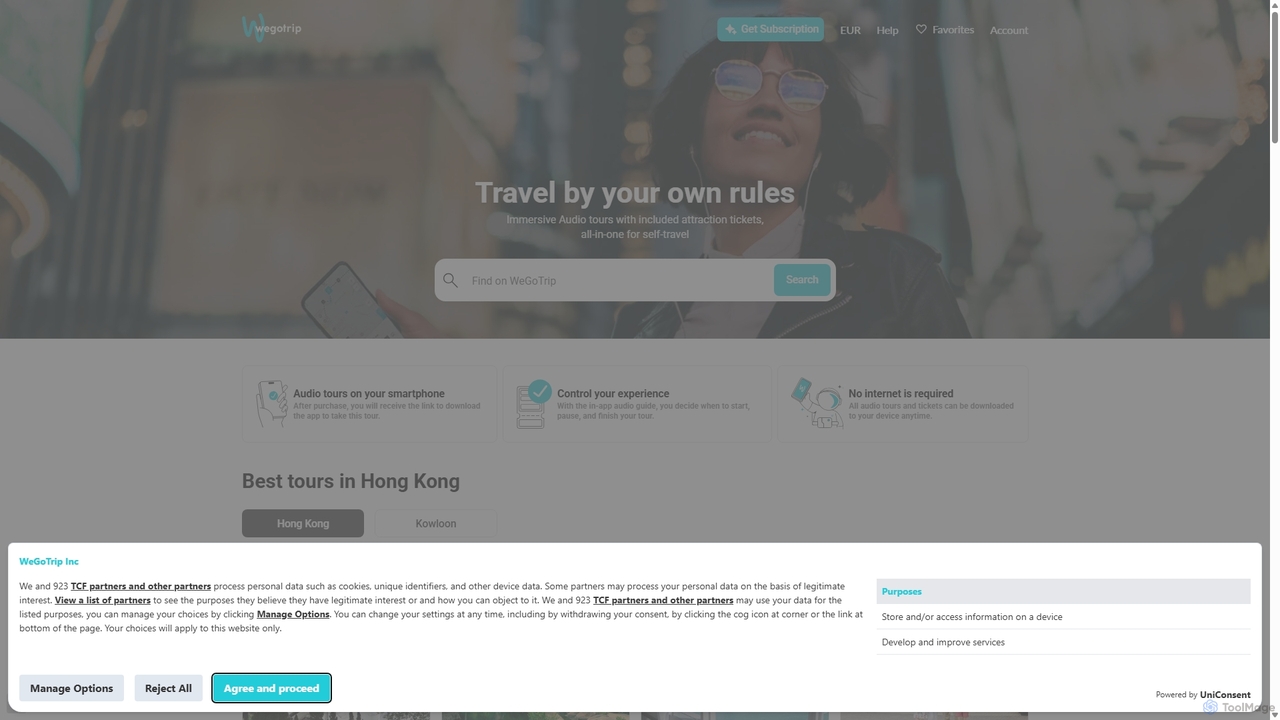
WeGoTrip is a travel app that transforms your smartphone into a personal tour guide. It offers a vast …
WeGoTrip is a travel app that transforms your smartphone into a personal tour guide. It offers a vast collection of self-guided audio tours, including AI-generated options, and tickets to attractions in hundreds of cities worldwide. Explore at your own pace with offline maps and expert storytelling.
Narrated Guide
Narrated Guide offers immersive, self-guided audio tours for travelers. Explore cities like London, Rome, and Kyoto at your …
Narrated Guide offers immersive, self-guided audio tours for travelers. Explore cities like London, Rome, and Kyoto at your own pace with a personal storyteller in your ear. Choose from themed itineraries or create your own, accessing fascinating stories about attractions and culture without rigid schedules or tour groups. It's a flexible and enriching way to experience new destinations.
About Tour Guides
AI Tour Guides are applications that provide real-time, interactive, and personalized travel guidance using artificial intelligence. These tools leverage GPS, augmented reality (AR), and natural language processing to deliver context-aware information about landmarks, history, and culture. They effectively transform a smartphone into a personal guide, offering immersive and flexible experiences without the constraints of a human-led tour. This allows travelers to explore destinations at their own pace while receiving rich, narrative-driven content.
Core Features
- Location-Aware Narration: Automatically triggers audio or text descriptions when a user approaches a point of interest.
- Augmented Reality (AR) Overlays: Superimposes historical reconstructions or digital information onto the real-world view through the device's camera.
- Personalized Itineraries: Generates custom walking or driving tours based on user interests, available time, and current location.
- Interactive Q&A: Allows users to ask questions about their surroundings and receive instant, AI-generated answers.
- Offline Accessibility: Provides downloadable maps and content for use in areas with limited or no internet connectivity.
Use Cases
AI Tour Guides are ideal for independent travelers, families, and history enthusiasts seeking in-depth exploration. They are commonly used for self-guided city walks, interactive museum visits, and exploring historical sites or national parks. These tools empower users to discover hidden gems and understand the cultural context of a place on their own schedule.
How to Choose
When selecting an AI Tour Guide, consider the destination coverage to ensure your location is supported. Evaluate the quality of its AR features and interactive elements. Check for offline functionality, which is crucial for traveling. Also, review the available languages and the depth of the content provided to match your interests.
Tour GuidesUse Cases
Self-Guided Historical City Walk
An independent traveler exploring an ancient city like Rome uses an AI Tour Guide to create a personalized walking tour focused on Roman history. As they approach landmarks such as the Colosseum or the Roman Forum, the app automatically plays audio narrations about their history and significance. Using the AR feature, they can point their phone at ruins and see a digital reconstruction of how the structures originally looked, providing a deeply immersive and educational experience that goes far beyond a simple map.
Interactive Museum Exploration for Families
A family visiting a science museum uses an AI Tour Guide app instead of a traditional audio guide. The app offers a gamified experience for children, with quizzes and scavenger hunts related to the exhibits. When a child asks a question like 'Why is the sky blue?' into the phone, the AI provides an age-appropriate, easy-to-understand answer. This interactive approach keeps children engaged, makes learning fun, and allows the family to explore the museum together at their own pace.
Off-the-Beaten-Path Nature Trail Guidance
A hiker exploring a national park uses an AI Tour Guide with offline capabilities. Before the trip, they download the park's map and trail information. While hiking in an area with no cell service, the app uses GPS to track their location and provides audio alerts for upcoming viewpoints or points of geological interest. It can also use the phone's camera to identify plants and wildlife, offering facts and information that enrich the hiking experience and enhance safety by providing trail alerts.
Creating a Themed Culinary Tour
A food enthusiast visiting a new city wants to discover the best local street food. They use an AI Tour Guide to generate a custom culinary tour based on their preferences, such as 'spicy' or 'vegetarian'. The app plots a walking route connecting several highly-rated, authentic food stalls and small restaurants. At each stop, it provides information about the dish's history, cultural significance, and even suggests popular ordering phrases in the local language, creating a delicious and culturally rich self-guided tour.
Accessible Tourism for Visually Impaired Users
A visually impaired traveler uses an AI Tour Guide designed for accessibility. The app provides detailed audio descriptions of the surroundings, including architectural details of buildings, the layout of a public square, or descriptions of artwork in a museum. It uses the phone's sensors to provide haptic feedback and audio warnings for obstacles like stairs or curbs. This empowers the user to navigate and experience new places with greater independence and confidence, making travel more inclusive.
Pre-Trip Virtual Exploration and Planning
A user planning a trip to Paris uses an AI Tour Guide's virtual tour mode from home. They can 'walk' the streets of Montmartre, listen to stories about its artistic history, and view 360-degree images of museum interiors. As they virtually explore, they can save points of interest directly to their itinerary. This pre-trip engagement allows them to build a more informed and efficient plan, discover places they might have otherwise missed, and build excitement for their upcoming journey.