ToolMage
Sign in

Best 7 Avatars AI tools for Video

Popular Avatars AI tools in Video include DeepLiveCam, ESTsoft, Canopy Labs, Rapport, VCAI, and Xiling, helping you work more efficiently.

ESTsoft

ESTsoft

ESTsoft is a pioneering AI company specializing in 'AI Human' technology, creating hyper-realistic, interactive digital avatars for various applications. Their suite includes PERSO.ai for conversational agents, AI Dubbing for content localization, and Alan, an agentic AI for problem-solving. ESTsoft integrates advanced AI into productivity tools, aiming to make technology more convenient, safer, and universally accessible through a human-like interface.

Dubbing
Visits 4.2KFavorites 141Likes 135
DeepLiveCam
Paid

DeepLiveCam

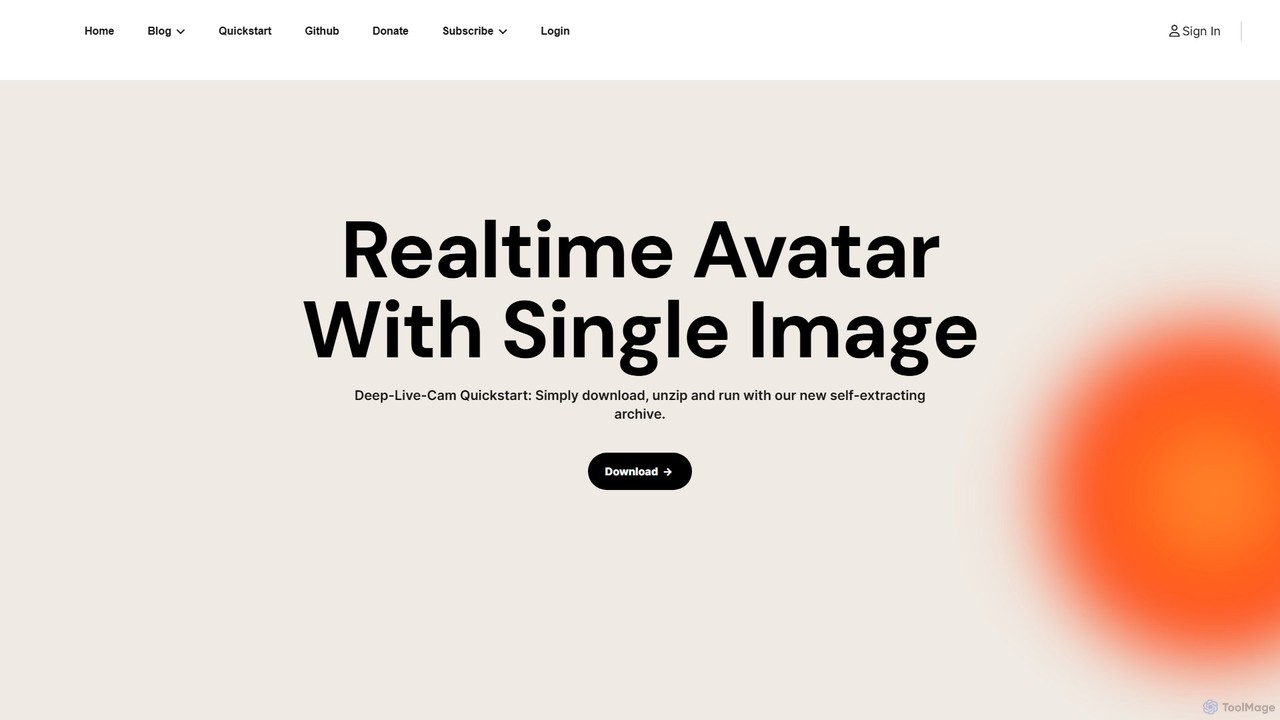
DeepLiveCam is a real-time AI avatar application that generates an animated avatar from a single image. It enables users to stream, video chat, or record with a dynamic digital persona, offering features like face swapping, performance optimization, and an on-the-fly face generator for enhanced privacy and entertainment.

Face Swap
Visits 163.5KFavorites 115Likes 114
VCAI
Free

VCAI

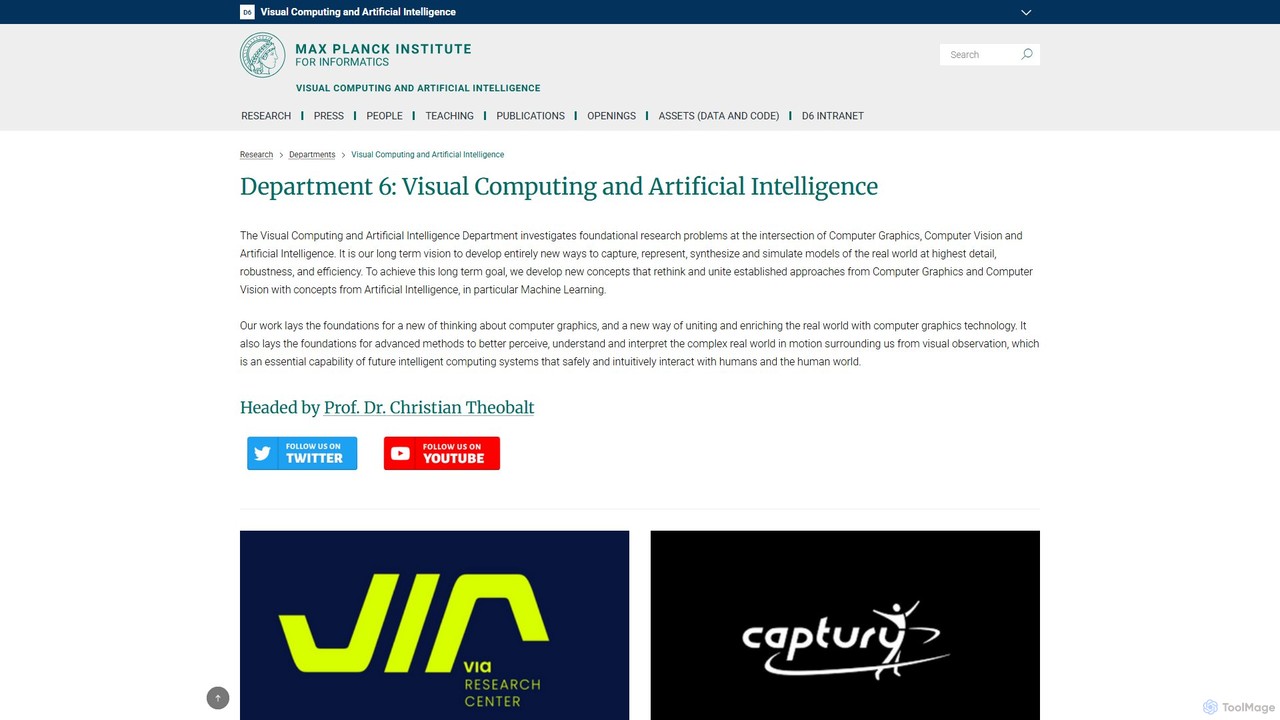
VCAI is the Visual Computing and Artificial Intelligence department at the Max Planck Institute for Informatics. Led by Prof. Christian Theobalt, it conducts foundational research at the intersection of computer vision, graphics, and AI. The lab is renowned for pioneering work in 3D reconstruction, neural rendering (like 3D Gaussian Splatting), digital humans, and motion capture. Its research drives innovation in VR/AR, film, and robotics, with many projects released as open-source code and leading to commercial spin-offs.

3D Reconstruction
Visits 4.3KFavorites 89Likes 98
Rapport
Freemium

Rapport

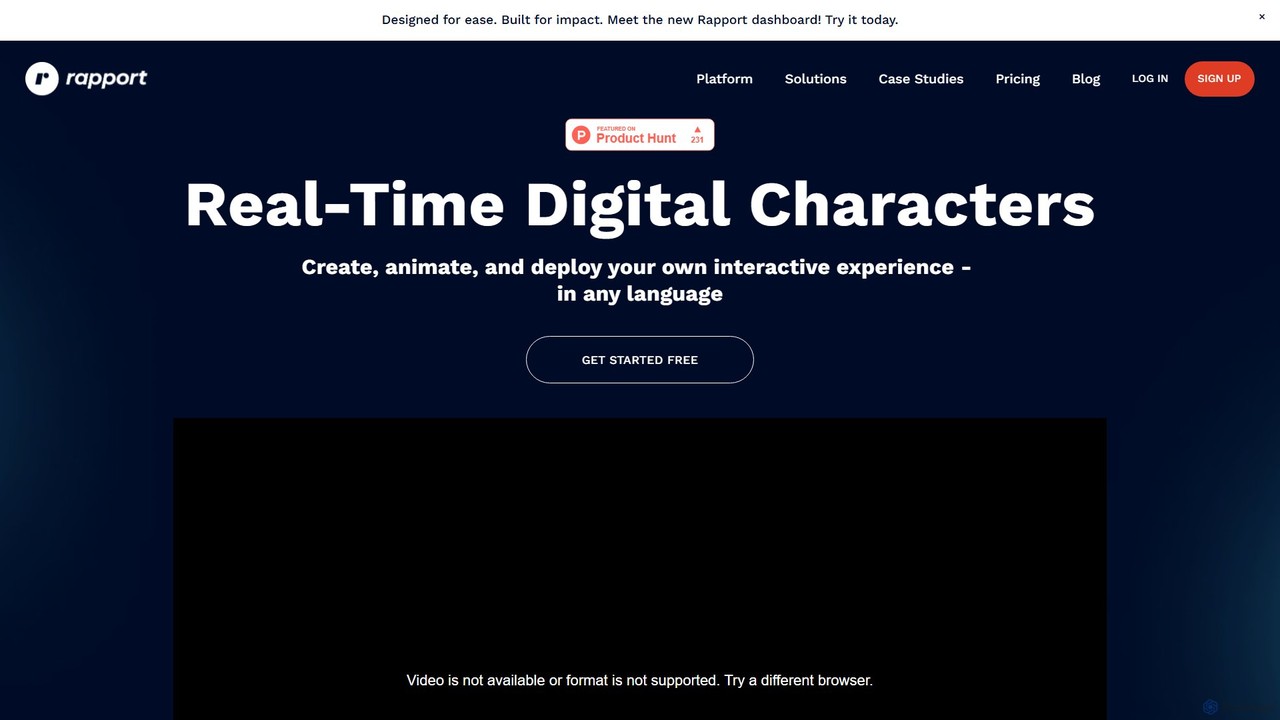
Rapport is a platform for creating, animating, and deploying interactive, AI-powered digital characters in real-time. It enables the development of immersive experiences for corporate training, marketing, and education, featuring realistic lip-sync, emotional intelligence, and multi-language support across any platform.

Training
Visits 14.6KFavorites 107Likes 114
Xiling
Paid

Xiling

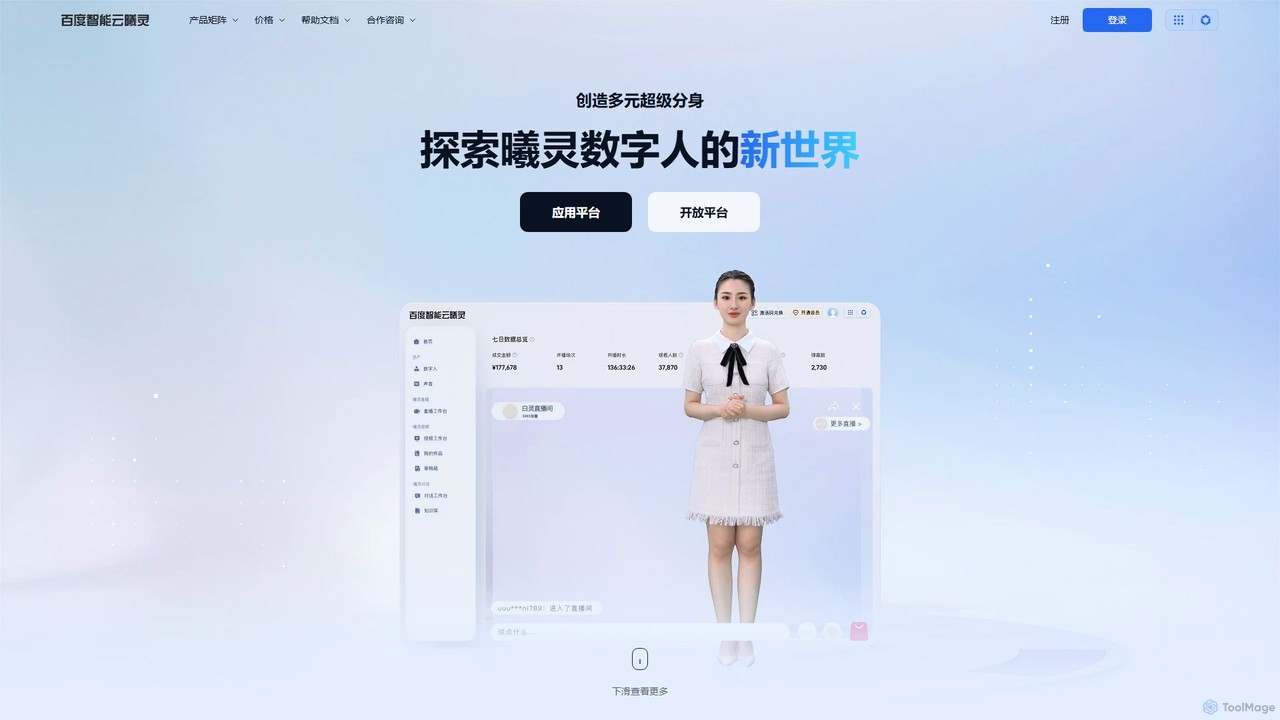
Xiling is a comprehensive digital human platform by Baidu Smart Cloud, powered by the Wenxin (ERNIE) large model. It enables users to create realistic 2D and 3D digital avatars for various applications, including live streaming, video production, and interactive dialogue. The platform offers an application-ready suite, an open platform with APIs for developers, and customized enterprise solutions, empowering industries like finance, media, and e-commerce with intelligent virtual assistants and brand ambassadors.

Social Media Marketing
Visits 4.2KFavorites 114Likes 130
Canopy Labs

Canopy Labs

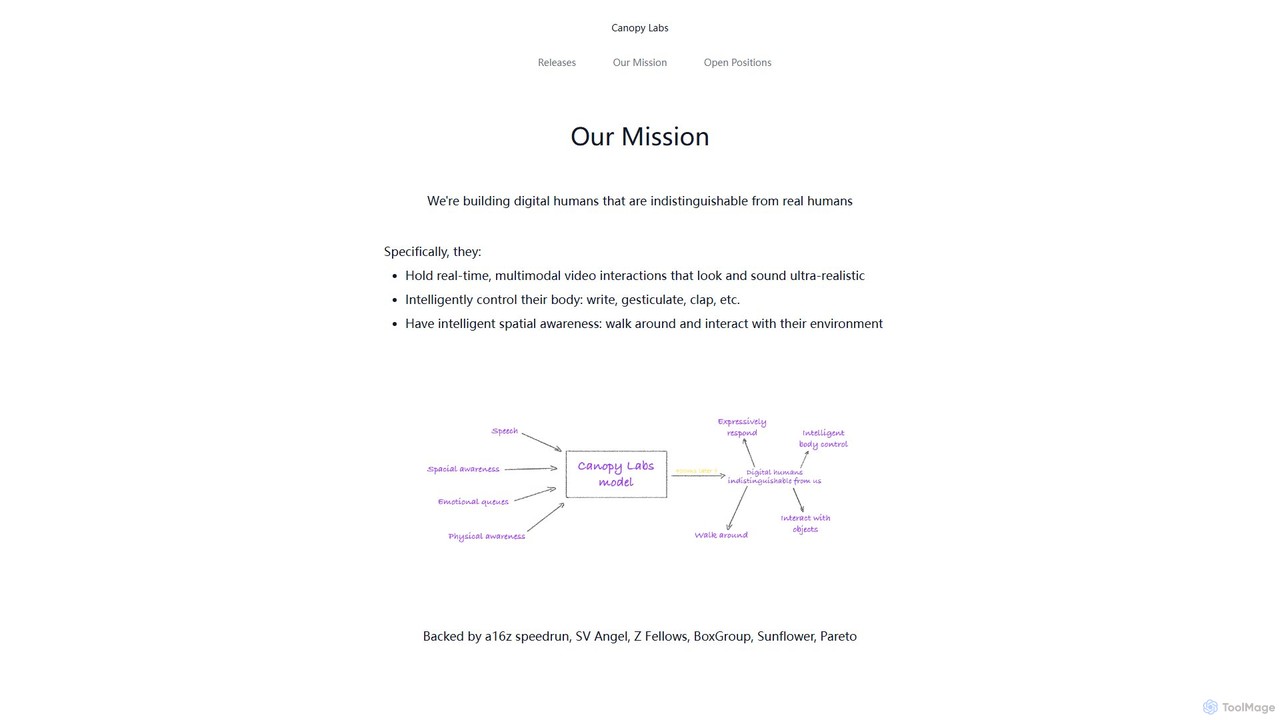
Canopy Labs is developing hyper-realistic digital humans for real-time, multimodal video interactions. These AI avatars are designed to be indistinguishable from real people, featuring intelligent body control, spatial awareness, and state-of-the-art, multilingual text-to-speech capabilities. It's a platform for creating the next generation of AI interfaces.

Text To Speech
Visits 20KFavorites 129Likes 128
ESTsoft
Freemium

ESTsoft

ESTsoft is a comprehensive AI solutions provider specializing in hyper-realistic AI Humans, enterprise-grade AI agents, and a suite of AI-powered content creation and productivity tools. Their technology aims to create a more convenient and safer world by offering universal interfaces for human-AI interaction.

Translation
Visits 24.8KFavorites 121Likes 116

About Avatars

AI Avatars are AI-powered tools that generate and animate virtual human-like or stylized characters for various digital content, particularly within the realm of video production. These tools leverage advanced artificial intelligence, including natural language processing, computer vision, and generative models, to create realistic or expressive digital representations. They are primarily used to enhance video content, presentations, and interactive experiences by providing a virtual spokesperson or character, offering a scalable, consistent, and cost-effective alternative to traditional human talent or complex animation processes.

Core Features

  • AI-Powered Generation: Create diverse avatars from simple text descriptions, uploaded photos, or by selecting from a library of pre-designed templates, significantly speeding up character development.
  • Extensive Customization Options: Tailor every aspect of the avatar's appearance, including facial features, hairstyles, clothing, and accessories. Users can also customize voices, accents, and speaking styles to match specific brand identities or personal preferences.
  • Realistic Animation & Lip-Sync: Automatically animate facial expressions, body gestures, and synchronize lip movements precisely with spoken audio, ensuring natural and engaging delivery without manual keyframing.
  • Multi-Language Voiceovers: Generate avatar speech in a wide array of languages and dialects, complete with various accents and tones, enabling global content reach and localization efforts.
  • Emotion & Gesture Control: Infuse avatars with a spectrum of emotions (e.g., happy, serious, excited) and specific gestures to convey nuanced messages and enhance audience engagement.

Applicable Scenarios

AI Avatars are widely adopted by content creators, marketers, educators, and corporate communicators. They are ideal for producing engaging social media videos, developing interactive e-learning modules with virtual instructors, and creating compelling marketing explainer videos that clearly articulate product features or service benefits. Businesses also utilize them for virtual customer support, internal training, and consistent brand messaging across various digital platforms, providing a professional and scalable digital presence.

How to Choose

When selecting an AI Avatar tool, consider the depth of customization available for both appearance and voice, ensuring it aligns with your brand's aesthetic and communication style. Evaluate the realism and fluidity of the avatar's animation, paying attention to natural facial expressions and body language. The range of supported languages for voiceovers and the quality of text-to-speech capabilities are crucial for global reach. Additionally, assess its integration capabilities with existing video editing software or content management systems, and scrutinize the pricing model based on usage limits, export quality, and feature sets. User-friendliness and the availability of pre-built templates are also important factors for efficient content creation and rapid deployment.

Featured tool rankings

Avatars use cases

1

Creating Engaging Social Media Videos

Content creators and social media managers can leverage AI avatars to produce short, dynamic video updates, news segments, or promotional content for platforms like YouTube, TikTok, and Instagram. By inputting text, they can quickly generate an avatar-led video, saving time on filming, editing, and talent costs, while maintaining a consistent brand voice and visual style across numerous posts.

2

Developing Interactive E-learning Modules

Educators and corporate trainers use AI avatars as virtual instructors or presenters within e-learning courses and training materials. These avatars can deliver lectures, explain complex concepts, or guide learners through interactive exercises. This approach makes educational content more engaging and accessible, especially for self-paced learning, and allows for easy updates or localization of course materials.

3

Producing Marketing Explainer Videos

Businesses and marketing teams can generate AI avatar-led explainer videos to introduce new products, services, or complex ideas. An avatar can clearly articulate features, benefits, and use cases, providing a professional and consistent brand voice. This method significantly reduces the cost and time associated with traditional video production, enabling rapid content iteration and deployment for various campaigns.

4

Personalizing Customer Service & Support

Companies can deploy AI avatars as virtual assistants or chatbots on their websites, mobile apps, or kiosks to provide personalized customer support. These avatars can answer FAQs, guide users through processes, or offer product recommendations in a human-like, engaging manner. This enhances user experience, reduces the load on human support staff, and provides 24/7 assistance.

5

Generating Multilingual Video Content

Global brands and international organizations utilize AI avatars to efficiently localize video content for diverse audiences. By simply translating the script, avatars can deliver messages in multiple languages with native-sounding voices and appropriate lip-syncing. This capability drastically cuts down on re-filming or hiring multiple voice actors, accelerating global content distribution and market penetration.

6

Designing Virtual Event Hosts & Presenters

Event organizers and conference planners can create custom AI avatars to host virtual events, webinars, or online conferences. These avatars can introduce speakers, moderate discussions, or deliver key announcements, adding a unique and futuristic touch to digital gatherings. This ensures a consistent and professional host presence, even across long or multi-session events, without logistical complexities.

Avatars FAQ

What are AI Avatars and how do they work?

AI Avatars are digital characters generated and animated using artificial intelligence, designed to represent a person or entity in digital content, especially videos. They work by taking text scripts, audio inputs, or even still images, and then using AI algorithms (like natural language processing for voice, and computer vision for animation) to create realistic facial expressions, body movements, and lip-syncing. This process automates much of the traditional animation or video production workflow, making it faster and more accessible.

How do I choose the right AI Avatar tool for my needs?

To choose the right AI Avatar tool, consider several factors. First, evaluate the level of customization offered for avatar appearance and voice to ensure it matches your brand or personal style. Second, assess the realism and fluidity of the animation and lip-syncing capabilities. Third, check for multi-language support and the quality of text-to-speech voices. Finally, consider the tool's integration options with your existing video editing software or content platforms, as well as its pricing structure and usage limits.

What are the main applications of AI Avatars in video creation?

AI Avatars have diverse applications in video creation. They are widely used for generating explainer videos, product demonstrations, and marketing content, offering a consistent brand voice. Content creators use them for social media updates, news summaries, and educational videos. In e-learning, avatars serve as virtual instructors. They also find use in customer service as virtual assistants, in corporate communications for internal training, and as hosts for virtual events, providing a scalable and engaging digital presence.

How do AI Avatars differ from traditional animated characters or motion graphics?

AI Avatars differ from traditional animated characters or motion graphics primarily in their creation and animation process. Traditional animation requires significant manual effort from artists and animators, often frame by frame. AI Avatars, however, are largely generated and animated automatically by AI from text or audio inputs, drastically reducing production time and cost. They often aim for a more realistic, human-like appearance and movement, making them ideal for roles typically filled by human presenters in video content, whereas traditional animation can be more stylized and abstract.

What are the benefits of using AI Avatars for content creation?

Using AI Avatars for content creation offers numerous benefits. They significantly reduce production costs and time by eliminating the need for human talent, filming equipment, and extensive post-production. Avatars ensure brand consistency in appearance and voice across all content. They enable easy localization and scalability, allowing content to be quickly adapted for multiple languages and platforms. Additionally, they provide flexibility for rapid content iteration, enhance accessibility for diverse audiences, and offer a privacy-conscious alternative to using real people in videos.