Video Best in category 11 results Filmmaking AI Tool

Popular AI tools in the Filmmaking field of Video include Saturation.io、ScriptReader.ai、Saga、rubbrband、NolanAI、RivetAI、AIScriptReader、Respeecher Voice Marketplace、Callaia、movieaiposter, etc., helping you quickly improve efficiency.

Respeecher Voice Marketplace

Respeecher Voice Marketplace

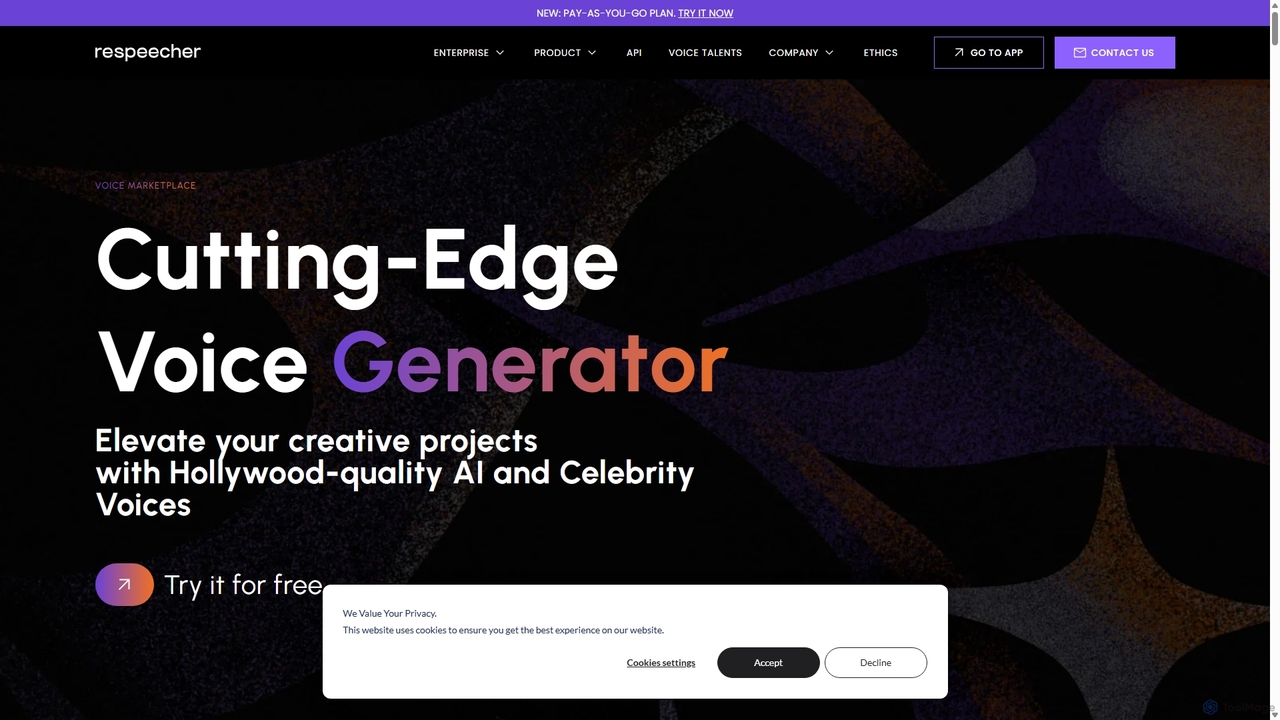
Respeecher Voice Marketplace is a cutting-edge AI voice generator offering Hollywood-quality voice synthesis. It provides both Speech-to-Speech (STS) …

4.5K
Saturation.io

Saturation.io

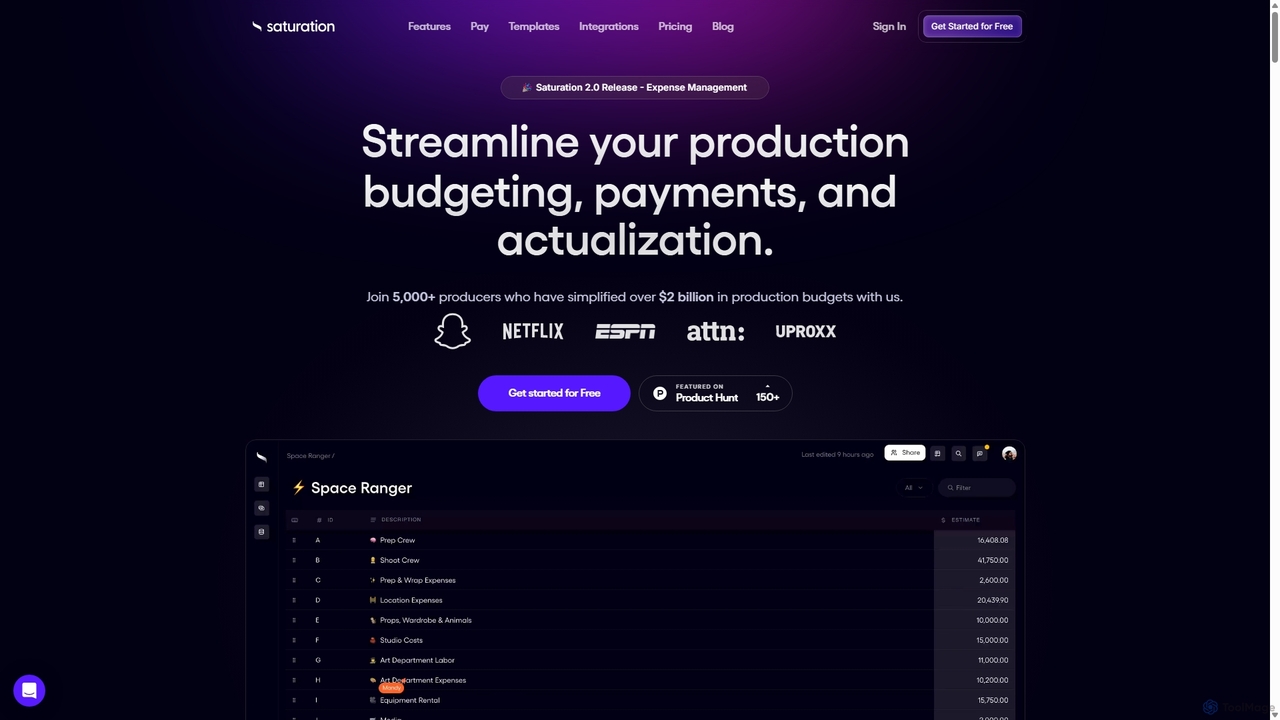
Saturation.io is a comprehensive, cloud-based platform for film budgeting and expense management. It streamlines the entire production workflow, …

101.2K
rubbrband

rubbrband

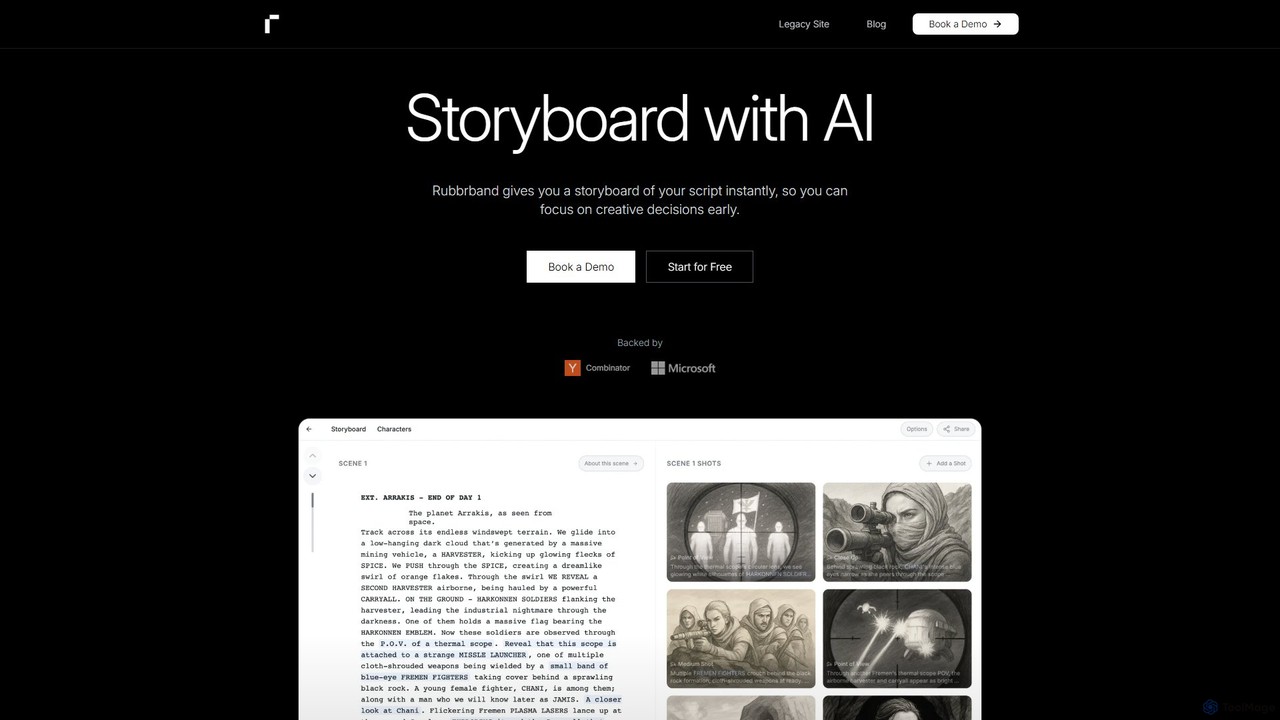
rubbrband is an AI-powered storyboard generator that transforms film scripts into professional, cinematic storyboards instantly. Designed for filmmakers, …

9.2K
movieaiposter

movieaiposter

An AI-powered platform that enables users to effortlessly generate professional-quality movie posters. By simply inputting text descriptions, including …

3.1K
Fenixs

Fenixs

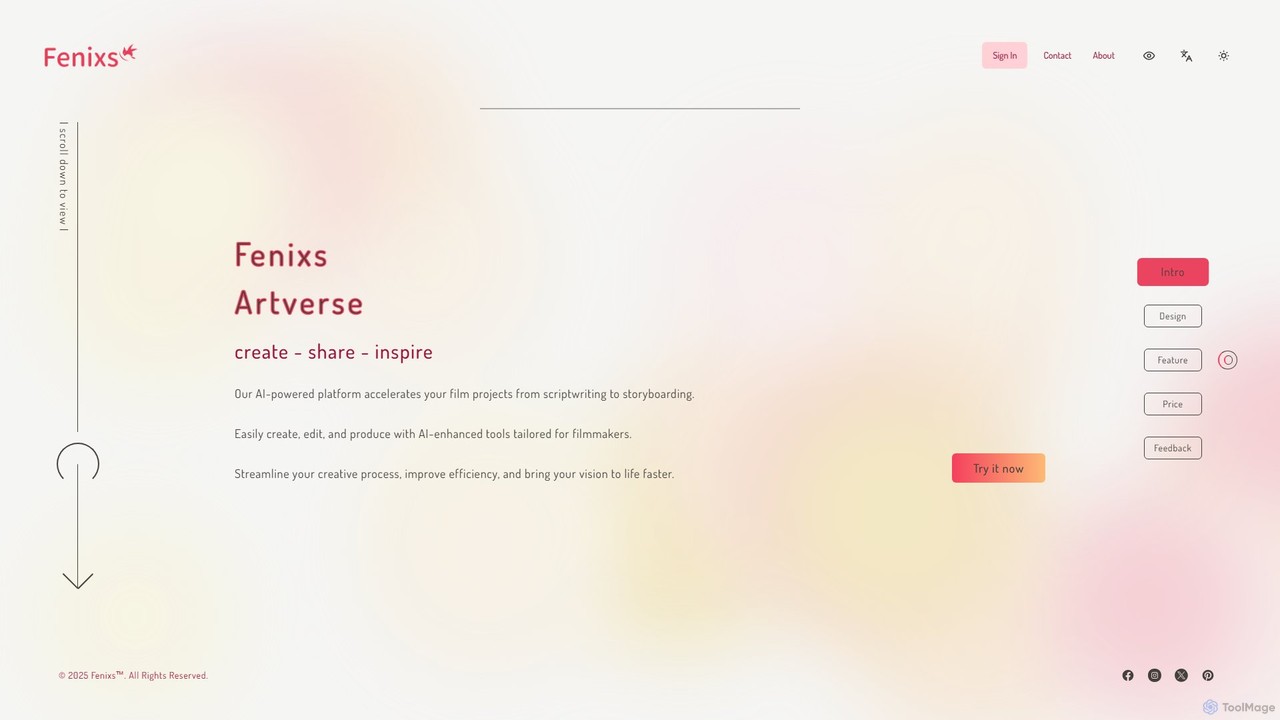
Fenixs is an AI-powered platform designed for filmmakers and screenwriters. It seamlessly integrates scriptwriting and storyboarding, allowing you …

3.0K
ScriptReader.ai

ScriptReader.ai

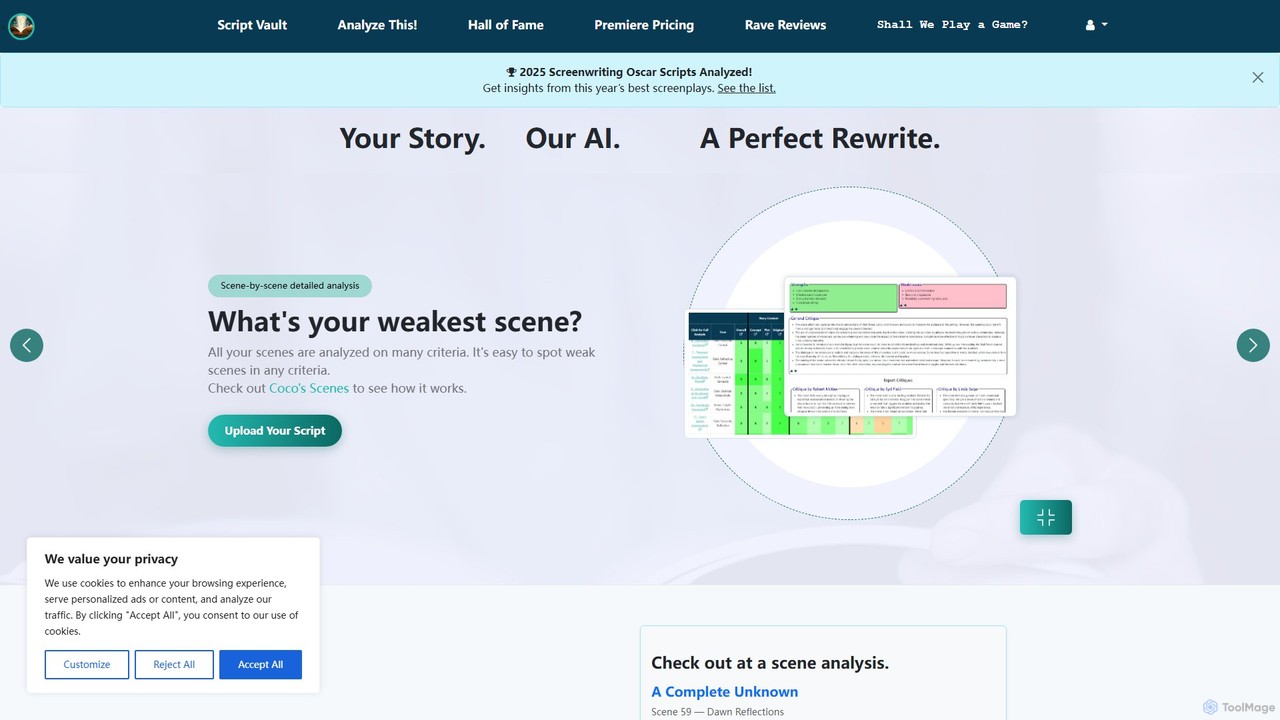
ScriptReader.ai is an AI-powered tool that provides in-depth analysis and coverage for screenplays. It helps screenwriters identify strengths …

31.6K
Callaia

Callaia

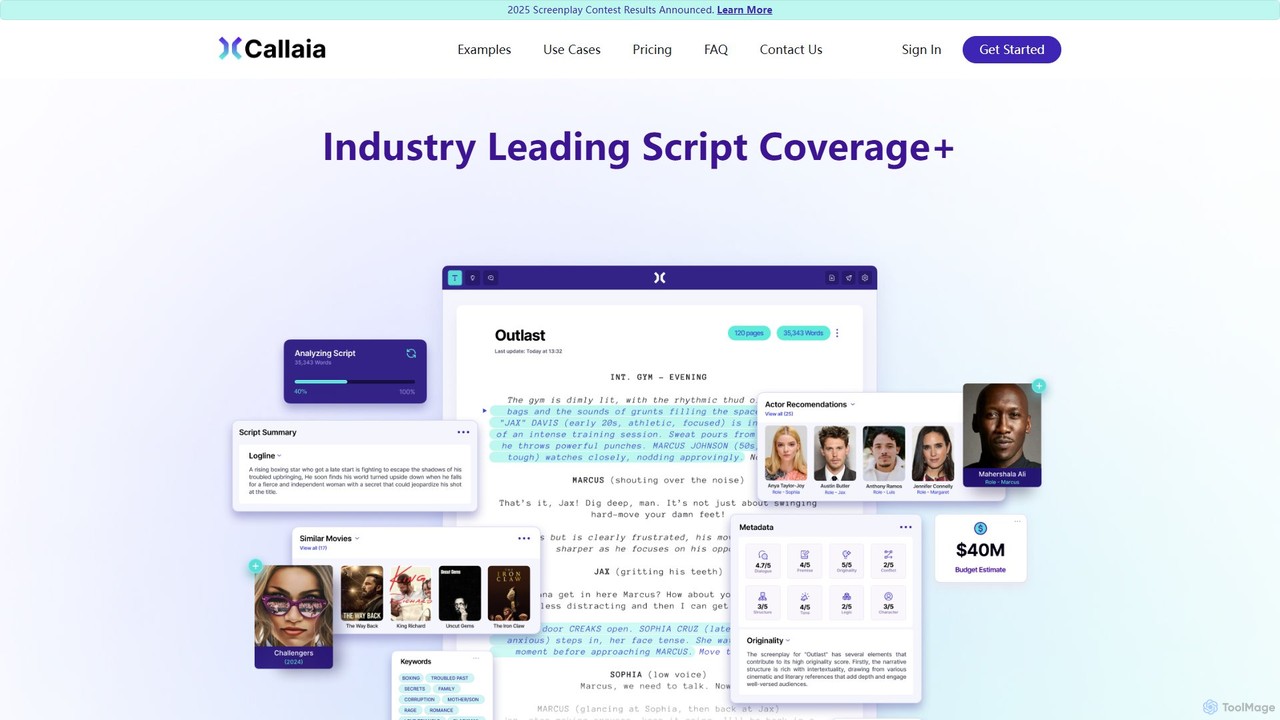
Callaia is an AI-powered screenplay consultant that provides fast, detailed, and objective script coverage for the entertainment industry. …

4.5K
RivetAI

RivetAI

RivetAI is an AI-powered platform designed to revolutionize film pre-production. It automates and streamlines script breakdown, budgeting, and …

5.4K
NolanAI

NolanAI

NolanAI is an all-in-one AI-powered suite for filmmakers and screenwriters. It streamlines the entire pre-production process, from scriptwriting …

6.2K
AIScriptReader

AIScriptReader

An AI-powered tool that provides fast, affordable, and in-depth screenplay analysis. It generates comprehensive coverage reports and actionable …

5.2K
Saga

Saga

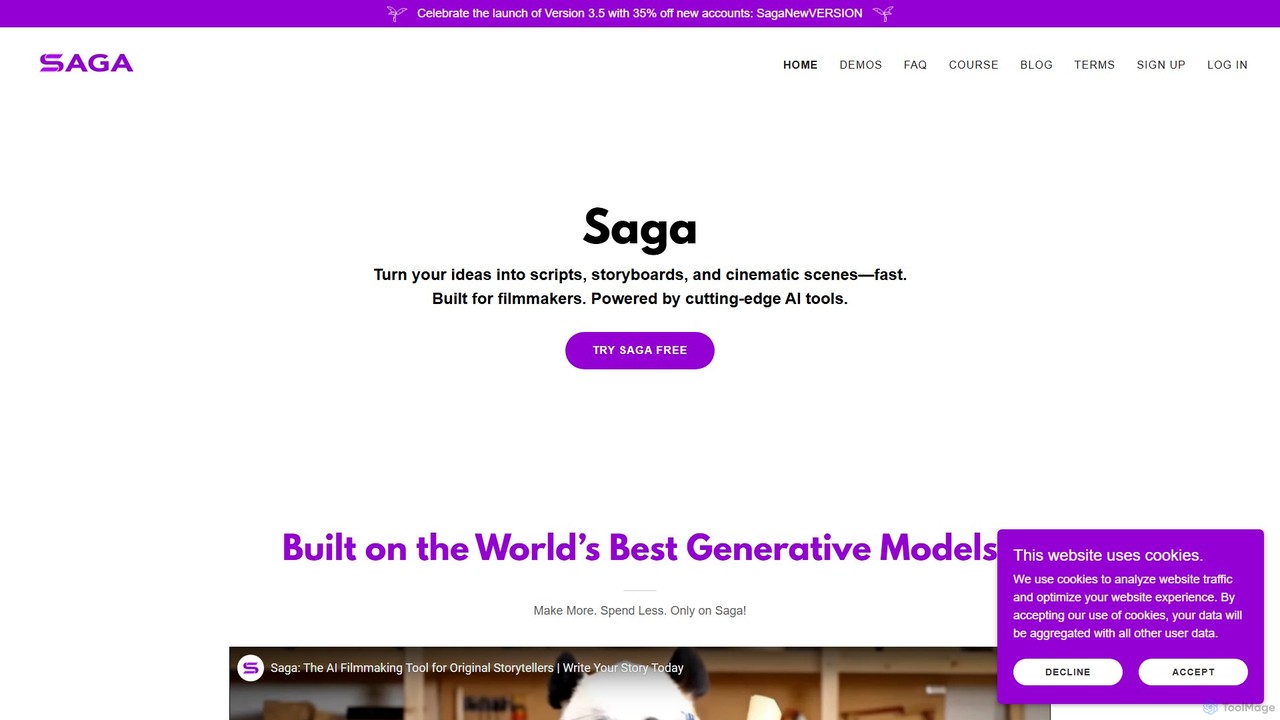
Saga is an all-in-one AI-powered platform for filmmakers and screenwriters. It transforms ideas into industry-standard scripts, visual storyboards, …

21.8K

About Filmmaking

AI Filmmaking tools are specialized artificial intelligence applications designed to assist and automate various stages of film production, from script development and pre-visualization to editing, visual effects, and sound design. Leveraging advanced machine learning and generative AI, these tools enhance creative workflows, streamline tedious tasks, and open new possibilities in visual storytelling. They empower filmmakers to achieve higher production quality and efficiency, making complex processes more accessible and innovative within the broader video production landscape.

Core Features

  • AI Script Analysis: Automatically breaks down scripts for characters, locations, props, and emotional arcs, aiding in scheduling and budgeting.
  • Virtual Production & Pre-visualization: Generates virtual sets, environments, and character animations for real-time scene planning and iteration.
  • AI-Assisted Editing: Helps identify key moments, suggest cuts, and even assemble initial rough edits based on narrative intent or script cues.
  • Generative VFX & Asset Creation: Creates realistic visual effects, 3D models, textures, and environmental elements from textual prompts or concept art.
  • Intelligent Sound Design & Audio Post-production: Automates audio cleanup, generates ambient soundscapes, and assists with dialogue replacement and mixing.

Applicable Scenarios

Independent filmmakers use these tools to manage tight budgets and schedules, while large studios leverage them for complex VFX sequences and virtual production pipelines. Content creators can rapidly prototype ideas and generate high-quality visual assets, and post-production houses streamline editing and sound design workflows for faster turnaround times.

How to Choose

Consider the tool's specific functionality (e.g., pre-production vs. post-production), its integration capabilities with existing industry-standard software (like NLEs or DCCs), the learning curve for your team, and the pricing model. Evaluate the quality of AI-generated outputs and the level of creative control it offers, ensuring it aligns with your project's artistic vision and technical requirements.

FilmmakingUse Cases

1

Automated Script Breakdown and Scheduling

Production managers and assistant directors can use AI filmmaking tools to analyze a script, automatically identifying characters, locations, props, and costume requirements. The AI then generates detailed breakdown sheets and suggests optimized shooting schedules, considering factors like cast availability, location logistics, and daylight hours. This significantly reduces the manual effort and time spent in pre-production, minimizing scheduling conflicts and improving overall efficiency before filming begins.

2

Virtual Production Environment Design

Filmmakers and VFX artists leverage AI tools to rapidly generate and iterate on virtual sets and environments. By inputting textual descriptions, concept art, or even rough sketches, the AI can create detailed 3D models and textures, allowing for real-time visualization and adjustments during pre-visualization and on-set virtual production. This accelerates the creative process, reduces the need for physical set construction, and provides greater flexibility in exploring different aesthetic options.

3

AI-Assisted Rough Cut Assembly

Film editors can utilize AI tools to significantly speed up the initial editing phase. By feeding raw footage and the script into the AI, the system can analyze dialogue, character emotions, and scene context to automatically identify key moments and suggest a preliminary rough cut. This allows editors to quickly get a foundational edit, freeing up more time for creative refinement, pacing adjustments, and detailed storytelling, rather than spending hours on initial assembly.

4

Generative VFX and Asset Creation

VFX artists and animators can utilize AI filmmaking tools to generate complex visual effects, 3D models, textures, and environmental elements with unprecedented speed. From creating realistic digital doubles and de-aging actors to generating fantastical creatures or entire cityscapes from simple text prompts, AI drastically reduces the manual labor and time required for intricate visual sequences. This allows for more ambitious visual storytelling and iterative design, pushing the boundaries of what's achievable within production timelines.

5

Intelligent Dialogue and Sound Design

Sound designers and audio engineers can leverage AI filmmaking tools to automate tedious tasks in audio post-production. AI can automatically clean up dialogue by removing background noise, generate realistic ambient soundscapes based on scene descriptions, or even assist with automated dialogue replacement (ADR) by synthesizing voices that match actors' tones. This ensures high-quality audio, reduces the time spent on manual sound editing, and allows for more creative focus on the overall sonic experience of the film.

6

Personalized Film Trailer Generation

Marketing teams and distributors can utilize AI filmmaking tools to generate multiple personalized film trailers. By feeding raw footage, key themes, and target audience demographics into the AI, the system can automatically identify emotionally impactful scenes, optimize pacing, and select music to create various trailer versions. This allows for tailored marketing campaigns across different platforms and audience segments, maximizing engagement and viewership by presenting the most compelling aspects of the film to specific groups.

FilmmakingFrequently Asked Questions