ToolMage
Sign in

Best 3 Nfts AI tools for Web3

Popular Nfts AI tools in Web3 include BlockBot, SmallVill, and skyhitz, helping you work more efficiently.

SmallVill
Freemium

SmallVill

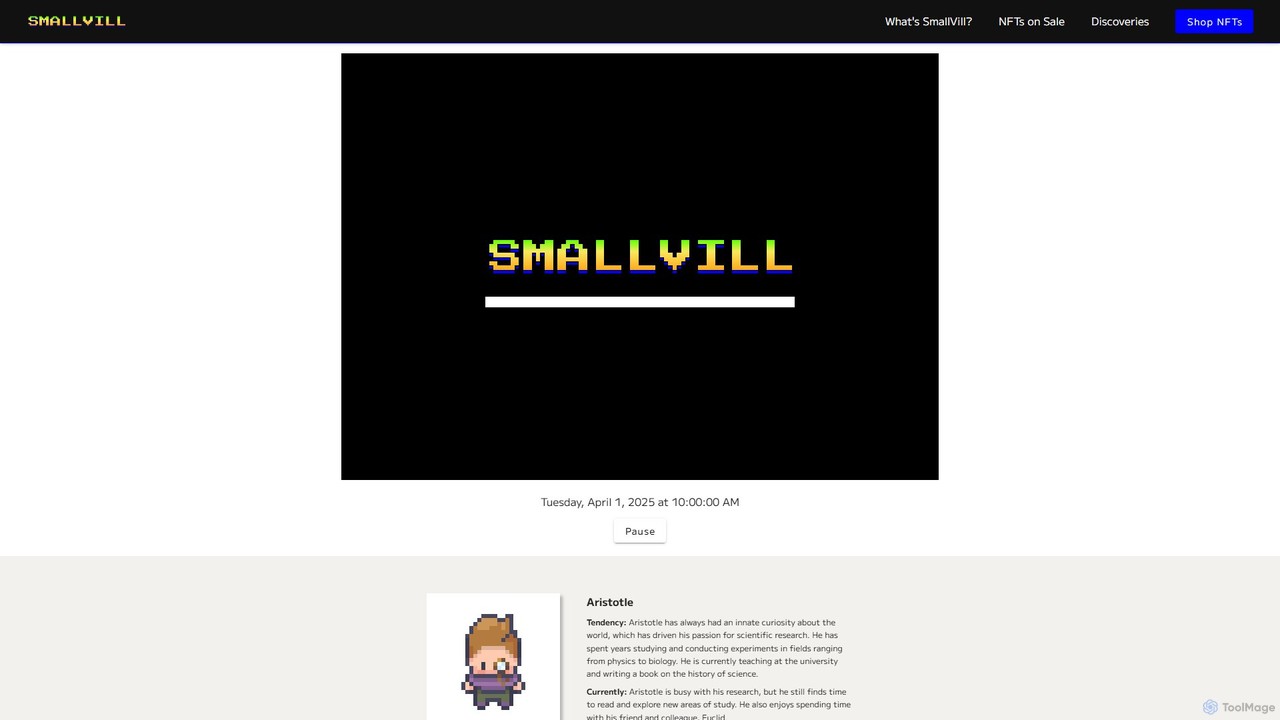
SmallVill is a groundbreaking virtual environment simulating the lives and interactions of dozens of AI agents. Inspired by Stanford's research, it allows users to observe emergent social behaviors, from romantic planning to career changes, in a dynamic, modern village setting. It also features an exclusive NFT collection tied to its unique AI characters.

Virtual World
Visits 4.2KFavorites 145Likes 143
BlockBot
Paid

BlockBot

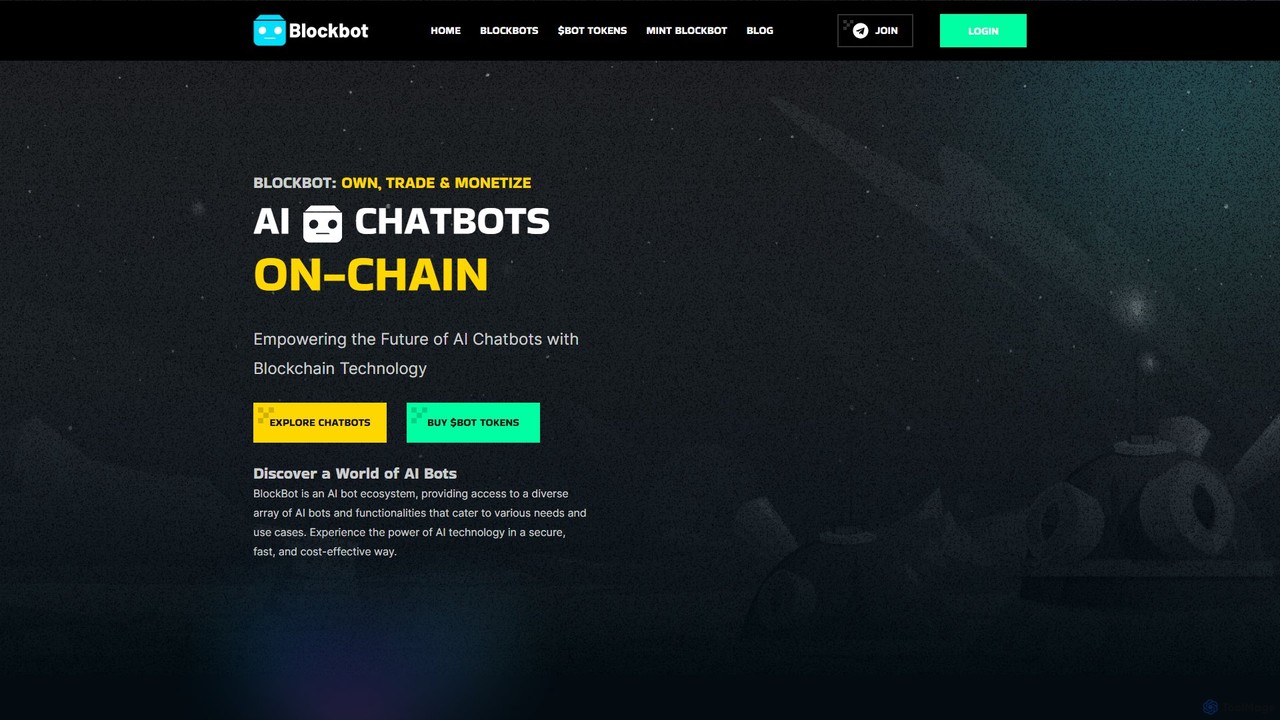
BlockBot is a revolutionary ecosystem merging AI with blockchain technology. It empowers users to create, own, trade, and monetize unique AI chatbots as NFTs on the BNB Chain. The platform is fueled by its native utility token, $BOT, creating a decentralized economy for AI creators and users.

Generative Art
Visits 5.5KFavorites 106Likes 106
skyhitz
Freemium

skyhitz

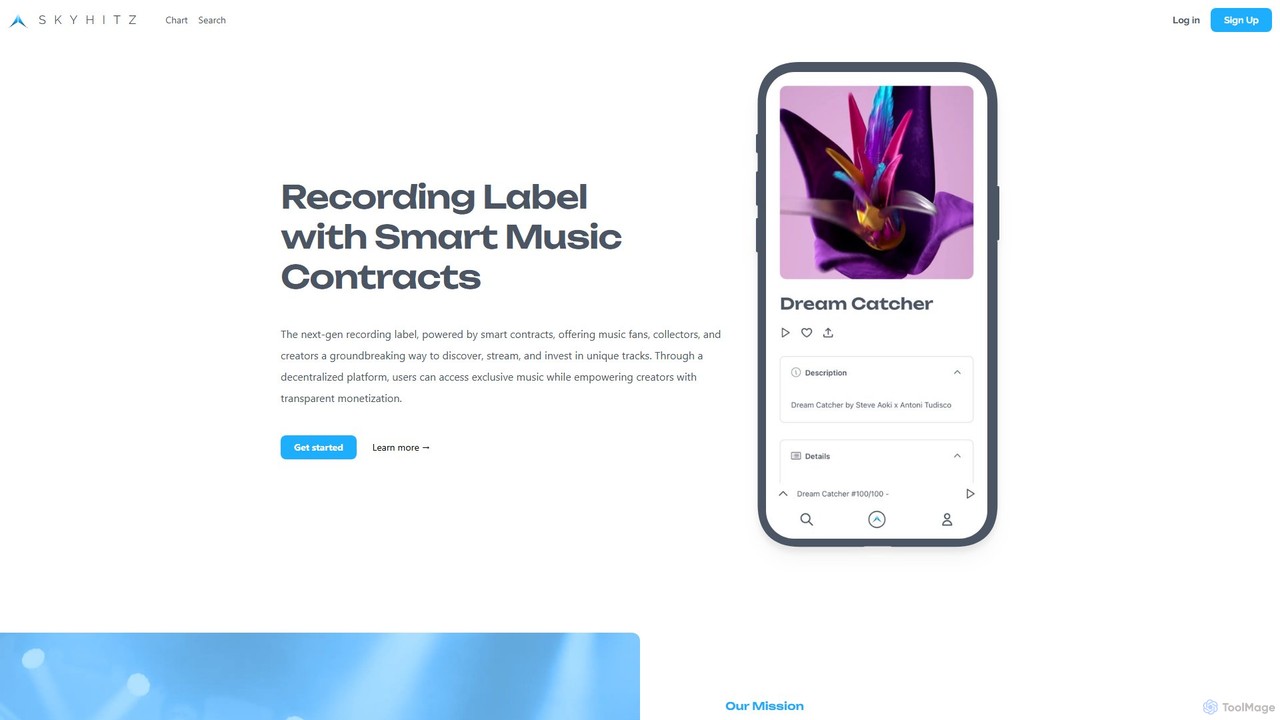
Skyhitz is a next-generation recording label powered by blockchain technology. It allows music creators to monetize their work as Music NFTs (MFTs) and offers fans a unique way to discover, stream, and invest in music. By leveraging smart contracts on the Stellar network, Skyhitz creates a transparent ecosystem where interactions like streaming and liking generate revenue, and fans can earn returns by investing in their favorite tracks.

Music
Visits 4.1KFavorites 99Likes 109

About Nfts

NFTs (Non-Fungible Tokens) are unique digital assets whose ownership is immutably recorded on a blockchain, ensuring verifiable scarcity and authenticity. Unlike cryptocurrencies, each NFT is distinct and cannot be replaced by another, making them ideal for representing unique items. This technology enables true digital ownership for various forms of digital content, from art and collectibles to in-game items and virtual land, revolutionizing digital commerce and creative industries within the broader Web3 ecosystem.

Core Features

  • Unique Digital Ownership: Provides verifiable and immutable proof of ownership for digital assets on a blockchain.
  • Scarcity and Authenticity: Guarantees the limited supply and genuine origin of digital items, preventing counterfeiting.
  • Decentralized Trading: Facilitates peer-to-peer buying, selling, and trading of digital assets without intermediaries.
  • Smart Contract Integration: Embeds automated rules and conditions, such as royalty payments to creators on secondary sales.
  • Interoperability Potential: Allows certain NFTs to be used across different platforms, games, and metaverse environments.

Applicable Scenarios

NFTs are transforming how digital assets are created, owned, and exchanged across various sectors. They are widely used by digital artists to monetize their work, by game developers to create player-owned economies, and by brands to build exclusive communities. Collectors and investors also leverage NFTs for unique digital collectibles and speculative assets.

How to Choose

When exploring NFTs, consider the underlying blockchain platform (e.g., Ethereum, Solana) for transaction costs and ecosystem size. Evaluate the marketplace's features, security protocols, and the community surrounding specific NFT projects. Also, assess the utility or artistic value of the NFT and the reputation of its creator or project team.

Featured tool rankings

Nfts use cases

1

Digital Art Collection & Investment

Digital artists mint unique artworks as NFTs, allowing collectors to purchase verifiable ownership. This empowers artists with new monetization avenues and provides collectors with authentic, scarce digital assets that can appreciate in value and be displayed in virtual galleries or personal collections.

2

In-Game Asset Ownership

Gamers can truly own their in-game items, characters, or virtual currency as NFTs. These assets can be freely traded on marketplaces, used across compatible games, or even rented out, creating new play-to-earn economies and giving players more control over their digital possessions.

3

Virtual Land & Metaverse Development

Individuals and businesses acquire virtual plots of land in metaverse platforms as NFTs. This digital real estate can be developed, rented, or sold, serving as spaces for virtual events, advertising, gaming, or social interaction, fostering new forms of digital economies and experiences.

4

Music & Entertainment Royalties

Musicians and content creators can tokenize their work, selling NFTs that represent ownership, fractional royalties, or exclusive access to content. This allows creators to connect directly with fans, receive ongoing royalties from secondary sales, and build a more equitable distribution model.

5

Brand Loyalty & Community Building

Brands issue NFTs to create exclusive membership clubs, offer unique rewards, or grant access to special events and content. This fosters deeper engagement with customers, builds strong brand communities, and provides a new mechanism for loyalty programs and personalized experiences.

6

Digital Identity & Certificates

NFTs can serve as verifiable digital credentials, such as event tickets, academic certificates, or proof of attendance. This provides a secure, tamper-proof method for issuing and verifying digital identity elements, reducing fraud and streamlining authentication processes in various sectors.

Nfts FAQ

What are NFTs (Non-Fungible Tokens)?

NFTs are unique digital assets whose ownership is recorded on a blockchain, making them one-of-a-kind and non-interchangeable. Unlike cryptocurrencies, each NFT has distinct properties and value, representing items like digital art, music, collectibles, or virtual land. They provide verifiable proof of ownership and authenticity in the digital realm.

How do NFTs work?

NFTs work by leveraging blockchain technology. When an NFT is "minted," a unique token is created on a blockchain (like Ethereum or Solana) that links to a specific digital asset. This token contains metadata about the asset, its creator, and its transaction history, establishing immutable proof of ownership and provenance. Smart contracts automate rules for transfers and royalties.

What are the main applications of NFTs?

NFTs have diverse applications, primarily in digital art and collectibles, where they enable artists to monetize unique digital creations and collectors to own verifiable pieces. Other significant uses include in-game assets for play-to-earn gaming, virtual land ownership in metaverses, music royalties, brand loyalty programs, and digital identity or certification.

How do I choose an NFT marketplace?

When selecting an NFT marketplace, consider the blockchain it supports (e.g., Ethereum, Polygon, Solana), as this affects transaction fees and available projects. Look at the variety of NFTs offered, the platform's security measures, user interface, and community features. Also, compare fee structures (listing, transaction, royalty) and ensure it aligns with your specific needs for buying, selling, or minting.

What is the difference between NFTs and cryptocurrencies?

The fundamental difference lies in fungibility. Cryptocurrencies like Bitcoin or Ethereum are fungible, meaning each unit is identical and interchangeable with another (e.g., one BTC is always equal to another BTC). NFTs, however, are non-fungible; each token is unique and cannot be replaced by another identical token, making them suitable for representing distinct digital assets with individual value and properties.