ToolMage
Sign in

Best 3 Blogging AI tools for Writing

Popular Blogging AI tools in Writing include AIFreeforever, Seth's Blog, and Publish Studio, helping you work more efficiently.

AIFreeforever
Free

AIFreeforever

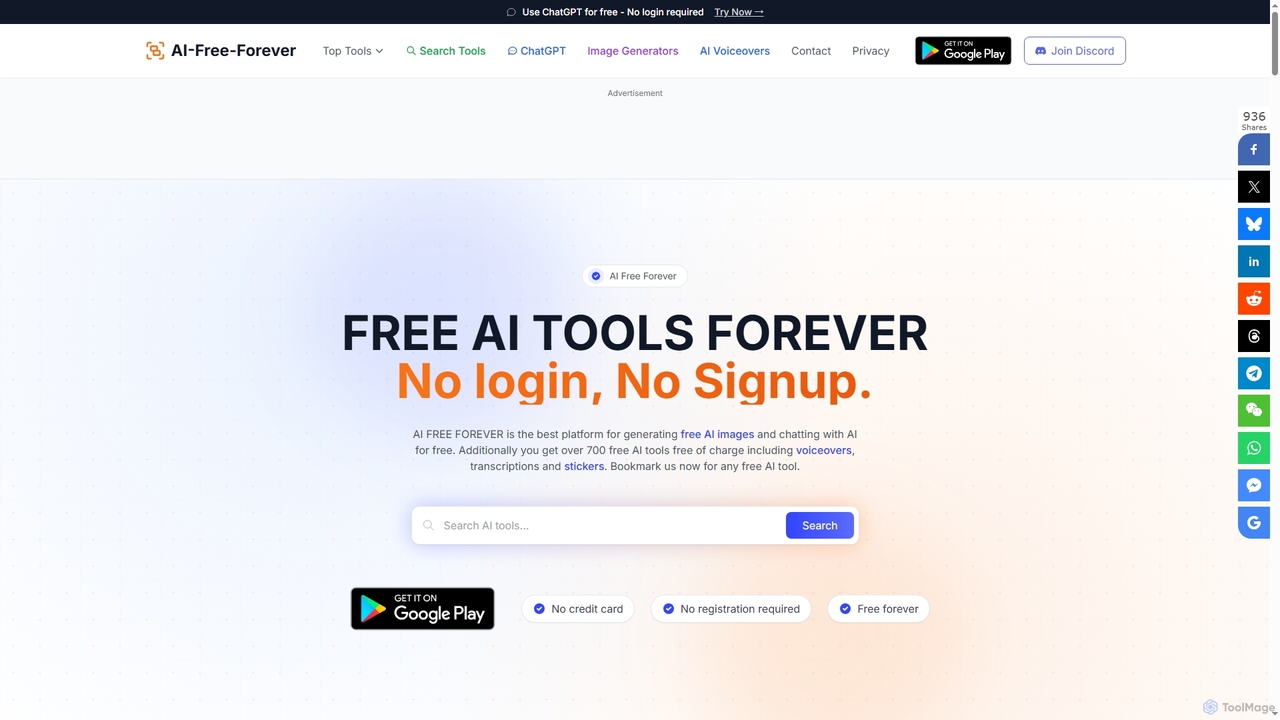
AIFreeforever is a comprehensive platform offering over 700 free AI tools for image generation, chatbots, text-to-speech, transcription, writing, and more. It requires no login, no signup, and no credit card, providing unlimited access to advanced AI capabilities for content creators, students, and professionals.

Text To Speech
Visits 562.3KFavorites 118Likes 136
Publish Studio
Freemium

Publish Studio

Publish Studio is an all-in-one, AI-powered content creation and publishing platform. It helps creators, marketers, and bloggers streamline their workflow by providing tools to write, organize, schedule, and publish content to multiple platforms like WordPress, Medium, and social media from a single dashboard.

Image Editing
Visits 4.8KFavorites 127Likes 140
Seth's Blog
Free

Seth's Blog

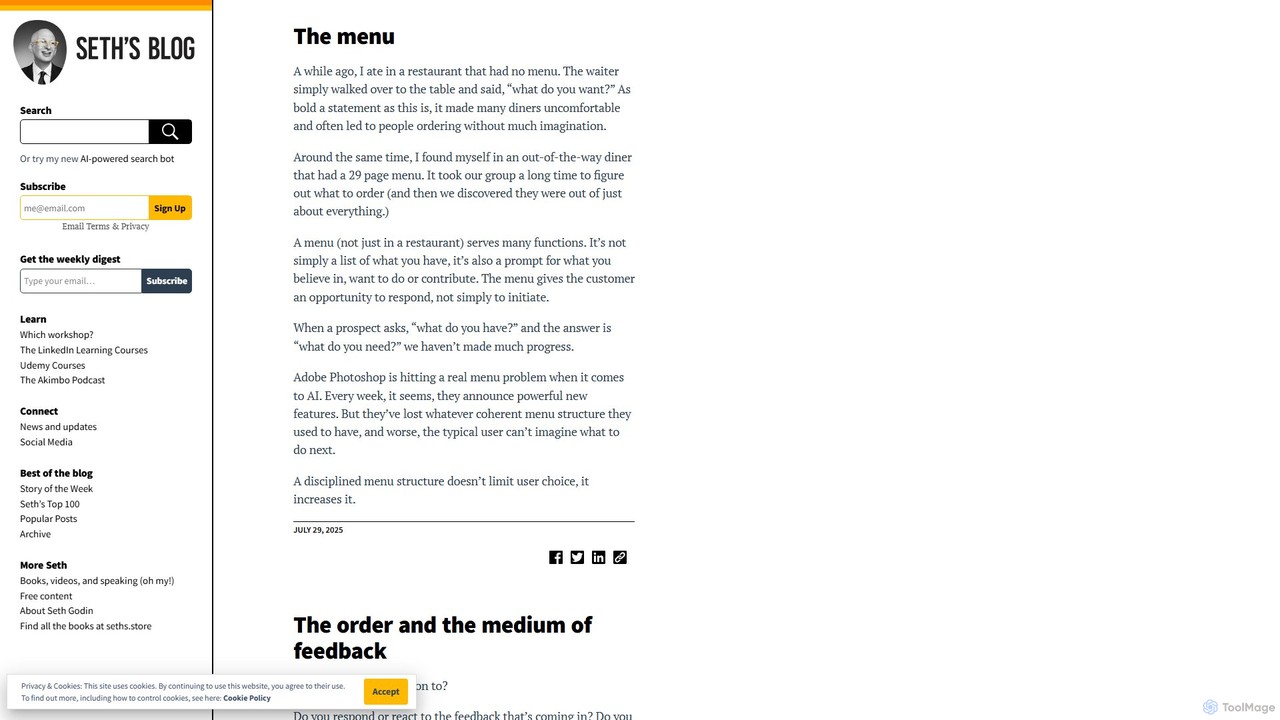
Seth's Blog is a daily source of wisdom from marketing guru Seth Godin. Featuring an AI-powered search bot, it allows users to instantly navigate nearly 10,000 posts to find profound insights on marketing, leadership, creativity, and the nature of work.

Leadership
Visits 187.3KFavorites 87Likes 96

About Blogging

AI Blogging tools are a specialized category of writing assistants designed to streamline the entire blog content creation workflow. They utilize advanced language models to generate complete articles, from topic ideation and outlining to drafting and SEO optimization. This enables creators and marketers to produce high-quality, long-form content at scale, overcoming writer's block and reducing research time. Many tools go beyond simple text generation, offering features like SERP analysis and content brief creation to improve search engine rankings.

Core Features

  • Full-Article Generation: Creates complete, structured blog posts from a single prompt or keyword.
  • SEO Optimization: Includes features for keyword integration, readability analysis, and meta description generation.
  • Content Idea & Outline Creation: Generates relevant blog topics and detailed outlines to guide the writing process.
  • Factual Accuracy & Research: Some tools can access real-time data to include up-to-date information and citations.
  • CMS Integration: Offers direct integration with platforms like WordPress for seamless content publishing workflows.

Use Cases

These tools are widely used by content marketing teams to scale their content strategy, SEO agencies to produce optimized articles for clients, and solo bloggers to maintain a consistent publishing schedule. They are also valuable for businesses looking to establish thought leadership through a corporate blog without hiring a large writing team.

How to Choose

When selecting an AI blogging tool, consider the quality and coherence of the generated content. Evaluate its SEO capabilities, such as keyword research and on-page optimization features. Check for integrations with your existing Content Management System (CMS), and assess the pricing model based on your content volume needs. Finally, look for features like plagiarism checkers and factual verification to ensure content integrity.

Blogging use cases

1

Rapid Content Creation for Niche Blogs

A solo blogger focusing on a niche topic like 'urban gardening for beginners' needs to publish two high-quality articles per week to build an audience. By using an AI blogging tool, they can input a topic like 'best soil mixes for container vegetables' and receive a comprehensive, structured draft in minutes. This allows them to focus their time on adding personal insights, custom images, and engaging with their community, effectively doubling their content output without sacrificing quality.

2

Scaling SEO-Driven Content Marketing

A marketing team at a SaaS company is tasked with increasing organic traffic by 50% in six months. They use an AI blogging tool with strong SEO features. The tool helps them identify long-tail keywords, analyzes top-ranking competitor articles, and generates detailed content briefs. The team then uses the AI to produce first drafts of 10-15 optimized articles per month, covering all identified topics. This allows their in-house experts to focus on refining and fact-checking, enabling them to scale their content production dramatically and meet their traffic goals.

3

Repurposing Video Content into Blog Posts

A content creator with a popular YouTube channel wants to reach a new audience that prefers reading. They use an AI blogging tool to repurpose their video content. After uploading a video transcript, the AI transforms the conversational dialogue into a well-structured, readable blog post, complete with headings, lists, and a compelling introduction and conclusion. This process takes less than 30 minutes per video, allowing the creator to maintain a blog with minimal extra effort and drive traffic from search engines to their video content.

4

Automating Blog Post Updates and Refreshes

An SEO manager for an established tech blog notices that several high-traffic articles from two years ago are becoming outdated. They use an AI blogging tool that can analyze existing content. The tool identifies outdated statistics, suggests new internal links, and recommends sections to expand upon based on current search trends. The manager uses the AI to quickly generate updated paragraphs and rewrite sections, reducing the time to refresh a single article from several hours to under an hour, thus preserving and improving their search rankings.

5

Generating Multilingual Blog Content for a Global Audience

A global e-commerce brand wants to engage with customers in different regions through localized blog content. Instead of hiring multiple translation agencies, their marketing team uses an AI blogging tool with advanced translation and localization features. They create a master article in English about 'Top 5 Summer Fashion Trends'. The AI then generates high-quality, culturally nuanced versions for Spanish, German, and Japanese markets, adapting idioms and examples. This allows them to launch a global content campaign simultaneously, ensuring brand consistency across all regions.

6

Creating Supporting Blog Content for E-commerce

An e-commerce manager for an online store selling kitchen gadgets needs to attract customers during their research phase. They use an AI blogging tool to create a content cluster around their main products. For a new high-end blender, they generate articles like '10 Healthy Smoothie Recipes', 'Blender vs. Juicer: Which is Right for You?', and 'How to Clean Your Blender in 60 Seconds'. This supporting content helps them rank for informational keywords, establishes their brand as an authority, and naturally funnels interested readers to their product pages, boosting conversions.

Blogging FAQ

What are AI Blogging tools?

AI Blogging tools are specialized software designed to automate and assist in the creation of long-form blog content. Unlike general AI writers, they are specifically optimized for tasks central to blogging, such as generating SEO-friendly articles, creating structured outlines, conducting topic research, and integrating with Content Management Systems (CMS). Their primary goal is to help content creators, marketers, and businesses produce high-quality, relevant blog posts efficiently and at scale.

How to choose the right AI Blogging tool?

Choosing the right tool depends on your specific needs. Consider these factors:

  • Content Quality: Evaluate the tool's ability to produce coherent, accurate, and well-written long-form content. Look for user reviews or test it with a trial.
  • SEO Features: Check for built-in SEO capabilities like keyword analysis, SERP analysis, internal linking suggestions, and meta description generation.
  • Workflow Integration: Does it integrate with your CMS (e.g., WordPress, Ghost) or other marketing tools? A smooth workflow saves significant time.
  • Factual Accuracy: If you write about technical or data-heavy topics, choose a tool that can access real-time information or provide citations.
  • Pricing: Compare pricing models (subscription, pay-per-word) and choose one that aligns with your content production volume.
What's the difference between AI Blogging and general AI Writing tools?

The main difference is specialization. General AI writing tools are versatile, designed for a wide range of tasks like emails, social media posts, and ad copy. AI Blogging tools are a specialized subset focused on the unique demands of long-form blog content. They typically include features absent in general writers, such as in-depth SEO analysis, competitor research, structured outline generation for articles, and direct integration with blogging platforms. This focus makes them more effective for creating comprehensive, high-ranking blog posts.

Can AI Blogging tools replace human writers?

AI blogging tools are best viewed as powerful assistants rather than replacements for human writers. They excel at automating repetitive and time-consuming tasks like initial research, drafting, and basic SEO. However, human writers are essential for adding critical thinking, unique perspectives, brand voice, and nuanced storytelling. The most effective approach is a collaboration: using AI to handle the heavy lifting of content generation, freeing up human writers to focus on high-level strategy, editing, and adding the creative touches that resonate with an audience.

Who should use AI Blogging tools?

AI blogging tools are beneficial for a wide range of users who need to create long-form content efficiently. Key user groups include:

  • Content Marketers: To scale content production, improve SEO rankings, and maintain a consistent publishing schedule.
  • SEO Specialists: For keyword research, competitor analysis, and creating optimized content briefs and drafts at scale.
  • Solo Bloggers and Entrepreneurs: To overcome writer's block, save time on research and writing, and compete with larger publications.
  • Marketing Agencies: To efficiently produce high-quality blog content for multiple clients with varying needs.
  • E-commerce Businesses: To create supporting blog content like buying guides and tutorials that drive traffic and sales.