Papers
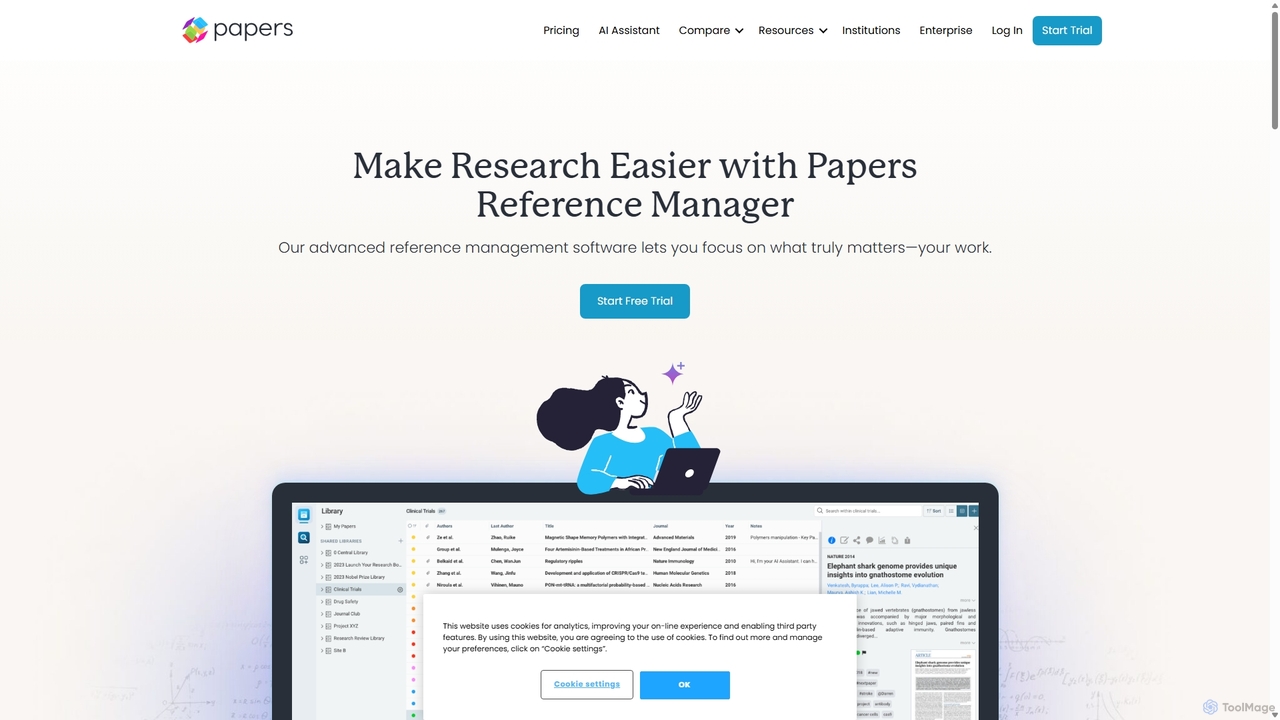
Papers is an advanced AI-powered reference management software designed for students, academics, and corporate researchers. It helps you …
Papers is an advanced AI-powered reference management software designed for students, academics, and corporate researchers. It helps you organize, discover, analyze, and cite your research materials, streamlining your entire workflow from literature discovery to manuscript writing.
scite
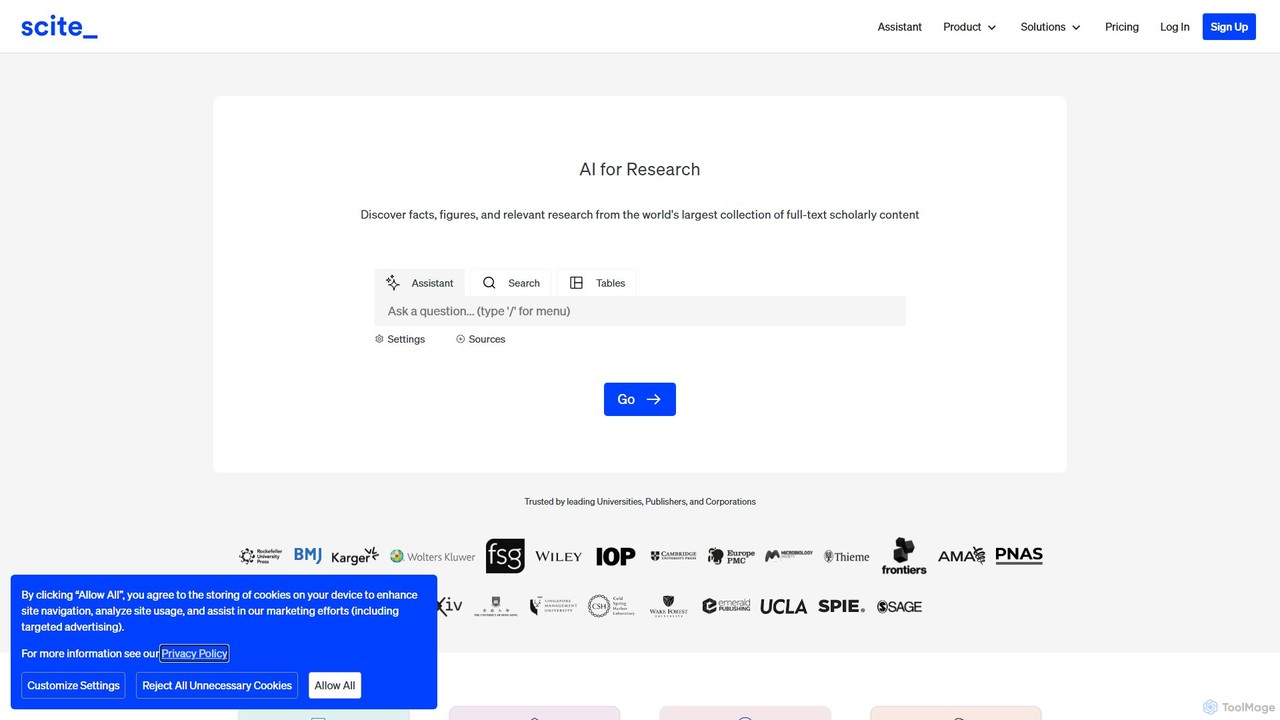
scite is an AI-powered research platform that helps users discover and evaluate scientific literature. Its core feature, Smart …
scite is an AI-powered research platform that helps users discover and evaluate scientific literature. Its core feature, Smart Citations, shows how research papers have been cited by others, classifying citations as supporting, contrasting, or mentioning, thus providing deeper context beyond simple citation counts.
kOS
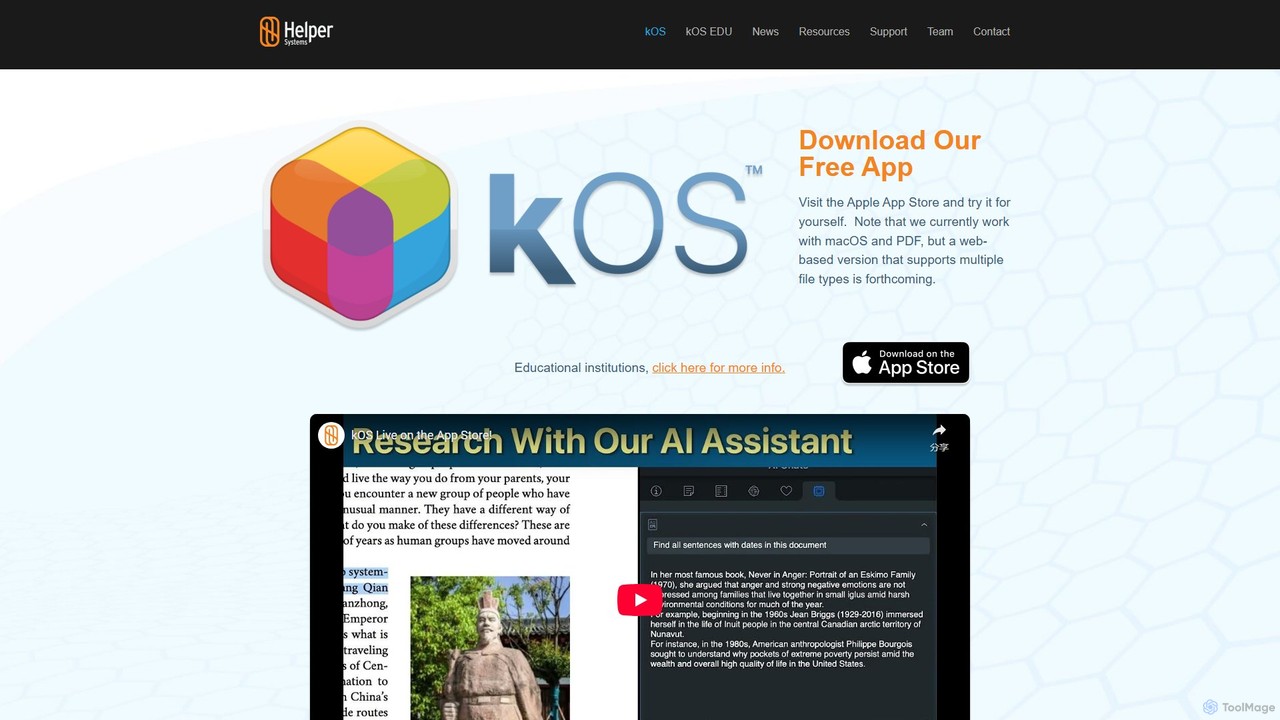
kOS by Helper Systems is an AI-powered research application for macOS designed to enhance PDF analysis, ensure academic …
kOS by Helper Systems is an AI-powered research application for macOS designed to enhance PDF analysis, ensure academic integrity, and streamline the research workflow. It allows users to create searchable PDF databases, interact with an AI assistant, and generate a 'proof of work' to validate their research process, bridging the gap between using AI tools and maintaining academic honesty.
About Citation
AI Citation tools are specialized applications that automate the creation, formatting, and management of academic and professional references. These tools parse data from sources like articles, books, or websites using AI to generate accurate citations in various styles such as APA, MLA, and Chicago. Their primary value lies in significantly reducing manual effort, minimizing formatting errors, and upholding academic integrity. As a key part of the AI Writing ecosystem, they streamline the crucial research and finalization stages of producing scholarly work.
Core Features
- Automatic Citation Generation: Instantly creates full citations from a URL, DOI, ISBN, or PDF file.
- Multi-Style Formatting: Converts references between hundreds of citation styles with a single click.
- Reference Library Management: Organizes all sources for a project into a searchable and shareable central library.
- In-text Citation Integration: Works with word processors like Word or Google Docs to insert correctly formatted in-text citations or footnotes.
- Source Data Verification: Cross-references metadata to enhance the accuracy and completeness of citation information.
Applicable Scenarios
These tools are essential for students, academics, researchers, and scientists engaged in writing theses, dissertations, and journal articles. They are also valuable for journalists, technical writers, and legal professionals who need to meticulously document their sources. Any workflow that requires precise and consistent referencing benefits from the automation these tools provide.
Selection Criteria
When choosing an AI Citation tool, consider the range of supported citation styles and the accuracy of the output. Evaluate its integration capabilities with your preferred word processor and its methods for importing sources (e.g., browser extension, direct PDF upload). Also, assess the collaboration features for team projects and the balance between free features and premium subscription costs.

CitationUse Cases
Streamlining Academic Thesis Writing
A graduate student writing a dissertation manages hundreds of sources, from journal articles to books. Using an AI citation tool, they create a centralized library. As they write, the tool's word processor plugin allows them to insert in-text citations instantly. Upon completion, the tool generates a perfectly formatted bibliography in the university's required style (e.g., APA 7th), saving dozens of hours of tedious manual formatting and reducing the risk of plagiarism.
Collaborative Research Paper Writing
A team of researchers across different institutions is co-authoring a paper for a scientific journal. They use a cloud-based AI citation tool to create a shared reference library. Each team member can add sources as they conduct their research. The tool syncs automatically, ensuring everyone has access to the latest list. This prevents duplicate entries and ensures consistency in citation formatting throughout the document, simplifying the final submission process to the publisher.
Creating Annotated Bibliographies for Coursework
An undergraduate student is assigned to create an annotated bibliography for a history class. Instead of manually typing out each citation, they use a browser extension from an AI citation tool to capture source information from websites and academic databases with one click. The tool instantly formats the citations correctly. This allows the student to focus their time and energy on the more critical part of the assignment: writing the summaries and analyses for each source.
Fact-Checking and Sourcing for Journalism
An investigative journalist is working on a complex story involving numerous online reports, official documents, and interviews. They use an AI citation tool as a central repository to save and organize every piece of evidence. The tool's ability to quickly grab webpage snapshots and metadata creates a verifiable trail. This organized library simplifies the fact-checking process and allows for the quick generation of a source list for editors or for publication, enhancing the article's credibility.
Managing References for Legal and Technical Documents
A legal professional is drafting a brief that must reference numerous statutes, case laws, and scholarly articles, each requiring a specific legal citation format (e.g., Bluebook). An AI citation tool, especially one with legal style support, automates this complex process. It helps maintain a clean and organized list of all cited authorities, ensures each citation is formatted correctly, and can generate tables of authorities, which is a critical and time-consuming task in legal writing.
Building a Personal Knowledge Management System
A lifelong learner or independent researcher uses an AI citation tool not just for specific projects, but as a long-term personal knowledge base. Whenever they read an insightful article or book, they save it to their citation library, adding tags and personal notes. Over time, this creates a powerful, searchable database of all the content they have consumed. When they need to write a blog post, prepare a presentation, or simply recall a source, their entire library is organized and ready to be cited.