Writing Best in category 2 results Content Detection AI Tool

Popular AI tools in the Content Detection field of Writing include GPT-2 Output Detector、AI Copy Scanner, etc., helping you quickly improve efficiency.

Free
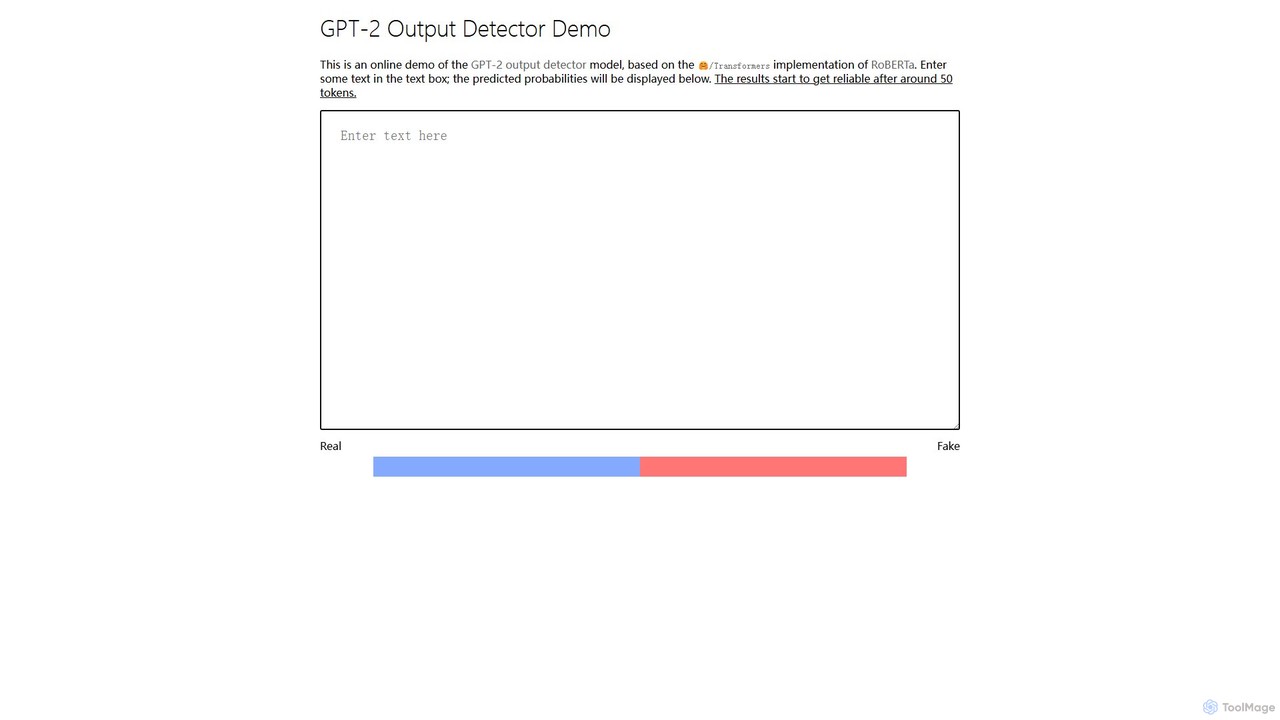
GPT-2 Output Detector

GPT-2 Output Detector

A free online tool to detect AI-generated text, specifically from the GPT-2 model. Based on the RoBERTa architecture …

8.9K
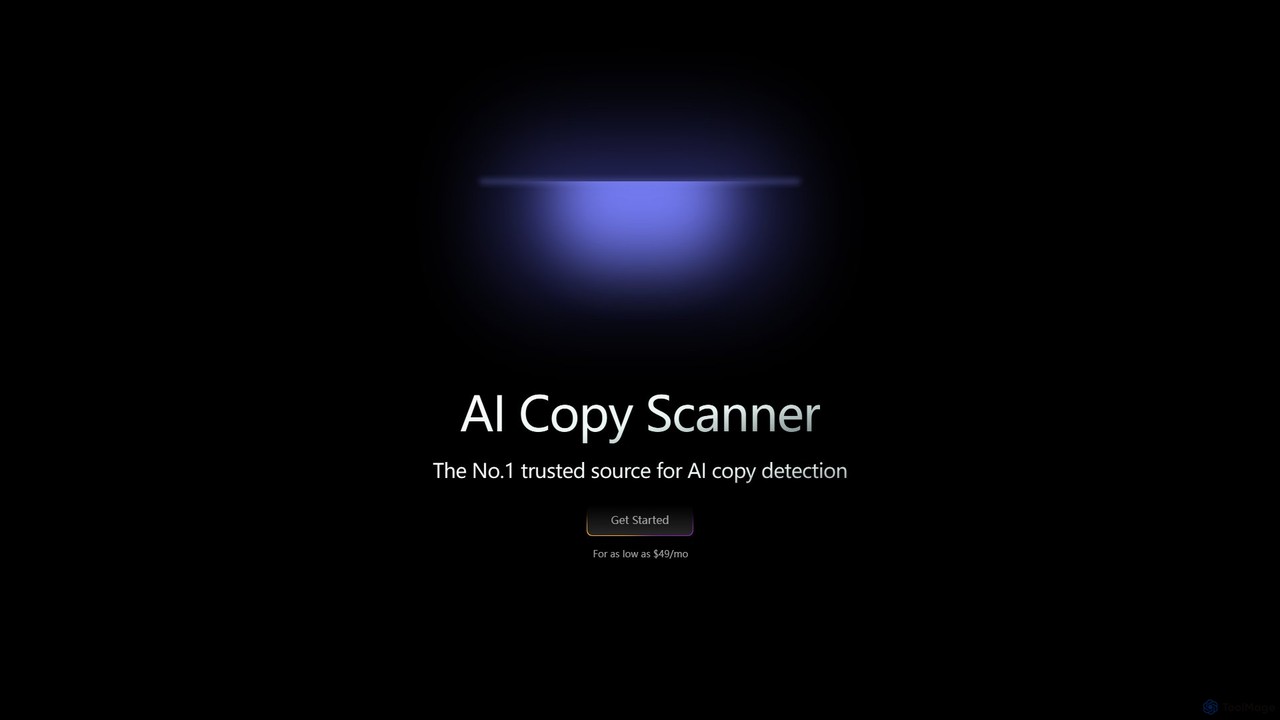
AI Copy Scanner

AI Copy Scanner

AI Copy Scanner is a premium AI content detection tool designed for professionals. It offers high-accuracy analysis to …

2.6K

About Content Detection

Content Detection tools are a specialized category of AI software designed to analyze text and determine its origin, primarily distinguishing between human-written and AI-generated content. These tools utilize advanced natural language processing (NLP) and machine learning models, trained on vast datasets of text, to identify statistical patterns, perplexity, and burstiness characteristic of machine-generated writing. Their primary value lies in upholding academic integrity, ensuring content authenticity for publishers, and maintaining quality standards in digital marketing. They serve as a critical verification layer in an era of widespread AI-assisted writing.

Core Features

  • AI Probability Score: Provides a percentage or score indicating the likelihood that a piece of text was generated by an AI.
  • Sentence-level Highlighting: Visually identifies specific sentences or passages that exhibit strong AI-like characteristics.
  • Source Model Identification: Some advanced detectors can suggest which specific AI model (e.g., GPT-4, Claude) may have been used to generate the text.
  • Readability and Linguistic Analysis: Offers insights into text complexity, word choice, and sentence structure to aid in the detection process.
  • API Integration: Allows for seamless integration into content management systems (CMS), learning management systems (LMS), and editorial workflows.

Use Cases

Content Detection tools are essential for educators, academic institutions, and examination bodies to verify the originality of student submissions. Publishers, editors, and content managers use them to screen articles from freelancers and contributors, ensuring authenticity and protecting their brand's voice. SEO agencies and digital marketers also rely on these tools to audit content and avoid potential negative impacts from search engines on what might be perceived as low-quality, automated content.

How to Choose

When selecting a Content Detection tool, consider its claimed accuracy rate and its tolerance for false positives. Evaluate the depth of its analysis, such as whether it provides sentence-level feedback. Check for necessary integrations, like API access or browser extensions, to fit your workflow. Finally, assess the pricing model—whether it's based on word count, number of documents, or a monthly subscription—to ensure it aligns with your usage volume and budget.

Content DetectionUse Cases

1

Verifying Academic Integrity in Education

An educator at a university needs to ensure the originality of student essays and research papers. They use a Content Detection tool by uploading student submissions in batches. The tool scans each document and provides a report highlighting sections with a high probability of being AI-generated. This allows the educator to quickly identify potential academic dishonesty, uphold institutional standards, and have informed conversations with students about proper citation and original work, saving hours of manual review.

2

Maintaining Content Authenticity for Digital Publishers

An editor for a high-traffic online magazine receives dozens of article submissions from freelance writers daily. To protect the publication's reputation, they integrate a Content Detection API into their content management system (CMS). Every submitted draft is automatically scanned. If a submission is flagged for high AI content probability, it is routed for a more thorough manual review. This automated first-pass screening ensures that only authentic, human-written content proceeds to the editorial stage, maintaining quality and reader trust.

3

SEO Quality Control for Content Agencies

An SEO agency manages content production for multiple clients and needs to avoid publishing content that could be flagged by search engines as low-value or spammy. The content manager establishes a workflow where all final drafts, whether written in-house or by contractors, are run through a Content Detection tool. This step serves as a final quality check to ensure the content reads naturally and doesn't exhibit patterns of AI generation that might hinder search performance. It helps the agency deliver high-quality, reliable content that ranks well.

4

Screening User-Generated Content at Scale

A large online forum or review platform faces a constant influx of user-generated content. To combat spam and low-quality automated posts, their moderation team uses a Content Detection API. The API automatically analyzes new submissions in real-time. Posts exceeding a certain AI-generated threshold are automatically quarantined for human review or rejected. This automates a significant portion of the moderation process, allowing the human team to focus on nuanced cases and community engagement, thereby improving the overall quality of the platform's content.

5

Protecting Brand Voice and Authenticity

A marketing department for a global brand prides itself on a unique and human-centric brand voice. They hire multiple content creators and agencies. To ensure consistency and authenticity, all draft content for blogs, social media, and web copy is passed through a Content Detection tool. This helps the brand manager confirm that the content is not generic AI output but reflects the nuanced, creative input expected from their human writers. It acts as a safeguard to maintain the brand's personality and connection with its audience.

6

Validating Originality in Grant and Legal Submissions

A research institution processing grant applications needs to verify that the proposals are the original work of the applicants. Similarly, a legal tech firm may need to confirm that initial document drafts were prepared by paralegals, not just generated by an AI. In both scenarios, a Content Detection tool is used as a preliminary check. It flags submissions that show signs of heavy AI involvement, allowing for closer scrutiny and ensuring compliance with originality requirements, thereby protecting the integrity of the selection or legal process.

Content DetectionFrequently Asked Questions