Writing Best in category 3 results Localization AI Tool

Popular AI tools in the Localization field of Writing include GPT Translator、unicodetokruti、SagaLabs, etc., helping you quickly improve efficiency.

Free
unicodetokruti

unicodetokruti

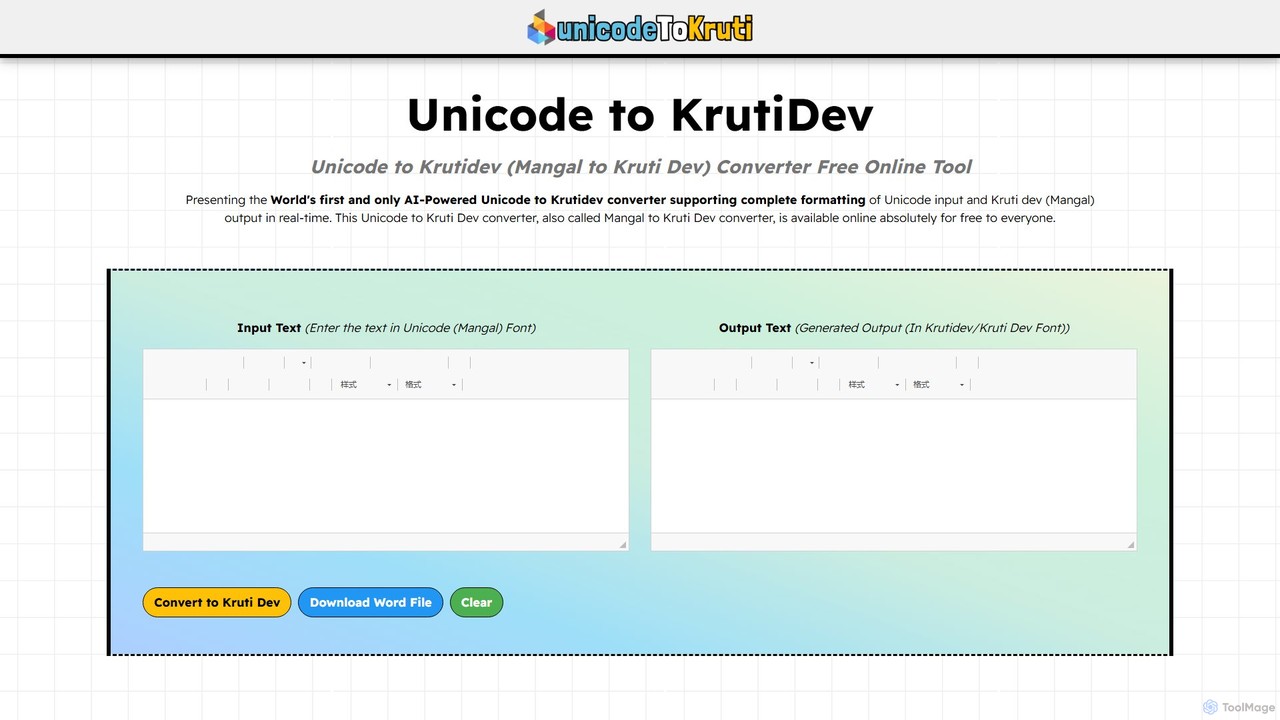
A free, AI-powered online tool for converting Devanagari text from Unicode (Mangal font) to the legacy Kruti Dev …

5.4K
SagaLabs

SagaLabs

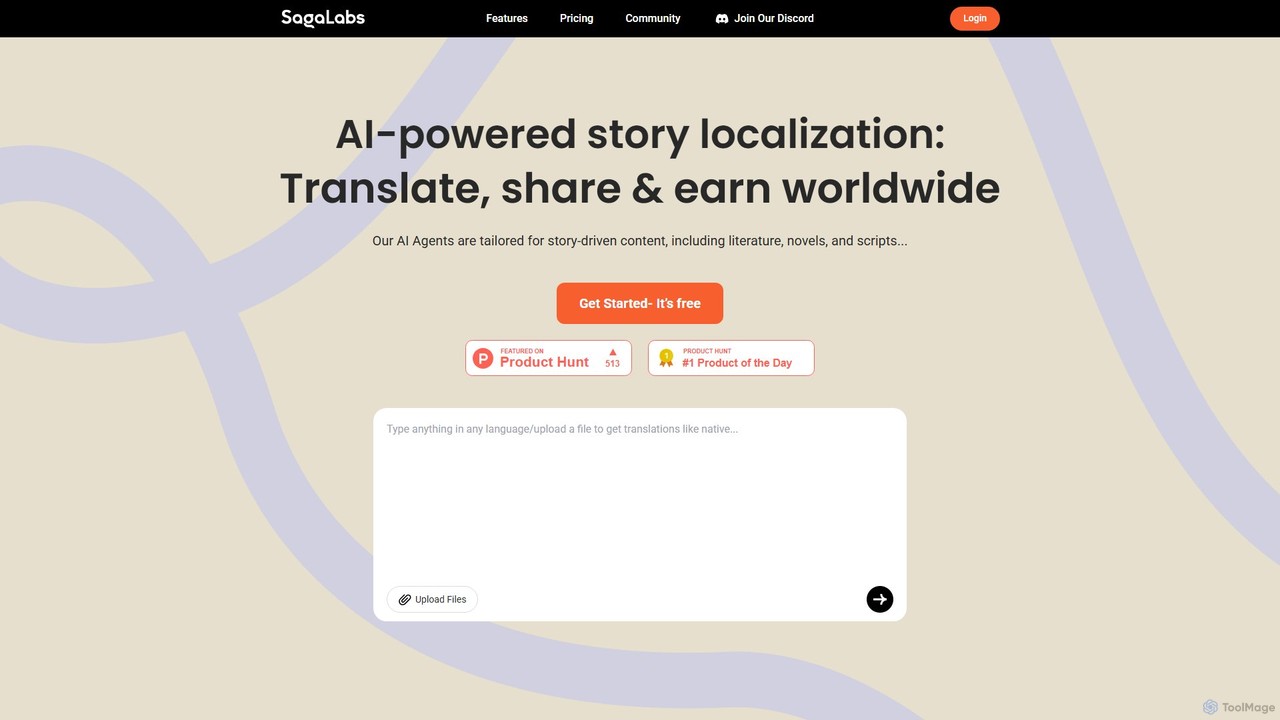
SagaLabs is an AI-powered translation and localization platform specifically designed for story-driven content. It helps authors, game developers, …

2.2K
GPT Translator

GPT Translator

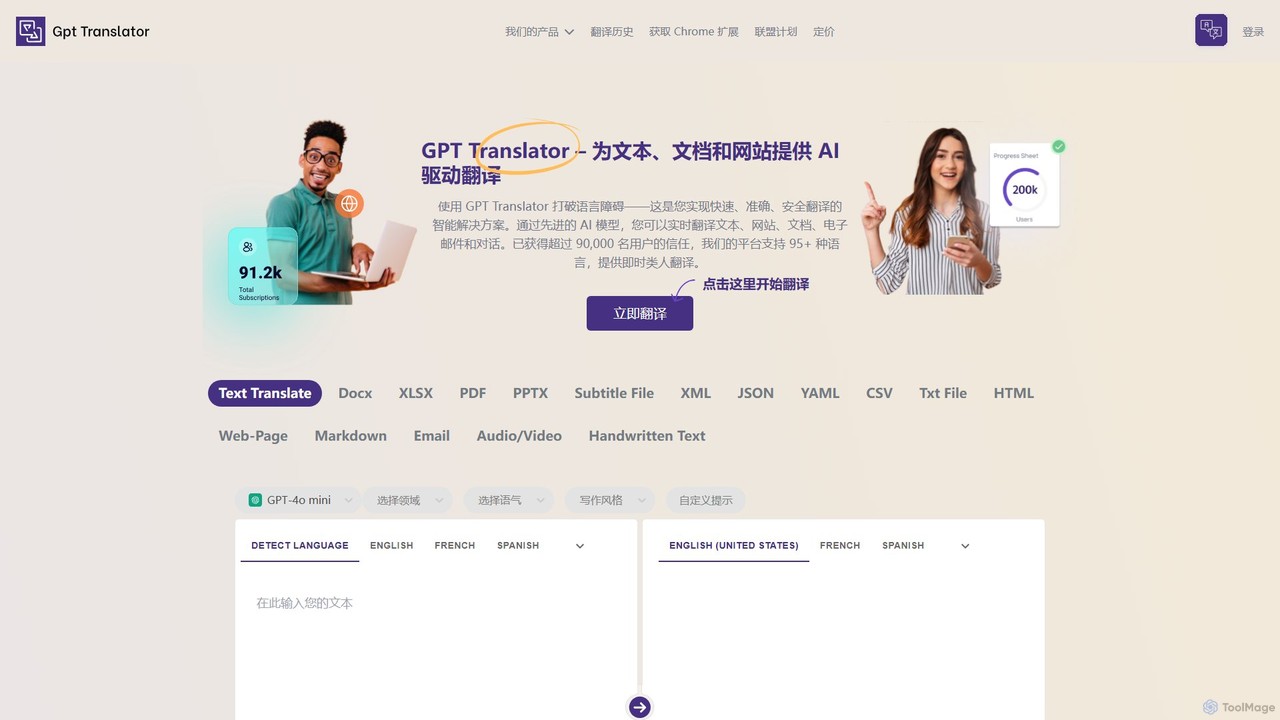
GPT Translator is an advanced AI-powered translation tool that supports over 100 languages. It handles various formats including …

32.1K

About Localization

AI localization tools are specialized AI-powered solutions designed to adapt content for specific linguistic, cultural, and technical requirements of target markets. These tools leverage advanced natural language processing (NLP), machine translation (MT), and cultural intelligence to go beyond mere translation, ensuring content resonates authentically with local audiences. As a crucial subset of AI writing tools, they enable businesses and creators to efficiently expand their global reach, maintaining brand consistency and cultural relevance across diverse regions.

Core Features

  • Advanced Machine Translation: Provides high-quality, context-aware translations for various content types.
  • Terminology Management: Ensures consistent use of brand-specific terms and industry jargon across all localized content.
  • Translation Memory Integration: Stores previously translated segments to improve consistency and reduce costs for repetitive content.
  • Cultural Adaptation: Identifies and suggests modifications for cultural nuances, idioms, and local preferences beyond direct translation.
  • Content Quality Assurance: Automatically checks for linguistic errors, style guide adherence, and cultural appropriateness.

Applicable Scenarios

AI localization tools are indispensable for global enterprises, e-commerce platforms, software developers, and content creators aiming for international expansion. They streamline the process of adapting websites, marketing materials, product documentation, and user interfaces, ensuring a seamless and culturally relevant experience for users worldwide. These tools are particularly valuable when speed and scale are critical for market entry.

How to Choose

When selecting an AI localization tool, consider its translation quality for your target languages, the breadth of its cultural adaptation features, and its integration capabilities with existing content management systems (CMS) or development workflows. Evaluate its support for various content formats (text, audio, video) and its scalability to handle your projected content volume. Additionally, assess the level of human oversight or post-editing required and the overall cost-effectiveness.

LocalizationUse Cases

1

Localizing Global Marketing Campaigns

Marketing teams can use AI localization tools to adapt campaign slogans, ad copy, and promotional materials for multiple international markets simultaneously. By inputting original content, the AI not only translates but also suggests culturally appropriate imagery, tone, and references, ensuring the message resonates with local consumers and avoids potential misinterpretations, significantly accelerating global campaign launches.

2

Adapting Software User Interfaces (UI)

Software developers and product managers utilize AI localization tools to translate and culturally adapt application interfaces, menus, and help files. The tools help ensure that UI elements fit within character limits, date/time formats are correct, and icons or colors are culturally appropriate, providing a native user experience for users in different regions without extensive manual review.

3

Scaling E-commerce Product Descriptions

E-commerce businesses with extensive product catalogs can leverage AI localization to translate and optimize product descriptions, specifications, and reviews for various international storefronts. This allows for rapid expansion into new markets, ensuring product information is accurate, appealing, and culturally relevant to local buyers, driving higher conversion rates and reducing manual translation bottlenecks.

4

Creating Multilingual Customer Support Content

Customer service departments employ AI localization tools to translate FAQs, knowledge base articles, chatbots, and support tickets into multiple languages. This ensures that customers worldwide receive consistent and accurate support in their native language, improving customer satisfaction and reducing the workload on human support agents by automating the initial translation and adaptation of support resources.

5

Localizing Video Subtitles and Voiceovers

Media companies and content creators use AI localization tools to generate accurate subtitles and even AI-powered voiceovers for videos in various languages. These tools can synchronize translated text with video timing, adapt for reading speed, and ensure cultural relevance in dialogue, making video content accessible and engaging for a global audience without the high costs of traditional dubbing studios.

6

Ensuring Legal and Compliance Document Adaptation

Legal and compliance teams in multinational corporations use AI localization tools to translate and adapt contracts, terms of service, privacy policies, and regulatory documents for different jurisdictions. While human review remains crucial for legal texts, AI tools provide a robust first pass, ensuring consistent terminology and identifying potential areas for cultural or legal adaptation, significantly speeding up the compliance process.

LocalizationFrequently Asked Questions