Writing Best in category 3 results Research Assistant AI Tool

Popular AI tools in the Research Assistant field of Writing include Novice、docuquote、ChatEngram, etc., helping you quickly improve efficiency.

ChatEngram

ChatEngram

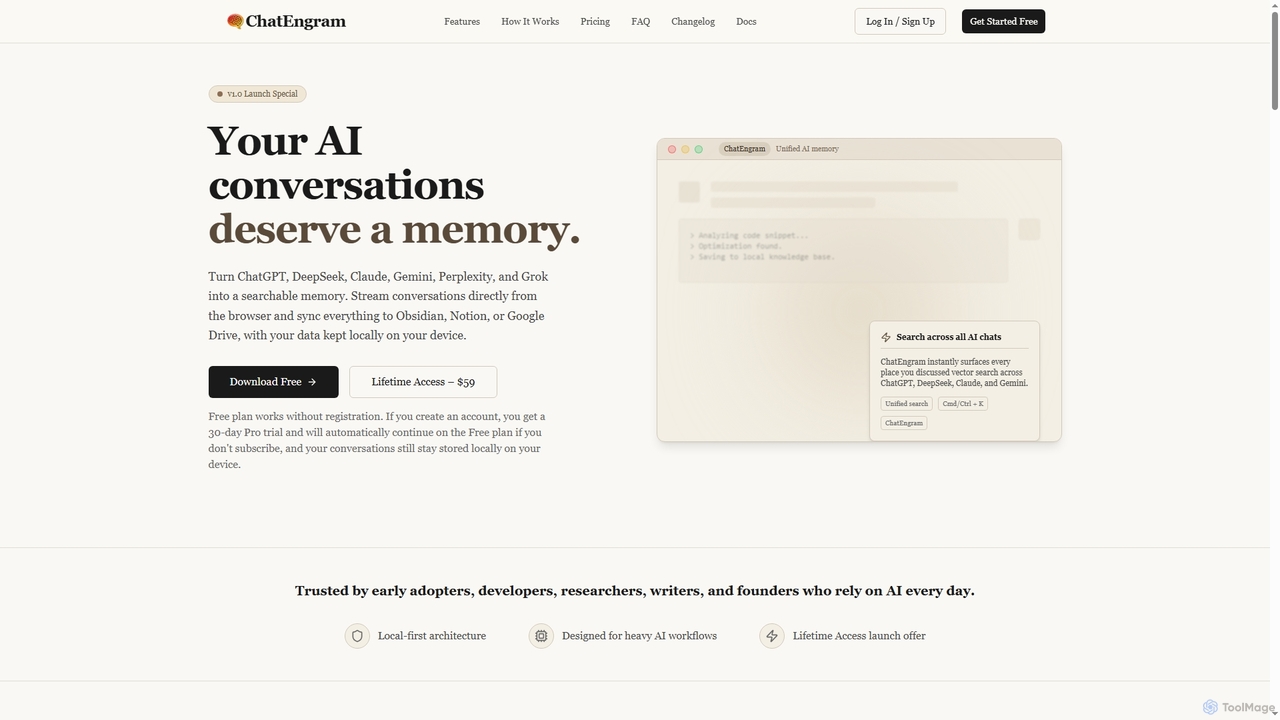
ChatEngram is an AI second brain that captures, stores, and organizes your AI conversations from platforms like ChatGPT, …

2.8K
Novice

Novice

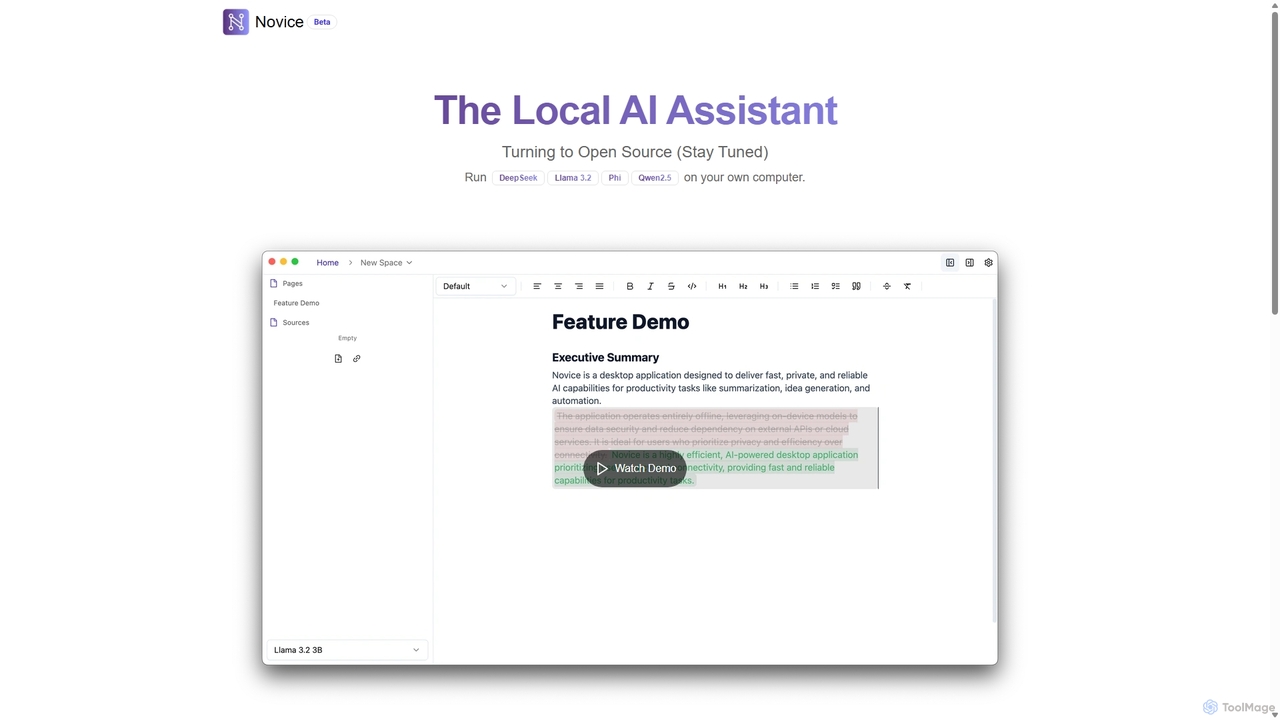
Novice is a local-first AI assistant that runs powerful language models like Llama 3.2 and Phi directly on …

2.9K
Free
docuquote

docuquote

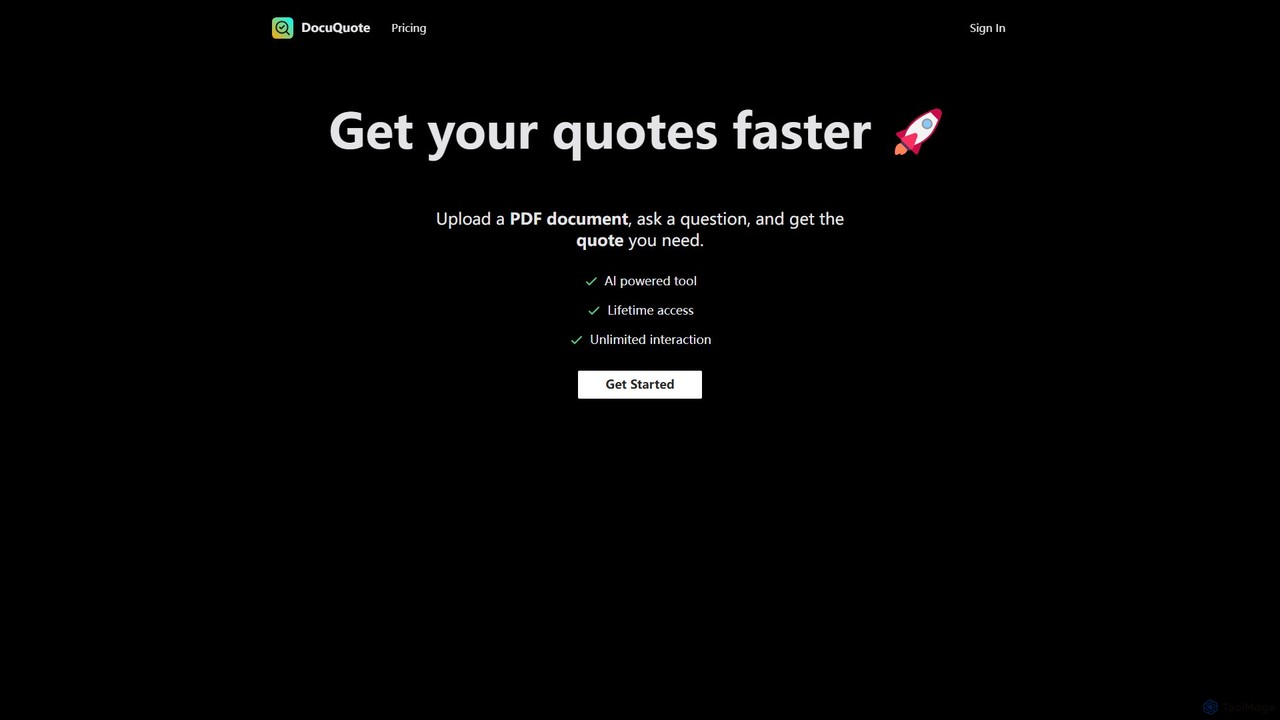
An AI-powered tool that allows you to upload PDF documents and ask questions to instantly extract precise quotes …

2.8K

About Research Assistant

AI Research Assistants are specialized tools designed to automate and accelerate the process of gathering, analyzing, and synthesizing information. Leveraging natural language processing (NLP), these assistants scan vast amounts of documents, websites, and databases to extract key insights, summarize complex topics, and identify relevant data. They serve as a powerful aid for academics, analysts, and writers by significantly reducing the manual effort in the discovery phase of a project. This allows users to focus on higher-level analysis and interpretation rather than tedious data collection.

Core Features

  • Automated Literature Search: Scans academic databases and the web to find relevant papers and articles based on queries.
  • Intelligent Summarization: Condenses long documents, research papers, or articles into concise summaries that highlight key findings.
  • Data Extraction: Identifies and pulls specific data points, such as statistics, names, or quotes, from unstructured text.
  • Source Synthesis: Compares multiple sources to identify common themes, contradictions, and provide synthesized answers to questions.
  • Citation Management: Automatically generates citations for sources in various academic formats like APA, MLA, and Chicago.

Use Cases

These tools are invaluable for academic researchers conducting literature reviews, market analysts preparing competitive intelligence reports, and journalists fact-checking stories. Any role that involves processing large volumes of text to find specific information, such as legal professionals and content creators, can benefit significantly.

How to Choose

When selecting an AI Research Assistant, consider the types of sources it supports (PDFs, web pages, specific databases). Evaluate the accuracy of its summarization and data extraction capabilities. Check for integration with writing software and reference managers, and ensure the supported citation styles match your requirements.

Research AssistantUse Cases

1

Accelerating Academic Literature Reviews

A graduate student preparing a thesis needs to review over 100 academic papers. They use an AI Research Assistant to upload all the PDFs. The tool automatically groups papers by theme, generates concise summaries for each, and extracts key methodologies and conclusions. This allows the student to quickly identify the most relevant literature and build a comprehensive review in days instead of weeks, focusing their time on critical analysis rather than initial reading.

2

Creating Data-Driven Market Reports

A market analyst is tasked with creating a competitive landscape report. They feed the AI assistant with competitor websites, annual reports, and industry news. The tool extracts key information like pricing models, new feature launches, and customer sentiment. It then synthesizes this data into a structured overview, highlighting market trends and competitive advantages, providing a solid foundation for the analyst's strategic recommendations.

3

Streamlining Journalistic Fact-Checking

A journalist working on an investigative piece needs to verify information from multiple sources quickly. They upload interview transcripts, official documents, and news clippings to the AI Research Assistant. By asking direct questions like "What was the official timeline of events?", the tool cross-references all documents and provides a synthesized answer with direct quotes and source links, helping to ensure accuracy and speed up the verification process under tight deadlines.

4

Enhancing Legal Case Preparation

A paralegal team is handling a complex case involving thousands of pages of discovery documents. They use an AI Research Assistant to process all the files. The tool helps identify key entities, timelines, and relevant case law precedents mentioned within the documents. This enables the legal team to quickly build a case strategy and locate critical evidence that would be time-consuming to find manually.

5

Researching for In-Depth Content Creation

A content strategist plans to write a definitive guide on a technical topic. They use the AI assistant to scan the top 20 search results, academic papers, and forum discussions. The tool summarizes the main points from each source, extracts supporting statistics, and identifies common questions people ask. This provides a comprehensive research brief and a structured outline, ensuring the final article is thorough, accurate, and addresses user intent.

6

Identifying Scientific Research Gaps

A biomedical researcher wants to start a new project but needs to ensure its novelty. They use an AI Research Assistant to analyze the last five years of publications in their specific field. The tool maps out existing research themes, identifies frequently cited papers, and highlights areas with conflicting results or unanswered questions. This analysis helps the researcher pinpoint a genuine gap in current knowledge, justifying their new research direction.

Research AssistantFrequently Asked Questions