Writing Best in category 4 results Summarization AI Tool

Popular AI tools in the Summarization field of Writing include SpeechtoNote、Seamlessity、Briefdeck、Ragobble, etc., helping you quickly improve efficiency.

Seamlessity

Seamlessity

Seamlessity is a versatile AI platform designed to streamline various tasks, offering functionalities such as image creation, text …

2.5K
Briefdeck

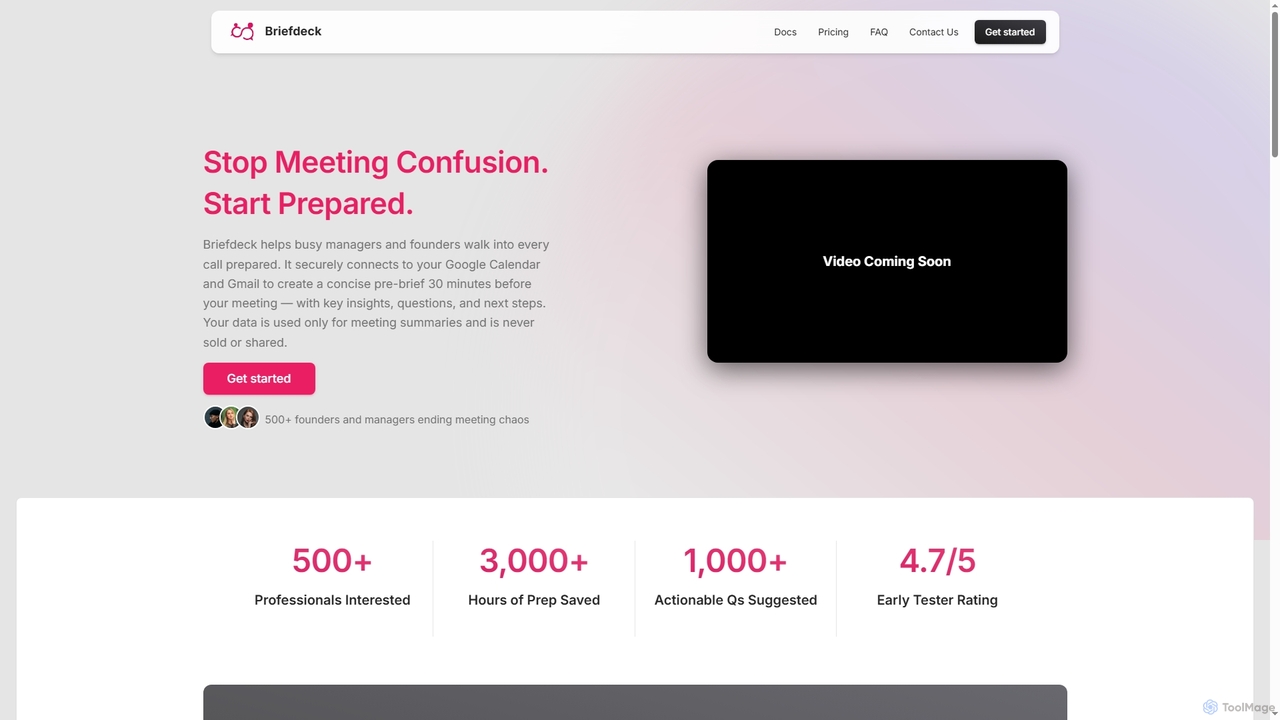
Briefdeck

Briefdeck is an AI-powered meeting co-pilot that transforms how professionals prepare for and follow up on calls. It …

2.5K
Ragobble

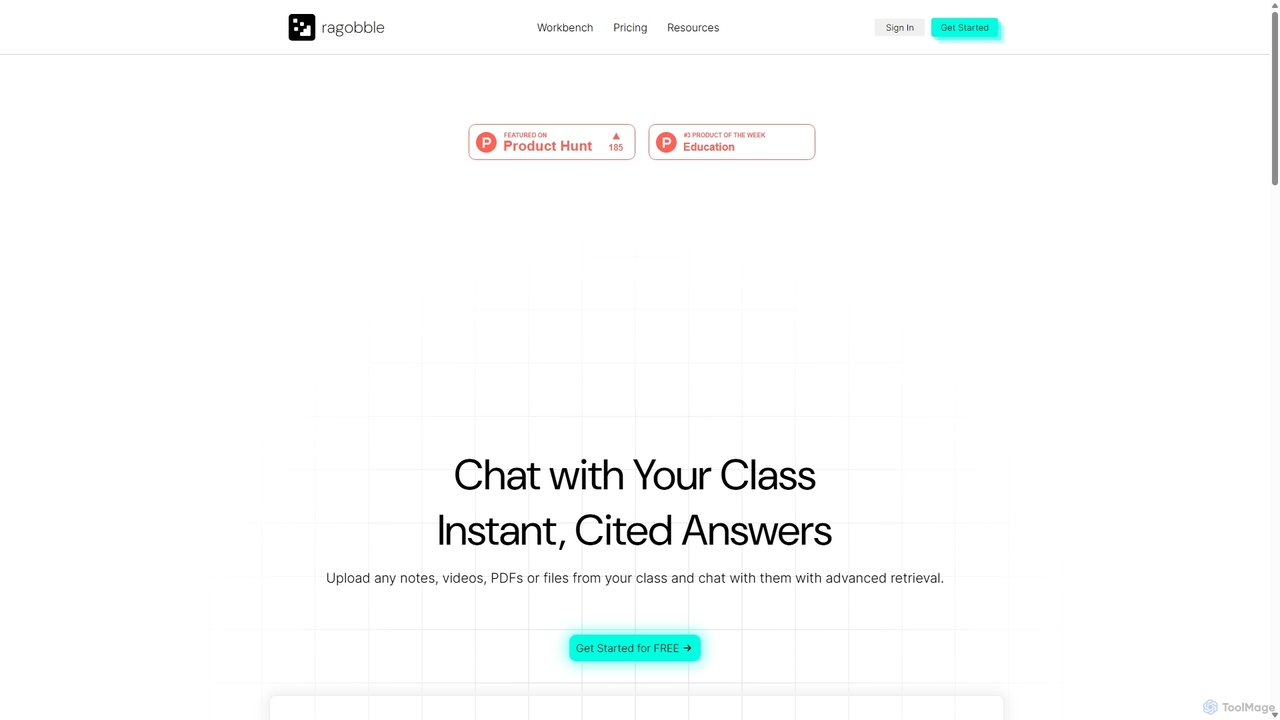
Ragobble

Ragobble is an AI-powered RAG platform designed for students and researchers. It allows users to create centralized knowledge …

2.4K
SpeechtoNote

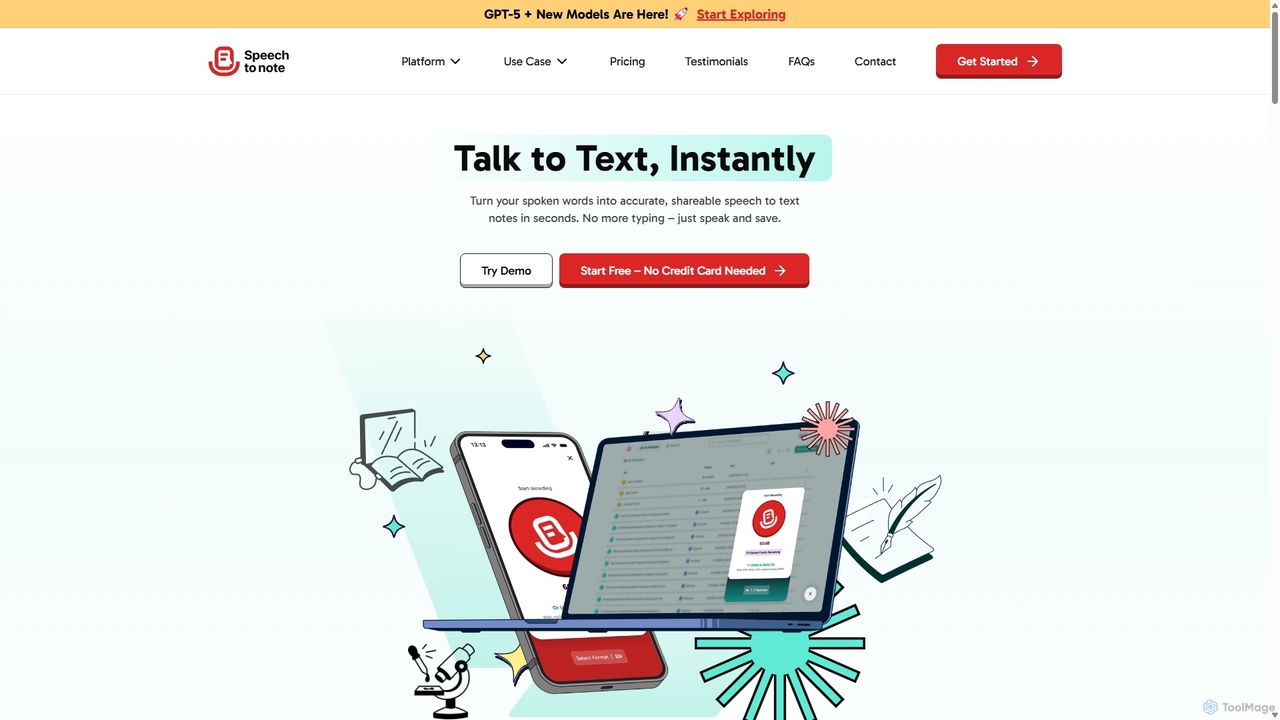
SpeechtoNote

SpeechtoNote is an AI-powered tool that instantly converts spoken words into accurate text notes. It supports over 40 …

10.4K

About Summarization

AI Summarization tools are a specialized category of writing assistants that use natural language processing (NLP) to condense long texts into short, coherent summaries. These tools analyze documents, articles, or conversations to identify key ideas and generate a concise version that retains the original meaning. They are essential for quickly understanding large volumes of information, saving significant reading time for researchers, students, and professionals. Unlike simple text trimming, advanced summarizers can perform abstractive summarization, creating new sentences to capture the essence of the source material.

Core Features

  • Extractive & Abstractive Summarization: Offers options to either pull key sentences directly from the source (extractive) or generate new, human-like sentences that paraphrase the content (abstractive).
  • Customizable Summary Length: Allows users to specify the desired length of the summary, such as a percentage of the original text, a specific word count, or bullet points.
  • Key Point Extraction: Identifies and lists the most critical sentences or concepts from the text, providing a quick overview of the main arguments.
  • Multi-Format Support: Processes various input types, including plain text, web page URLs, and uploaded documents like PDFs or DOCX files.

Use Cases

These tools are widely used in academia for literature reviews, in business for analyzing market reports and meeting transcripts, and in media for creating news digests. Journalists, legal professionals, and content creators rely on them to quickly process information and distill essential insights from extensive sources.

How to Choose

When selecting a summarization tool, consider the type of summarization offered (extractive vs. abstractive), the accuracy and coherence of the output, and the range of supported languages and document formats. Also, evaluate its integration capabilities, such as browser extensions or API access for automated workflows, and whether the pricing model aligns with your usage volume.


SummarizationUse Cases

1

Accelerate Academic Research and Literature Reviews

For graduate students and researchers, reviewing dozens of academic papers is a time-consuming but essential task. An AI summarization tool can drastically speed up this process. Instead of reading a 20-page paper in full, a researcher can upload the PDF or paste the text to generate a concise summary of the abstract, methodology, and key findings in under a minute. This allows them to quickly assess a paper's relevance, identify core arguments, and build an annotated bibliography much more efficiently, saving hours of reading time per project.

2

Create Daily Market Intelligence Briefings

Business analysts and strategists need to stay updated on industry news, competitor activities, and market trends, which often involves sifting through numerous articles daily. Using an AI summarizer, they can feed URLs of relevant news articles, press releases, and reports into the tool. The tool then generates a consolidated digest with the most important information from each source. This creates a scannable daily briefing that can be shared with executives, saving the team hours of manual reading and synthesis.

3

Condense Meeting Transcripts into Action Items

After a long project meeting, transcribing and summarizing the discussion can be tedious. Project managers can use an AI summarizer to process the raw audio transcript. The tool identifies key decisions, action items, and assigned responsibilities, presenting them in a structured, easy-to-read format. This ensures that all participants are clear on the next steps and provides a reliable record of the meeting's outcomes without requiring someone to manually review the entire transcript.

4

Repurpose Long-Form Content for Social Media

A content marketer has just published a comprehensive 2,000-word blog post and wants to promote it across various social media channels. An AI summarization tool can instantly generate multiple short-form variations. It can create a one-sentence hook for Twitter, a concise paragraph for a LinkedIn post, and a bulleted list of key takeaways for an Instagram carousel. This automates the content repurposing process, ensuring consistent messaging while tailoring the format for each platform's audience.

5

Streamline Legal Document Review

Legal professionals often face mountains of text in contracts, case law, and depositions. An AI summarization tool designed for legal texts can help paralegals and lawyers quickly get the gist of a lengthy document. By uploading a contract, the tool can extract and summarize key clauses, obligations, and potential risks. This serves as a first-pass review, highlighting areas that require closer human scrutiny and significantly reducing the time spent on preliminary document analysis.

6

Analyze Customer Feedback at Scale

Product managers and user experience (UX) researchers need to understand user sentiment from sources like app store reviews, support tickets, and survey responses. Manually reading through thousands of comments is impractical. An AI summarizer can process this unstructured text data in bulk. It can group similar feedback and generate summaries for common themes, such as "requests for a dark mode" or "complaints about login issues," providing actionable insights from qualitative data quickly.

SummarizationFrequently Asked Questions