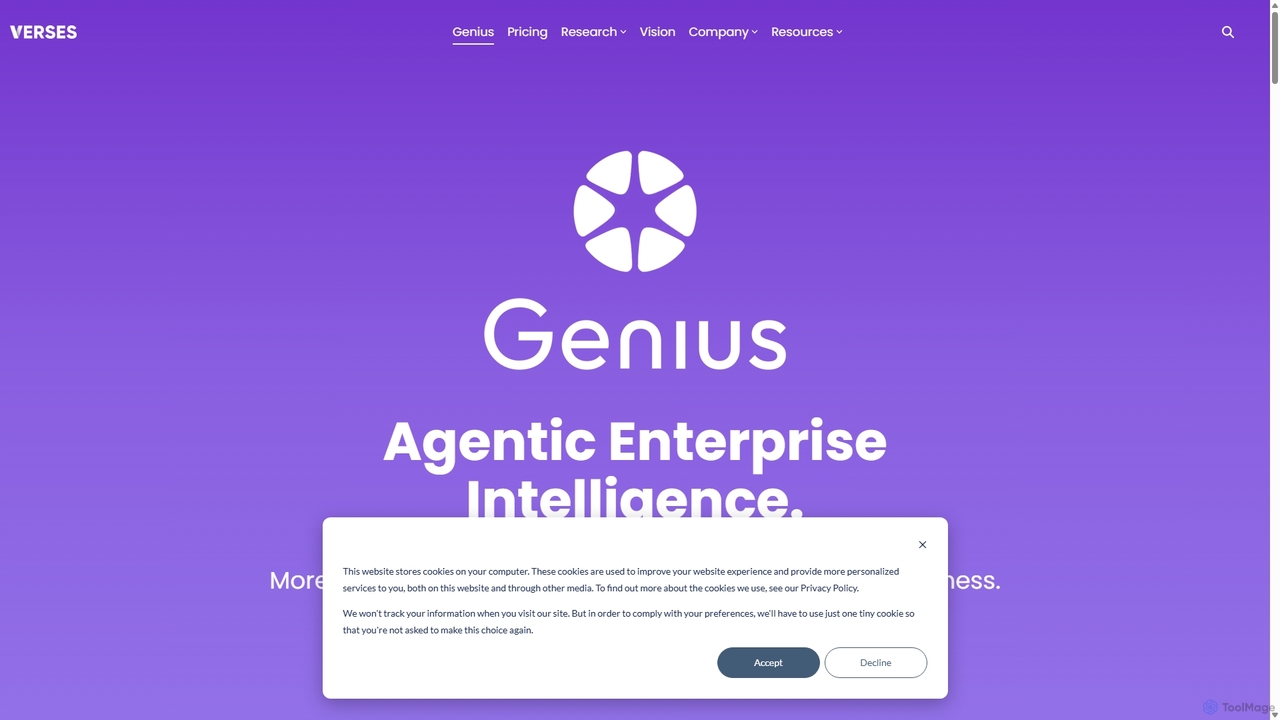
Genius is an agentic enterprise intelligence platform by VERSES AI, designed for building reliable, domain-specific predictive models. It empowers ML researchers, engineers, and data scientists to tackle complex problems involving uncertainty by using Active Inference and Bayesian methods, delivering explainable, efficient, and adaptable AI solutions.

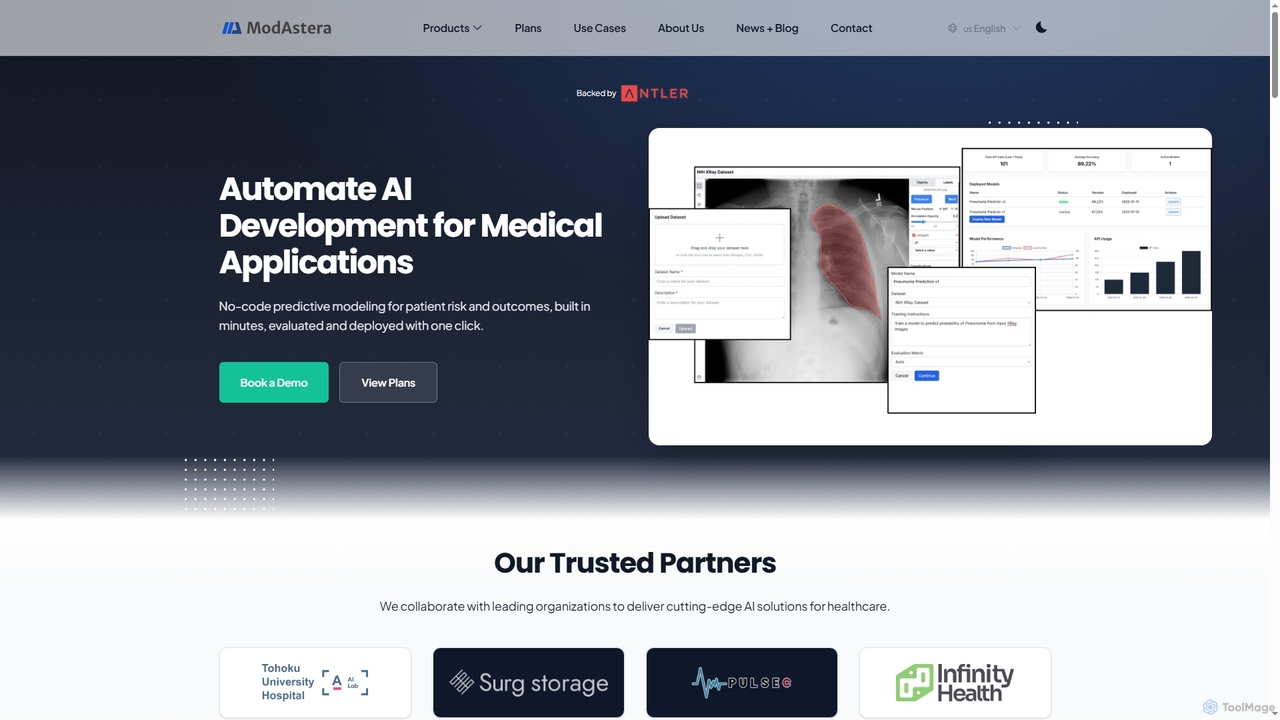
ModAstera is a no-code AI development platform designed for medical applications. It automates predictive modeling for patient risk and outcomes, featuring AI-assisted data annotation and one-click deployment to significantly reduce development time and costs for health tech innovators.
Product overview
Genius Product overview
Genius is an agentic enterprise intelligence platform by VERSES AI, designed for building reliable, domain-specific predictive models. It empowers ML researchers, engineers, and data scientists to tackle complex problems involving uncertainty by using Active Inference and Bayesian methods, delivering explainable, efficient, and adaptable AI solutions.
ModAstera Product overview
ModAstera is a no-code AI development platform designed for medical applications. It automates predictive modeling for patient risk and outcomes, featuring AI-assisted data annotation and one-click deployment to significantly reduce development time and costs for health tech innovators.
Detailed feature comparison
| Feature | Genius | ModAstera |
|---|---|---|
| Primary category | Predictive Analytics | Machine Learning |
| Added | 2025-09-21 | 2025-10-22 |
| Pricing | Freemium | Freemium |
| Official website | verses.ai | www.modastera.com |
| Product type | Website | Website |
| Performance data | ||
| User rating | Not verified | Not verified |
| Comments | 0 | 0 |
| Monthly visits | 19.2K | 250 |
| Monthly growth | -1.5% | -68.4% |
| Favorites | 121 | 85 |
| Details | View details | View details |
Genius vs ModAstera monthly traffic
Compare Genius and ModAstera by monthly reach, traffic trend, visit depth, top regions, and acquisition sources.
How to interpret the traffic data
In the Genius vs ModAstera monthly traffic comparison, Genius currently shows 19.2K visits and ModAstera shows 250; Genius has about 76.9 times the visible traffic of ModAstera, an absolute difference of about 19K visits. This reflects visible reach, not feature quality or paid users.
Both tools provide verified traffic details, so monthly trends, visit depth, regions, and acquisition sources can be compared on the same basis.
Genius monthly traffic:
Latest traffic
Monthly traffic trend
- 2025/9: 37.1K Monthly visits
- 2026/1: 17.6K Monthly visits
- 2026/2: 30.1K Monthly visits
- 2026/3: 30K Monthly visits
- 2026/4: 19.5K Monthly visits
- 2026/5: 19.2K Monthly visits
Top regions
Top 5 countries/regions
| Country/region | Percentage | Traffic |
|---|---|---|
| 🇺🇸United States | 42.04% | 8.1K |
| 🇩🇪Germany | 25.68% | 4.9K |
| 🇬🇧United Kingdom | 12.96% | 2.5K |
| 🇮🇳India | 12.24% | 2.4K |
| 🇨🇦Canada | 7.08% | 1.4K |
Search keywords
ModAstera monthly traffic:
Latest traffic
Monthly traffic trend
- 2025/7: 616 Monthly visits
- 2025/8: 1.3K Monthly visits
- 2025/9: 792 Monthly visits
- 2026/3: 0 Monthly visits
- 2026/4: 0 Monthly visits
- 2026/5: 250 Monthly visits
Search keywords
Usage comparison
Compare the core capabilities of Genius and ModAstera
Genius Core features
ModAstera Core features
Use cases
Genius Use cases
ModAstera Use cases
Best suited roles
Genius Best suited roles
ModAstera Best suited roles
Genius vs ModAstera:In-depth comparison and selection guidance
First decide whether the products solve the same kind of need
This in-depth Genius vs ModAstera comparison uses only the product records, taxonomy, audience, traffic, and community signals available on this page. Genius is primarily listed under “Predictive Analytics”, while ModAstera is primarily listed under “Machine Learning”, so the first decision is whether your actual task matches their recorded scope.
The structured fields currently show these decision-relevant differences: Primary category (Genius: Predictive Analytics; ModAstera: Machine Learning); Monthly visits (Genius: 19.2K; ModAstera: 250); Monthly growth (Genius: -1.5%; ModAstera: -68.4%); Favorites (Genius: 121; ModAstera: 85); Website (Genius: verses.ai; ModAstera: www.modastera.com). These facts are more useful for selection than brand visibility alone.
What market visibility and monthly traffic mean
In the Genius vs ModAstera monthly traffic comparison, Genius currently shows 19.2K visits and ModAstera shows 250; Genius has about 76.9 times the visible traffic of ModAstera, an absolute difference of about 19K visits. This reflects visible reach, not feature quality or paid users.
Both tools provide verified traffic details, so monthly trends, visit depth, regions, and acquisition sources can be compared on the same basis.
If public market visibility is an important first-pass criterion, investigate Genius first. The final choice should still follow taxonomy, use case, and a real trial because higher traffic does not prove broader capabilities or better workflow fit.
Product positioning, use cases, and roles
Genius and ModAstera currently overlap in shared categories: Machine Learning; shared tags: machine learning; shared roles: Data Scientist, Machine Learning Engineer, and Product Manager. This can place both on the same shortlist, but it does not prove equal implementation, depth, or cost.
Genius's unique categories/tags are Predictive Analytics, Ai Development, active inference, agentic AI, Bayesian modeling, causal models, data science, and enterprise AI; ModAstera's are No Code Platform, Medical Ai, AI development, clinical research, data annotation, healthcare AI, healthtech, and HIPAA compliant. These unique fields are the strongest differentiators: validate the product whose recorded scope matches the task instead of following traffic alone.
What ratings, comments, and favorites can tell you
Genius has no verified rating, 0 comments, 121 favorites, and 106 likes;ModAstera has no verified rating, 0 comments, 85 favorites, and 88 likes。
Neither product has enough rating or comment samples for a credible reputation ranking.
Selection guidance by actual need
When to evaluate Genius first
Put Genius on the priority trial list when the task aligns with “Predictive Analytics” and especially Predictive Analytics, Ai Development, active inference, agentic AI, Bayesian modeling, and causal models, or the users include AI Researcher, Business Analyst, Data Analyst, and Software Developer. This follows recorded positioning and does not imply unlisted capabilities are absent.
Genius also currently records: pricing is freemium, product type is website, 19.2K verified monthly visits, no verified user rating. Verify any hard requirement around price, platform, or reach before trial, and do not let sparse review data substitute for testing.
When to evaluate ModAstera first
Put ModAstera on the priority trial list when the task aligns with “Machine Learning” and especially No Code Platform, Medical Ai, AI development, clinical research, data annotation, and healthcare AI, or the users include Bioinformatician, Clinician, Healthcare IT Manager, and Health Tech Entrepreneur. This follows recorded positioning and does not imply unlisted capabilities are absent.
ModAstera also currently records: pricing is freemium, product type is website, 250 verified monthly visits, no verified user rating. Verify any hard requirement around price, platform, or reach before trial, and do not let sparse review data substitute for testing.
How to validate the recommendation before deciding
The available data describes positioning, public visibility, and community signals, but it cannot prove output quality, speed, integration effort, privacy, or long-term cost in your workflow. Before deciding, run the same representative tasks in Genius and ModAstera, then record completion time, accuracy, manual corrections, and the real paid threshold. A like-for-like trial turns this comparison into a defensible adoption decision.
Comparison FAQ
How should I choose between Genius and ModAstera?
Where does this comparison data come from?
What do unknown fields mean?
Related AI tools

AI News Hub
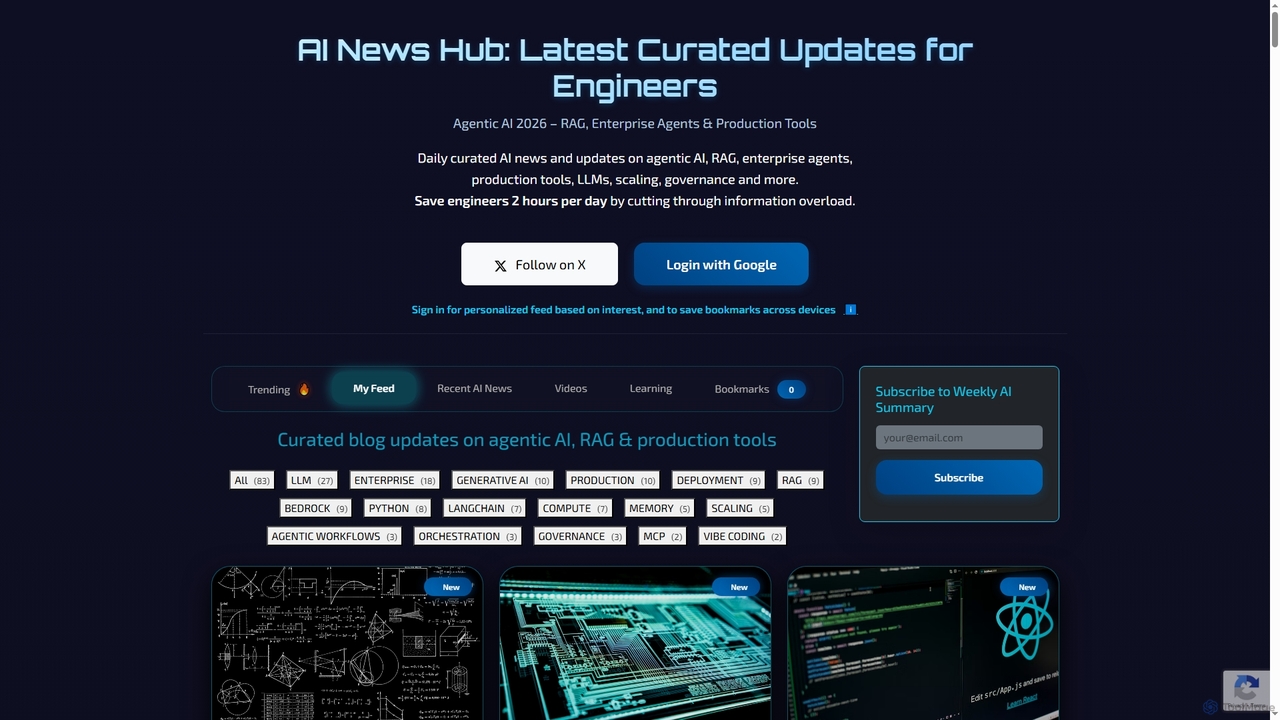
AI News Hub is a comprehensive platform providing real-time AI announcements, curated blog updates on agentic AI, RAG, and production tools. It offers a personalized feed, bookmarking capabilities, and a rich collection of learning resources, including roadmaps, courses, and videos, to keep developers and enthusiasts informed and skilled in the rapidly evolving AI landscape.
Aggregation
Label Your Data
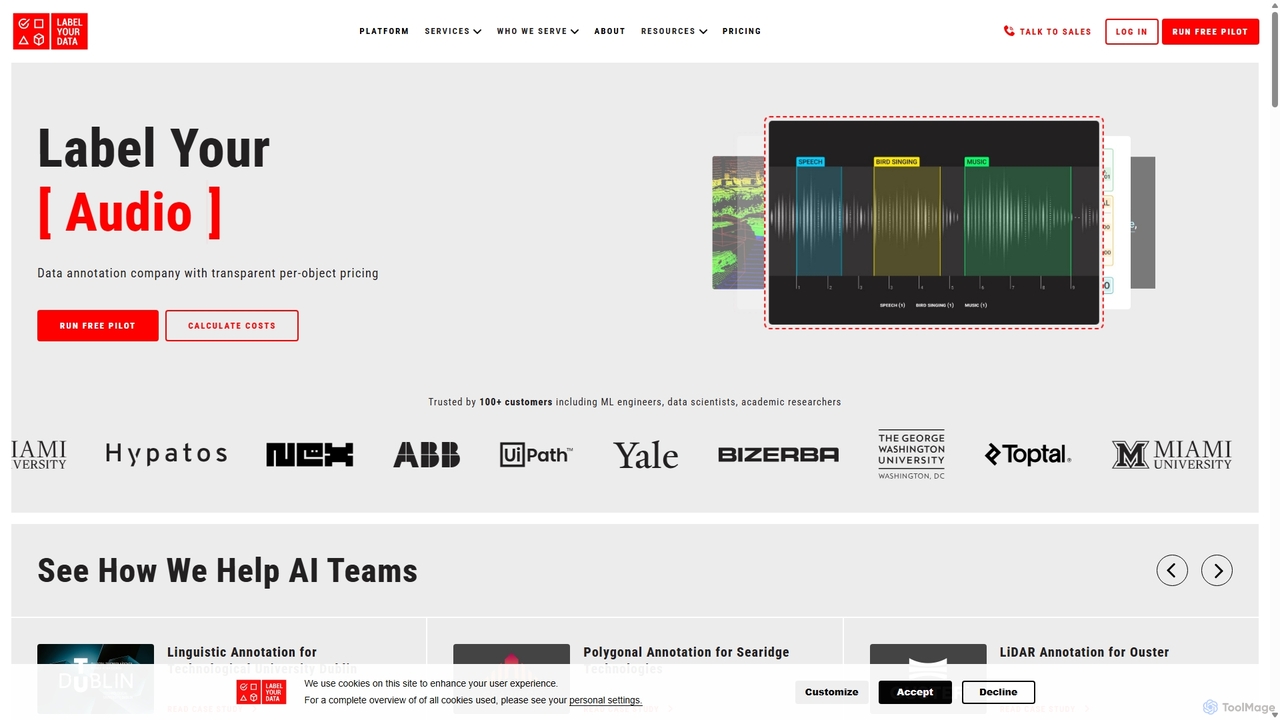
A professional data annotation service and platform providing high-quality, accurate labeled datasets for machine learning. It supports diverse data types like images, video, text, and audio, offering flexible pricing, a self-serve platform, and fully managed services to scale AI projects of any size.
Data Management
Custom Vision
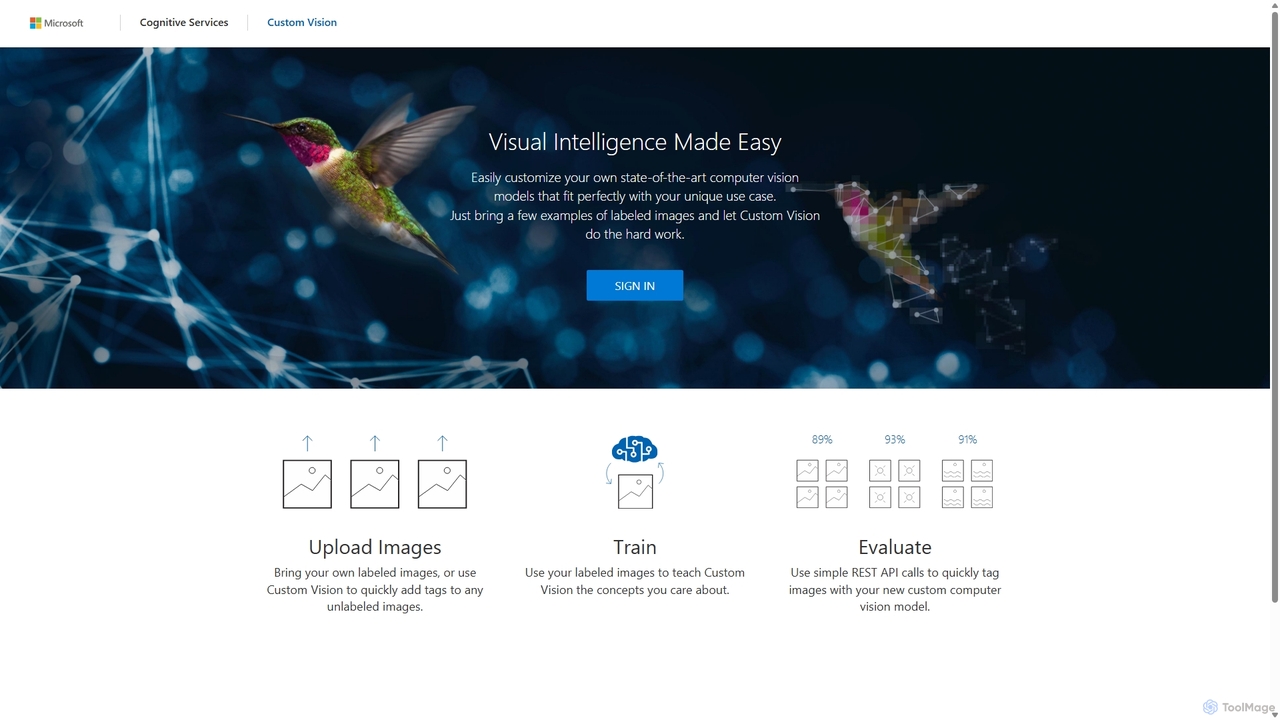
An AI service from Microsoft Azure that allows you to build, deploy, and improve your own custom image classifiers and object detectors. Easily create state-of-the-art computer vision models tailored to your specific needs with a user-friendly interface and a powerful REST API, no deep machine learning expertise required.
Machine Learning
Segmed
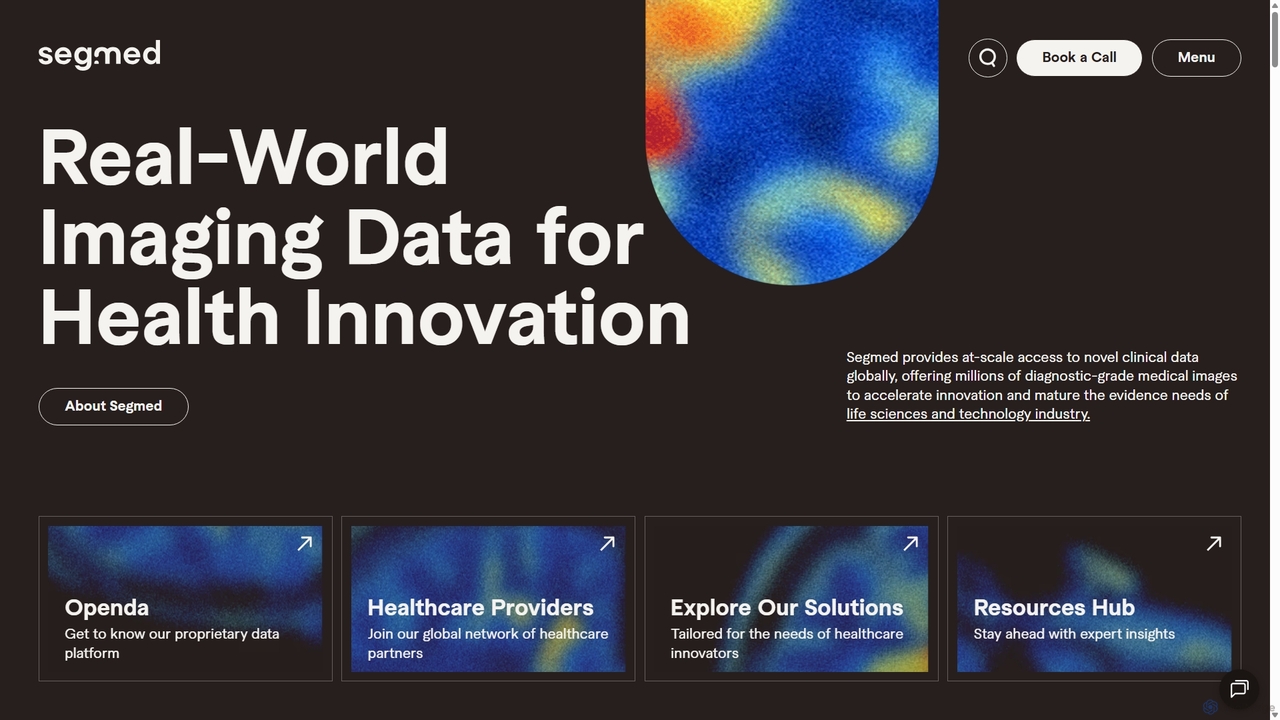
Segmed provides large-scale access to de-identified, diagnostic-grade medical imaging data for AI development and clinical research. Its platform, Openda, offers millions of tokenized studies from a diverse global network of healthcare providers. Segmed accelerates innovation for life sciences, medical device, and technology companies by providing regulatory-grade, multimodal datasets crucial for training AI models, validation, and securing FDA/CE clearance.
Datasets
Zilliz
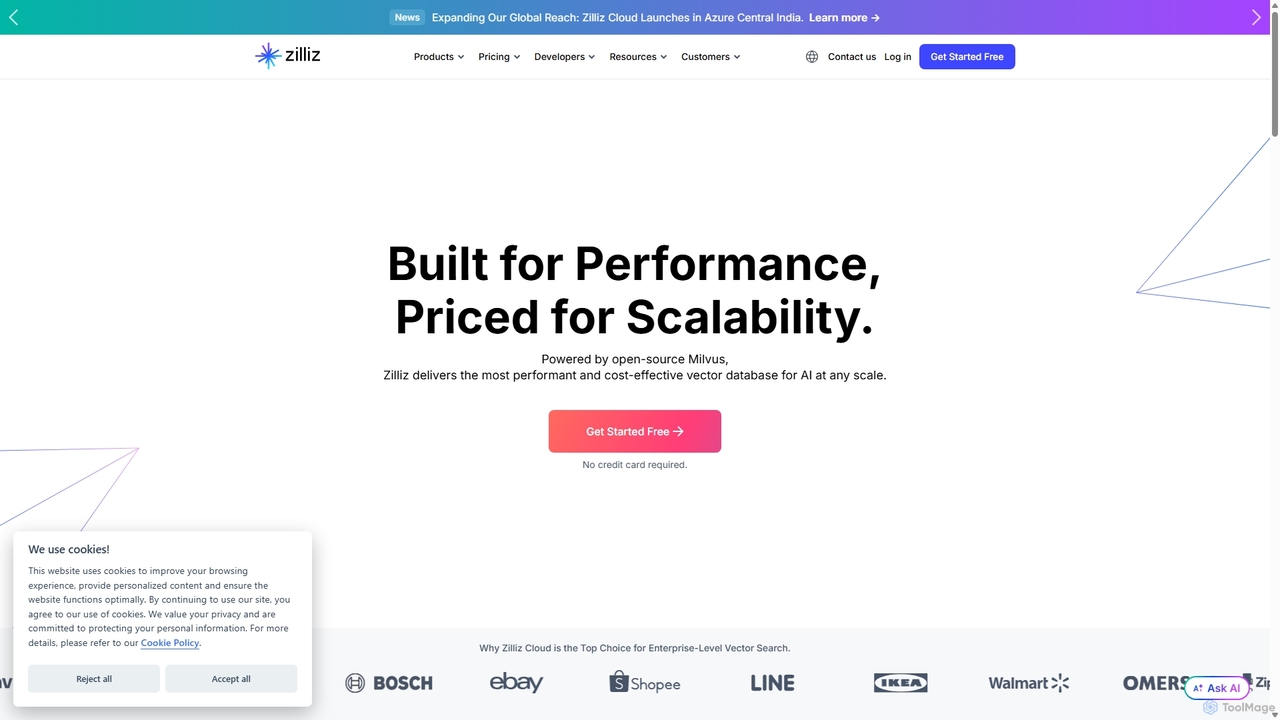
Zilliz is an enterprise-grade vector database built for scalable AI applications. Powered by the popular open-source project Milvus, it provides a high-performance, cost-effective, and fully-managed service (Zilliz Cloud) for storing, indexing, and searching billions of vector embeddings. It's designed to power applications like RAG, recommendation systems, and multimodal search, with seamless integrations into major AI frameworks and cloud platforms.
Machine Learning
DataCamp
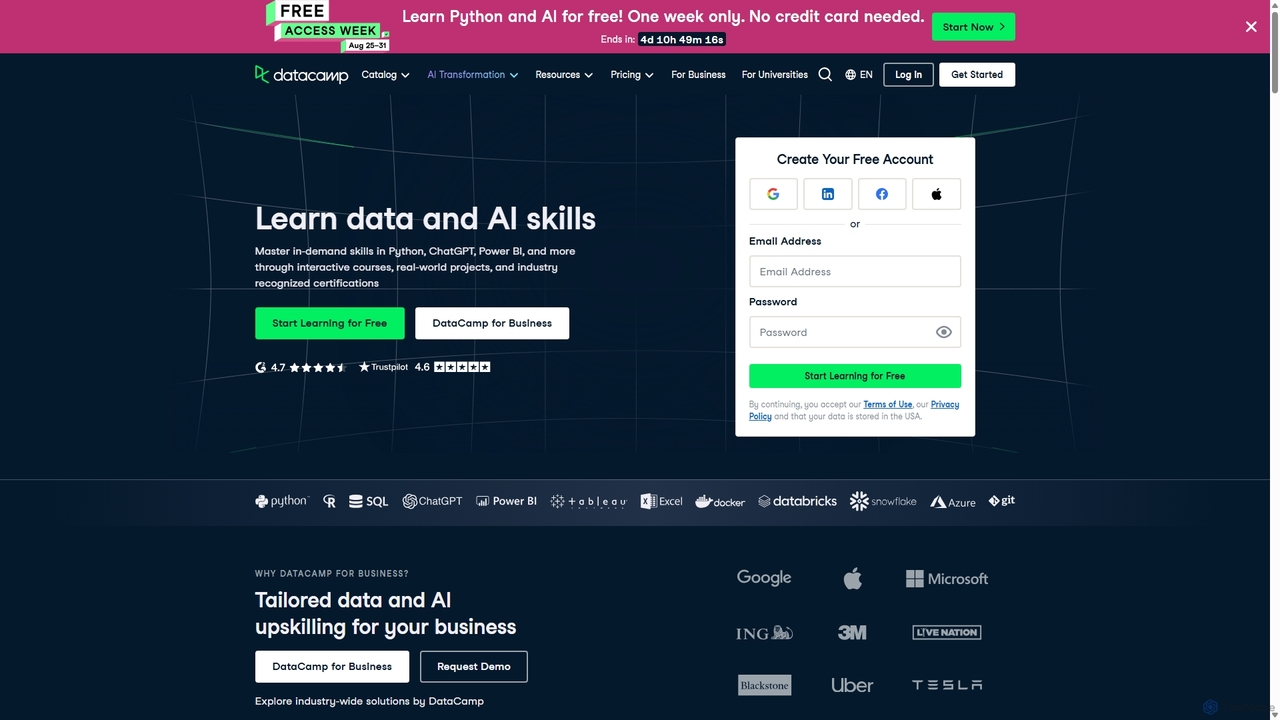
DataCamp is an interactive online learning platform for data science and AI. It offers hands-on courses in Python, R, SQL, Power BI, and more. Through a 'learn-by-doing' approach with in-browser coding, real-world projects, and career tracks, it empowers individuals and businesses to build job-ready data skills, from beginner to expert level.
Data Science
Cogniz
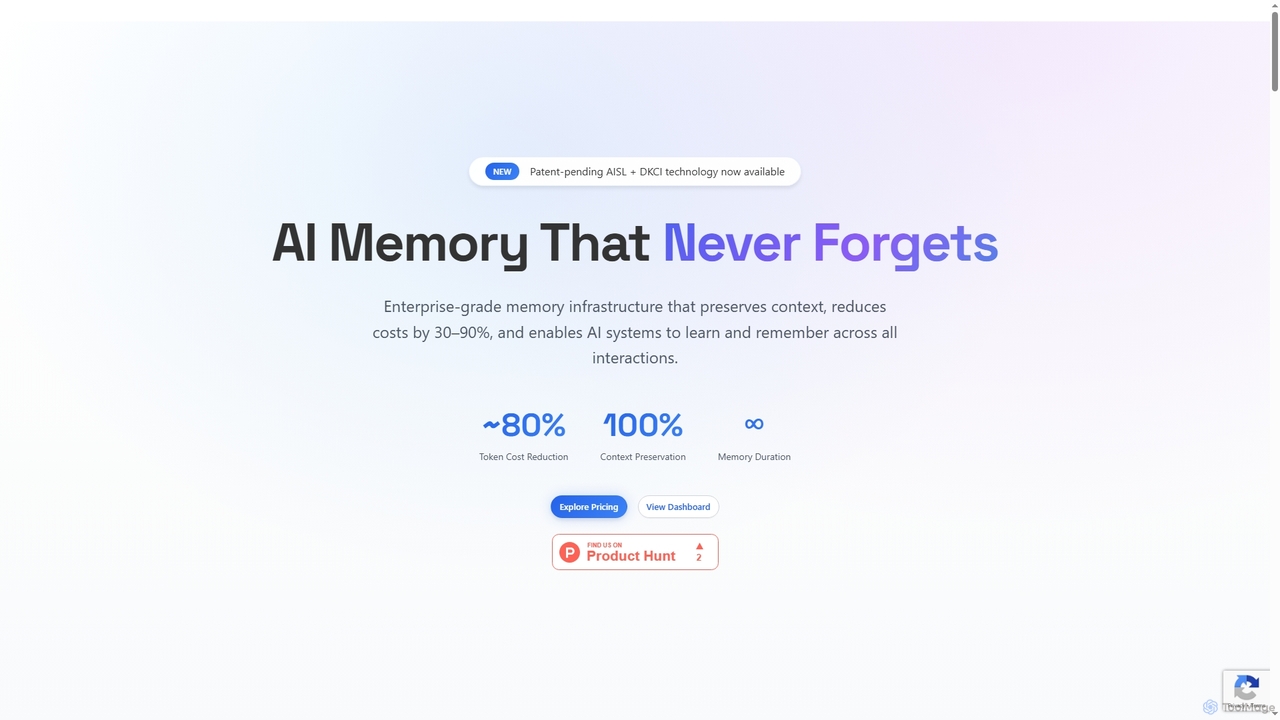
Cogniz is an enterprise-grade AI memory infrastructure featuring patent-pending AISL + DKCI technology. It enables AI systems to learn and remember indefinitely across all interactions, ensuring 100% context preservation and significantly reducing token costs by an average of 80%.
Memory Management
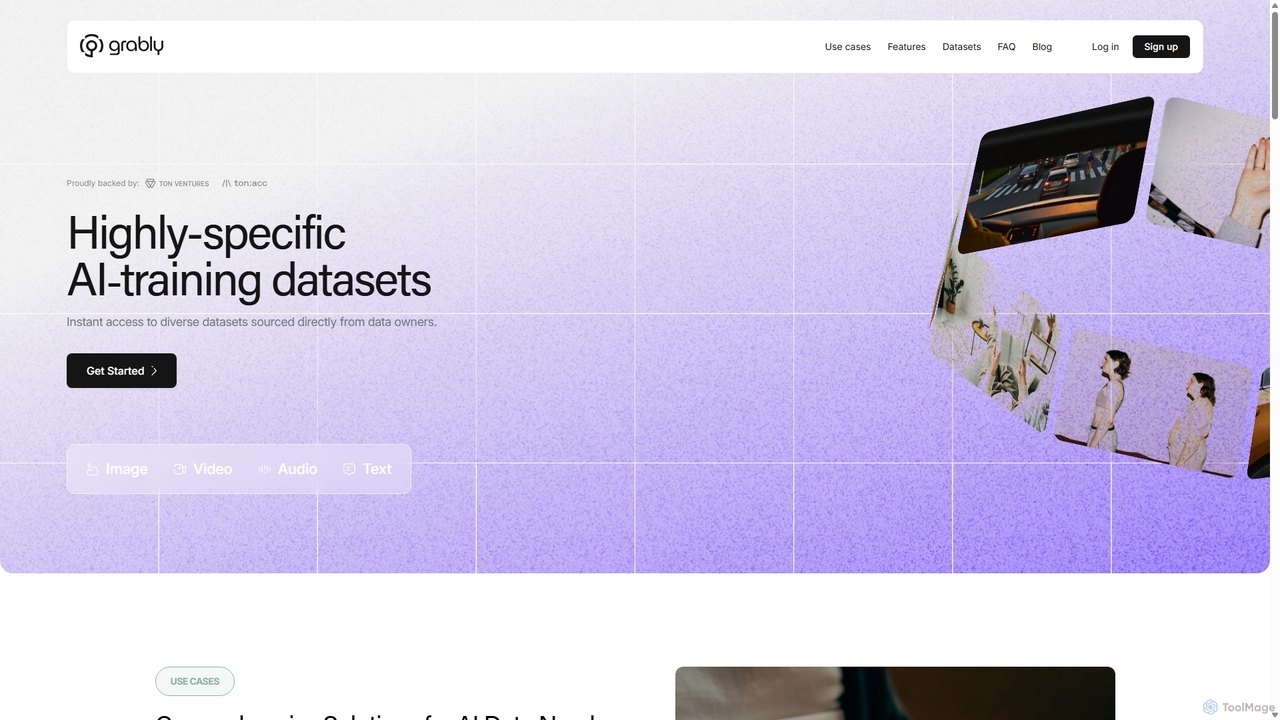
Grably
Grably is a decentralized data ownership network (DeDON) providing high-quality, ethically sourced AI training data. It offers a vast collection of off-the-shelf datasets, custom data collection, curation, and annotation services to accelerate AI development while allowing users to monetize their data securely and transparently.
Data Labeling
SyntrofAI
SyntrofAI is heralded as the world's first agentic OS AI system online, offering a personal, organic framework where autonomous AI agents design, execute, and share end-to-end workflows. It learns, evolves, and accumulates persistent memory with full transparency and control, empowering users to unleash intelligence.
Ai Operating System
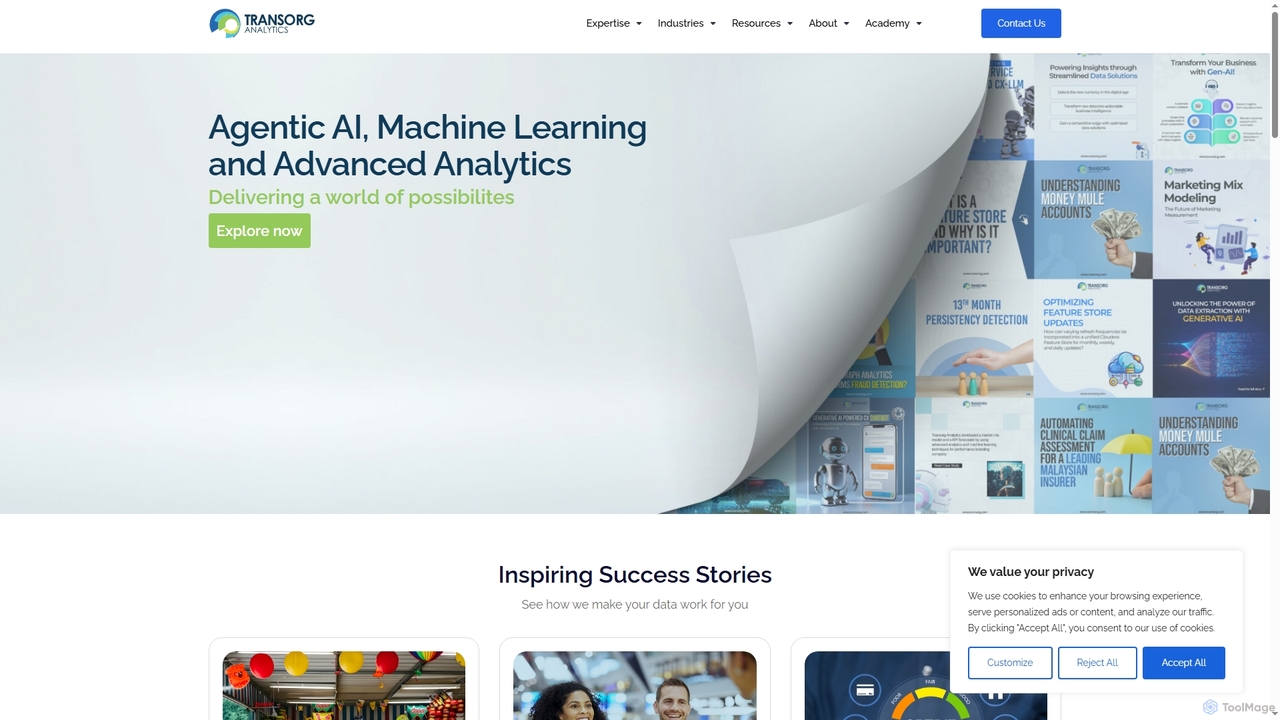
TransOrg
TransOrg specializes in advanced analytics, machine learning, and generative AI solutions, empowering enterprises to transform data into actionable insights. It offers services like Agentic AI, feature extraction, voice bot analytics, and robust data engineering to drive operational efficiency and enhance customer experiences across diverse industries.
3D
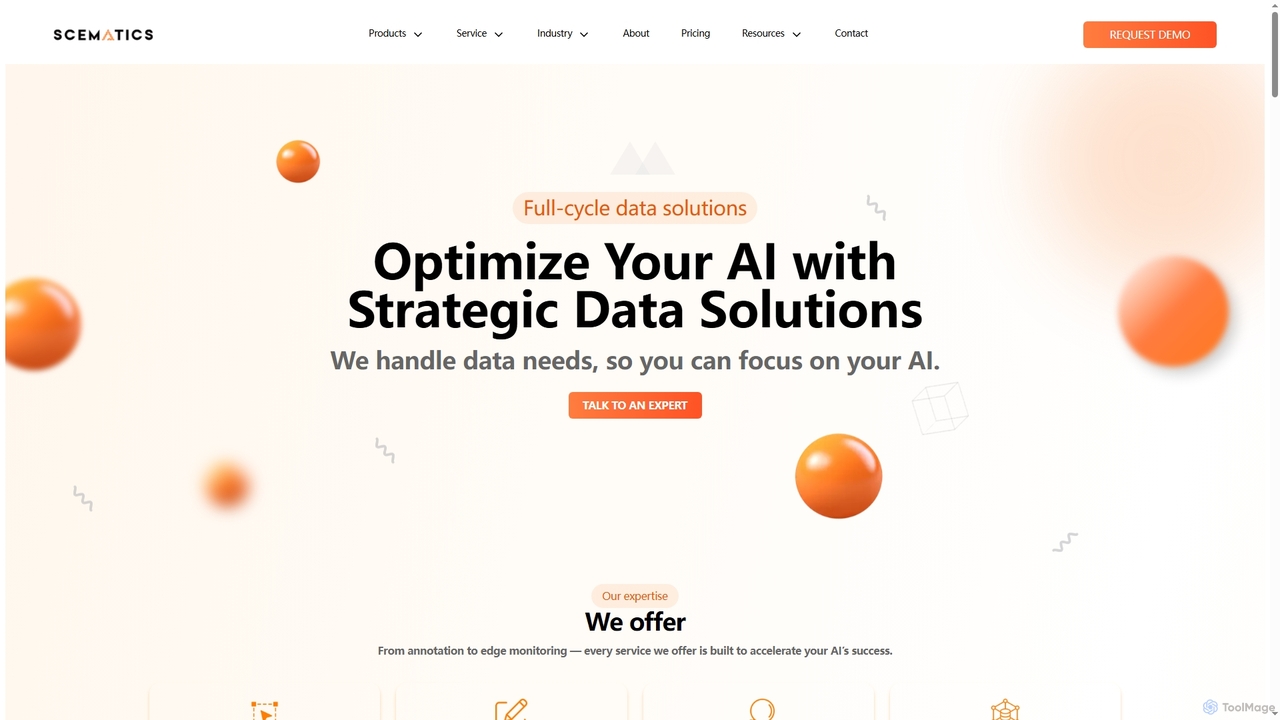
Scematics
Scematics is an all-in-one data annotation and labeling platform that provides strategic data solutions to optimize AI models. It offers intuitive tools, expert annotation services, edge case monitoring, and synthetic data generation, enabling teams to build high-quality, scalable training datasets for various AI applications across diverse industries.
3D
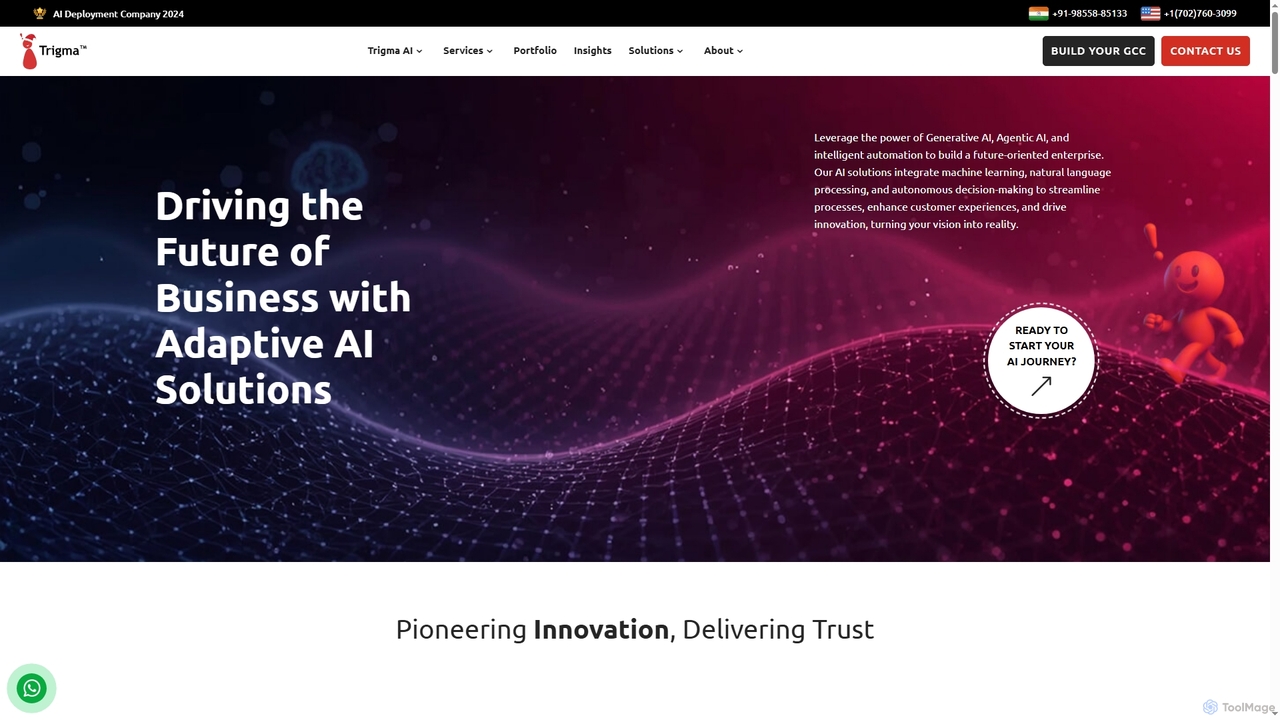
Trigma
Trigma is a global AI development company specializing in custom AI and tech solutions for businesses. They leverage Generative AI, Agentic AI, machine learning, and natural language processing to create adaptive solutions that streamline processes, enhance customer experiences, and drive innovation across various industries, from healthcare to real estate.
Agentic Ai
Jiva.ai
Jiva.ai is a zero-code, end-to-end platform for rapid multimodal AI development. It empowers organizations to build, train, and deploy complex AI models using imaging, video, text, audio, and structured data, without needing extensive data science expertise.
Machine Learning
Ollama
Ollama is a powerful open-source framework for running large language models (LLMs) like Llama 3, Mistral, and Gemma locally on your own hardware. Available for macOS, Windows, and Linux, it simplifies the setup and management of open-source models, enabling private, offline, and cost-effective AI development and usage.
Machine Learning
HackerNoon
HackerNoon is a leading independent technology publishing platform, serving an international community of 45,000+ contributing writers and over 4 million monthly readers. It's a premier hub for in-depth tech stories, including extensive coverage on artificial intelligence, machine learning, and software development. The platform also leverages AI for content verification, ensuring human-written quality and credibility.
Tech News