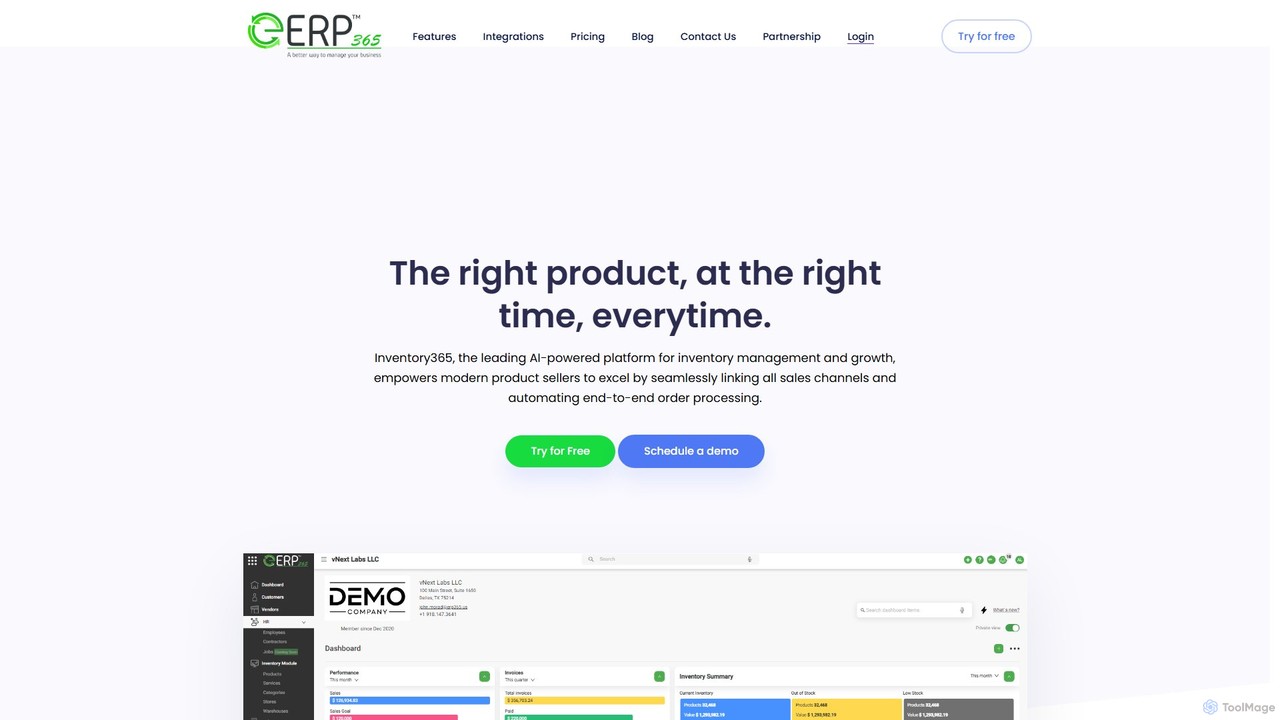
Inventory365 is a leading AI-powered inventory management platform for modern e-commerce and retail businesses. It centralizes operations by integrating all sales channels like Shopify and Amazon into a single dashboard. The system automates end-to-end order processing, provides real-time inventory visibility, and uses machine learning for accurate demand forecasting to prevent stockouts, optimize stock levels, and increase profitability.
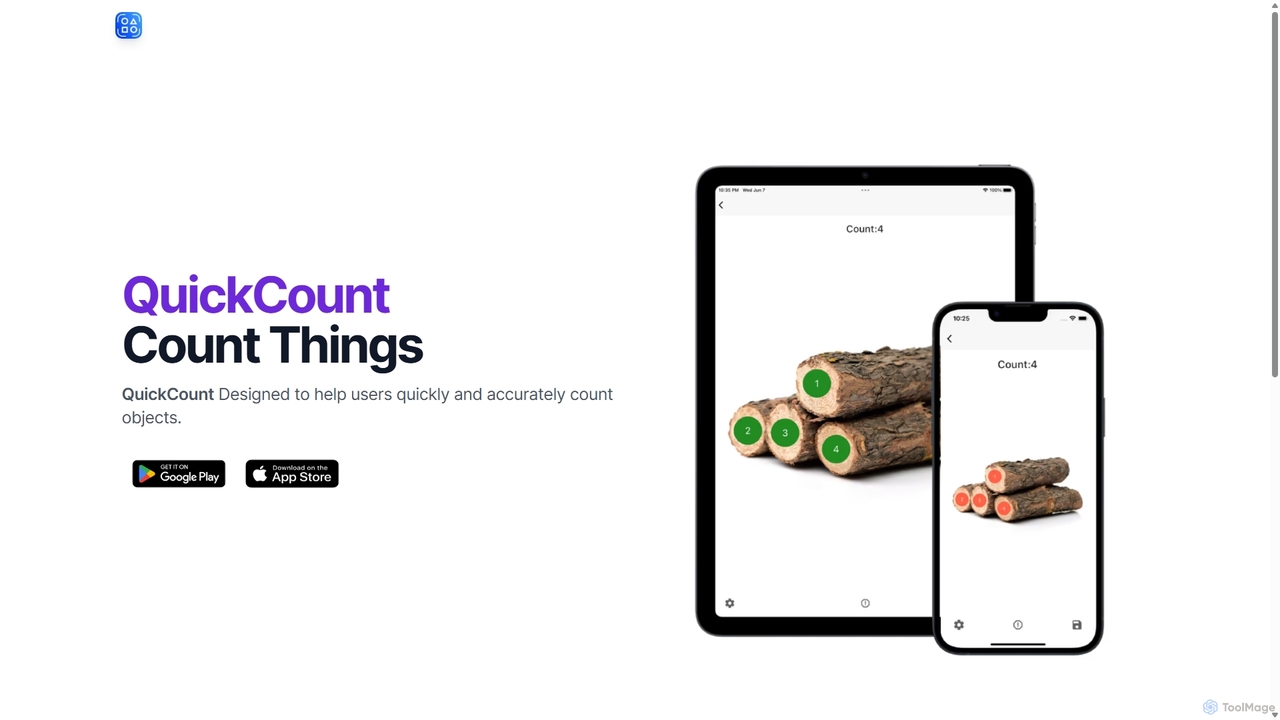
An AI-powered computer vision tool designed for instantly and accurately counting various objects from images. Ideal for inventory, construction, agriculture, and research, it saves time and eliminates manual counting errors.
Product overview
Inventory365 Product overview
Inventory365 is a leading AI-powered inventory management platform for modern e-commerce and retail businesses. It centralizes operations by integrating all sales channels like Shopify and Amazon into a single dashboard. The system automates end-to-end order processing, provides real-time inventory visibility, and uses machine learning for accurate demand forecasting to prevent stockouts, optimize stock levels, and increase profitability.
QuickCount Product overview
An AI-powered computer vision tool designed for instantly and accurately counting various objects from images. Ideal for inventory, construction, agriculture, and research, it saves time and eliminates manual counting errors.
Detailed feature comparison
| Feature | Inventory365 | QuickCount |
|---|---|---|
| Primary category | E Commerce | Inventory Management |
| Added | 2025-08-16 | 2025-09-14 |
| Pricing | Freemium | Freemium |
| Official website | inventory365.co | quikcount.app |
| Product type | Website | App |
| Performance data | ||
| User rating | Not verified | Not verified |
| Comments | 0 | 0 |
| Monthly visits | 3.8K | 1.9K |
| Monthly growth | Not verified | 29.3% |
| Favorites | 101 | 91 |
| Details | View details | View details |
Inventory365 vs QuickCount monthly traffic
Compare Inventory365 and QuickCount by monthly reach, traffic trend, visit depth, top regions, and acquisition sources.
How to interpret the traffic data
In the Inventory365 vs QuickCount monthly traffic comparison, Inventory365 currently shows 3.8K visits and QuickCount shows 1.9K; Inventory365 has about 2 times the visible traffic of QuickCount, an absolute difference of about 1.9K visits. This reflects visible reach, not feature quality or paid users.
Only QuickCount has complete third-party traffic details; Inventory365 uses visits recorded inside ToolMage. These scopes cannot estimate market share directly, and on-site views should not be treated as the product’s total website traffic.
Inventory365 monthly traffic:
Latest traffic
QuickCount monthly traffic:
Latest traffic
Monthly traffic trend
- 2025/9: 1.8K Monthly visits
- 2026/1: 1.7K Monthly visits
- 2026/2: 1.4K Monthly visits
- 2026/3: 1K Monthly visits
- 2026/4: 1.4K Monthly visits
- 2026/5: 1.9K Monthly visits
Top regions
Top 5 countries/regions
| Country/region | Percentage | Traffic |
|---|---|---|
| 🇺🇸United States | 43.64% | 813 |
| 🇩🇪Germany | 33.1% | 617 |
| 🇹🇷Turkey | 17.13% | 319 |
| 🇹🇭Thailand | 6.13% | 114 |
Search keywords
Usage comparison
Compare the core capabilities of Inventory365 and QuickCount
Inventory365 Core features
QuickCount Core features
Use cases
Inventory365 Use cases
QuickCount Use cases
Best suited roles
Inventory365 Best suited roles
QuickCount Best suited roles
Inventory365 vs QuickCount:In-depth comparison and selection guidance
First decide whether the products solve the same kind of need
This in-depth Inventory365 vs QuickCount comparison uses only the product records, taxonomy, audience, traffic, and community signals available on this page. Inventory365 is primarily listed under “E Commerce”, while QuickCount is primarily listed under “Inventory Management”, so the first decision is whether your actual task matches their recorded scope.
The structured fields currently show these decision-relevant differences: Primary category (Inventory365: E Commerce; QuickCount: Inventory Management); Product type (Inventory365: Website; QuickCount: App); Monthly visits (Inventory365: 3.8K; QuickCount: 1.9K); Favorites (Inventory365: 101; QuickCount: 91); Website (Inventory365: inventory365.co; QuickCount: quikcount.app). These facts are more useful for selection than brand visibility alone.
What market visibility and monthly traffic mean
In the Inventory365 vs QuickCount monthly traffic comparison, Inventory365 currently shows 3.8K visits and QuickCount shows 1.9K; Inventory365 has about 2 times the visible traffic of QuickCount, an absolute difference of about 1.9K visits. This reflects visible reach, not feature quality or paid users.
Only QuickCount has complete third-party traffic details; Inventory365 uses visits recorded inside ToolMage. These scopes cannot estimate market share directly, and on-site views should not be treated as the product’s total website traffic.
The current traffic scope is not sufficient for a reliable product ranking. Treat monthly visits as a market-interest signal, then decide using taxonomy, use cases, pricing, and a like-for-like trial rather than reading exposure as product capability.
Product positioning, use cases, and roles
Inventory365 and QuickCount currently overlap in shared categories: Inventory Management and Automation; shared tags: inventory management. This can place both on the same shortlist, but it does not prove equal implementation, depth, or cost.
Inventory365's unique categories/tags are E Commerce, AI assistant, automation, business intelligence, demand forecasting, e-commerce, multi-channel, and order management; QuickCount's are Image Recognition, Site Management, agritech, automated counting, computer vision, construction tech, data collection, and image recognition. These unique fields are the strongest differentiators: validate the product whose recorded scope matches the task instead of following traffic alone.
What ratings, comments, and favorites can tell you
Inventory365 has no verified rating, 0 comments, 101 favorites, and 108 likes;QuickCount has no verified rating, 0 comments, 91 favorites, and 82 likes。
Neither product has enough rating or comment samples for a credible reputation ranking.
Selection guidance by actual need
When to evaluate Inventory365 first
Put Inventory365 on the priority trial list when the task aligns with “E Commerce” and especially E Commerce, AI assistant, automation, business intelligence, demand forecasting, and e-commerce. This follows recorded positioning and does not imply unlisted capabilities are absent.
Inventory365 also currently records: pricing is freemium, product type is website, 3.8K on-site monthly views, no verified user rating. Verify any hard requirement around price, platform, or reach before trial, and do not let sparse review data substitute for testing.
When to evaluate QuickCount first
Put QuickCount on the priority trial list when the task aligns with “Inventory Management” and especially Image Recognition, Site Management, agritech, automated counting, computer vision, and construction tech, or the users include Agricultural Scientist, Construction Manager, Inventory Manager, and Lab Technician. This follows recorded positioning and does not imply unlisted capabilities are absent.
QuickCount also currently records: pricing is freemium, product type is app, 1.9K verified monthly visits, no verified user rating. Verify any hard requirement around price, platform, or reach before trial, and do not let sparse review data substitute for testing.
How to validate the recommendation before deciding
The available data describes positioning, public visibility, and community signals, but it cannot prove output quality, speed, integration effort, privacy, or long-term cost in your workflow. Before deciding, run the same representative tasks in Inventory365 and QuickCount, then record completion time, accuracy, manual corrections, and the real paid threshold. A like-for-like trial turns this comparison into a defensible adoption decision.
Comparison FAQ
How should I choose between Inventory365 and QuickCount?
Where does this comparison data come from?
What do unknown fields mean?
Related AI tools

Logistify
Logistify is an AI-powered assistant designed for supply chain and logistics managers. It deploys specialized AI agents to automate the entire lead-to-cash cycle, from demand forecasting and lead generation to sales order entry, inventory management, and procurement. By integrating seamlessly with existing ERP, WMS, and IMS systems, Logistify eliminates manual data entry, reduces errors, and frees up teams to focus on strategic growth.
Supply Chain Management
yosoku
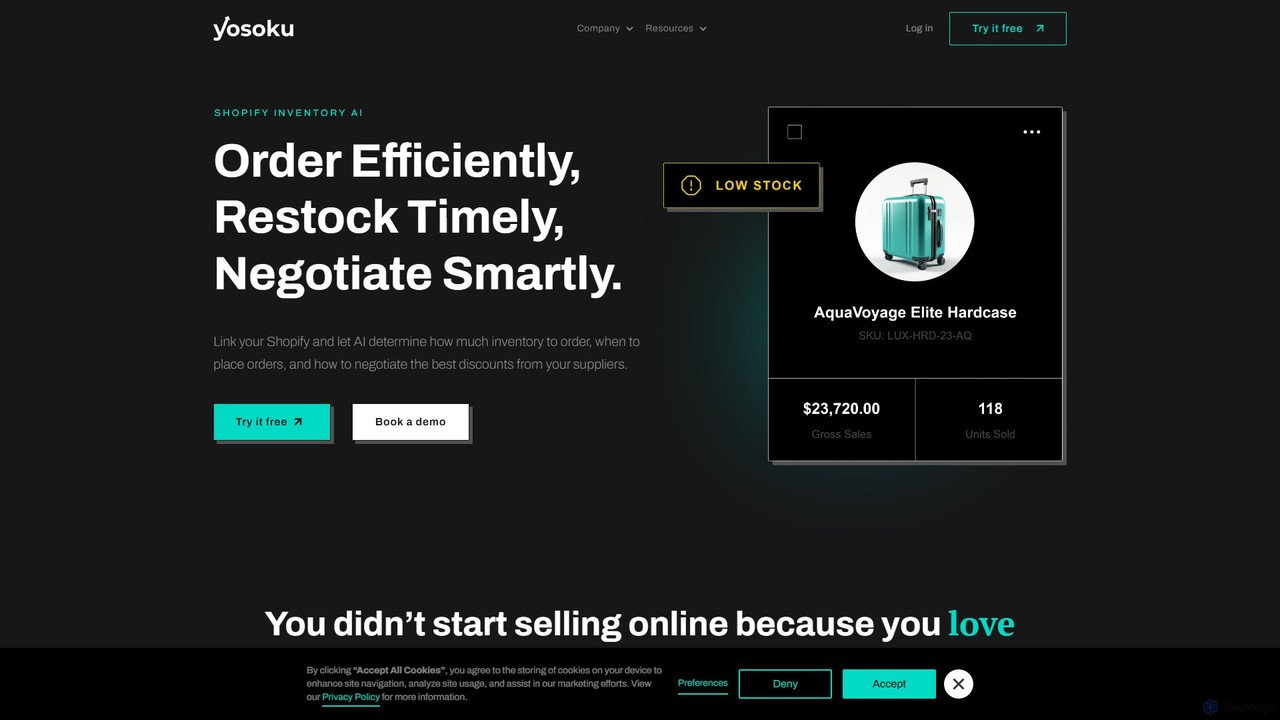
Yosoku is an AI-powered inventory management and demand forecasting platform for Shopify e-commerce businesses. It helps merchants optimize ordering, restock in a timely manner, and negotiate smarter with suppliers to reduce costs, improve cash flow, and increase profitability.
Supply Chain Management
easyerp.ai
easyerp.ai was an AI-powered Enterprise Resource Planning (ERP) platform designed to simplify and automate core business operations for small and medium-sized businesses (SMBs). It aimed to provide an integrated solution for managing finances, inventory, sales, and human resources through a user-friendly interface, enhanced with predictive analytics and intelligent automation to drive growth and efficiency.
Erp
Prediko
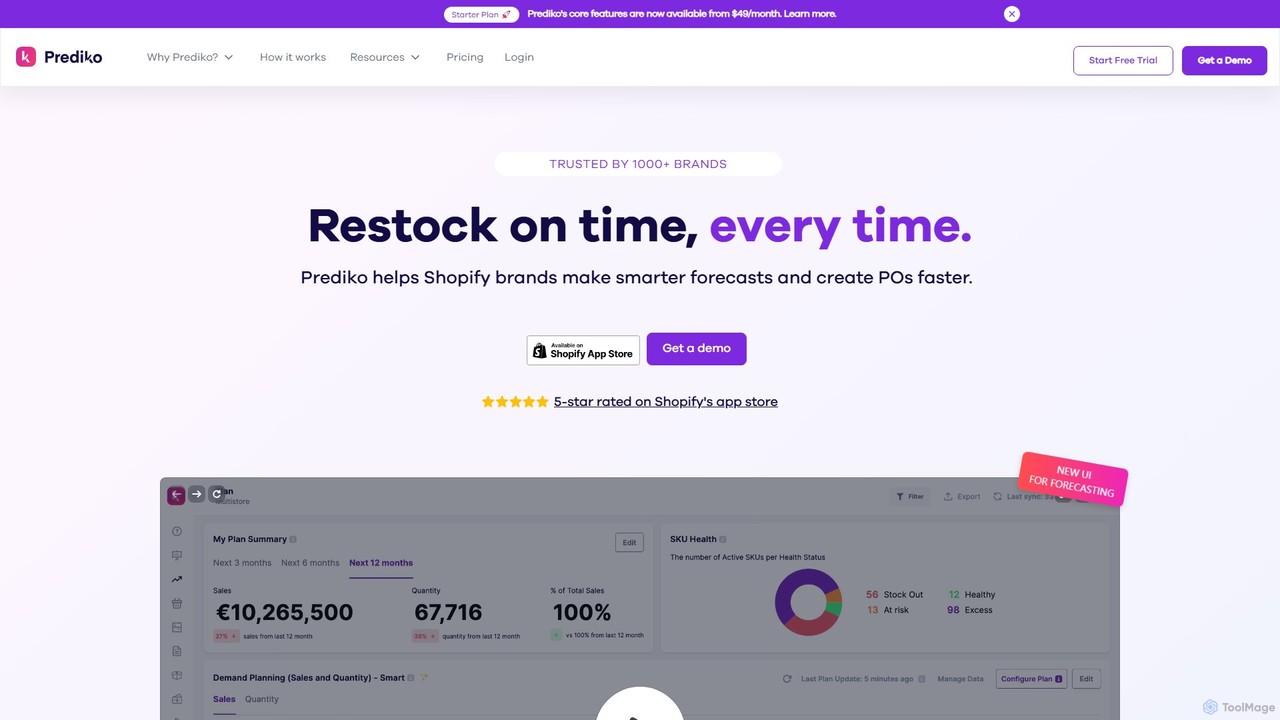
Prediko is an AI-powered inventory management and planning platform designed for Shopify brands. It uses AI to provide accurate demand forecasting, supply planning, and purchase order management. The tool helps e-commerce businesses prevent stockouts, reduce overstock, and optimize cash flow, ultimately saving time and increasing revenue.
Forecasting
standardretail
standardretail is an AI-powered platform for e-commerce and retail businesses. It leverages machine learning to optimize inventory management, forecast sales trends, analyze customer behavior, and automate personalized marketing campaigns. The tool helps retailers streamline operations, reduce costs, and increase revenue by providing data-driven insights and actionable recommendations.
Inventory Management
Inventoro
Inventoro is an AI-powered inventory management platform designed for SMEs. It provides smart sales forecasting and replenishment optimization to help businesses reduce inventory, increase revenue, and improve product availability. By analyzing historical sales data, Inventoro automates ordering processes, saving time and freeing up cash flow for growth.
Inventory Management
WareIQ
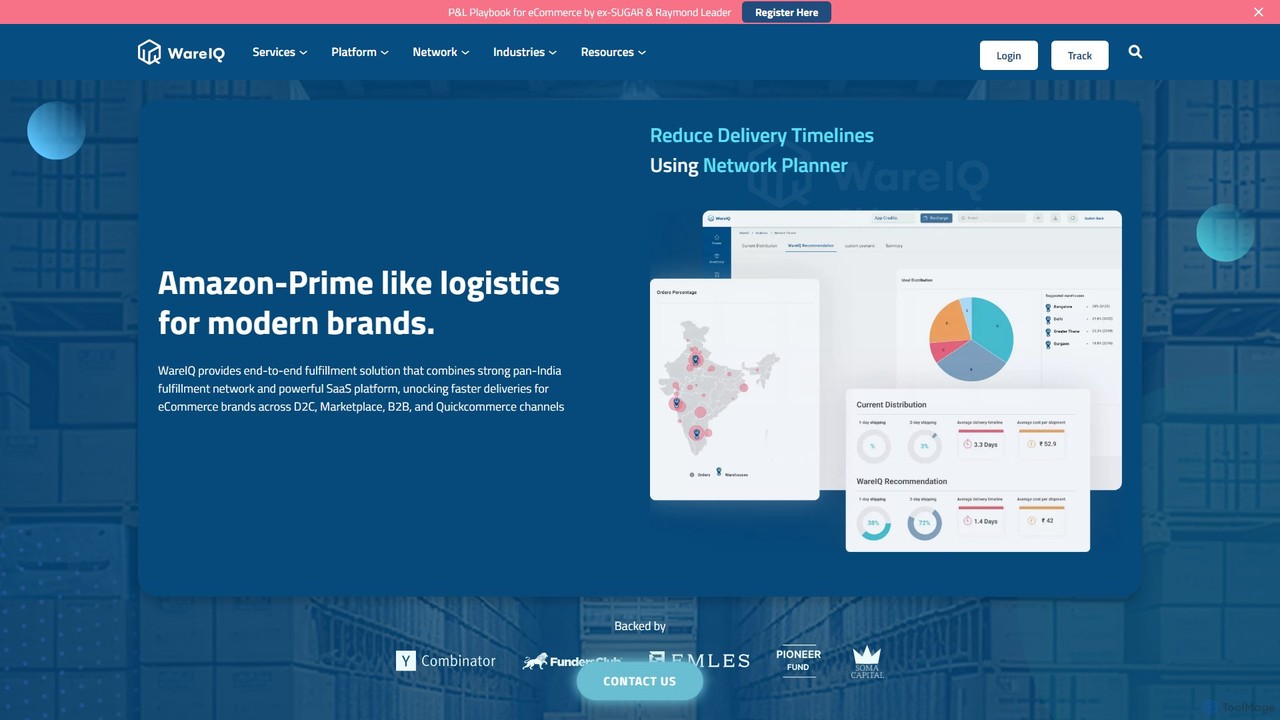
WareIQ is an AI-powered, tech-first fulfillment platform for eCommerce brands in India. It provides an end-to-end logistics solution, combining a pan-India network of fulfillment centers with a smart SaaS platform. WareIQ enables brands to offer Amazon Prime-like same-day and next-day delivery, optimize inventory placement using AI, reduce logistics costs, and manage multi-channel sales (D2C, marketplaces, B2B) seamlessly.
Logistics
LEAFIO AI
LEAFIO AI is an AI-driven retail automation platform designed to optimize supply chain, inventory management, and merchandising processes. It helps retailers and suppliers increase sales, reduce stockouts, and improve operational efficiency through intelligent demand forecasting, automated replenishment, and dynamic planogram generation.
Retail
clicoh
clicoh is an AI-powered logistics platform for e-commerce businesses. It offers end-to-end solutions, including intelligent warehousing, fulfillment services, and optimized last-mile delivery. By leveraging proprietary technology, clicoh helps businesses reduce costs, speed up deliveries (same-day and next-day), and enhance customer experience through real-time tracking. It operates across Latin America, integrating seamlessly with major e-commerce platforms.
Logistics
Cofactr
Cofactr is an AI-powered supply chain execution platform for agile hardware teams. It integrates sourcing, procurement, and third-party logistics (3PL) into a single solution. The platform connects engineering, procurement, and logistics to streamline the entire process from Bill of Materials (BOM) to build, enhancing speed, accuracy, and traceability for hardware manufacturers.
Supply Chain Management
Retalon
Retalon is an AI-powered unified analytics platform for retailers, designed to optimize inventory, pricing, supply chain, and merchandising. It transforms retail data into actionable insights, enabling businesses to make smarter, data-driven decisions that maximize profitability and efficiency across all operations.
Analytics
Assisty
Assisty is an AI-powered inventory management and forecasting application for Shopify merchants. It helps businesses optimize stock levels, automate replenishment, and make data-driven decisions to prevent stockouts and overstocking, ultimately improving efficiency and profitability.
Forecasting
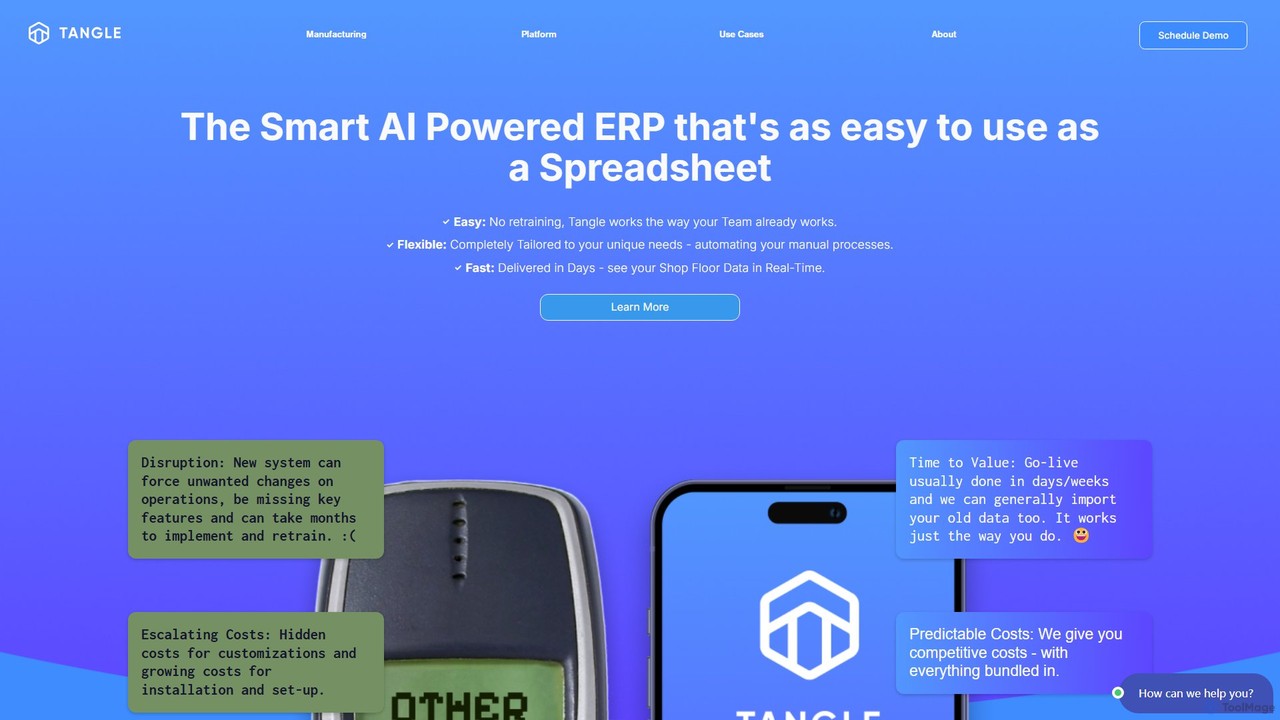
Tangle
Tangle is an AI-powered Manufacturing ERP platform designed to be as flexible and easy to use as a spreadsheet. It automates manual processes, provides real-time shop floor visibility, and is tailored to the unique needs of manufacturing businesses. Tangle streamlines operations from quoting to cash, including inventory, scheduling, and production management, without the disruption of traditional ERP systems.
Erp
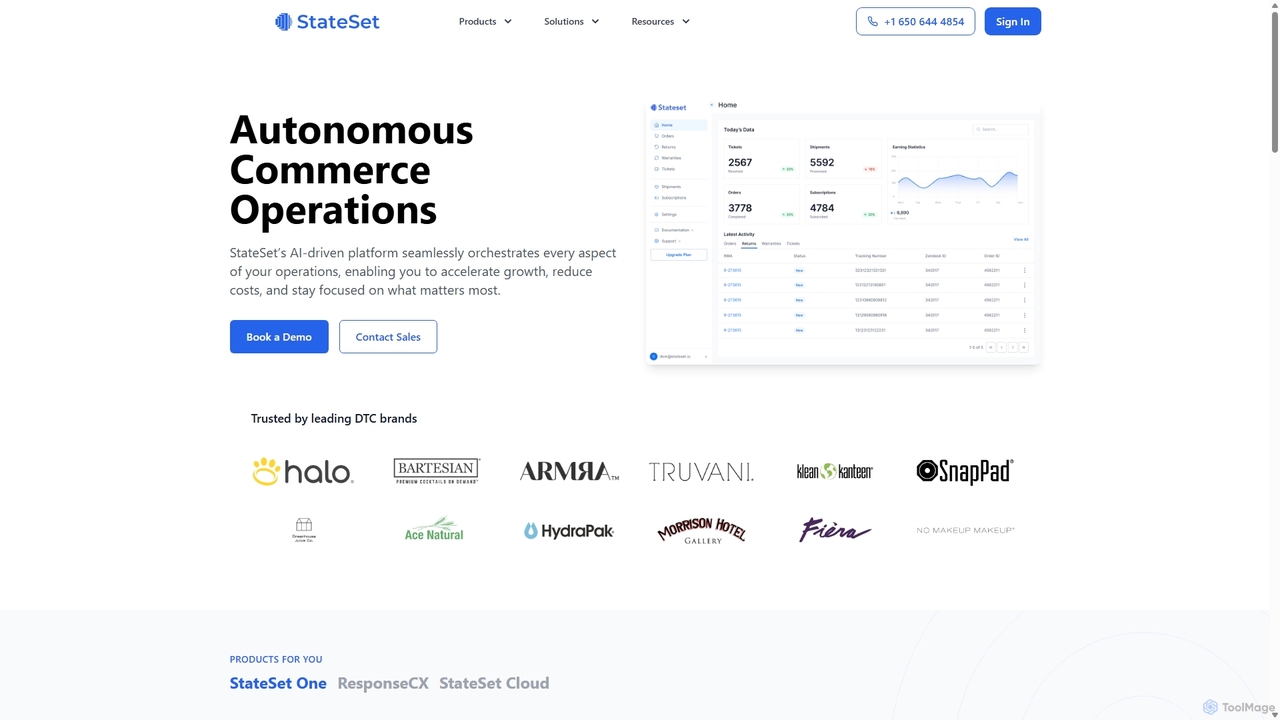
StateSet
StateSet is an AI-driven Autonomous Commerce Operations platform for DTC brands. It unifies all commerce systems into a single dashboard, automating key operations like order management, inventory, returns, and customer service. By leveraging AI agents and powerful APIs, StateSet helps businesses reduce costs, increase efficiency, and scale faster by eliminating operational friction.
Automation
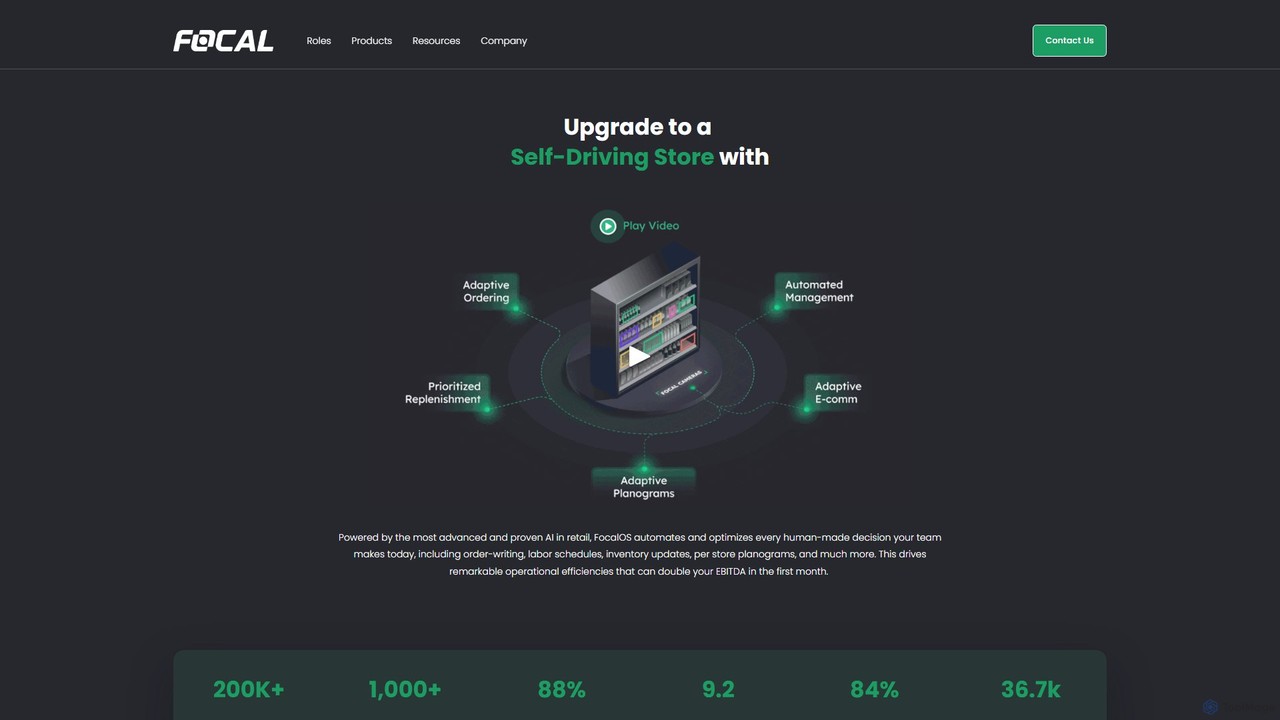
Focal Systems
Focal Systems provides FocalOS, an AI-powered operating system that transforms physical retail stores into "Self-Driving Stores." By using computer vision cameras to digitize shelves hourly, it automates and optimizes inventory management, ordering, labor scheduling, and more. This leads to significant increases in operational efficiency, a dramatic reduction in food waste, and a substantial boost in EBITDA for retailers.
Retail