

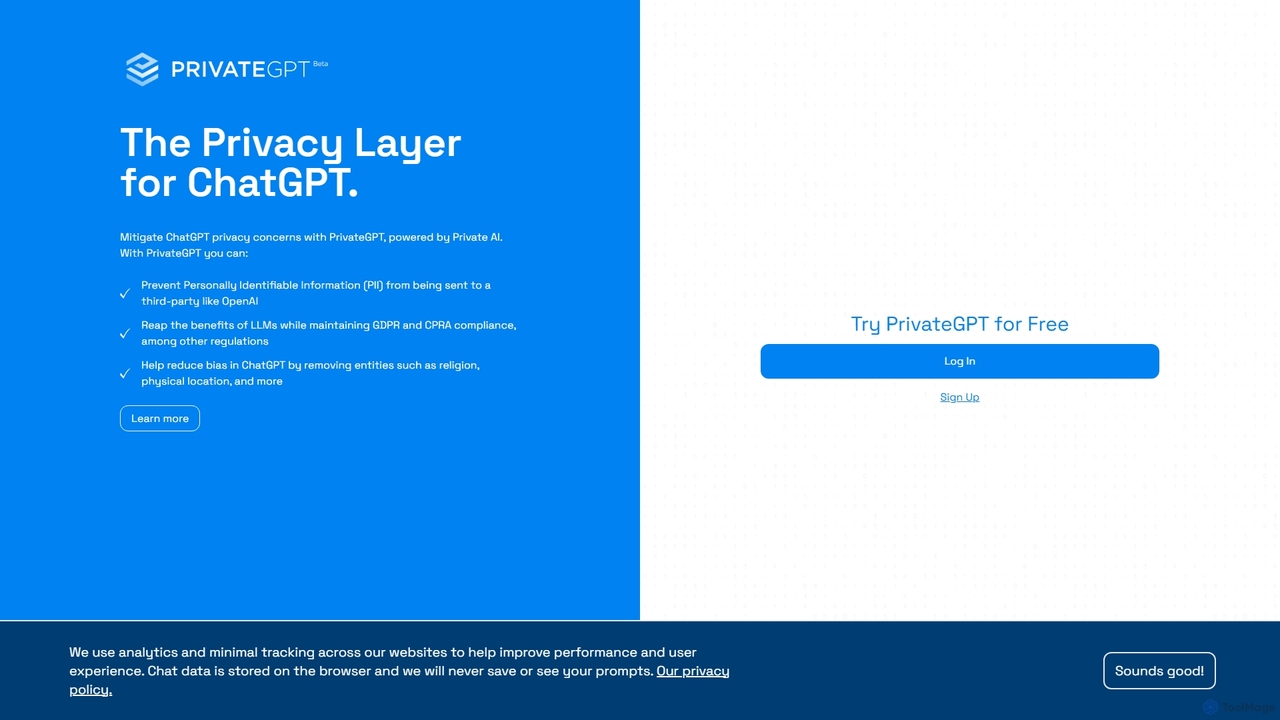
PrivateGPT Overview
PrivateGPT, developed by Private AI, serves as an essential privacy and security layer for users of large language models (LLMs) like ChatGPT. In an era where data privacy is paramount, this tool addresses the significant concern of sending sensitive information to third-party AI services. It functions as a secure intermediary, meticulously scanning user prompts for Personally Identifiable Information (PII) and other sensitive data before they are processed by an external LLM. By automatically redacting this information, PrivateGPT ensures that confidential data never leaves the user's trusted environment, making it possible for individuals and organizations to harness the full potential of generative AI without compromising privacy or security.
The core technology behind PrivateGPT is its advanced PII detection and redaction engine. It can identify and remove over 50 different types of PII, including names, addresses, phone numbers, social security numbers, financial details, and health information. This process is seamless and happens in real-time, providing a user experience that is as fluid as using a standard chatbot, but with the added assurance of robust data protection. This makes it an indispensable tool for industries that handle sensitive data, such as healthcare, finance, and legal services, helping them maintain compliance with stringent regulations like GDPR, HIPAA, and CPRA.
How to use PrivateGPT
Using PrivateGPT is designed to be straightforward and intuitive, requiring no complex setup. Here’s a typical workflow:
- Sign Up: Create an account on the PrivateGPT website to get started. They offer a free trial to allow users to experience the platform's capabilities.
- Access the Chat Interface: Once logged in, you are presented with a familiar chat interface, similar to that of ChatGPT.
- Enter Your Prompt: Type your query or prompt into the chat box. You can include sensitive information that is relevant to your task, such as customer details, patient data, or internal company information.
- Automatic Redaction: As you submit the prompt, PrivateGPT's engine instantly scans the text, identifies any PII, and redacts it by replacing it with non-sensitive placeholders. For example, a customer's name might be replaced with '[PERSON_1]'.
- Secure LLM Processing: The sanitized, PII-free prompt is then sent to the underlying large language model (e.g., a model from OpenAI).
- Receive a Secure Response: The LLM generates a response based on the anonymized prompt and sends it back. PrivateGPT then presents this response to you. The original sensitive data never reaches the third-party AI, ensuring complete privacy.
Core Features of PrivateGPT
- Real-time PII Redaction: Automatically detects and removes over 50 types of PII from user prompts before they are sent to third-party LLMs.
- Broad Compliance Support: Helps organizations adhere to major data privacy regulations, including GDPR, CPRA, HIPAA, and more.
- Bias Reduction: Mitigates AI bias by stripping out sensitive attributes such as religion, nationality, and physical location from prompts, leading to more neutral and objective AI responses.
- Seamless Integration: Offers a user-friendly web interface that mimics popular AI chatbots, requiring minimal training for users.
- API Access: For developers and businesses, Private AI offers API access to integrate its PII redaction technology directly into their own applications, workflows, and services.
- On-Premise Deployment Option: For maximum security and control, enterprise clients can deploy the solution on-premise or in their private cloud.
Use Cases for PrivateGPT
PrivateGPT is valuable for any role or industry where confidentiality is critical:
- Healthcare: Doctors and medical researchers can use it to summarize patient notes, analyze medical records, or draft communications without exposing protected health information (PHI), ensuring HIPAA compliance.
- Finance and Banking: Financial analysts and customer service agents can analyze customer data, discuss account details, or generate reports without risking the exposure of financial or personal information.
- Legal Services: Lawyers and paralegals can leverage it to summarize legal documents, review case files, or draft contracts that contain sensitive client information, maintaining attorney-client privilege.
- Customer Support: Support teams can use AI to help resolve customer issues by inputting ticket information without sending customer PII to an external AI model.
- Software Development: Developers can use it to debug code or generate test cases using snippets of production data without leaking user credentials, API keys, or other confidential data.
Advantages of PrivateGPT
The primary advantage of PrivateGPT is its ability to unlock the power of generative AI for regulated industries. It bridges the gap between the immense capabilities of LLMs and the stringent requirements of data privacy. Key benefits include enhanced security, simplified regulatory compliance, risk mitigation against data breaches, and the promotion of ethical AI use by reducing inherent biases. It empowers businesses to innovate confidently, knowing their most valuable data assets are protected.
Pricing and Plans
PrivateGPT operates on a freemium model. There is a free trial or a free tier available that allows users to test the core functionalities with certain limitations on usage. For professional and business use, there are paid subscription plans that offer higher usage limits, access to more advanced features, priority support, and API access. Custom enterprise plans are also available for large organizations, which may include options for on-premise deployment and tailored compliance support. For specific pricing details, users should visit the official Private AI website.
PrivateGPT Alternatives

Wald.ai
Wald.ai is an enterprise-grade security platform that enables teams to use powerful AI assistants like ChatGPT, Claude, and Gemini without leaking sensitive data. It provides a unified interface with advanced Data Loss Prevention (DLP), contextual data redaction, and end-to-end encryption to ensure security and compliance.
Api
ChatLLM
ChatLLM is an advanced conversational AI platform designed for professionals and developers. It provides unified access to multiple leading Large Language Models (LLMs) like GPT-4, Claude 3, and more. The platform focuses on enhancing productivity, streamlining workflows, and enabling powerful integrations through a robust API.
Api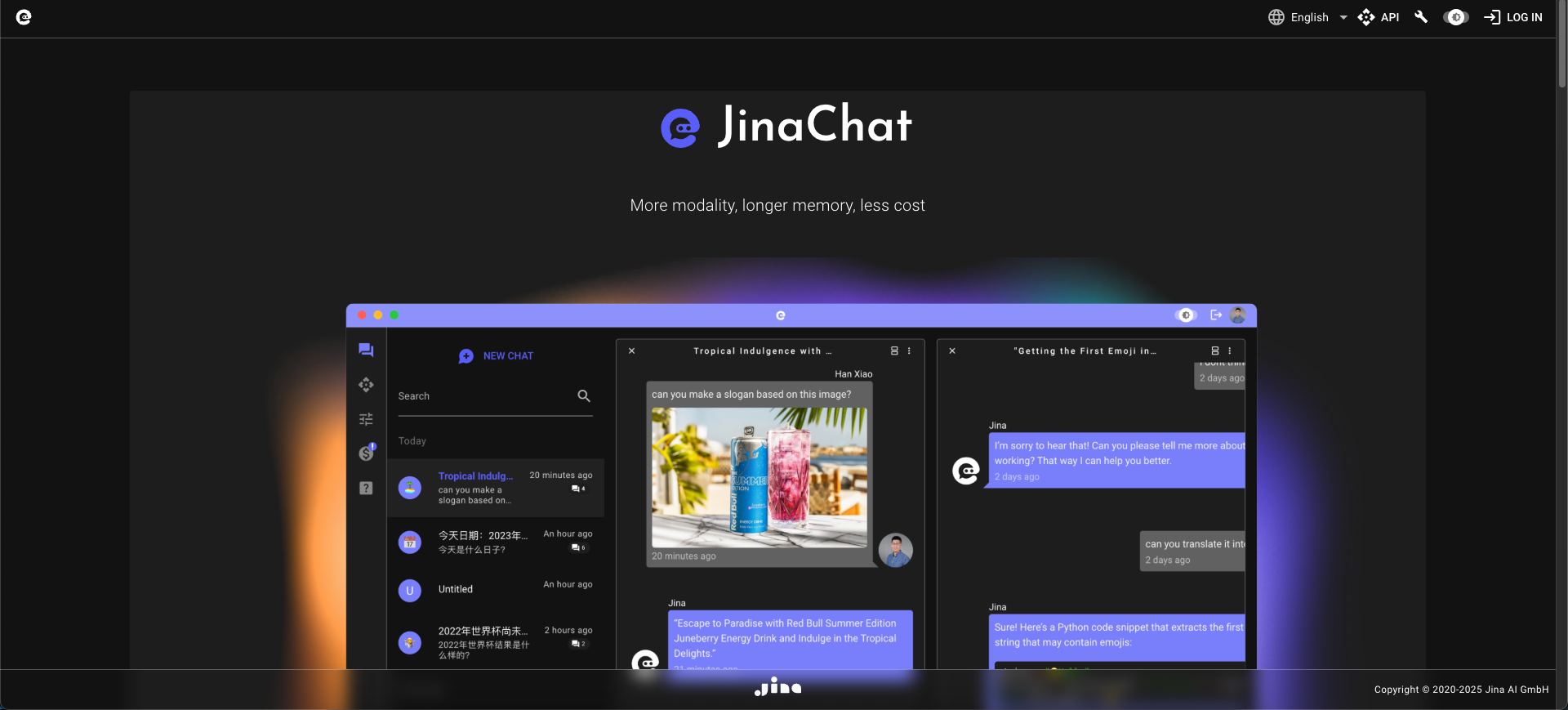
JinaChat
JinaChat is an advanced, cost-effective conversational AI platform specializing in multimodal understanding and long-context memory. It allows users and developers to build sophisticated applications that can process and interpret text, images, and more, making it a powerful alternative to other leading AI models.
Generative Ai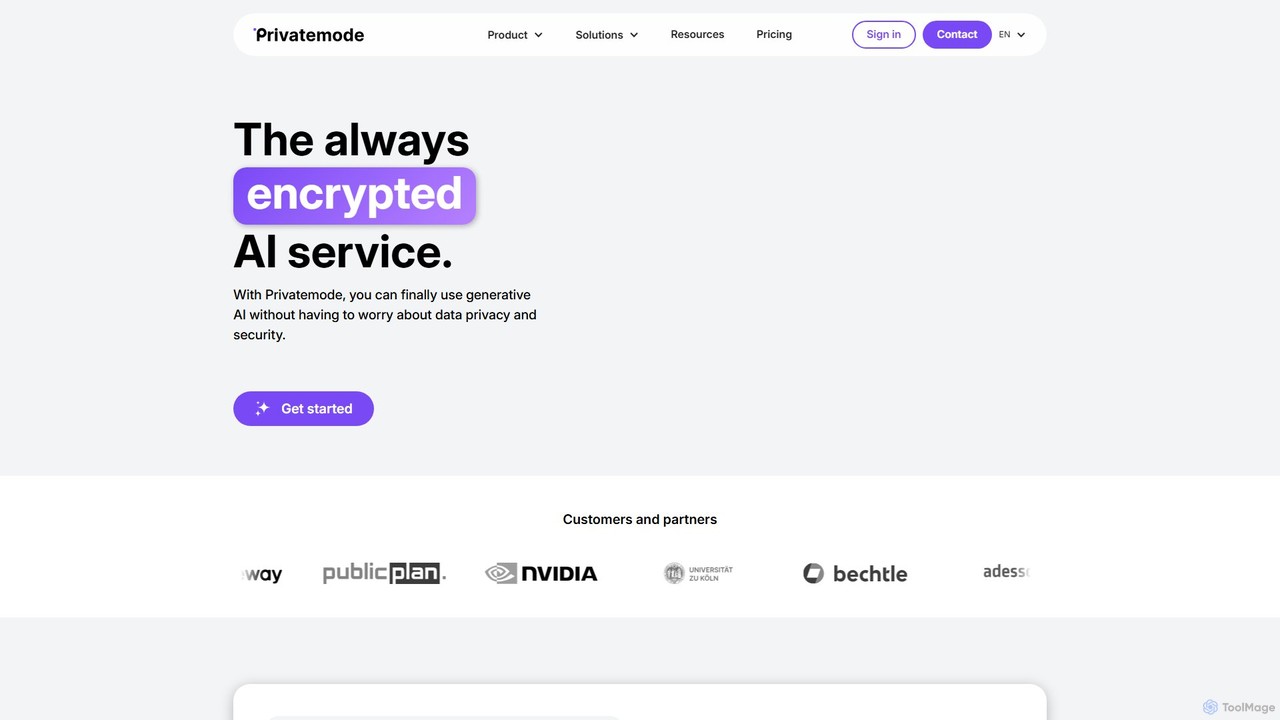
Privatemode AI
Privatemode AI is an ultra-secure, always-encrypted AI service built on confidential computing technology. It ensures your data remains encrypted even during processing, providing unparalleled privacy. Ideal for developers, enterprises, and industries handling sensitive information, it offers access to powerful LLMs like Llama 3 via a secure desktop app and API, guaranteeing that no one, not even the service provider, can access your conversations.
Api
Protevia
Protevia is an AI-powered platform designed to automate data privacy, security, and compliance. It helps businesses discover, classify, and protect sensitive data across their entire digital ecosystem, ensuring adherence to global regulations like GDPR, CCPA, and HIPAA.
Risk ManagementPrivateGPT Categories
PrivateGPT Jobs
PrivateGPT Embed Widget
Copy this embed code to place the badge on your blog, article, or product site and send readers directly to this ToolMage detail page.

Related AI tools
Wald.ai
Wald.ai is an enterprise-grade security platform that enables teams to use powerful AI assistants like ChatGPT, Claude, and Gemini without leaking sensitive data. It provides a unified interface with advanced Data Loss Prevention (DLP), contextual data redaction, and end-to-end encryption to ensure security and compliance.
Api
hushhushai
hushhushai is an AI-powered platform designed for automated data anonymization and PII (Personally Identifiable Information) redaction. It helps businesses and individuals protect sensitive data in documents and images, ensuring compliance with privacy regulations like GDPR, HIPAA, and CCPA. Secure your data effortlessly with advanced AI.
Legal
Nolimit
Nolimit is an advanced AI platform designed for unrestricted exploration, ultimate privacy, and enterprise-grade performance. It features a 13-billion parameter model with a 16K token context window, zero content filters, and a client-server architecture ensuring no data retention and anonymous processing. Ideal for sensitive research, creative content, and secure data handling.
General Purpose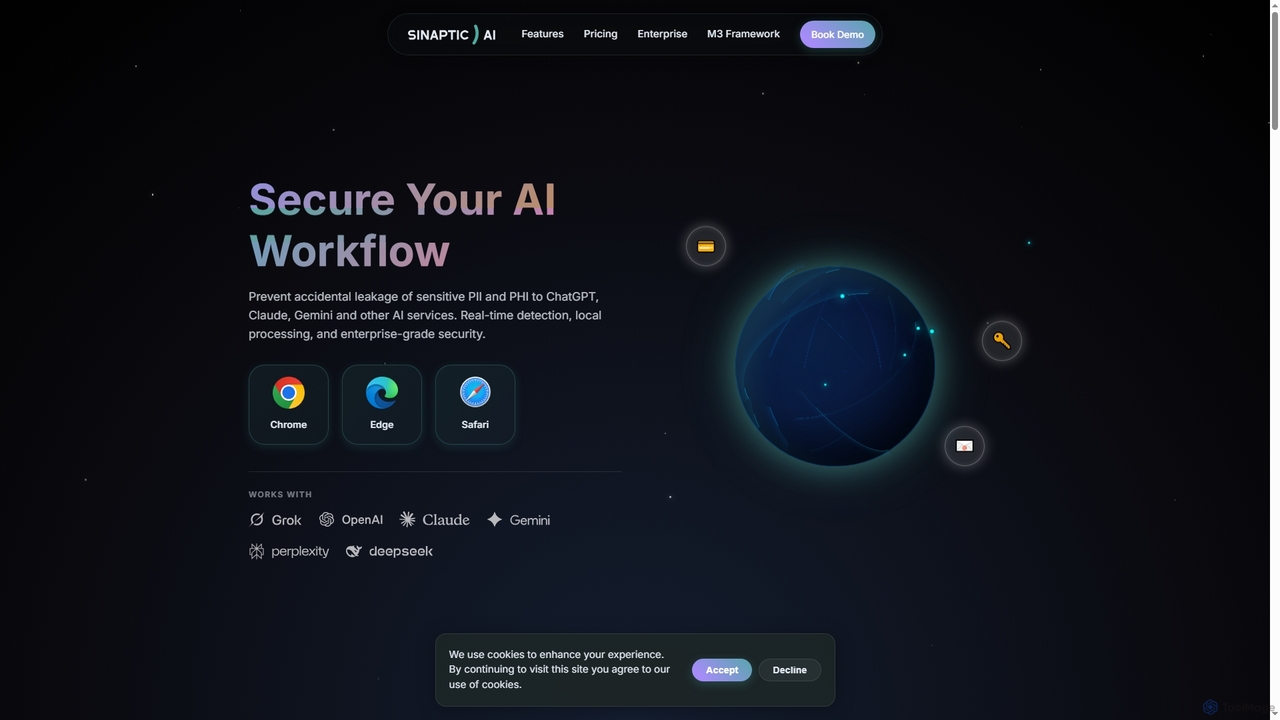
Sinaptic
Sinaptic is a browser extension that safeguards sensitive personal and health information (PII/PHI) from accidental leakage to AI tools like ChatGPT, Claude, and Gemini. It offers real-time detection, local processing for privacy, and enterprise-grade security to ensure data protection in AI workflows.
Security
Neosync
Neosync is an open-source platform for data anonymization and synthetic data generation. It helps developers and data scientists create safe, privacy-compliant, and realistic datasets for testing, development, and AI model training, ensuring referential integrity across databases.
Data Generation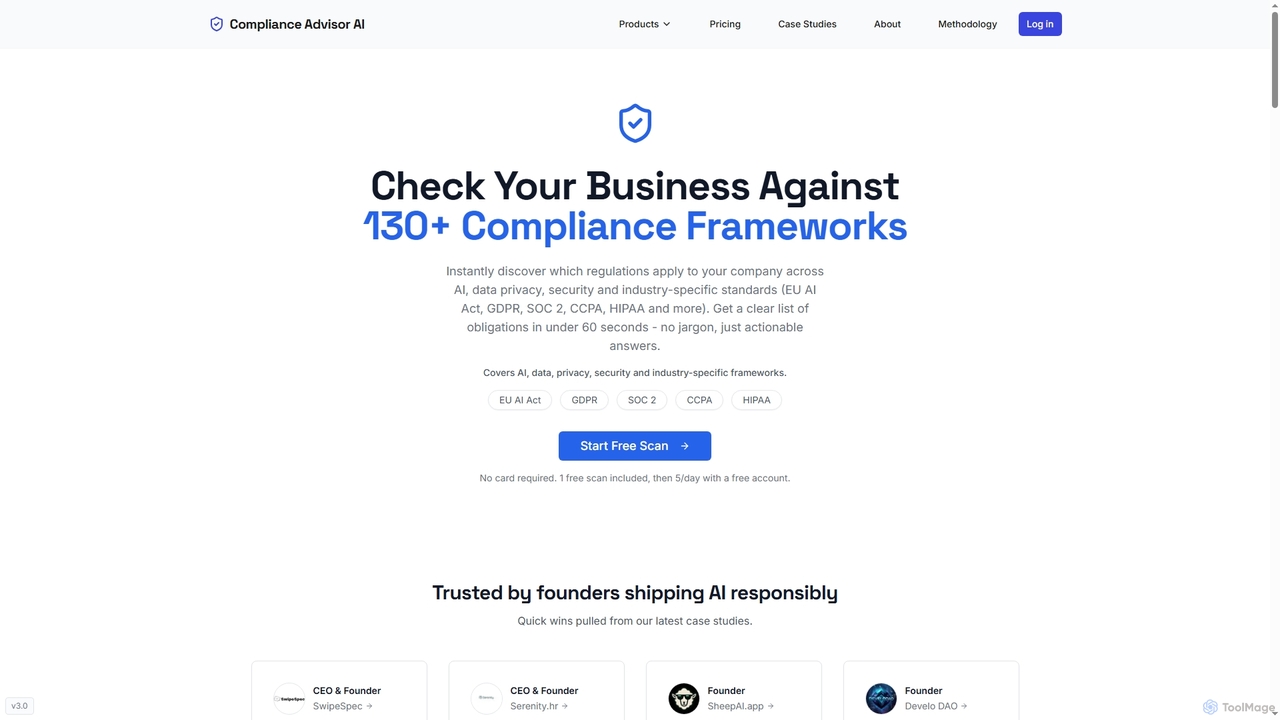
Aicomplianceadvisor
An AI-powered platform that instantly scans your business against over 130 global compliance frameworks, including the EU AI Act, GDPR, SOC 2, and HIPAA. It delivers a clear, actionable list of your regulatory obligations and a risk assessment in under 60 seconds.
Risk Management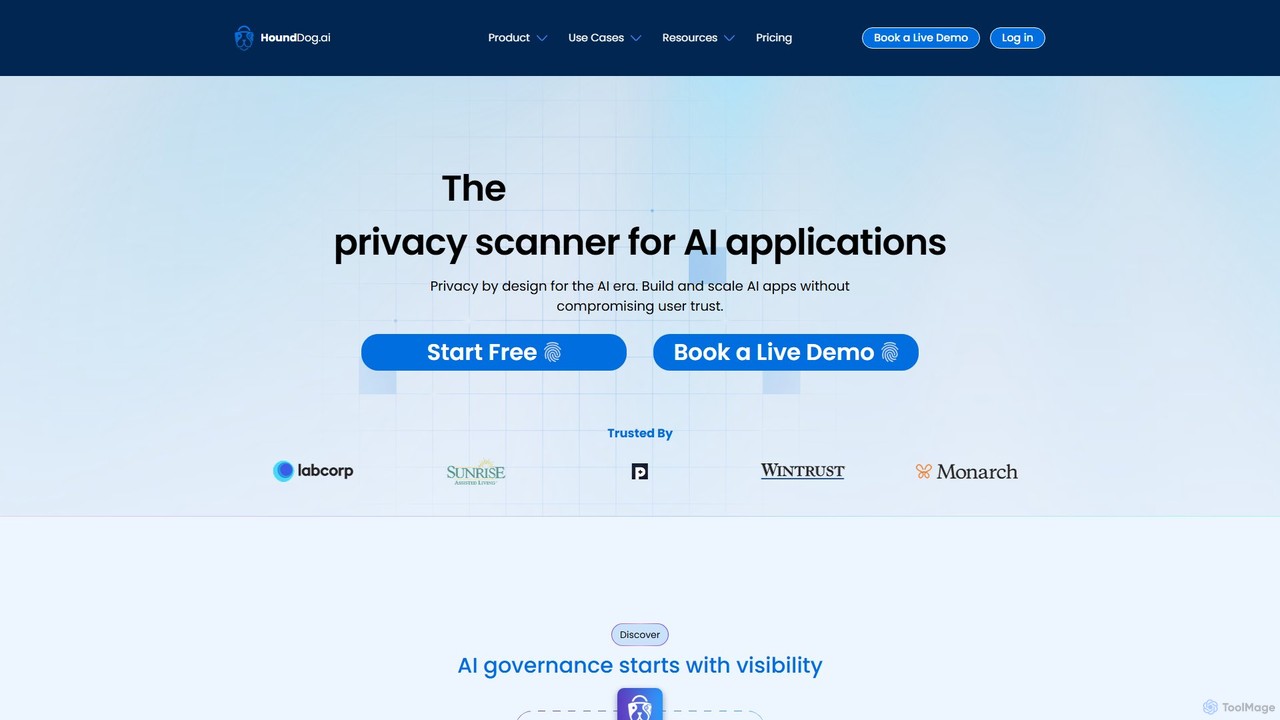
HoundDog.ai
A proactive privacy code scanner for AI applications that automates data mapping and prevents PII leaks early in development. It integrates into the SDLC to enforce privacy by design, discover shadow AI, and ensure compliance with regulations like GDPR and HIPAA.
Code SecurityChatLLM
ChatLLM is an advanced conversational AI platform designed for professionals and developers. It provides unified access to multiple leading Large Language Models (LLMs) like GPT-4, Claude 3, and more. The platform focuses on enhancing productivity, streamlining workflows, and enabling powerful integrations through a robust API.
Api
Lit.Codes Chat
A privacy-focused AI chat interface offering access to a wide range of advanced GPT models, including GPT-4o. It features end-to-end encrypted chat history and a convenient Chrome extension, making it a secure and versatile tool for developers, writers, and professionals seeking powerful AI assistance without compromising on data security.
Coding AssistantProtevia
Protevia is an AI-powered platform designed to automate data privacy, security, and compliance. It helps businesses discover, classify, and protect sensitive data across their entire digital ecosystem, ensuring adherence to global regulations like GDPR, CCPA, and HIPAA.
Risk Management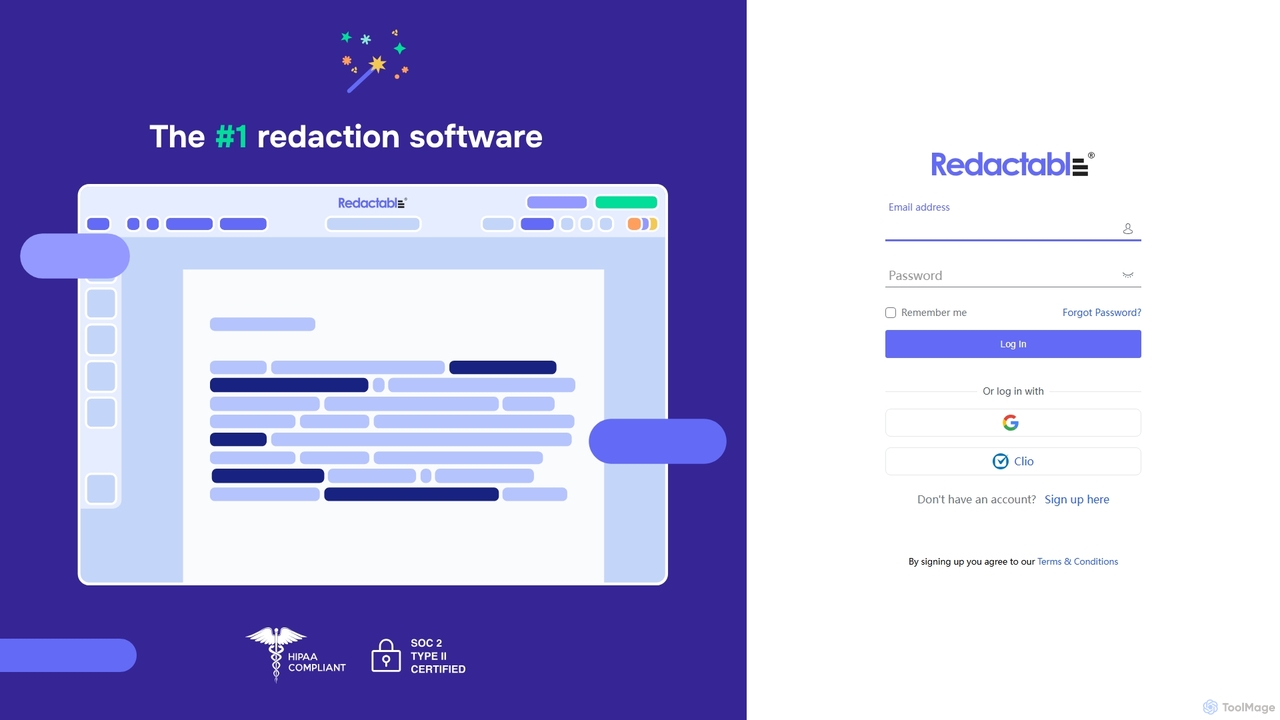
Redactable
Redactable is an AI-powered platform that automates the process of redacting sensitive information from documents. It intelligently detects and removes PII, PHI, and other confidential data, ensuring compliance with privacy regulations like GDPR and HIPAA. Ideal for legal, healthcare, and financial professionals, it streamlines workflows, reduces human error, and secures documents with permanent, unrecoverable redactions.
Document Management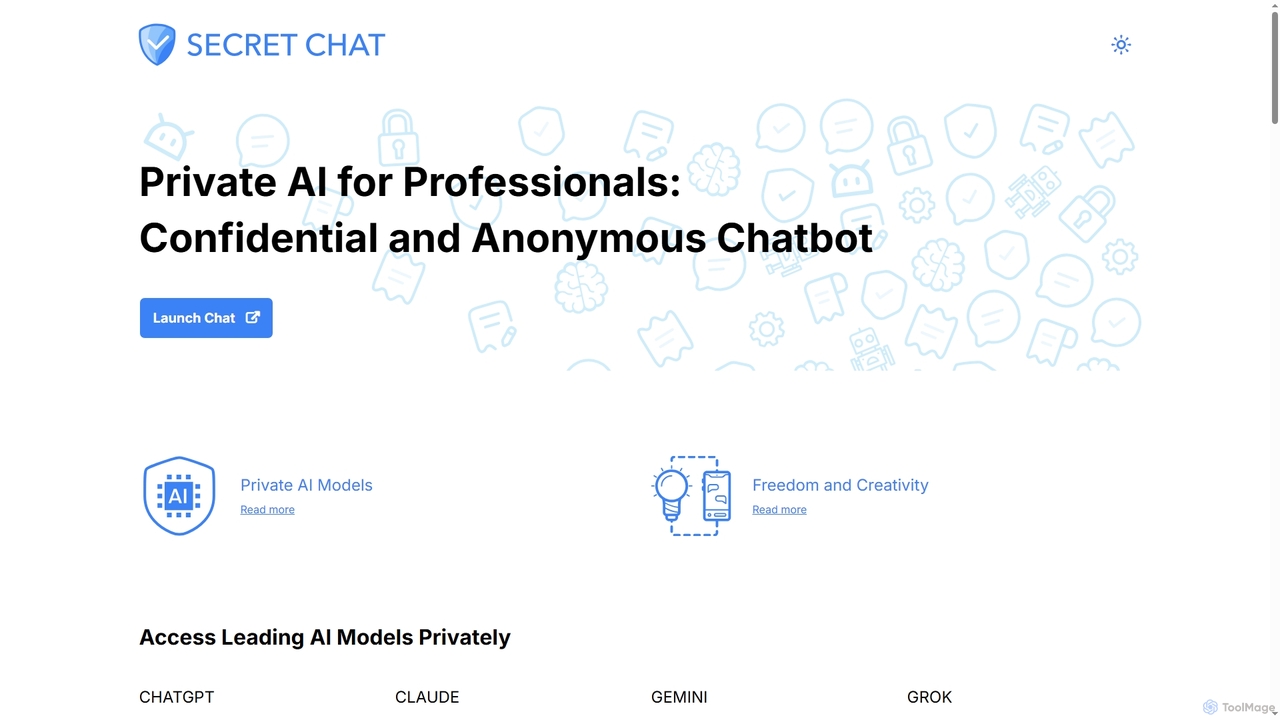
Secret Chat
Secret Chat is a private AI gateway designed for professionals handling sensitive information, offering secure, anonymous access to leading AI models like GPT, Claude, and Gemini. It ensures data confidentiality through local-only storage, IP protection, and verifiable deletion from LLM memory, without requiring an account or using data for training.
Data Privacy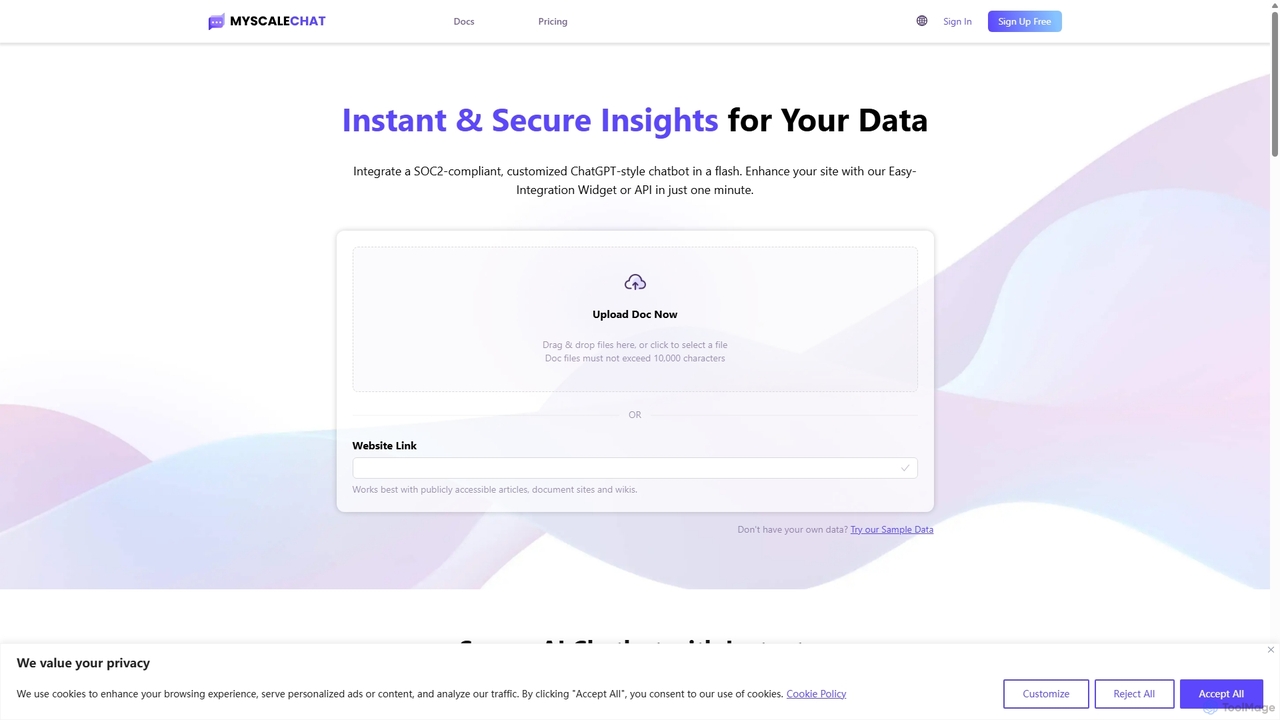
MyScale Chat
MyScale Chat is an AI-powered platform that enables users to build custom chatbots by chatting with their own data. Leveraging the high-performance MyScale vector database, it provides instant, secure, and accurate insights from documents, websites, or knowledge bases. It's designed for developers and businesses to create sophisticated RAG (Retrieval-Augmented Generation) applications, transforming private data into interactive, intelligent conversational agents.
Document Analysis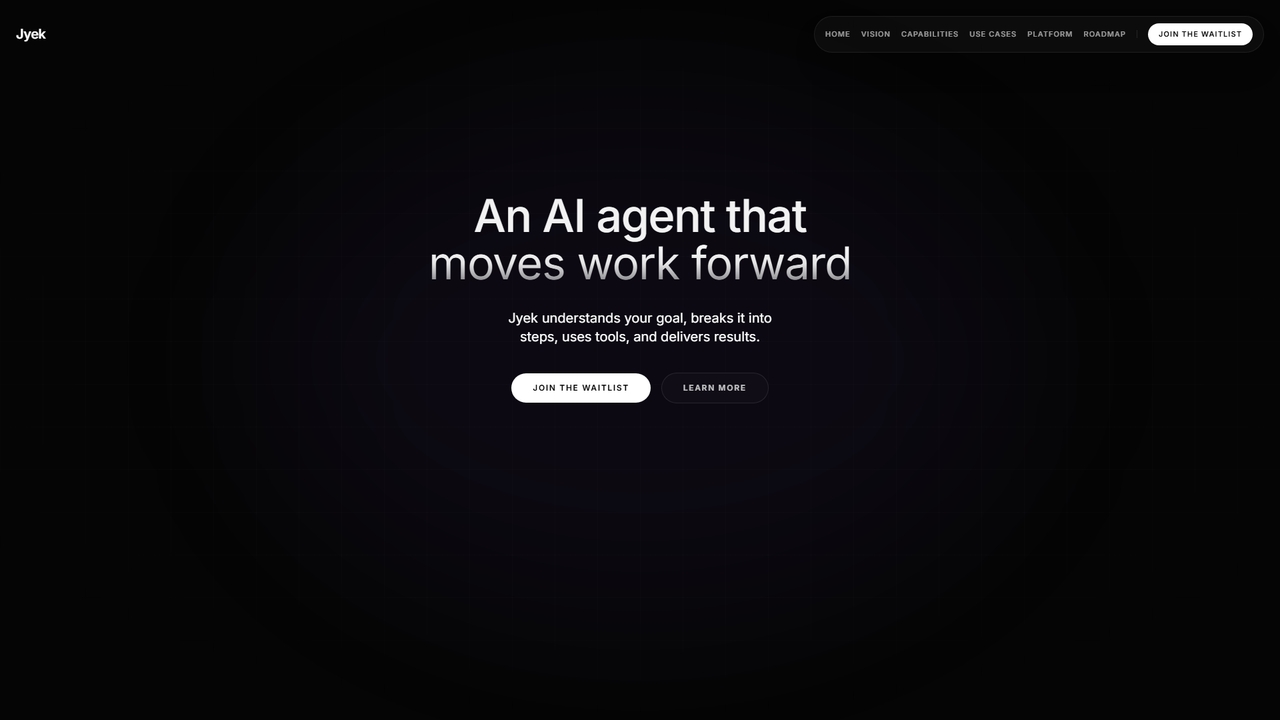
Jyek
Jyek is an AI agent platform that understands objectives, creates execution plans, uses tools, and delivers verifiable results for complex, multi-step tasks.
Automation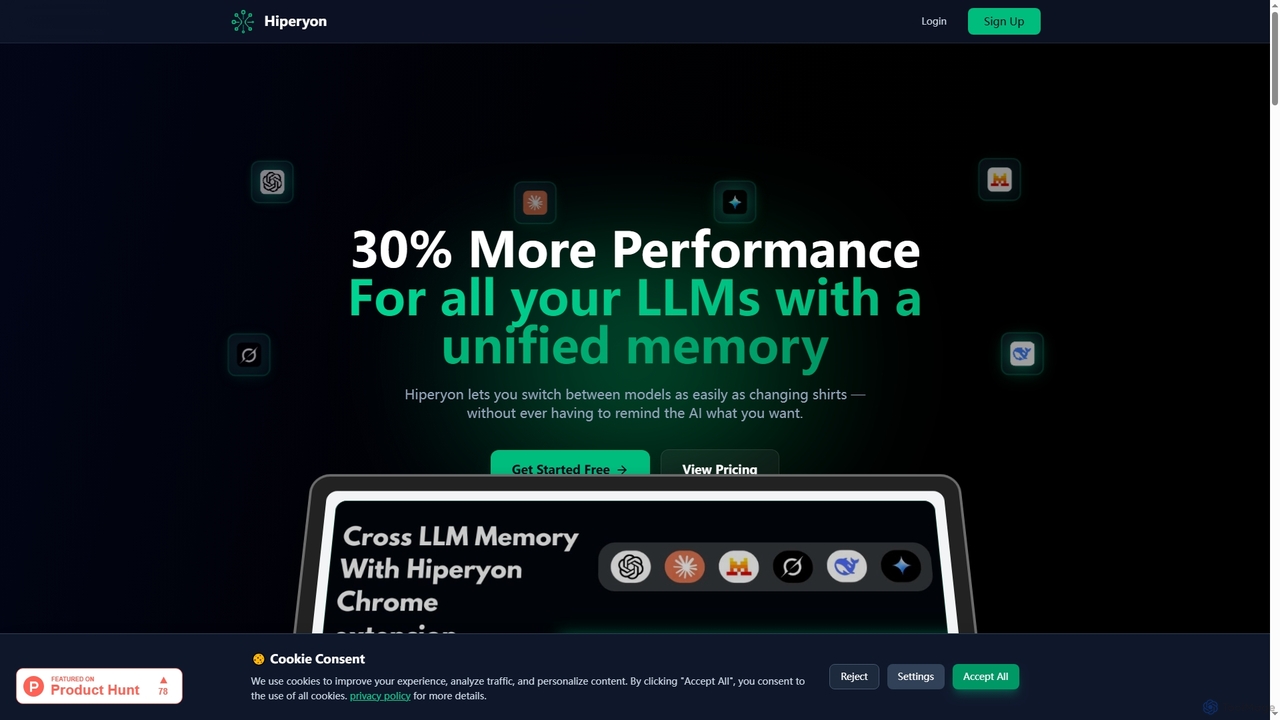
Hiperyon
Hiperyon is an AI tool that provides a unified contextual memory layer for multiple Large Language Models (LLMs) like ChatGPT, Claude, and Gemini. It enhances productivity by allowing users to switch between different AI models without losing context or repeating information, ensuring consistent and efficient interactions.
Context Management
PrivateGPT Comments (0)
Sign in to comment.
Sign inNo comments yet.