

Neosync Overview
Neosync is a powerful, open-source tool designed to address critical data privacy and utility challenges faced by modern development teams. It specializes in two core areas: data anonymization and synthetic data generation. By transforming sensitive production data into safe, de-identified versions, Neosync enables developers to work with realistic datasets in local and staging environments without risking data breaches or violating privacy regulations like GDPR, HIPAA, and CCPA.
The platform is built with developers in mind, offering seamless integration into existing workflows. It can connect to various data sources, primarily relational databases like PostgreSQL and MySQL, and allows users to define rules for transforming data while preserving its structural and statistical integrity. This means that relationships between tables (foreign keys) are maintained, ensuring the anonymized or synthetic data behaves just like the real thing, which is crucial for accurate testing and reliable application development.
How to use Neosync
Using Neosync typically follows a structured, developer-centric workflow:
- Connect to a Data Source: Start by configuring Neosync to connect to your production or source database (e.g., PostgreSQL, MySQL). This is often done via a configuration file or a user interface.
- Define Data Transformation Jobs: Create a job to specify how the data should be handled. You'll identify the tables and columns you want to include.
- Configure Anonymization Rules: For each sensitive column (e.g., names, emails, phone numbers, social security numbers), you select a 'Transformer'. Neosync provides a library of pre-built transformers (e.g., random string generator, email masker, address randomizer) to replace real data with realistic but fake data.
- Generate Synthetic Data: If you need to create data from scratch, you can define a schema and use Neosync to populate it with large volumes of statistically-sound, referentially-intact data. This is ideal for load testing or training ML models without any real data.
- Maintain Referential Integrity: Neosync automatically handles foreign key relationships, ensuring that if you anonymize a user ID in one table, all corresponding records in other tables are updated consistently.
- Execute and Sync: Run the job to process the data and sync the resulting safe dataset to a destination of your choice, such as a local developer database, a staging environment, or a cloud storage bucket.
Core Features of Neosync
- Data Anonymization: A rich set of data transformers to mask, substitute, or generate fake data for various data types, effectively removing Personally Identifiable Information (PII).
- Synthetic Data Generation: Ability to create large-scale, high-fidelity synthetic datasets that mirror the statistical properties and schema of your production data.
- Referential Integrity Preservation: Intelligently maintains relationships across tables and databases, preventing broken links and ensuring data consistency.
- Data Subsetting: Create smaller, targeted, and fully functional subsets of your production database, accelerating development and testing cycles.
- Open-Source and Extensible: As an open-source project, it offers transparency, community support, and the ability to create custom transformers to meet specific needs.
- Database Compatibility: Natively supports popular databases like PostgreSQL and MySQL, with a growing list of integrations.
Use Cases for Neosync
Neosync is invaluable for a variety of scenarios:
- Local Development & Testing: Provides developers with safe, production-like data on their local machines, eliminating the security risks associated with using real production data.
- CI/CD Pipelines: Automate the creation of fresh, anonymized data for every test run in your continuous integration and deployment pipelines.
- AI and Machine Learning: Train ML models on large, realistic datasets without compromising user privacy.
- Sales Demos and Presentations: Create compelling product demonstrations with realistic-looking data that contains no sensitive customer information.
- Third-Party Data Sharing: Securely share data with partners or researchers by first anonymizing all sensitive information.
- Regulatory Compliance: Helps organizations meet the requirements of privacy laws like GDPR, HIPAA, and CCPA by de-identifying data used in non-production environments.
Advantages of Neosync
Neosync offers several key advantages:
- Enhanced Security and Privacy: Drastically reduces the risk of data breaches by removing sensitive data from development and testing environments.
- Increased Developer Velocity: Speeds up development cycles by providing instant access to safe and realistic data, eliminating data-related bottlenecks.
- High-Fidelity Data: The focus on referential integrity and statistical preservation ensures that the test data is a true reflection of production data, leading to fewer bugs.
- Cost-Effective: The open-source model makes it an accessible solution for teams of all sizes, with options for enterprise support and managed services.
- Flexibility: Can be self-hosted and customized to fit unique data structures and security requirements.
Pricing and Plans
Neosync operates on a freemium model. The core platform is open-source and free to use, allowing anyone to self-host and leverage its data anonymization and synthesis capabilities. For organizations requiring more advanced features, managed services, or dedicated support, Neosync typically offers paid enterprise or cloud plans. These plans often include features like role-based access control, priority support, and managed infrastructure.
Neosync Alternatives
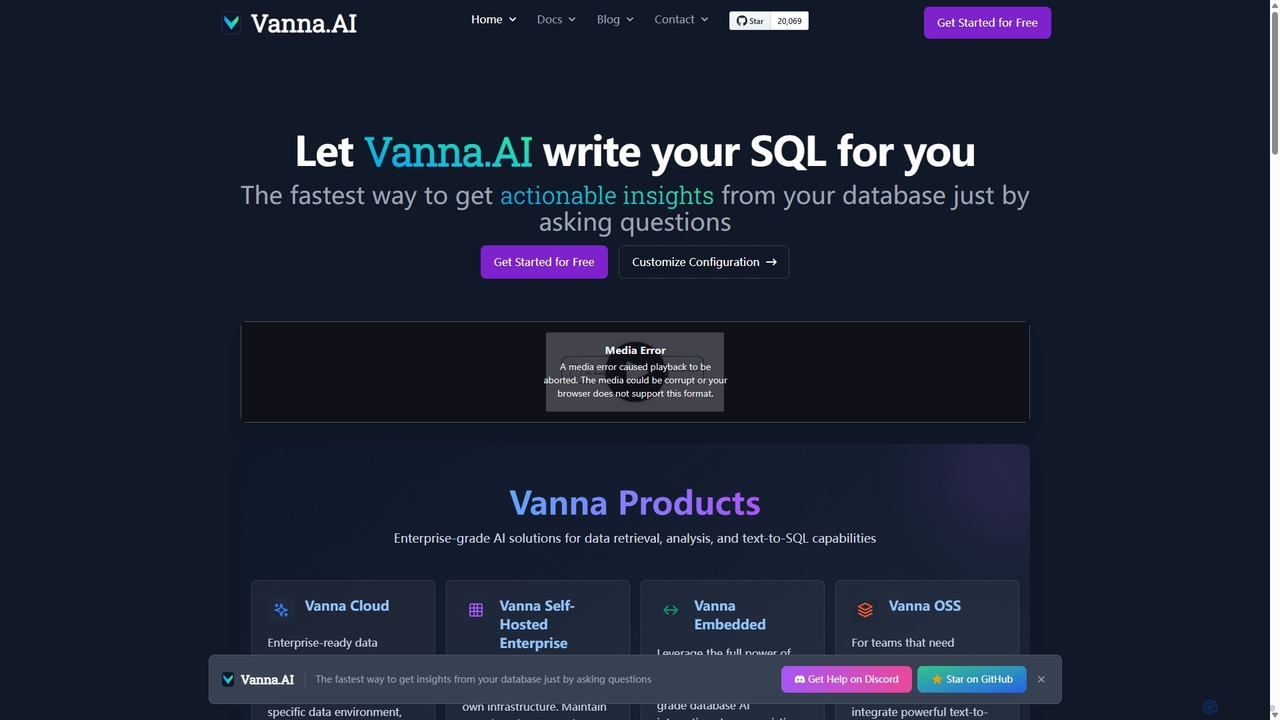
Vanna.AI
Vanna.AI is an open-source, personalized AI SQL agent that transforms natural language questions into accurate SQL queries. It uses a Retrieval-Augmented Generation (RAG) model trained on your specific database schema, documentation, and past queries to achieve high accuracy on complex datasets. It's designed for security, flexibility, and easy integration into any application, empowering both technical and non-technical users to gain insights from their data effortlessly.
Business Intelligence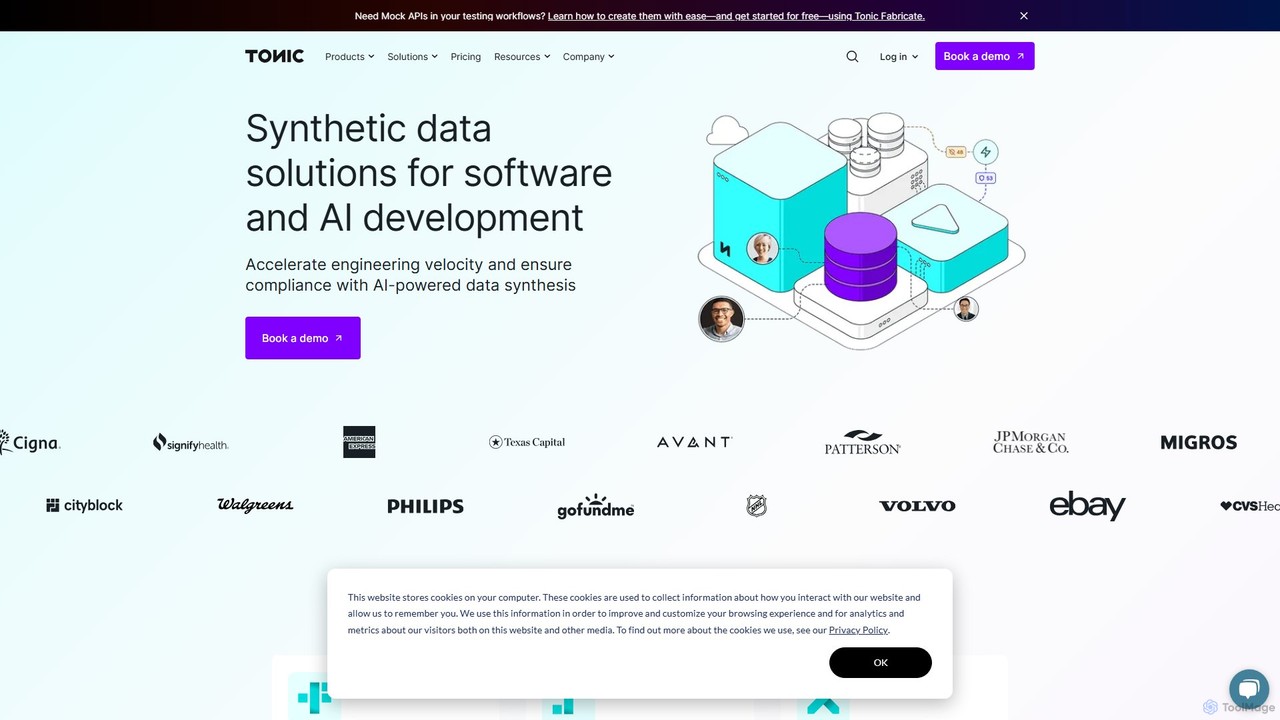
Tonic.ai
Tonic.ai is an AI-powered platform for generating high-quality, realistic, and safe synthetic data. It helps software and AI engineers accelerate development, ensure compliance (GDPR, HIPAA), and improve testing by mimicking production data without exposing sensitive information. The suite includes tools for structured, unstructured, and from-scratch data synthesis.
Synthetic Data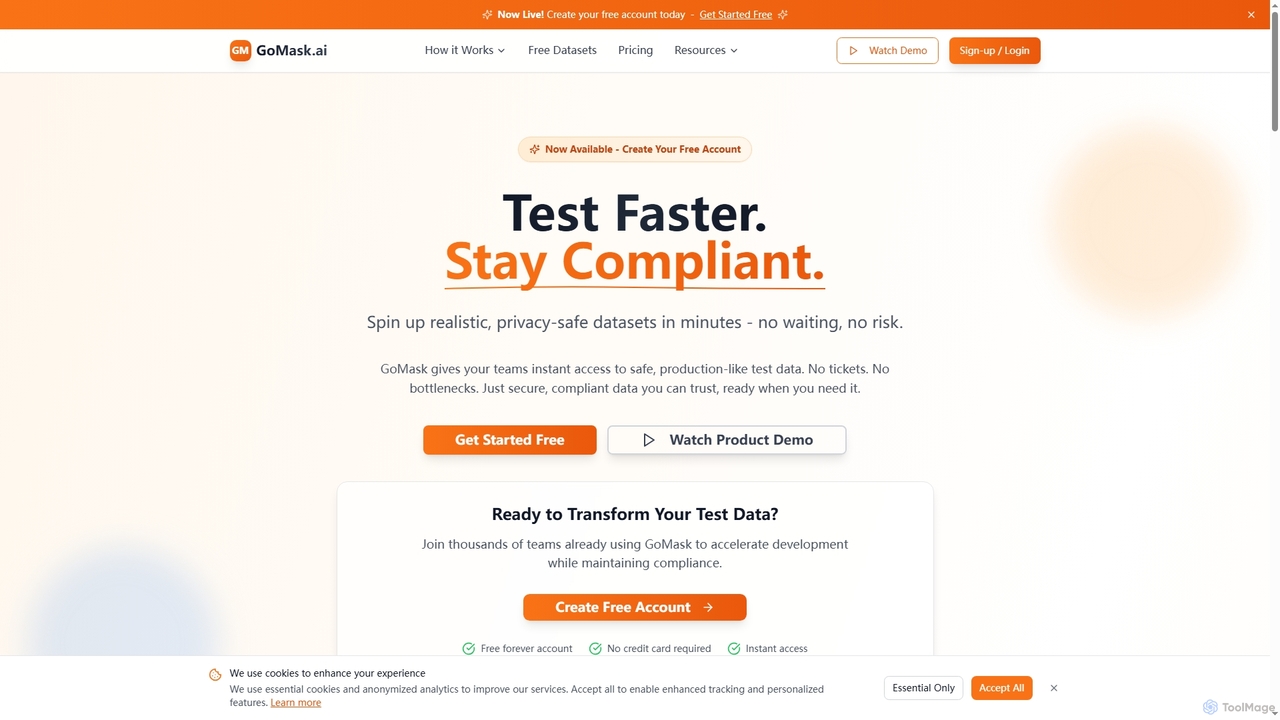
GoMask
GoMask is an AI-powered platform that accelerates software development by providing instant, compliant, and realistic test data through advanced data masking and synthetic data generation. It eliminates bottlenecks, ensures regulatory compliance, and integrates seamlessly into modern CI/CD pipelines.
Data Masking
MindsDB
MindsDB is an open-source AI layer for databases, enabling developers to build, train, and deploy AI models and agents using standard SQL. It connects to hundreds of data sources, unifies structured and unstructured data into knowledge bases, and allows you to get AI-powered answers directly from your data without complex ETL pipelines.
Machine Learning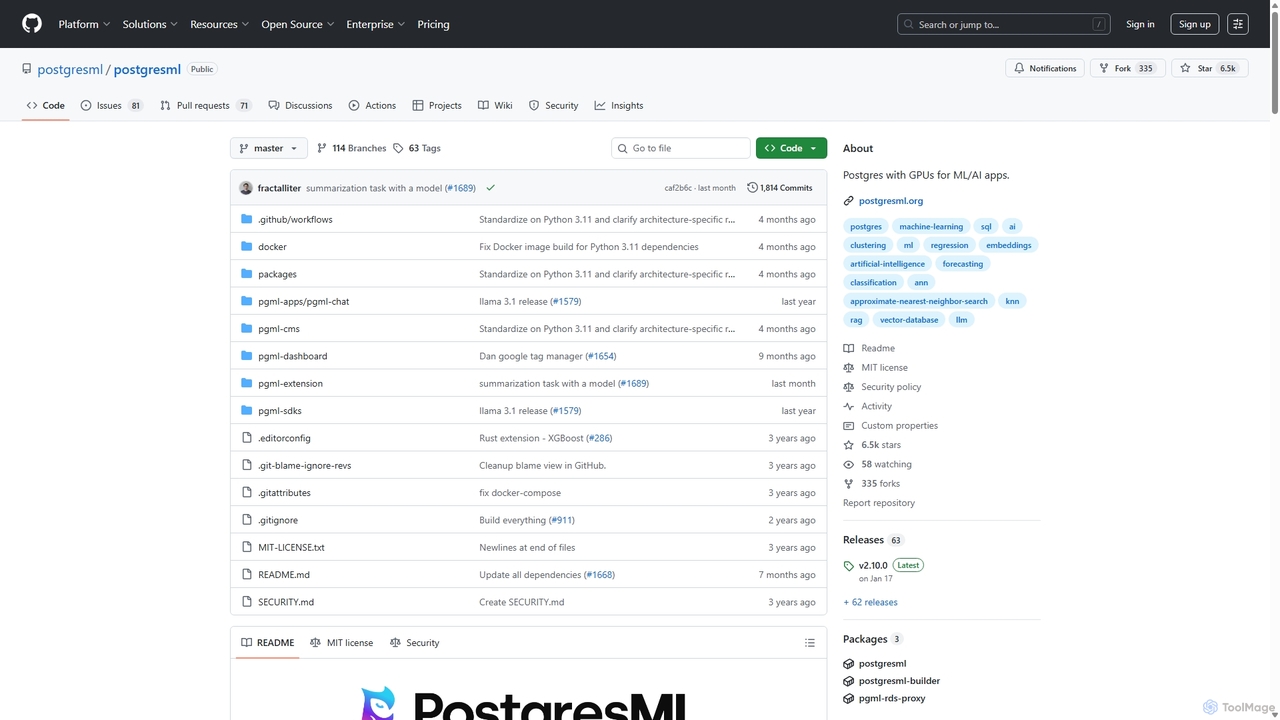
PostgresML
PostgresML is a powerful open-source extension that integrates machine learning and AI directly into your PostgreSQL database. It enables GPU-accelerated inference, vector search, and complete RAG pipelines using simple SQL commands, eliminating data movement and simplifying the MLOps stack for high-performance, scalable AI applications.
MlopsNeosync Categories
Neosync Jobs
Neosync Embed Widget
Copy this embed code to place the badge on your blog, article, or product site and send readers directly to this ToolMage detail page.

Related AI tools
Tonic.ai
Tonic.ai is an AI-powered platform for generating high-quality, realistic, and safe synthetic data. It helps software and AI engineers accelerate development, ensure compliance (GDPR, HIPAA), and improve testing by mimicking production data without exposing sensitive information. The suite includes tools for structured, unstructured, and from-scratch data synthesis.
Synthetic DataGoMask
GoMask is an AI-powered platform that accelerates software development by providing instant, compliant, and realistic test data through advanced data masking and synthetic data generation. It eliminates bottlenecks, ensures regulatory compliance, and integrates seamlessly into modern CI/CD pipelines.
Data Masking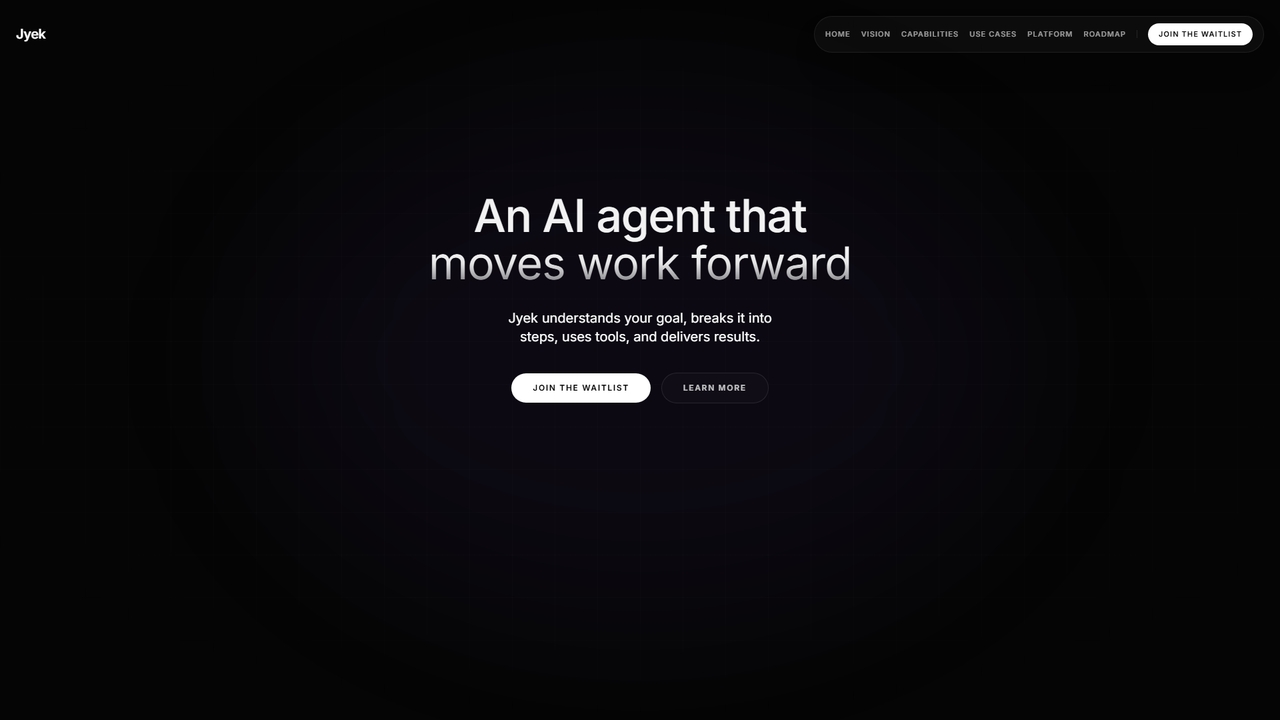
Jyek
Jyek is an AI agent platform that understands objectives, creates execution plans, uses tools, and delivers verifiable results for complex, multi-step tasks.
AutomationVanna.AI
Vanna.AI is an open-source, personalized AI SQL agent that transforms natural language questions into accurate SQL queries. It uses a Retrieval-Augmented Generation (RAG) model trained on your specific database schema, documentation, and past queries to achieve high accuracy on complex datasets. It's designed for security, flexibility, and easy integration into any application, empowering both technical and non-technical users to gain insights from their data effortlessly.
Business IntelligenceMindsDB
MindsDB is an open-source AI layer for databases, enabling developers to build, train, and deploy AI models and agents using standard SQL. It connects to hundreds of data sources, unifies structured and unstructured data into knowledge bases, and allows you to get AI-powered answers directly from your data without complex ETL pipelines.
Machine LearningPostgresML
PostgresML is a powerful open-source extension that integrates machine learning and AI directly into your PostgreSQL database. It enables GPU-accelerated inference, vector search, and complete RAG pipelines using simple SQL commands, eliminating data movement and simplifying the MLOps stack for high-performance, scalable AI applications.
Mlops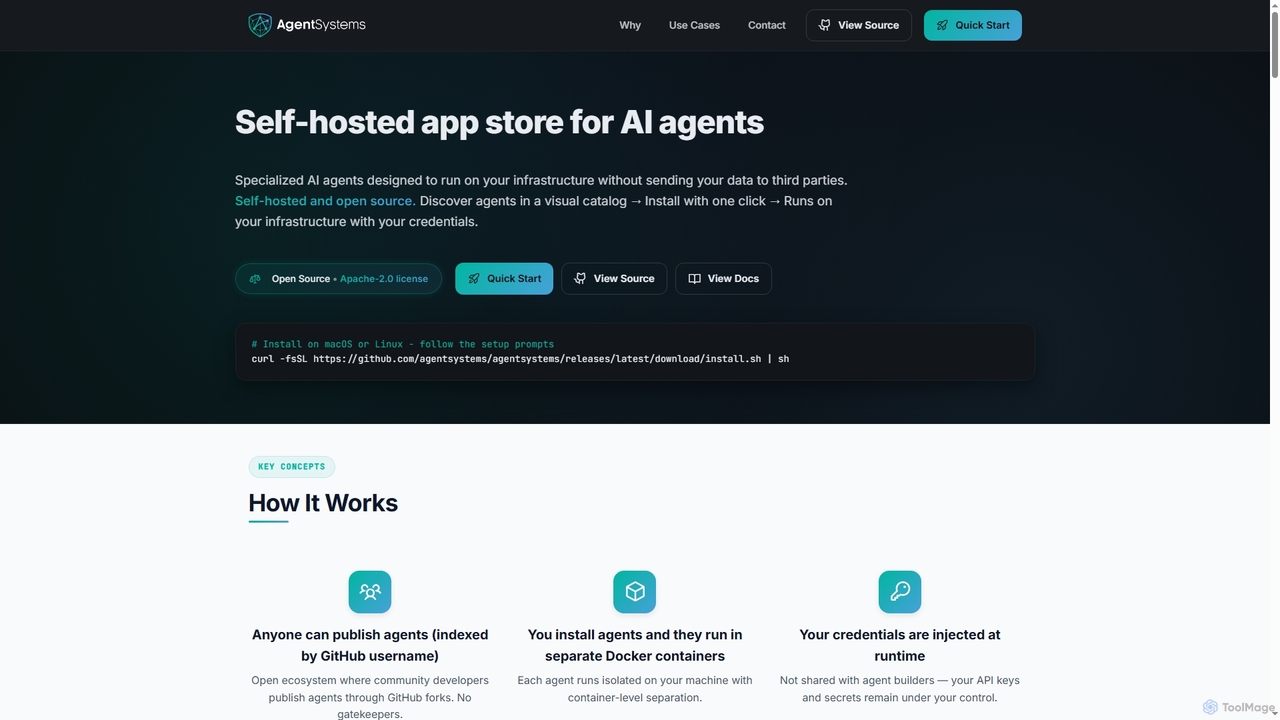
AgentSystems
An open-source, self-hosted platform for discovering, deploying, and managing specialized AI agents on your own infrastructure, ensuring complete data privacy and control.
Self Hosted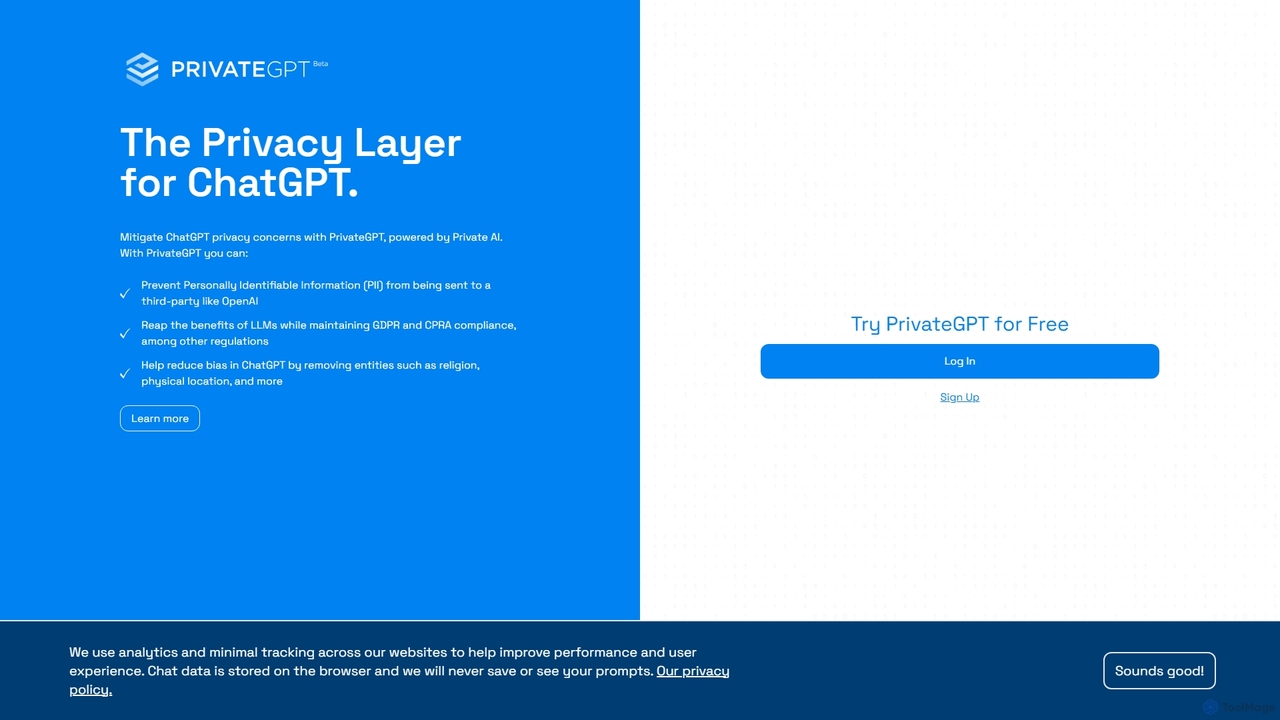
PrivateGPT
PrivateGPT is a privacy layer for ChatGPT, designed to prevent sensitive data and Personally Identifiable Information (PII) from being sent to third-party LLMs. It automatically redacts PII from your prompts, ensuring you can leverage the power of AI while maintaining strict data privacy and compliance with regulations like GDPR and CPRA. It also helps reduce AI bias by removing sensitive personal attributes.
Api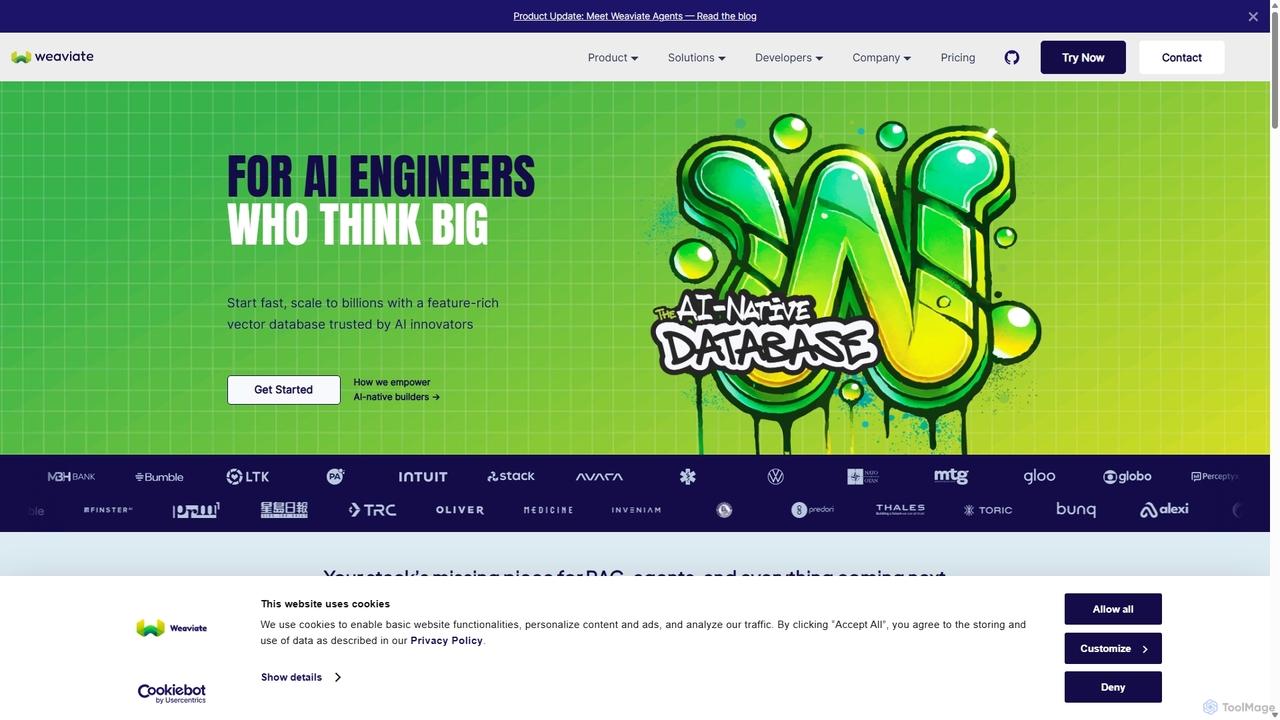
Weaviate
Weaviate is an open-source, AI-native vector database designed for developers. It enables scalable, low-latency vector, keyword, and hybrid search. Ideal for building AI applications like semantic search, recommendation engines, and Retrieval-Augmented Generation (RAG) systems, it integrates seamlessly with popular machine learning models to store and query data based on semantic meaning.
Vector Database
Ollama
Ollama is a powerful open-source framework for running large language models (LLMs) like Llama 3, Mistral, and Gemma locally on your own hardware. Available for macOS, Windows, and Linux, it simplifies the setup and management of open-source models, enabling private, offline, and cost-effective AI development and usage.
Machine Learning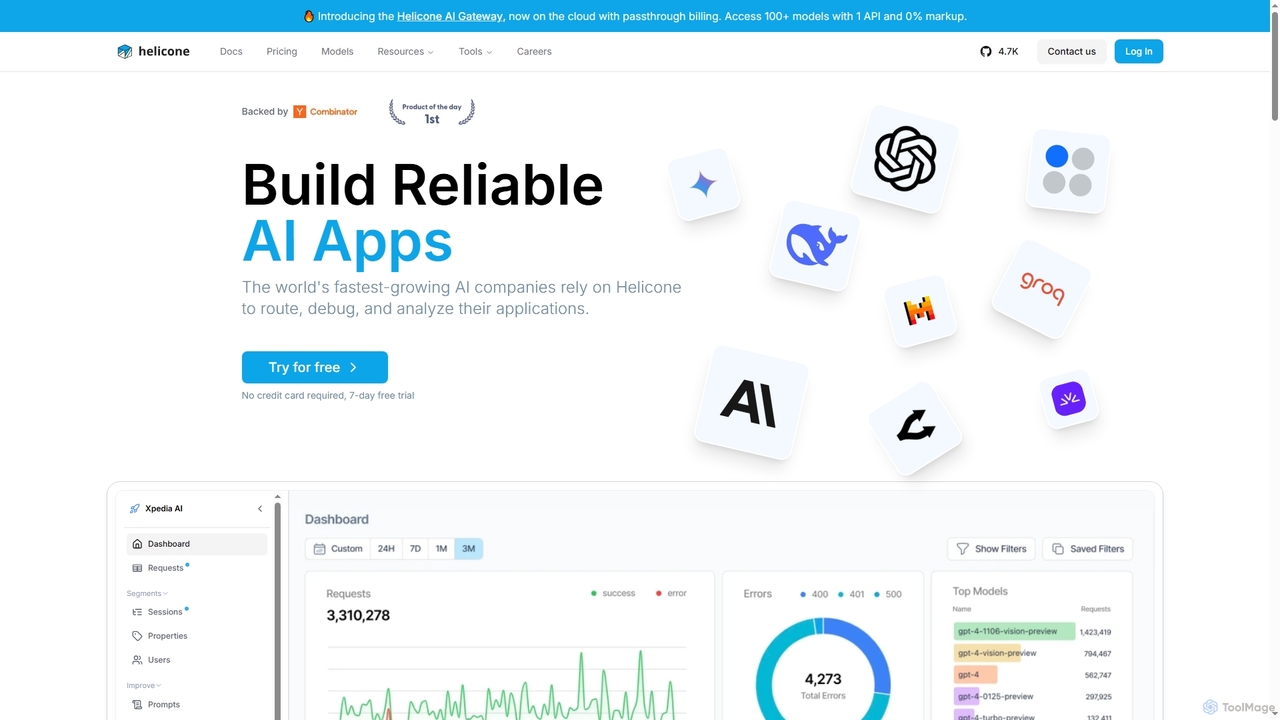
Helicone
Helicone is an open-source platform offering an AI Gateway and LLM Observability for developers. It helps build reliable AI applications by providing tools to route, monitor, debug, and analyze LLM usage. Key features include a unified API for 100+ models, intelligent caching, rate limiting, prompt management, and detailed performance analytics.
Api Management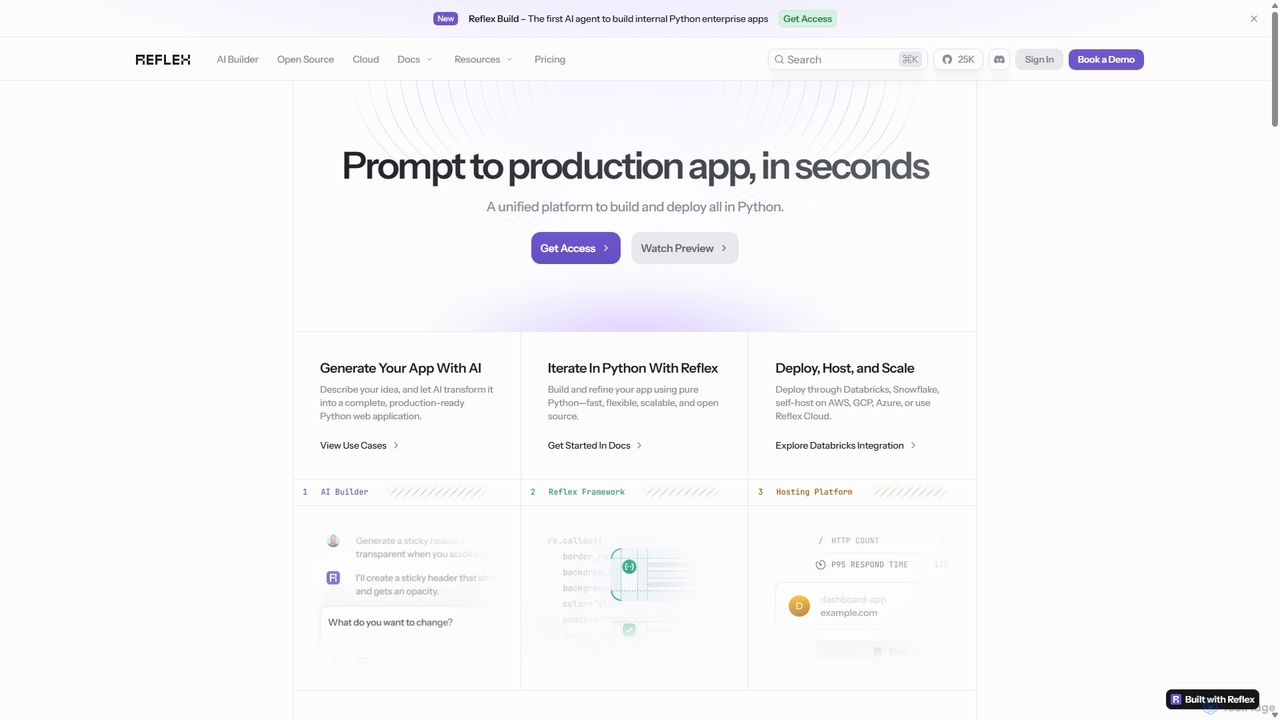
Reflex
Reflex is an open-source framework for building and deploying high-performance web apps entirely in Python. It features an AI agent, Reflex Build, that generates full-stack applications from simple text prompts, accelerating development from idea to production.
Developer Tools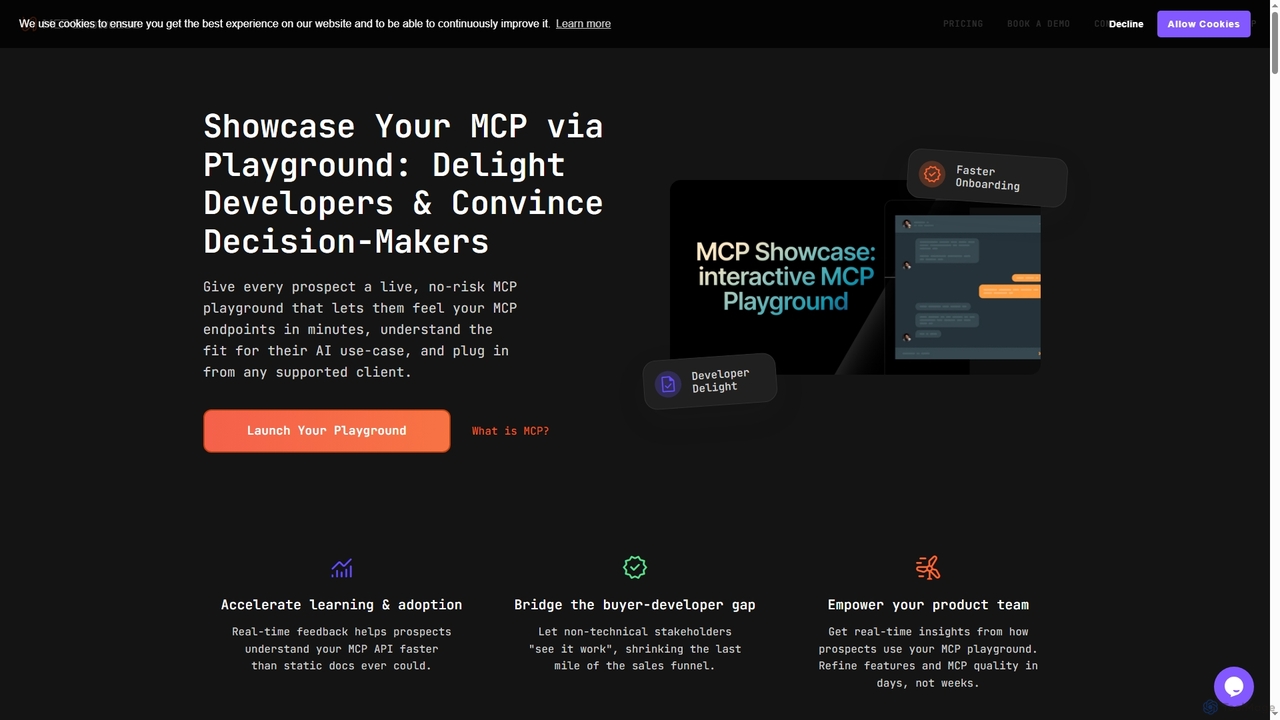
MCP Showcase
MCP Showcase is a pioneering platform demonstrating the Model Context Protocol (MCP), an open standard enabling AI assistants to seamlessly integrate with diverse external services like GitHub, Hugging Face, and Teamwork. It transforms complex API interactions into natural language conversations, empowering AI with real-time context and action capabilities across various domains.
Api Management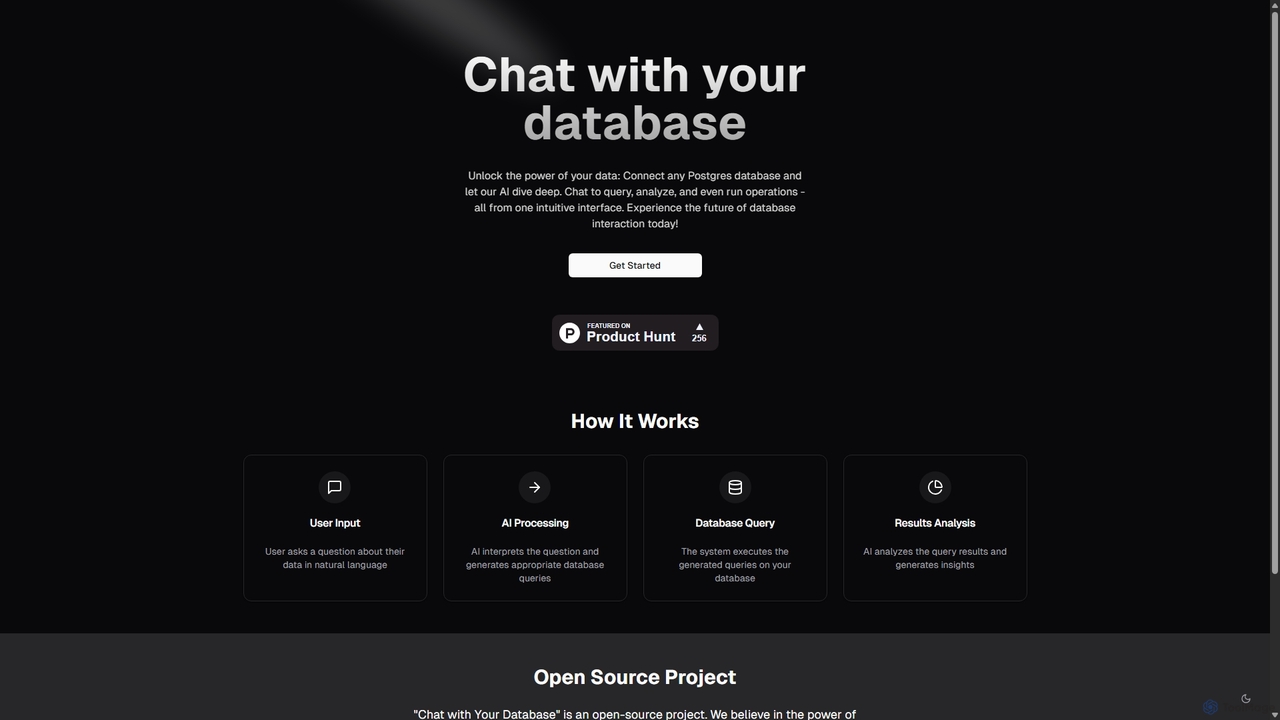
Chat With Your Database
An open-source AI tool that allows you to interact with your PostgreSQL database using natural language. Ask questions, get insights, and perform operations through a simple chat interface, eliminating the need for complex SQL queries.
Business Intelligence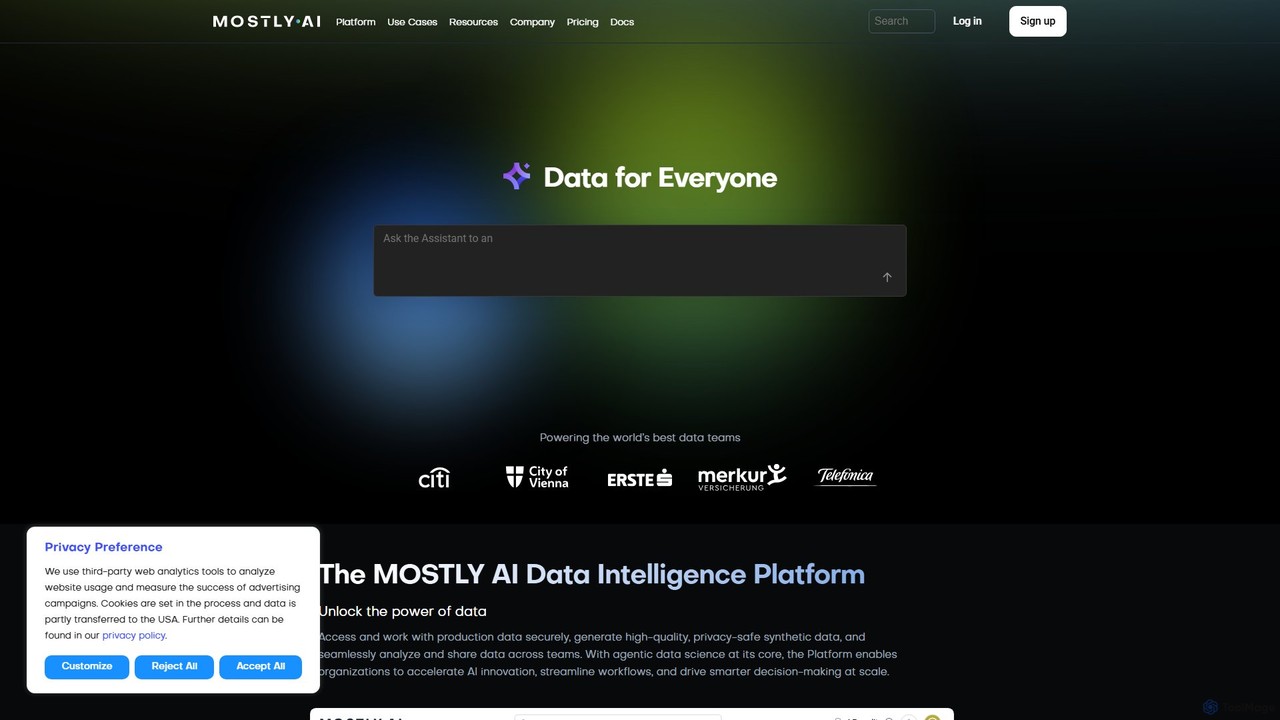
MOSTLY AI
MOSTLY AI is a Data Intelligence Platform that specializes in generating high-quality, privacy-safe synthetic data. It enables organizations to securely access, analyze, and share data, accelerating AI innovation and streamlining workflows while ensuring full compliance with privacy regulations.
Machine Learning
Neosync Comments (0)
Sign in to comment.
Sign inNo comments yet.