LastMile AI
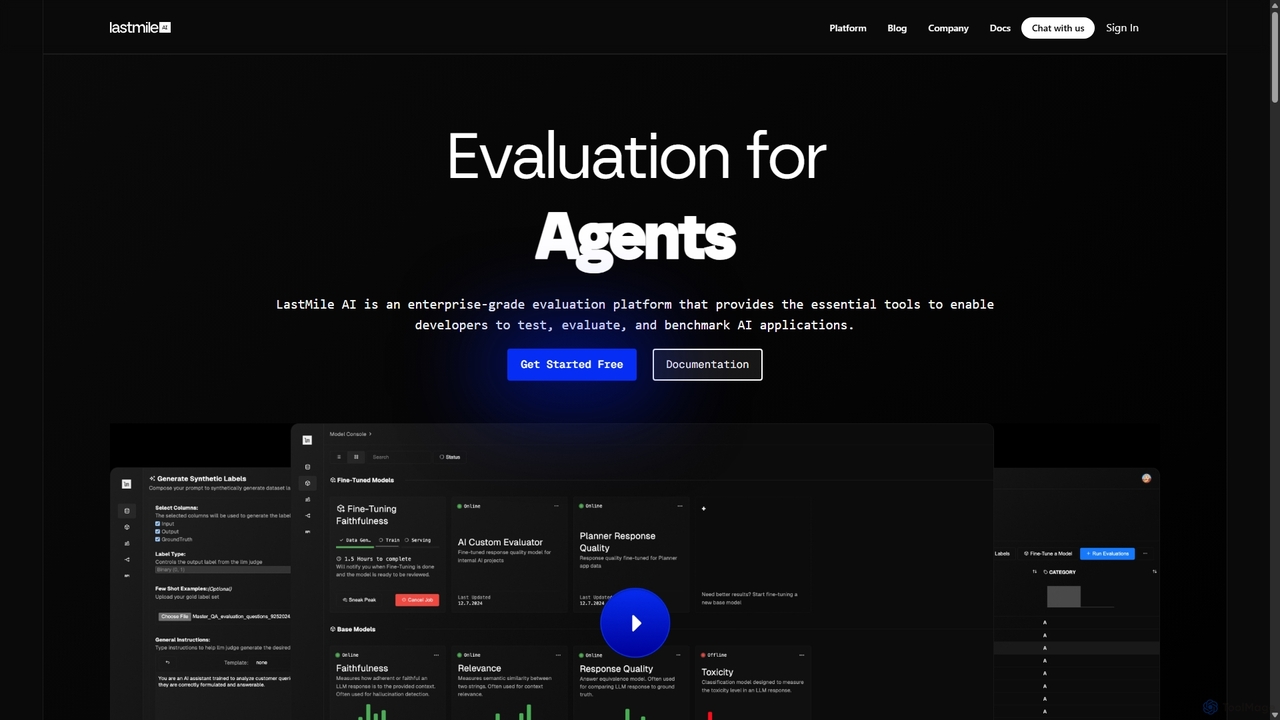
LastMile AI is an enterprise-grade developer platform for testing, evaluating, and monitoring generative AI applications. It provides tools …
LastMile AI is an enterprise-grade developer platform for testing, evaluating, and monitoring generative AI applications. It provides tools like AutoEval for custom evaluator fine-tuning, synthetic data generation, and real-time monitoring to ensure AI systems are reliable and production-ready.
Tonic.ai
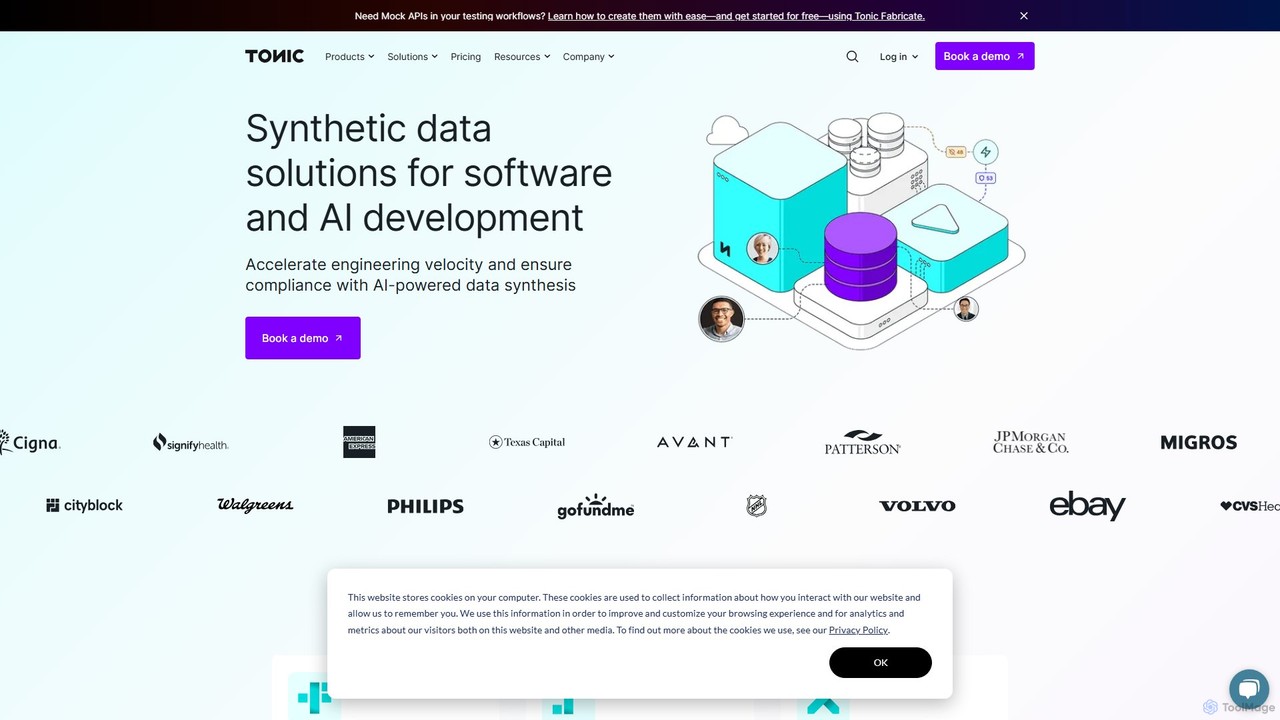
Tonic.ai is an AI-powered platform for generating high-quality, realistic, and safe synthetic data. It helps software and AI …
Tonic.ai is an AI-powered platform for generating high-quality, realistic, and safe synthetic data. It helps software and AI engineers accelerate development, ensure compliance (GDPR, HIPAA), and improve testing by mimicking production data without exposing sensitive information. The suite includes tools for structured, unstructured, and from-scratch data synthesis.
FutureAGI
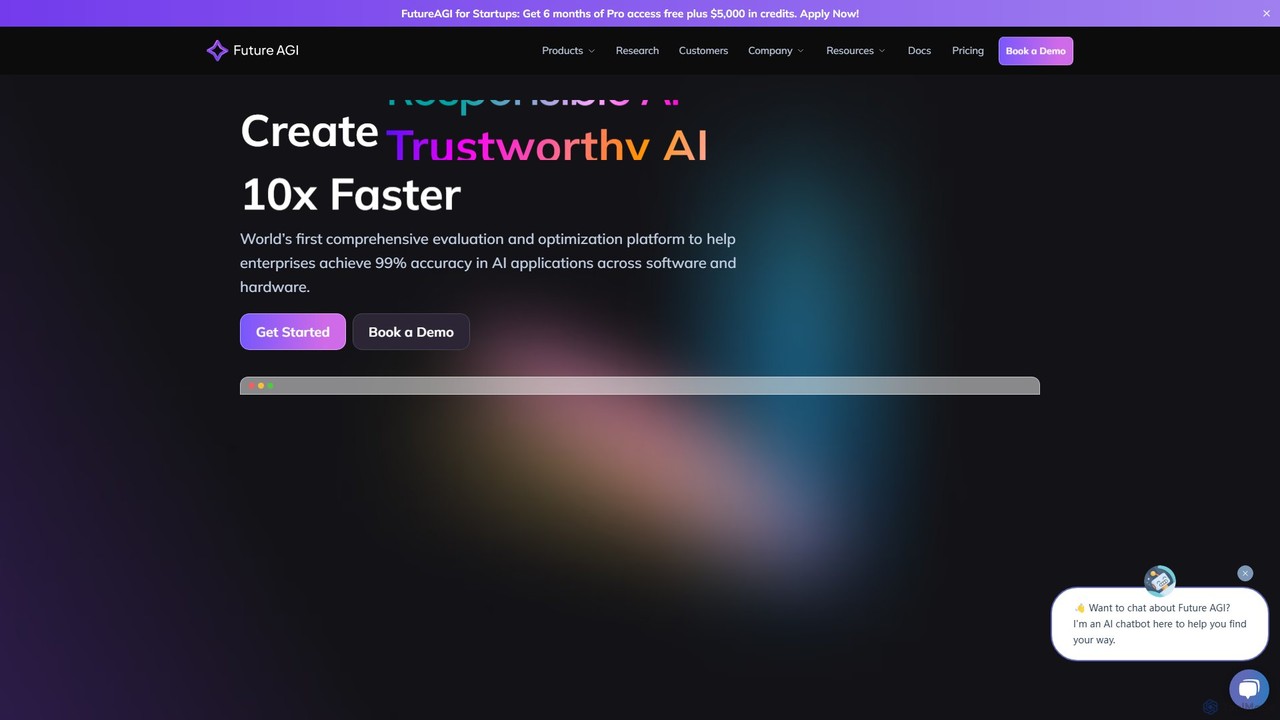
FutureAGI is a comprehensive LLM observability and evaluation platform designed for enterprises and developers. It helps build, evaluate, …
FutureAGI is a comprehensive LLM observability and evaluation platform designed for enterprises and developers. It helps build, evaluate, and improve AI applications to achieve up to 99% accuracy, offering tools for synthetic data generation, no-code experimentation, multimodal evaluation, and real-time production monitoring.
Gretel
Gretel is an advanced synthetic data platform designed for AI development. It enables developers and data scientists to …
Gretel is an advanced synthetic data platform designed for AI development. It enables developers and data scientists to generate high-fidelity, privacy-preserving artificial datasets that mimic real-world data. This allows for robust AI model training, testing, and data sharing without compromising sensitive information or violating privacy regulations like GDPR and CCPA.
About Synthetic Data
Synthetic Data tools are AI-powered solutions that generate artificial datasets mimicking the statistical properties and patterns of real-world data. These tools leverage advanced machine learning models to create high-fidelity, privacy-preserving data for various applications. They address challenges like data scarcity, privacy concerns, and the need for diverse testing environments, enabling innovation without compromising sensitive information.
Core Features
- Data Generation: Create diverse datasets (tabular, image, text) that statistically resemble real data.
- Privacy Preservation: Anonymize sensitive information by generating synthetic versions without direct links to individuals.
- Statistical Fidelity: Ensure the generated data maintains key statistical relationships and distributions found in original data.
- Data Augmentation: Expand existing datasets to improve model training and robustness.
- Bias Mitigation: Generate balanced datasets to reduce biases present in real-world data.
Use Cases
Financial institutions use synthetic data to train fraud detection models without exposing customer transaction details. Healthcare researchers generate synthetic patient records for drug discovery and clinical trial simulations, protecting patient privacy. Developers create vast synthetic datasets for testing new software features and AI models, ensuring robust performance across diverse scenarios.
How to Choose
Consider the required data type (tabular, image, text) and the complexity of its statistical properties. Evaluate the tool's ability to maintain high data utility and privacy guarantees. Assess integration capabilities with existing data pipelines and machine learning frameworks. Look for features like explainability, control over data characteristics, and scalability for large datasets.
Synthetic DataUse Cases
Secure AI Model Training in Finance
Data scientists in financial institutions utilize synthetic transaction data to train machine learning models for credit scoring, fraud detection, or risk assessment. This approach ensures compliance with strict privacy regulations like GDPR and CCPA, as no real customer data is directly used, while still allowing for the development of highly accurate and robust AI systems.
Accelerated Software Testing and Development
Software development teams generate large volumes of synthetic user interaction data, system logs, or network traffic to rigorously test new application features and identify edge cases before deployment. This significantly reduces testing cycles, improves software quality, and allows for more comprehensive stress testing without relying on sensitive production data.
Healthcare Data Sharing and Research
Medical researchers and pharmaceutical companies create synthetic patient health records, clinical trial results, or genomic data to share with collaborators or for public datasets. This facilitates medical advancements, drug discovery, and epidemiological studies while rigorously protecting patient privacy and complying with HIPAA or similar regulations.
Overcoming Data Scarcity for AI Startups
AI startups with limited access to real-world data can generate synthetic datasets to bootstrap their machine learning models. This allows them to develop and iterate on products faster and more cost-effectively, especially in niche markets or when dealing with rare events, providing a viable alternative to expensive or unavailable real data.
Bias Mitigation in AI Systems
Machine learning engineers use synthetic data generation to create balanced datasets, addressing underrepresentation or biases present in original training data. By generating synthetic examples for underrepresented groups or scenarios, they can train fairer and more equitable AI models, reducing discriminatory outcomes in applications like hiring or loan approvals.
Developing Autonomous Vehicle Simulations
Automotive engineers and AI developers generate synthetic sensor data (e.g., LiDAR, camera feeds, radar) to simulate diverse driving conditions and scenarios. This allows them to train and validate autonomous driving systems in a safe, controlled virtual environment, covering rare or dangerous situations that are difficult or costly to replicate in the real world, accelerating development and improving safety.