Ai Tools Best in category 1 results Document Analysis AI Tool

Popular AI tools in the Document Analysis field of Ai Tools include MyScale Chat, etc., helping you quickly improve efficiency.

MyScale Chat

MyScale Chat

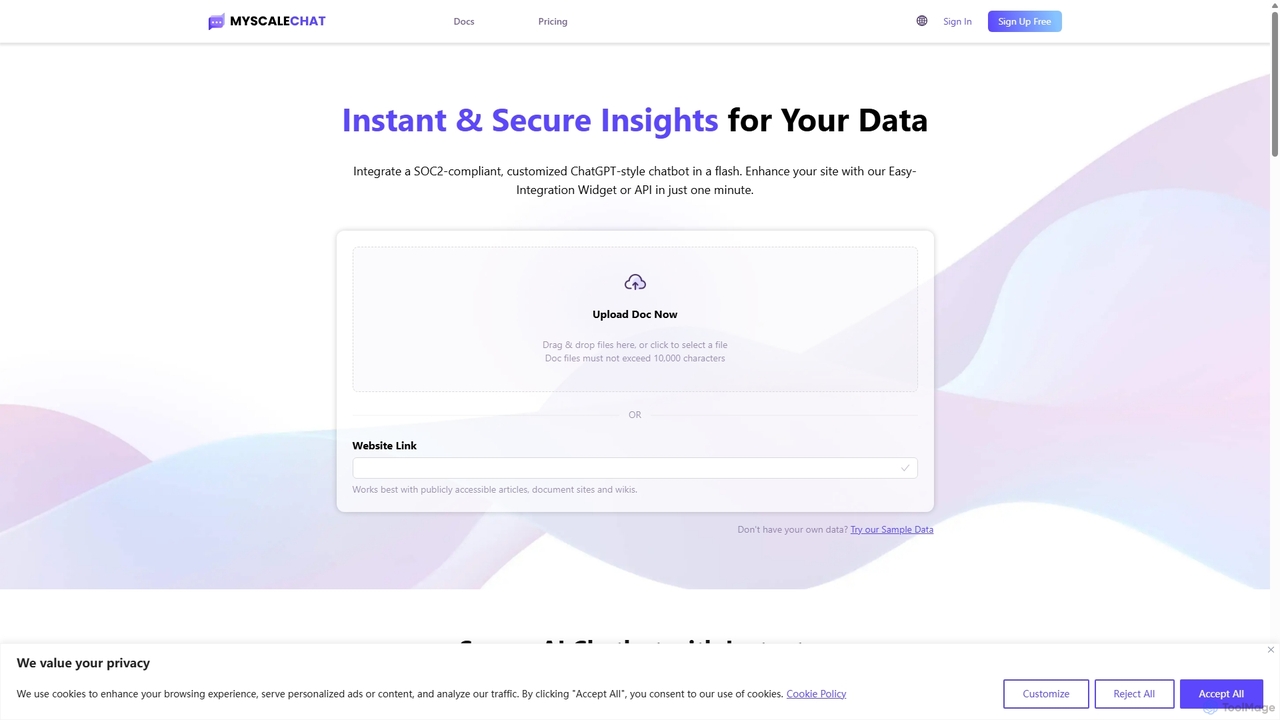
MyScale Chat is an AI-powered platform that enables users to build custom chatbots by chatting with their own …

2.3K

About Document Analysis

Document Analysis tools are AI-powered solutions designed to process, understand, and extract valuable insights from various types of documents. Leveraging advanced Natural Language Processing (NLP) and Optical Character Recognition (OCR) technologies, these tools automate the interpretation of unstructured and semi-structured data. They significantly enhance efficiency in information retrieval, data extraction, and decision-making across numerous industries.

Core Features

  • Information Extraction: Automatically identifies and extracts key data points, entities, and facts from documents like invoices, contracts, or reports.
  • Text Summarization: Generates concise summaries of lengthy documents, highlighting essential information and main ideas.
  • Document Classification: Categorizes documents based on content, enabling efficient organization and retrieval.
  • Sentiment Analysis: Determines the emotional tone and sentiment expressed within text, useful for feedback analysis.
  • Question Answering: Allows users to query documents and receive direct answers based on the content.

Use Cases

Professionals in legal, finance, healthcare, and research sectors heavily rely on document analysis tools. For instance, legal teams use them for rapid contract review and e-discovery, while financial analysts automate the processing of invoices and financial reports to identify trends and anomalies. Researchers can quickly synthesize information from vast libraries of academic papers.

How to Choose

When selecting a Document Analysis tool, consider its accuracy in data extraction, the range of document formats it supports (PDF, images, text), and its integration capabilities with existing systems. Evaluate its scalability for your data volume, security features for sensitive information, and customization options for specific industry needs. Cost-effectiveness and user-friendliness are also crucial factors.

Document AnalysisUse Cases

1

Automated Contract Review for Legal Teams

Legal professionals, such as paralegals and lawyers, can utilize document analysis tools to rapidly review large volumes of contracts. The tools automatically identify key clauses, obligations, deadlines, and potential risks, significantly reducing the manual effort and time required for due diligence, compliance checks, and M&A processes. This ensures greater accuracy and consistency across all legal documents.

2

Streamlining Invoice and Receipt Processing

Finance departments and small business owners frequently process numerous invoices, receipts, and expense reports. Document analysis AI can automatically extract critical data like vendor names, amounts, dates, and line items, then validate this information against existing records. This automation drastically cuts down data entry errors, accelerates reconciliation, and improves overall financial management efficiency.

3

Enhancing Customer Feedback Analysis

Customer service managers and marketing teams can deploy document analysis tools to process vast amounts of unstructured customer feedback from surveys, emails, and social media. The AI identifies common themes, sentiment, and emerging issues, providing actionable insights into customer satisfaction, product performance, and service quality, enabling targeted improvements.

4

Accelerating Research and Literature Review

Academics, researchers, and R&D teams often need to review extensive scientific papers, journals, and reports. Document analysis tools can quickly summarize key findings, extract methodologies, and identify relevant data points across thousands of documents. This capability dramatically speeds up literature reviews, helps identify research gaps, and supports evidence-based decision-making.

5

Efficient HR Document Management and Screening

Human Resources departments handle numerous documents, from resumes and cover letters to employee feedback and performance reviews. AI-powered document analysis can automate the screening of resumes for specific skills and experience, classify employee feedback, and extract key insights from performance appraisals, streamlining recruitment and talent management processes.

6

Compliance and Regulatory Document Monitoring

Organizations in highly regulated industries (e.g., finance, healthcare) must constantly monitor and analyze regulatory documents, policy updates, and compliance reports. Document analysis tools can automatically track changes, identify relevant sections, and flag potential compliance risks, ensuring that businesses remain up-to-date and adhere to complex regulatory frameworks with minimal manual oversight.

Document AnalysisFrequently Asked Questions