Analytics Best in category 3 results Market Intelligence AI Tool

Popular AI tools in the Market Intelligence field of Analytics include MobileAction、ASOMobile、Sharpe AI, etc., helping you quickly improve efficiency.

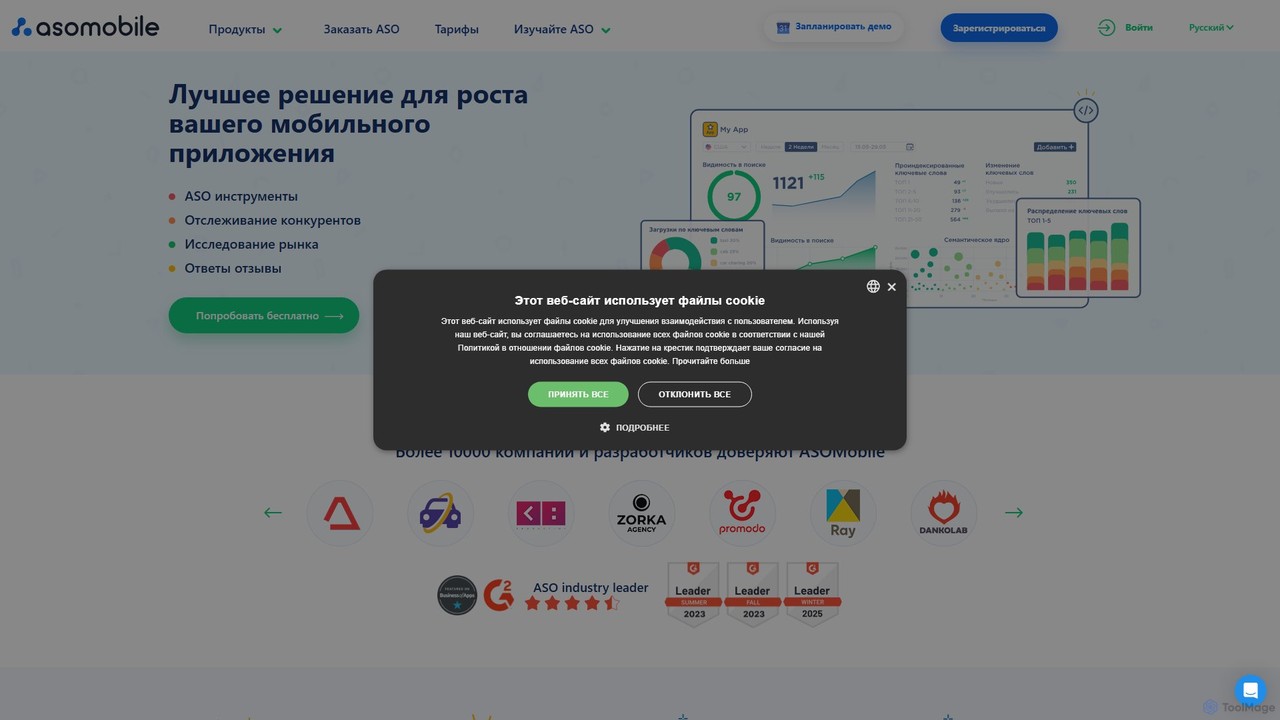
ASOMobile

ASOMobile

ASOMobile is an all-in-one App Store Optimization (ASO) and mobile market intelligence platform. It helps developers and marketers …

94.0K
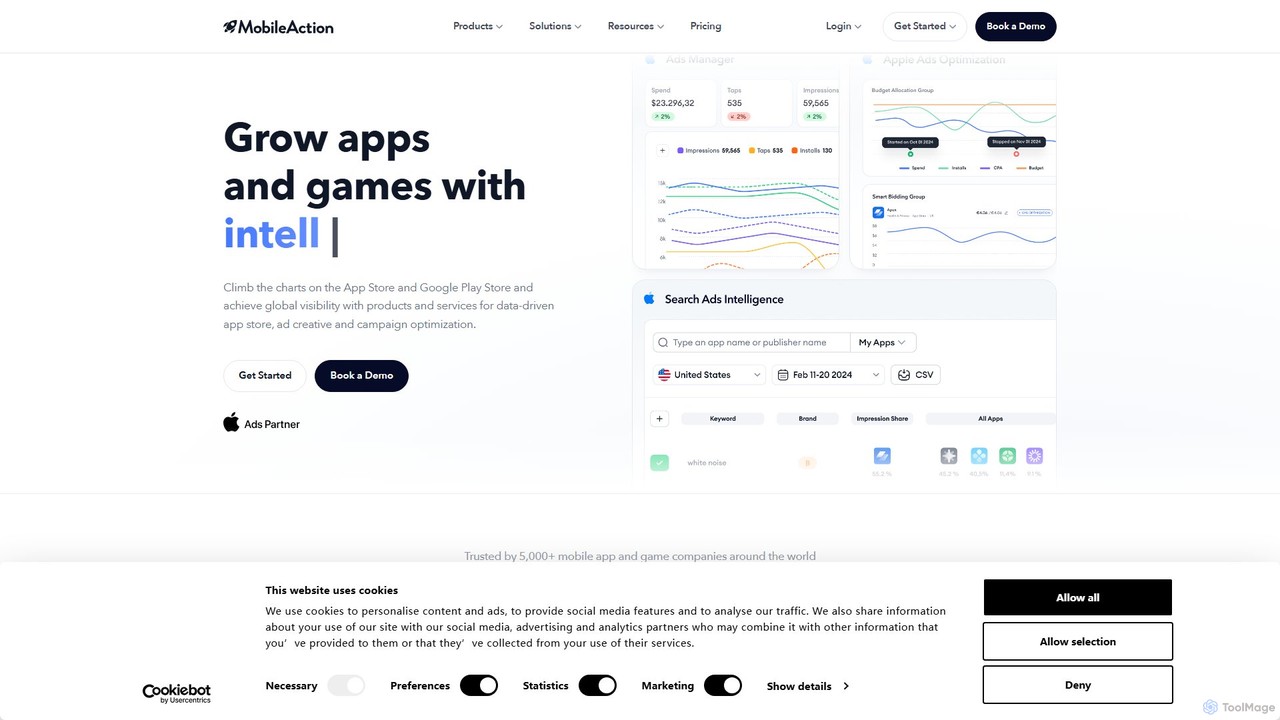
MobileAction

MobileAction

MobileAction is an AI-powered, all-in-one mobile intelligence platform designed for app growth. It provides comprehensive tools for App …

138.1K
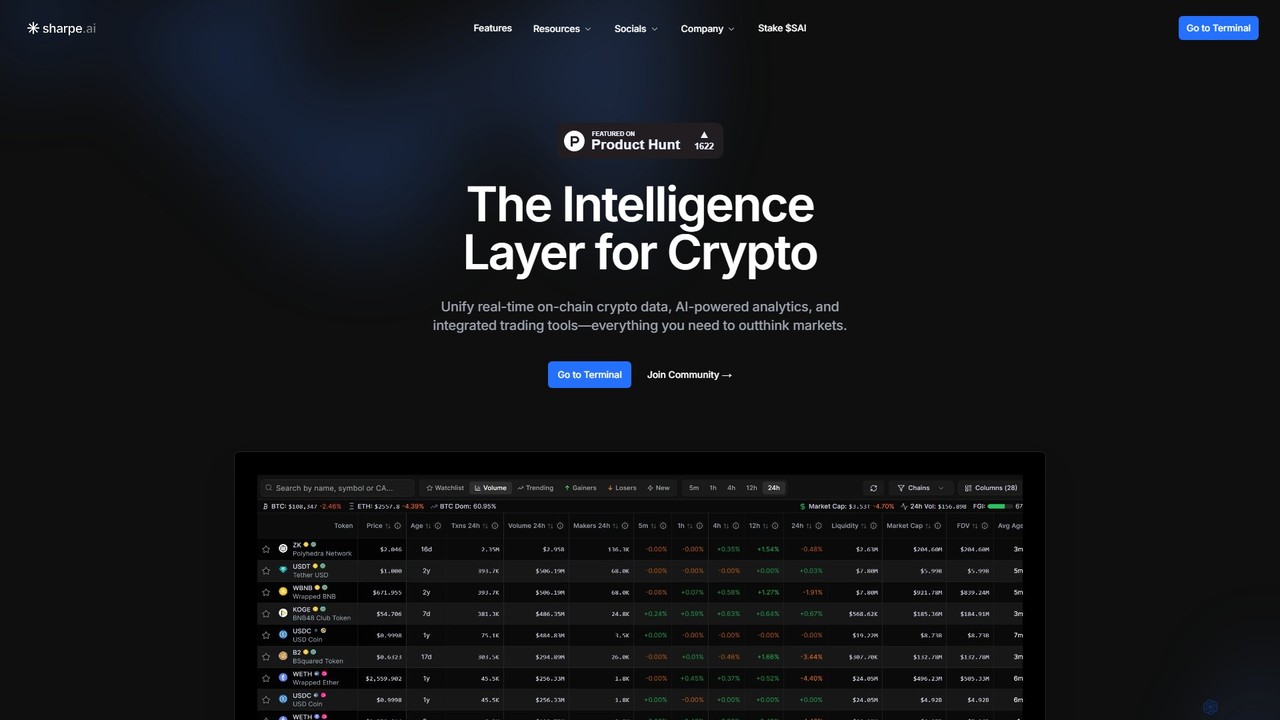
Sharpe AI

Sharpe AI

Sharpe AI is an all-in-one crypto intelligence and trading platform. It integrates real-time on-chain and off-chain data, AI-powered …

37.5K

About Market Intelligence

Market Intelligence tools are AI-powered platforms designed to collect, analyze, and visualize external data about a company's market landscape. As a specialized area within Analytics, these tools utilize technologies like natural language processing (NLP) and machine learning to sift through vast amounts of information from competitors, customers, and industry trends. They transform raw data from news sites, social media, and public records into structured, actionable insights. This enables businesses to make informed strategic decisions, anticipate market shifts, and maintain a competitive edge.

Core Features

  • Competitor Tracking: Automatically monitors competitors' pricing changes, product launches, marketing campaigns, and online presence.
  • Trend Analysis & Forecasting: Identifies emerging consumer behaviors, technological shifts, and market patterns to predict future opportunities and threats.
  • Customer Sentiment Analysis: Aggregates and analyzes customer reviews, social media comments, and forum discussions to gauge public perception of brands and products.
  • Automated Data Aggregation: Gathers and consolidates unstructured data from a wide array of public sources, such as news articles, industry reports, and regulatory filings.
  • Market Opportunity Identification: Analyzes market data to uncover untapped customer segments, new geographical markets, or unmet needs.

Applicable Scenarios

Market Intelligence tools are crucial for roles like product managers, marketing strategists, business analysts, and corporate strategists. They are widely used in competitive industries such as SaaS, e-commerce, consumer goods, and finance for tasks like competitive benchmarking, product roadmap planning, and market entry strategy development.

Selection Criteria

When choosing a Market Intelligence tool, consider the breadth and relevance of its data sources for your industry. Evaluate the depth of its analytical capabilities, from basic monitoring to predictive forecasting. Assess its integration potential with your existing CRM or BI systems, and examine the flexibility of its dashboards and reporting features to ensure they align with your specific strategic goals.

Market IntelligenceUse Cases

1

Analyze Competitor Product Launches

A product manager at a SaaS company uses a market intelligence tool to monitor a key competitor's new feature launch. The tool automatically aggregates press releases, tech blog reviews, and customer discussions on social media and forums. By analyzing the sentiment and key themes, the manager quickly identifies the most praised aspects and common complaints. This data provides direct, real-world feedback to validate or adjust their own product roadmap, ensuring their next development cycle addresses proven market needs and avoids the competitor's pitfalls.

2

Identify Emerging Consumer Trends

A marketing strategist for a consumer goods company needs to plan next year's product line. They use a market intelligence platform to scan millions of online conversations, blogs, and news articles related to their industry. The AI identifies a growing pattern of discussions around 'water-saving' and 'refillable packaging'. The platform quantifies this trend's growth rate and demographic reach. Based on this data-driven insight, the strategist confidently proposes a new eco-friendly product line, positioning the company as a market leader ahead of the curve.

3

Monitor Brand Health and Reputation

A corporate communications team for a global electronics brand uses a market intelligence tool for real-time brand health monitoring. The system continuously tracks brand mentions across news outlets, social media, and review sites. When a negative story about a product defect begins to gain traction, the tool's sentiment analysis algorithm flags the rising negative sentiment and alerts the team immediately. This allows them to proactively manage the situation with a prepared statement, mitigating a potential PR crisis before it escalates and damages brand equity.

4

Optimize Pricing Strategy with Competitive Data

An e-commerce manager for a fashion retailer wants to ensure their pricing is competitive without sacrificing margins. They configure a market intelligence tool to track the prices of 50 key products across five major competitor websites. The tool provides a daily dashboard showing price comparisons and sends real-time alerts when a competitor launches a sale or changes a price. This allows the manager to make dynamic pricing adjustments, such as matching a key competitor's discount on a popular item, thereby maximizing sales volume and market share during peak shopping seasons.

5

Conduct Market Entry Feasibility Studies

A business development team is evaluating expansion into a new country. They use a market intelligence platform to gather crucial data without extensive manual research. The tool analyzes the local competitive landscape, identifies key players, and estimates their market share. It also scans local news and government sites for regulatory changes and consumer protection laws. Furthermore, it analyzes social media trends to gauge local consumer demand for their type of product. This comprehensive report, generated in days instead of months, provides the team with the necessary data to make a go/no-go decision on the expansion.

6

Aggregate Voice of the Customer (VoC) Insights

A UX research team for a mobile app wants to prioritize features for the next update. Instead of manually reading thousands of reviews, they use a market intelligence tool to aggregate feedback from the App Store, Google Play, and social media. The tool's NLP capabilities categorize comments into themes like 'UI bugs', 'feature requests', and 'performance issues'. It identifies that the most frequent request is for a 'dark mode' feature. This data-driven insight allows the team to confidently prioritize this feature, knowing it will address a major customer demand and likely improve app store ratings.

Market IntelligenceFrequently Asked Questions