Analytics Best in category 14 results Social Media Analytics AI Tool

Popular AI tools in the Social Media Analytics field of Analytics include Buffer、HypeAuditor、SocialRails、Pallyy、InfluencerMarketing.ai、Grow with Ghost、uSpeedo、Colecta、LinkedAI、Paleon, etc., helping you quickly improve efficiency.

Schedly

Schedly

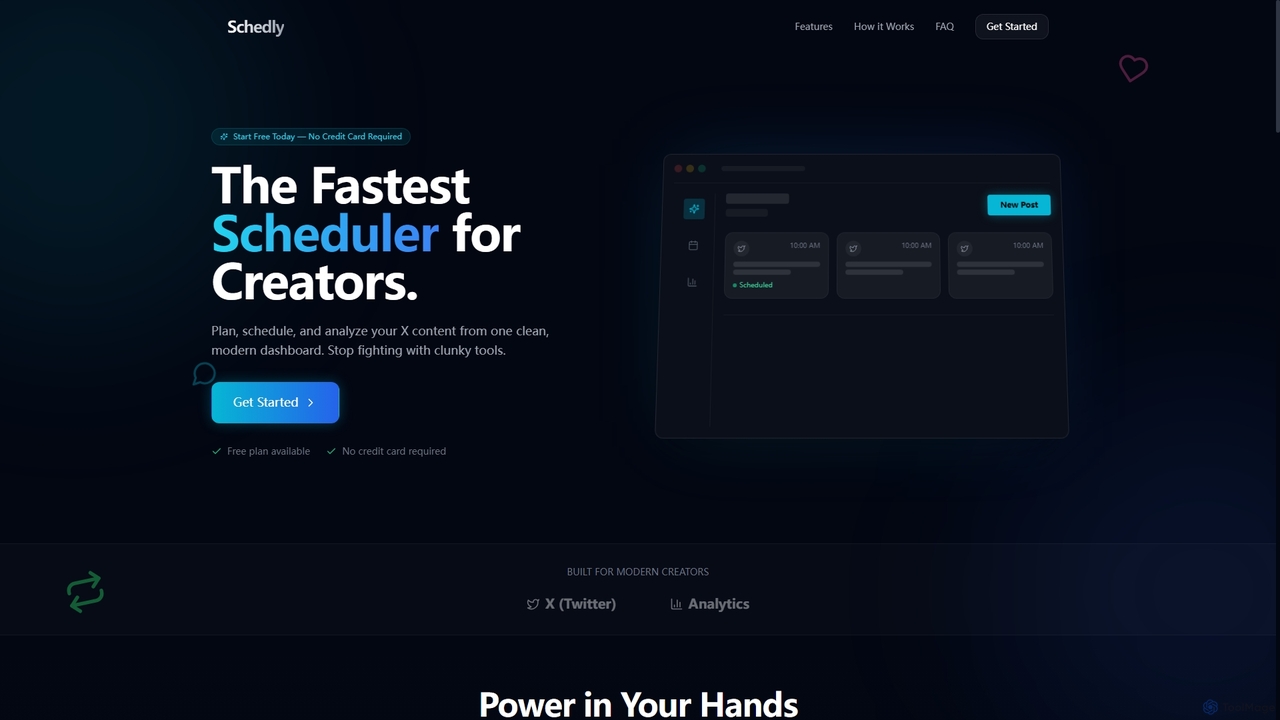
Schedly is the fastest AI-powered scheduler for creators, designed to streamline X (Twitter) content planning, scheduling, and analytics …

2.8K
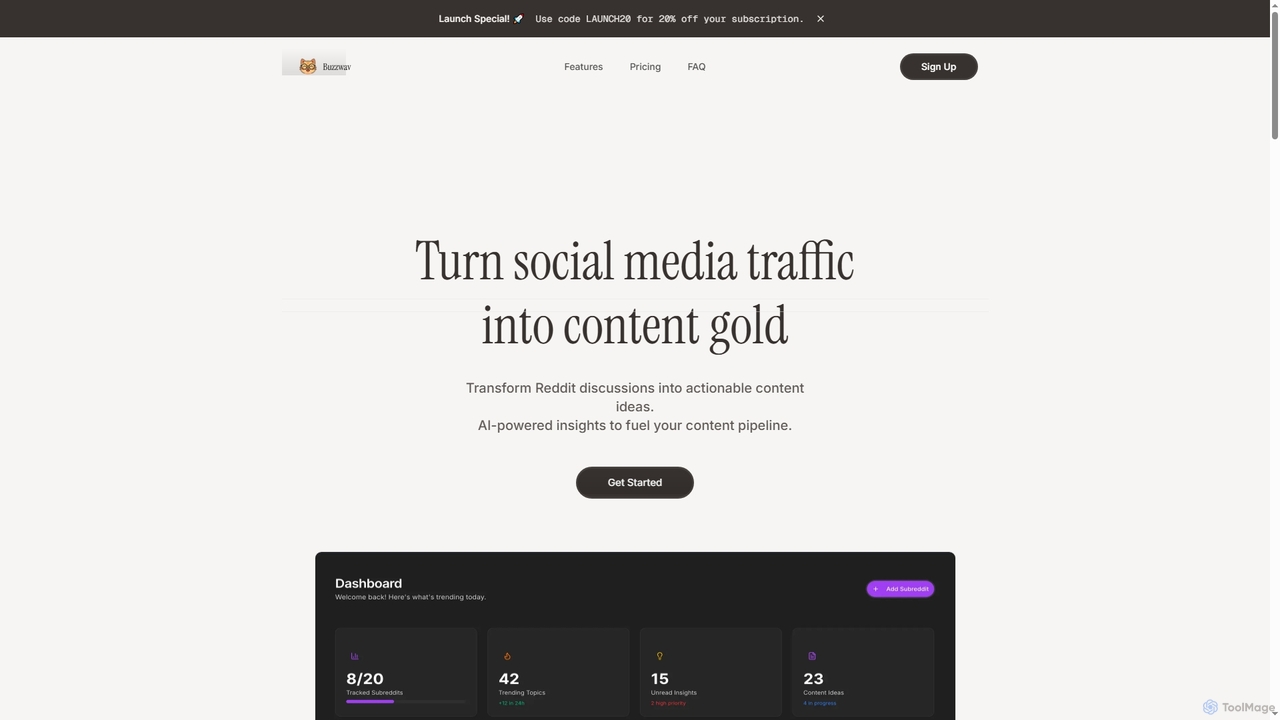
Buzzwav

Buzzwav

Buzzwav is an AI-powered Reddit intelligence platform designed for content creators, marketers, and agencies. It transforms Reddit discussions …

2.8K
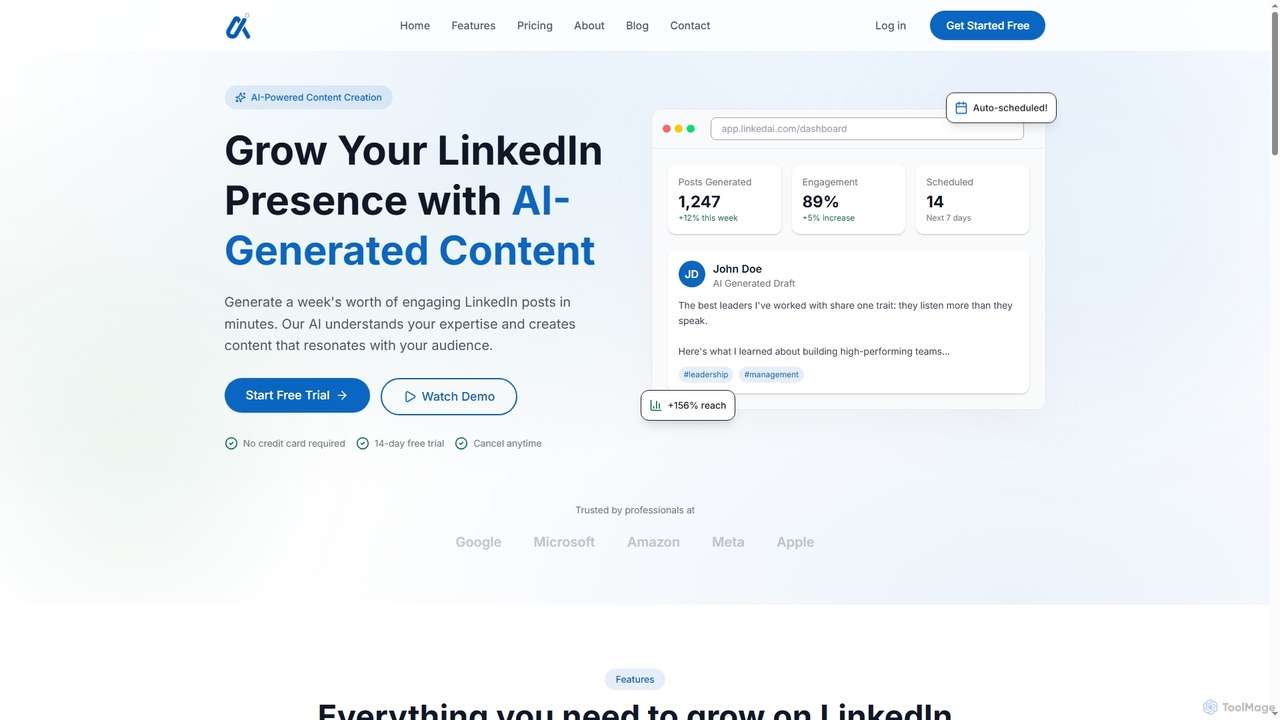
LinkedAI

LinkedAI

LinkedAI is an AI-powered platform designed to help professionals grow their LinkedIn presence through intelligent content creation, scheduling, …

2.9K
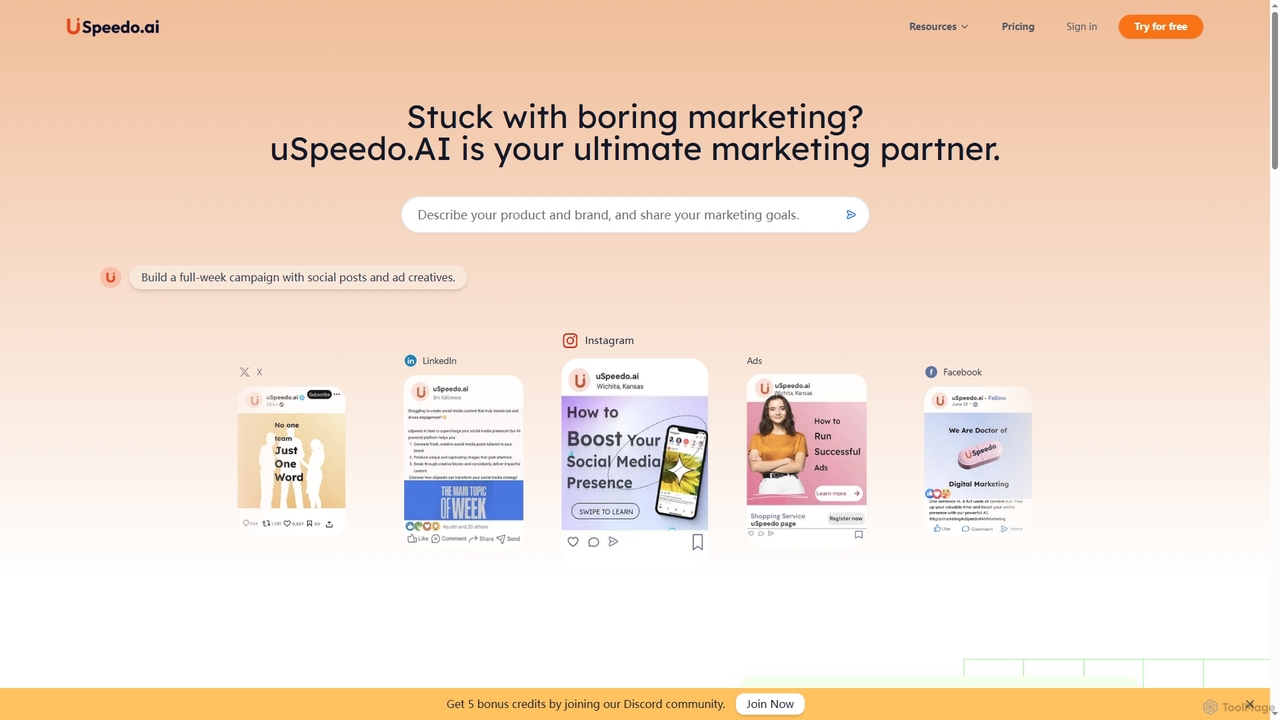
uSpeedo

uSpeedo

uSpeedo is an AI-powered marketing platform designed to streamline content creation, campaign management, and social media engagement. It …

4.5K
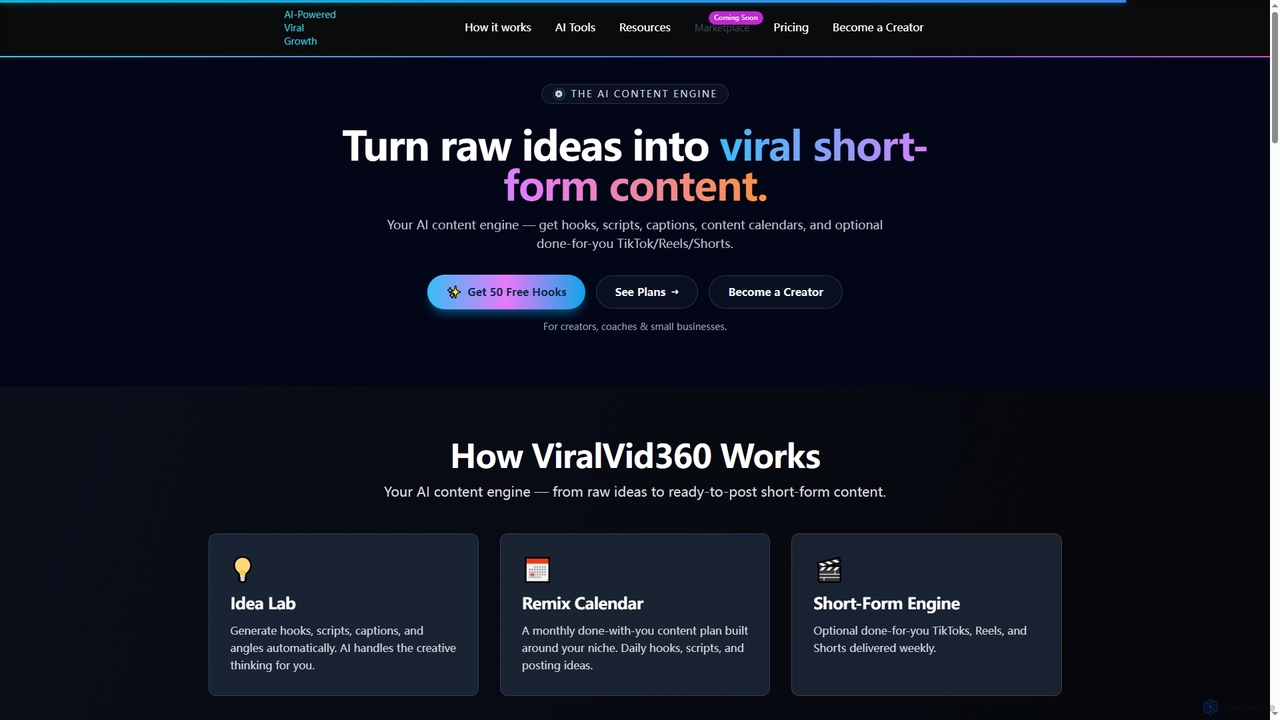
ViralVid360

ViralVid360

ViralVid360 is an AI content engine designed for creators, coaches, and small businesses to transform raw ideas into …

2.8K
Colecta

Colecta

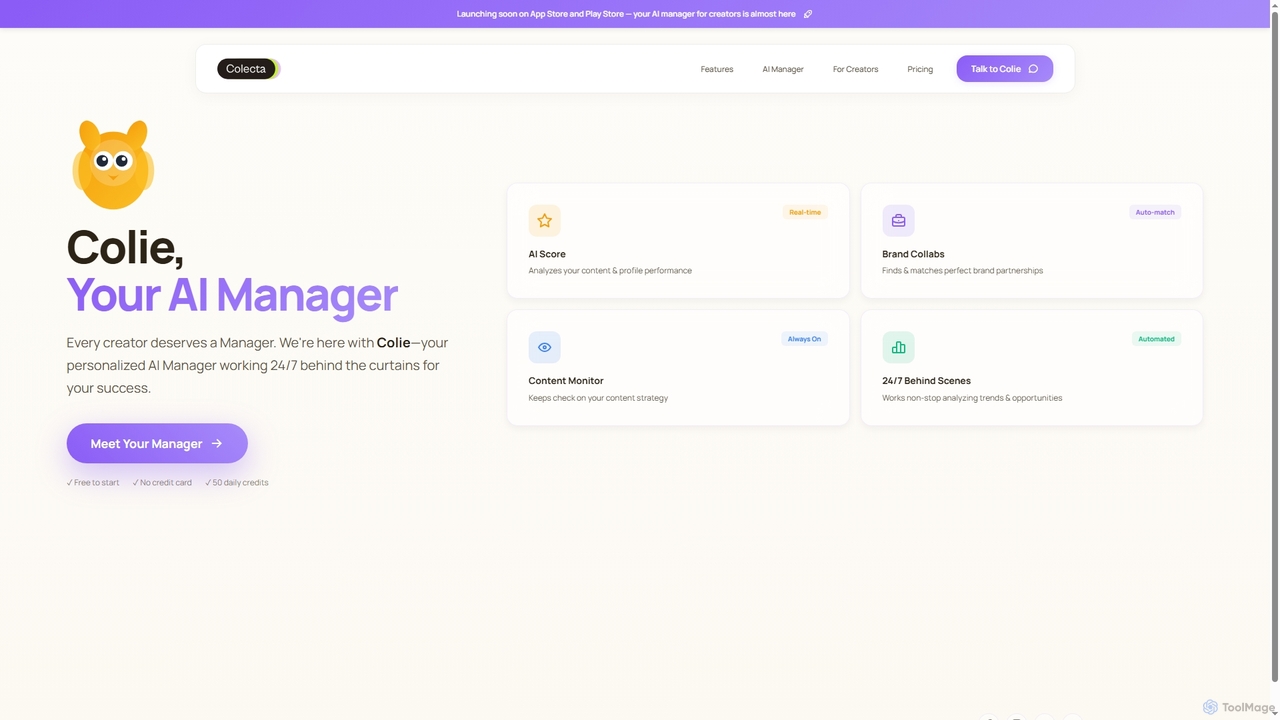
Colecta provides Colie, an agentic AI manager designed for creators to optimize content, secure brand collaborations, and accelerate …

3.1K
Grow with Ghost

Grow with Ghost

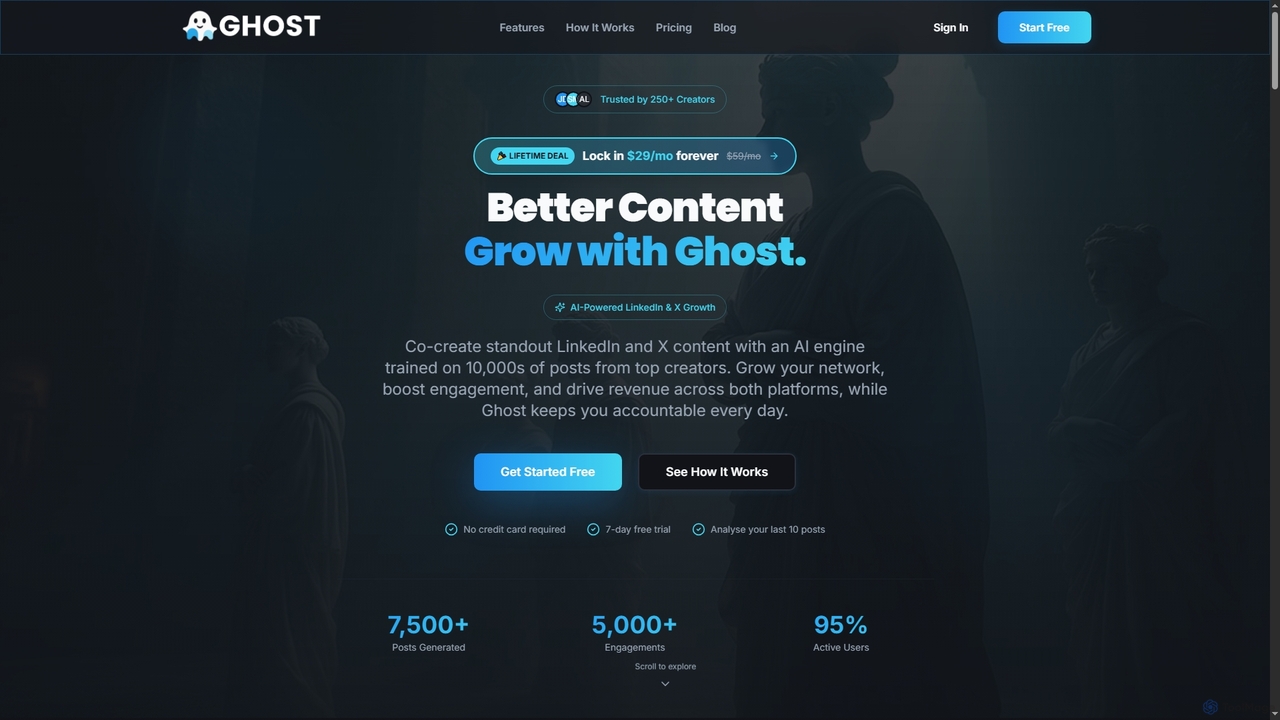
Grow with Ghost is an AI-powered content coach designed to help creators and professionals generate high-performing content for …

7.2K
SocialRails

SocialRails

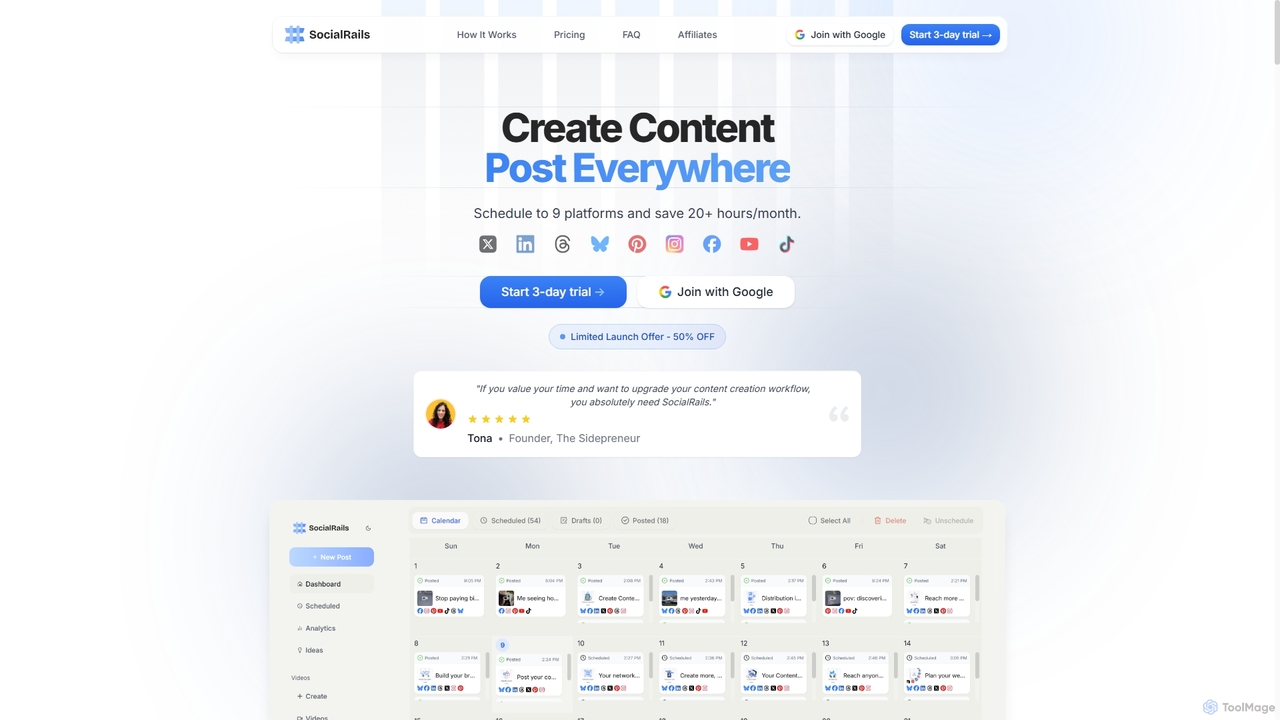
SocialRails is an all-in-one AI-powered social media management platform designed to streamline content creation and scheduling across 9 …

367.7K
Paleon

Paleon

Paleon is a data-driven platform that analyzes TikTok Shop video performance to identify sales-driving formats, scripts, and hooks. …

2.8K
Pallyy

Pallyy

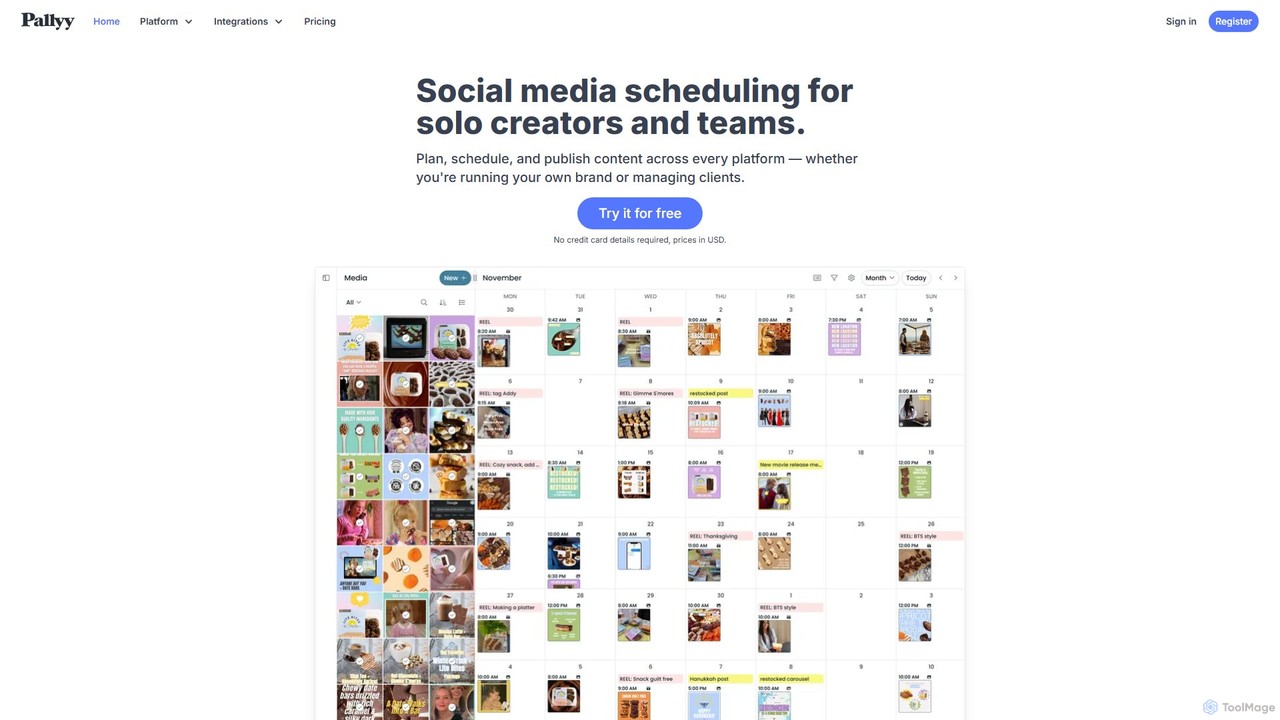
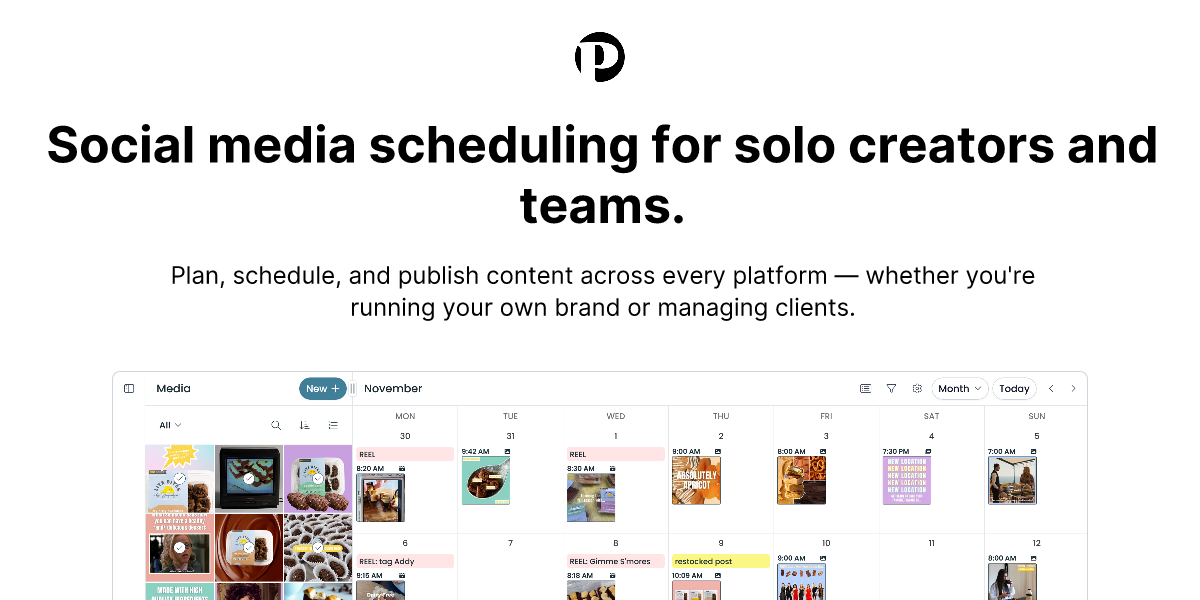
Pallyy is an all-in-one social media management platform designed for solo creators, teams, and agencies. It simplifies content …

129.6K
HypeAuditor

HypeAuditor

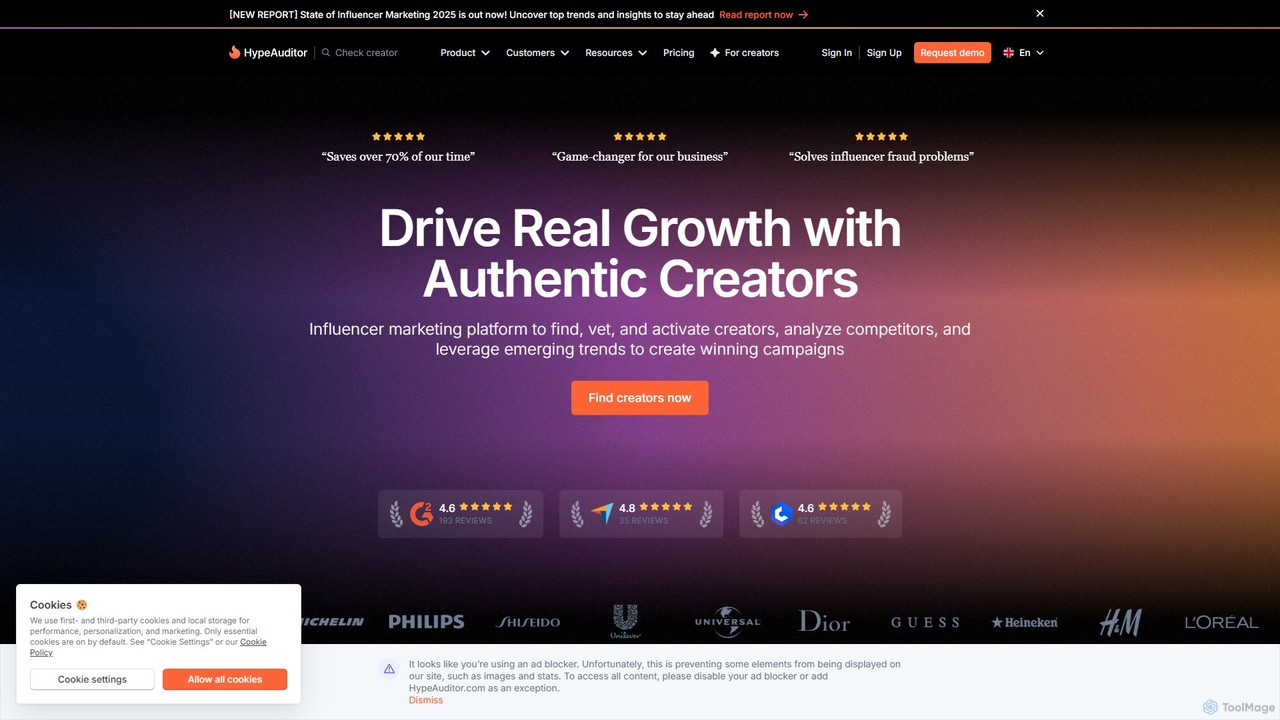
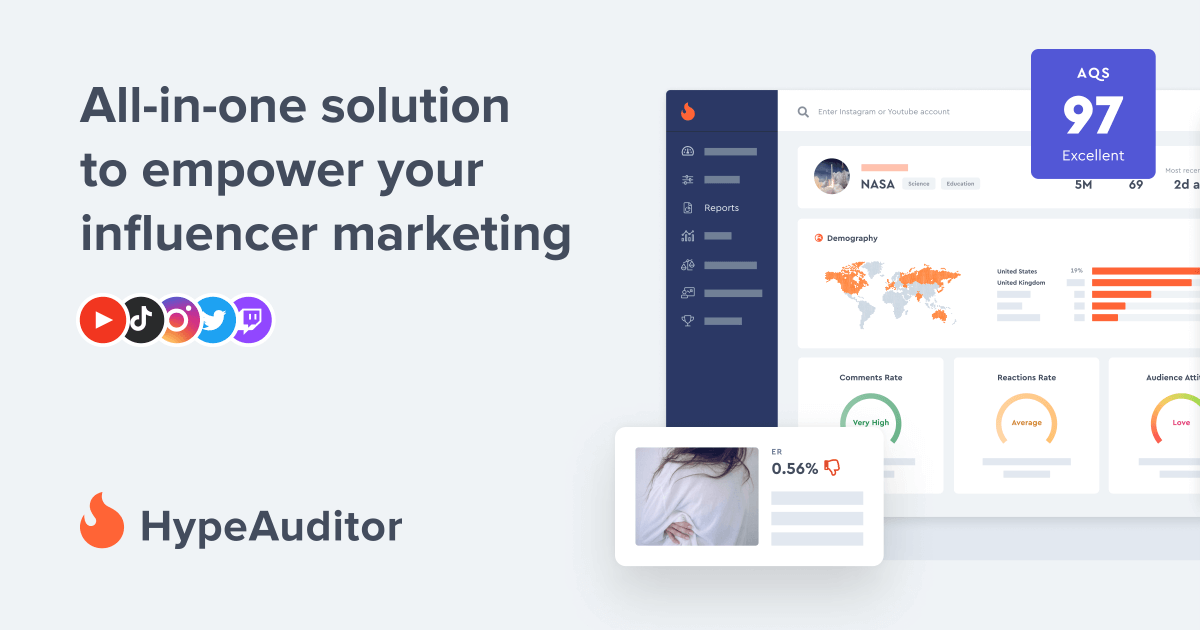
HypeAuditor is an AI-powered influencer marketing platform designed to help brands and agencies find, vet, and manage creators. …

773.1K
Buffer

Buffer

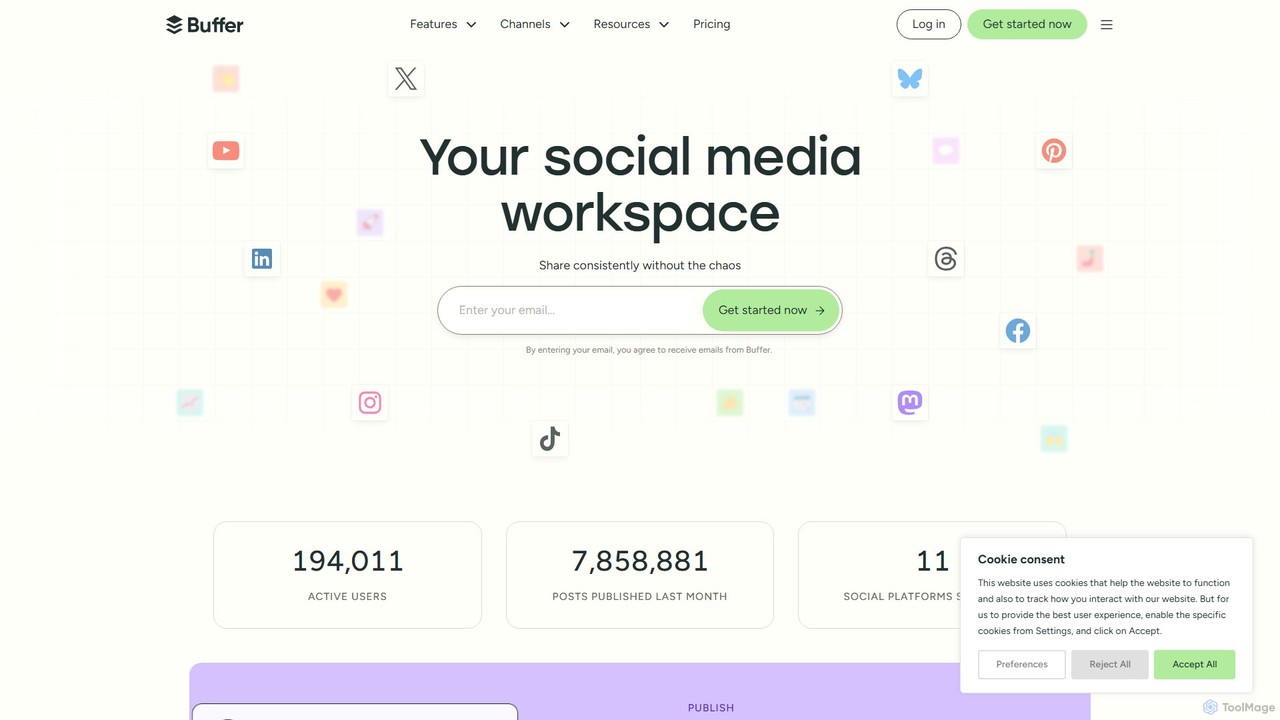
Buffer is an all-in-one social media management platform designed to help individuals, businesses, and agencies grow their brand …

3.9M
Tracefluence

Tracefluence

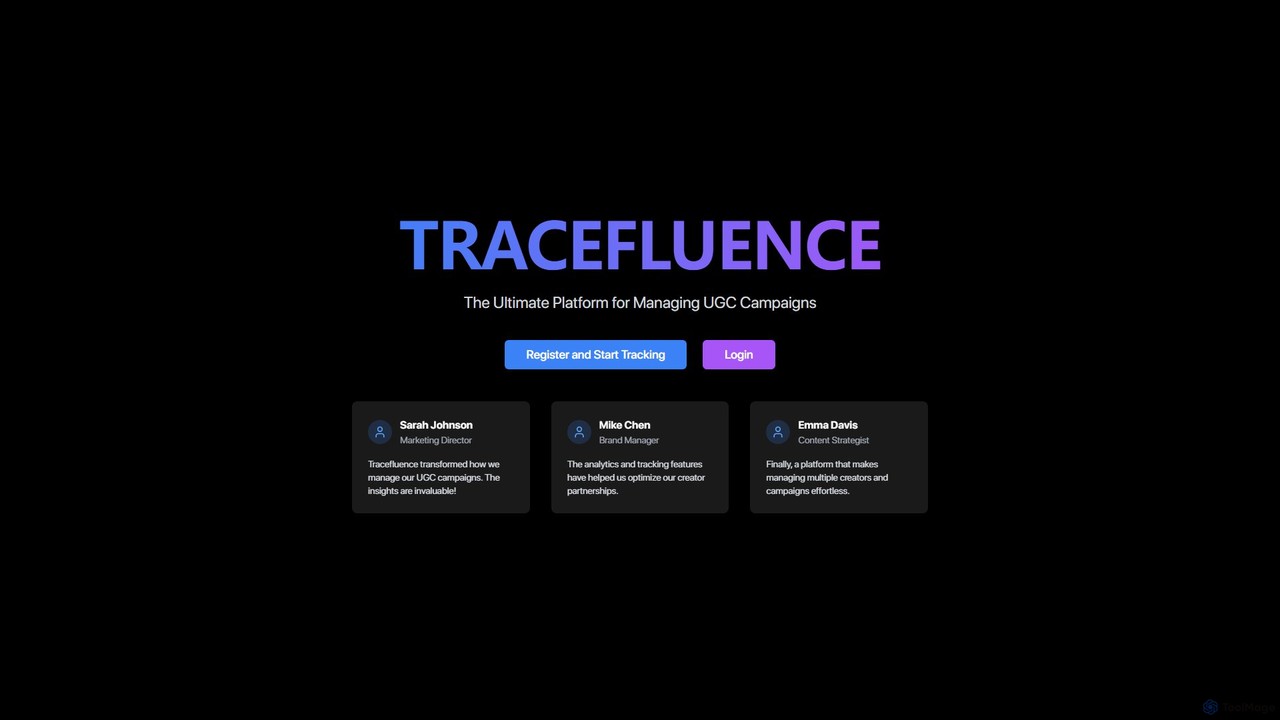
Tracefluence is a real-time tracking and management platform for User-Generated Content (UGC) and influencer campaigns. It offers a …

2.8K
InfluencerMarketing.ai

InfluencerMarketing.ai

An award-winning, AI-powered influencer marketing platform that helps brands discover, analyze, manage, and track campaigns. Featuring a database …

23.1K

About Social Media Analytics

Social Media Analytics tools are AI-powered platforms designed to monitor, collect, and interpret vast amounts of data from social networks. Using technologies like natural language processing (NLP) and machine learning, these tools go beyond simple metric tracking to uncover sentiment, identify emerging trends, and provide deep audience insights. They empower businesses to make data-driven decisions, optimize marketing strategies, and manage brand reputation proactively. This focused analysis provides a strategic advantage over basic social media management dashboards.

Core Features

  • Sentiment Analysis: Automatically gauges the emotional tone (positive, negative, neutral) of brand mentions and customer feedback across platforms.
  • Trend Identification: Detects and predicts emerging topics, hashtags, and content formats within an industry or among a target audience.
  • Audience Segmentation: Creates detailed audience profiles based on interests, behaviors, and online conversations, not just demographics.
  • Competitive Intelligence: Tracks competitors' performance, share of voice, and campaign strategies in real-time for strategic benchmarking.
  • Image & Video Analysis: Identifies logos, objects, and scenes in visual content where a brand is mentioned without text tags.

Use Cases

These tools are essential for marketing teams, public relations specialists, brand managers, and market researchers. They are used for comprehensive campaign performance measurement, real-time brand health monitoring, identifying potential brand ambassadors, and conducting in-depth competitor analysis to inform strategic planning.

How to Choose

When selecting a tool, consider the specific social media platforms it covers (e.g., TikTok, LinkedIn, X). Evaluate the depth of its analytical capabilities, such as the accuracy of its sentiment analysis and its predictive features. Also, assess its integration options with other marketing tools like CRM or BI platforms and the clarity of its reporting dashboards.

Social Media AnalyticsUse Cases

1

Monitor Brand Reputation in Real-Time

A public relations manager for a global consumer brand uses an AI social media analytics tool to continuously monitor brand mentions across X, Instagram, and news forums. The tool's sentiment analysis automatically flags negative comments and potential PR crises. This allows the team to respond to customer complaints within minutes, publicly address misinformation, and mitigate reputational damage before it escalates, maintaining a positive brand image.

2

Analyze Marketing Campaign Performance

A marketing analyst launches a new product campaign using a specific hashtag. They use an analytics tool to track the hashtag's reach, engagement rates, and share of voice across different platforms. The AI identifies which content formats (e.g., video vs. static image) and which influencers are driving the most positive conversations. This data is used to reallocate ad spend in real-time and provides clear ROI metrics for the campaign report.

3

Conduct In-Depth Competitor Analysis

A product strategist for a SaaS company uses an analytics tool to monitor the social media activities of their top three competitors. The tool tracks competitors' product launches, customer complaints, and marketing messaging. By analyzing the sentiment around competitors' new features, the strategist identifies market gaps and opportunities for their own product roadmap. This intelligence helps the company stay ahead of the competition and respond effectively to market shifts.

4

Develop a Data-Driven Content Strategy

A content marketing manager for an e-commerce brand wants to increase engagement. They use an analytics tool to analyze top-performing posts within their industry, identifying trending topics, optimal posting times, and the most engaging content formats (e.g., user-generated content, short-form video). The AI also provides insights into the language and tone that resonates most with their target audience. This allows them to create a content calendar filled with relevant, high-impact posts that are more likely to perform well.

5

Identify and Vet Potential Influencers

A brand manager for a startup is looking for micro-influencers for a collaboration. Instead of manual searching, they use an analytics tool to identify creators who frequently discuss relevant topics. The tool analyzes each potential influencer's engagement rate, audience demographics, and past brand collaborations. This data-driven approach helps the manager select authentic partners whose followers align with the brand's target customer, ensuring a more effective influencer marketing campaign.

6

Detect and Manage Potential Crises Early

A corporate communications team sets up alerts for keywords related to product safety and company ethics. An AI analytics tool monitors social media 24/7 for unusual spikes in negative sentiment or conversation volume around these keywords. When a potential issue is detected, the system sends an immediate alert to the team. This early warning allows them to investigate and prepare a response before the narrative spirals out of control, protecting the company's long-term reputation.

Social Media AnalyticsFrequently Asked Questions