Betty Sports
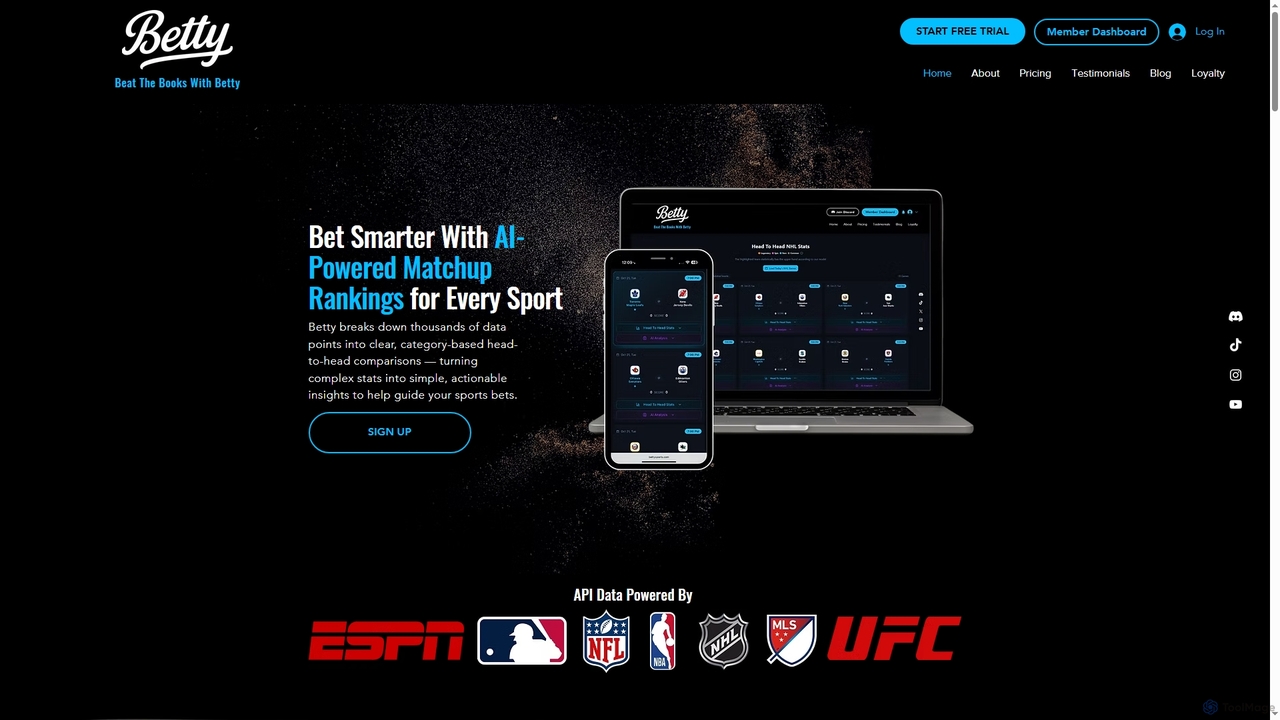
An AI-powered sports betting assistant providing data-driven sports picks and analytics. It analyzes over 1000 variables per game, …
An AI-powered sports betting assistant providing data-driven sports picks and analytics. It analyzes over 1000 variables per game, offering transparent head-to-head comparisons and matchup rankings for major sports like NFL, MLB, and NHL to help users bet smarter.
Pixellot
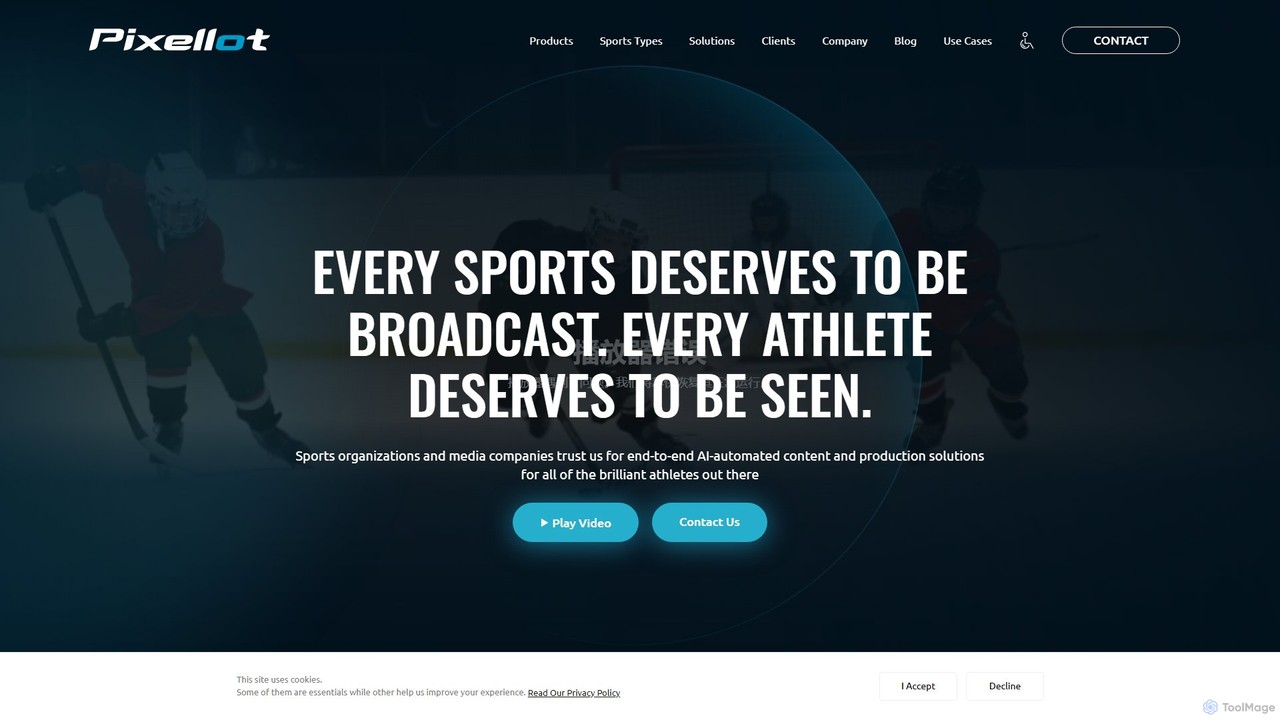
Pixellot is an end-to-end AI-automated sports production solution. It uses AI-powered cameras to automatically capture, produce, and stream …
Pixellot is an end-to-end AI-automated sports production solution. It uses AI-powered cameras to automatically capture, produce, and stream live sports events. The platform also provides in-depth analytics for coaches and teams, and monetization tools for leagues and broadcasters. Supporting over 19 sports, Pixellot makes professional-grade broadcasting accessible and affordable for organizations of all sizes, from youth leagues to professional clubs.
About Sports Analytics
Sports Analytics tools are AI-powered platforms that analyze vast datasets to uncover insights into athletic performance, game strategy, and team management. They utilize machine learning and computer vision to process everything from player tracking data to game footage, transforming raw numbers into actionable intelligence. This enables coaches, teams, and broadcasters to make data-driven decisions, optimize player development, and gain a significant competitive advantage. These tools move beyond simple statistics to provide predictive models and tactical recommendations that can define the outcome of a competition.
Core Features
- Performance Prediction: Forecasts player and team performance based on historical data, opponent analysis, and situational variables.
- Tactical Pattern Recognition: Uses computer vision to automatically identify offensive and defensive formations, set-piece strategies, and recurring player movements from video footage.
- Biomechanical Analysis: Analyzes athlete movement data from sensors or video to optimize technique, improve efficiency, and reduce injury risk.
- Automated Scouting: Processes performance metrics from global leagues to identify and rank potential recruitment targets based on customized criteria.
- Real-Time Data Visualization: Presents complex analytics through intuitive dashboards and on-field graphics for immediate interpretation by coaches and broadcasters.
Use Cases
These tools are primarily used by professional sports organizations, including teams in soccer, basketball, American football, and baseball. Coaches, tactical analysts, sports scientists, and general managers leverage them for game preparation, player recruitment, and long-term strategic planning. Additionally, sports media and broadcasting companies use them to enrich their content with advanced statistics and insights for fan engagement.
How to Choose
When selecting a Sports Analytics tool, consider the specific sport it's designed for, as models vary significantly. Evaluate its data integration capabilities—can it connect with your existing GPS trackers, video systems, and statistical providers? Assess the depth of its analytical models and whether they are customizable. Finally, consider the user interface's intuitiveness, ensuring that coaches and players, not just data scientists, can easily understand and act on the insights provided.

Sports AnalyticsUse Cases
Tactical Game Planning for Coaches
A head coach or tactical analyst prepares for a crucial match. Instead of manually reviewing hours of opponent footage, they use a Sports Analytics tool to automatically process the last ten games of the opposing team. The AI identifies their most common attacking patterns, vulnerabilities in their defensive transitions, and the key player interactions that lead to scoring opportunities. The system generates a visual report highlighting these patterns and suggests specific counter-strategies, such as exploiting a particular defender's weakness or applying pressure during certain phases of the game. This data-driven approach allows the coaching staff to create a highly specific and effective game plan in a fraction of the time.
AI-Powered Player Scouting and Recruitment
A scouting department for a professional club is tasked with finding a young, high-potential midfielder within a specific budget. They use an AI analytics platform that aggregates performance data from hundreds of leagues worldwide. The scouts set specific criteria, such as pass completion rate under pressure, distance covered per 90 minutes, and successful tackles. The AI filters thousands of players and generates a shortlist of candidates who fit the desired profile. It even provides a predictive model for each player's potential growth and suitability for the team's playing style, enabling the club to make a more informed and objective investment.
Real-Time Athlete Performance Monitoring
During a high-intensity training session, a sports scientist monitors the team's physical output using a real-time analytics tool connected to wearable GPS and heart rate sensors. The platform's dashboard visualizes each player's live data, including total distance, sprint speed, and physiological load. The AI establishes a baseline for each athlete and sends an alert when a player's metrics indicate a high level of fatigue or an elevated risk of a non-contact injury. The coach can then immediately substitute the player or modify their training intensity, optimizing performance while proactively preventing injuries.
Enhancing Live Sports Broadcasts
A major sports broadcaster aims to provide a more engaging viewing experience during a live soccer match. They integrate an AI analytics tool into their production workflow. During the game, the tool generates real-time graphics and data overlays that are shown to the audience. These include advanced metrics like a player's expected goals (xG) from a shot, the probability of a pass being completed, and heatmaps showing team formations. This provides viewers with deeper insights that go beyond the basic scoreline, helping them understand the tactical nuances of the game and enriching the commentary.
Injury Prevention Through Workload Management
A team's medical staff wants to reduce the frequency of hamstring and ACL injuries. They use a Sports Analytics platform to track each player's workload over the entire season, combining data from training sessions, matches, and gym workouts. The AI model analyzes this cumulative load against each player's individual history and biomechanics. It identifies dangerous spikes in workload or chronic overuse patterns that correlate with past injuries. Based on this analysis, the system recommends personalized recovery schedules and training modifications for at-risk players, significantly lowering the team's overall injury rate.
Data-Driven Fantasy Sports and Betting Analysis
A fantasy sports enthusiast or a professional bettor seeks a competitive edge. They subscribe to a Sports Analytics service that provides advanced predictive models for upcoming games. The tool analyzes hundreds of variables, including individual player matchups, team form, the impact of weather conditions, and even referee tendencies. It generates probabilities for various outcomes, such as the final score, individual player point totals, or the likelihood of a specific event occurring. This allows the user to move beyond gut feelings and make highly informed decisions when building their fantasy lineup or placing bets.