ToolMage
Sign in

Best 13 Inspiration AI tools for Art

Popular Inspiration AI tools in Art include Lexica, Huemint, PaletteMaker, nomorecopyright, sref-midjourney, Moodboard AI, ai_img_gen, huewheel, midlearning, and Midjourneysref, helping you work more efficiently.

sref-midjourney
Freemium

sref-midjourney

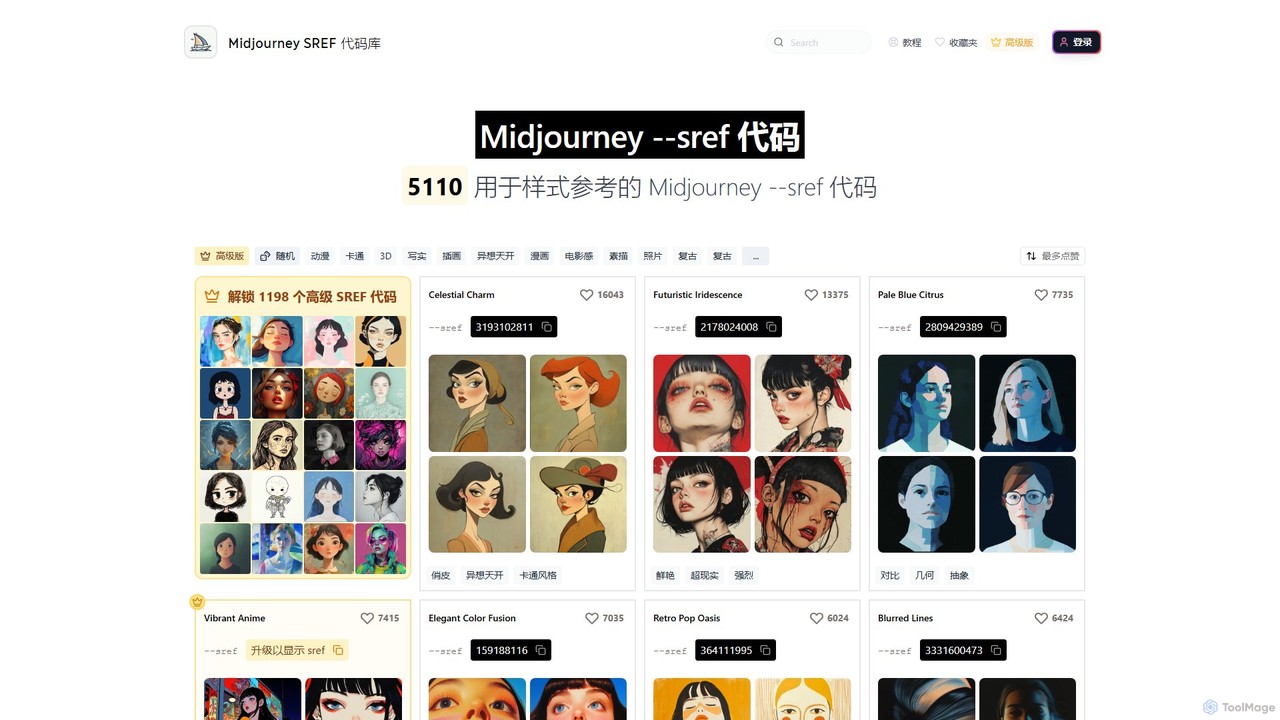
A comprehensive, searchable library of Midjourney Style Reference (--sref) codes. Discover and apply thousands of unique artistic styles to your AI image generations, from anime and realistic to cinematic and abstract. Features extensive categorization, one-click copying, and both free and premium style codes.

Inspiration
Visits 40.6KFavorites 114Likes 106
Midjourneysref
Freemium

Midjourneysref

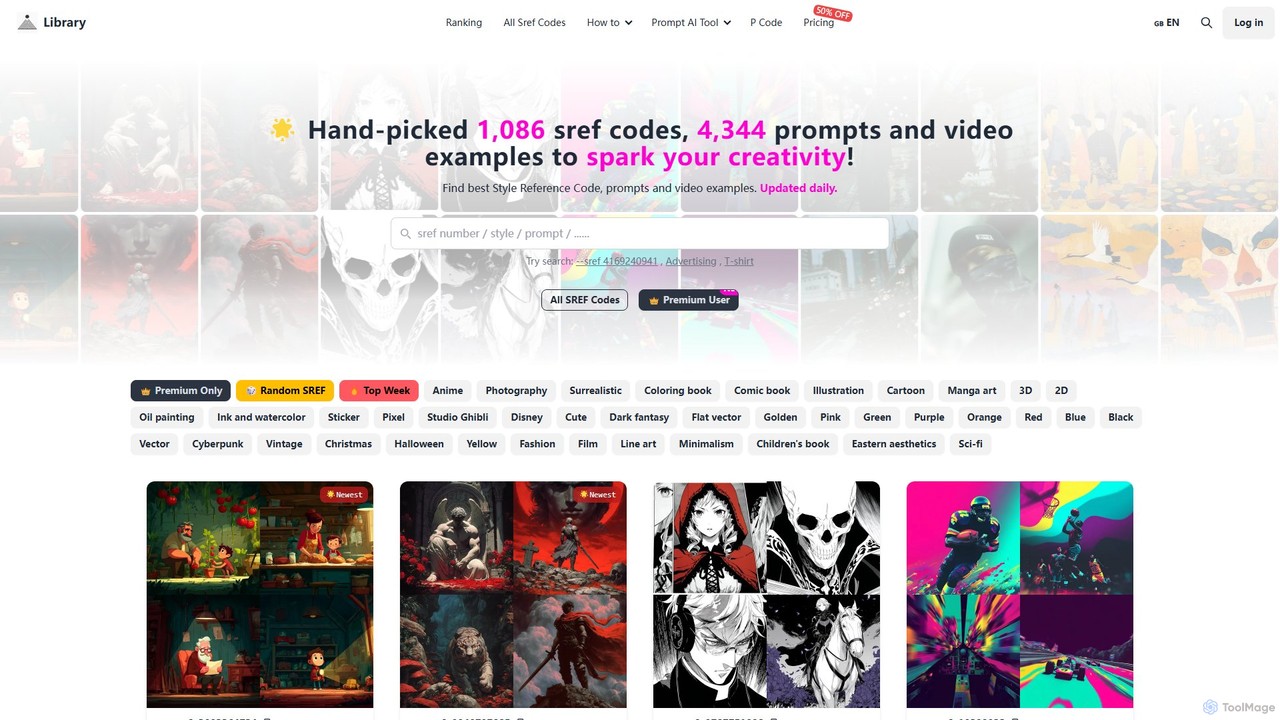
A comprehensive library of Midjourney SREF codes, prompts, and video examples. It offers over 1,000 hand-picked style reference codes and 4,000+ prompts, updated daily, to help AI artists discover new styles, spark creativity, and generate high-quality images with ease. It also includes AI-powered prompt helper tools.

Inspiration
Visits 5.7KFavorites 123Likes 116
Lexica
Freemium

Lexica

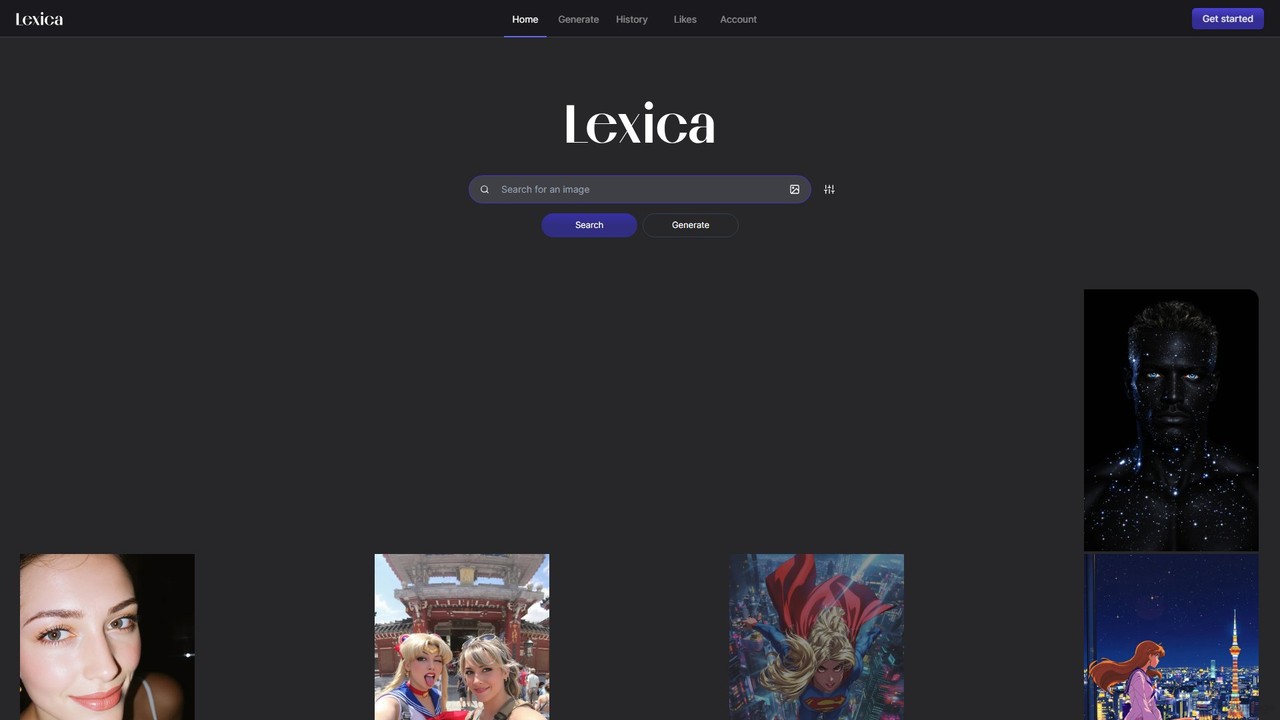
Lexica is a powerful AI image generator and search engine. It allows users to create stunning visuals from text prompts using its advanced model, Lexica Aperture. It also features a vast, searchable library of millions of AI-generated images and their prompts, making it an invaluable tool for inspiration and creative exploration.

Inspiration
Visits 422.4KFavorites 138Likes 129
PaletteMaker
Free

PaletteMaker

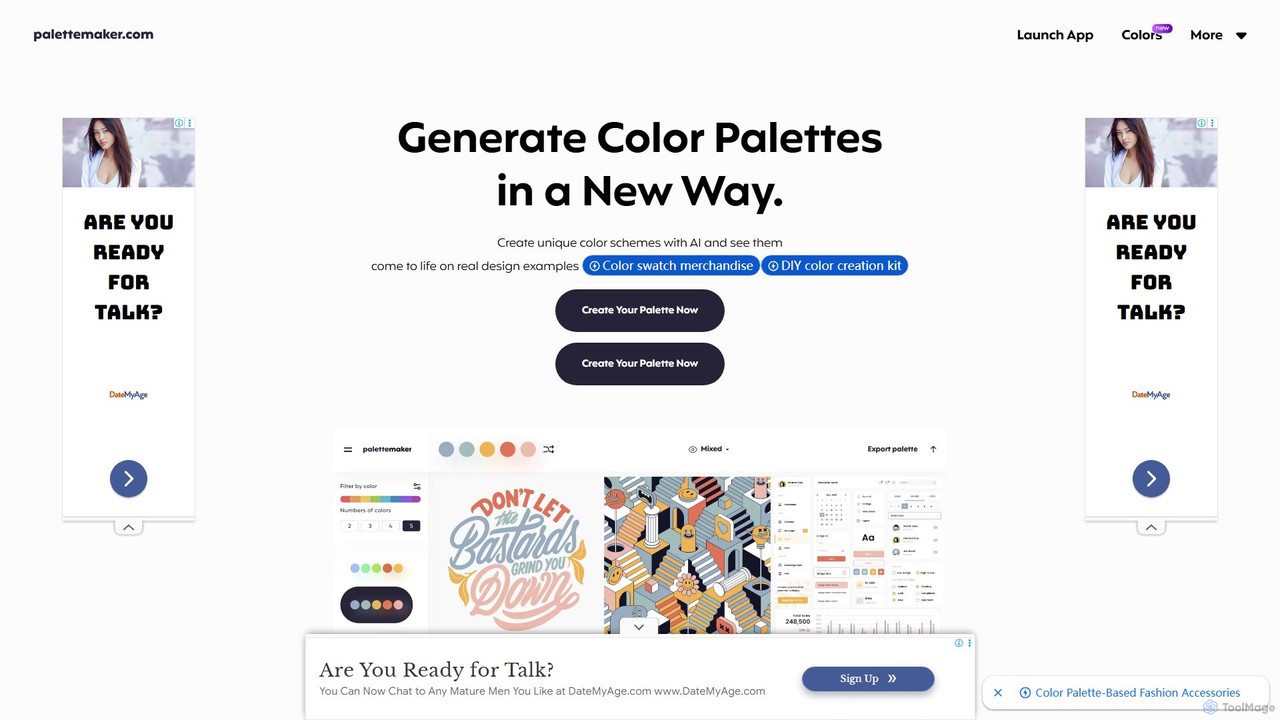
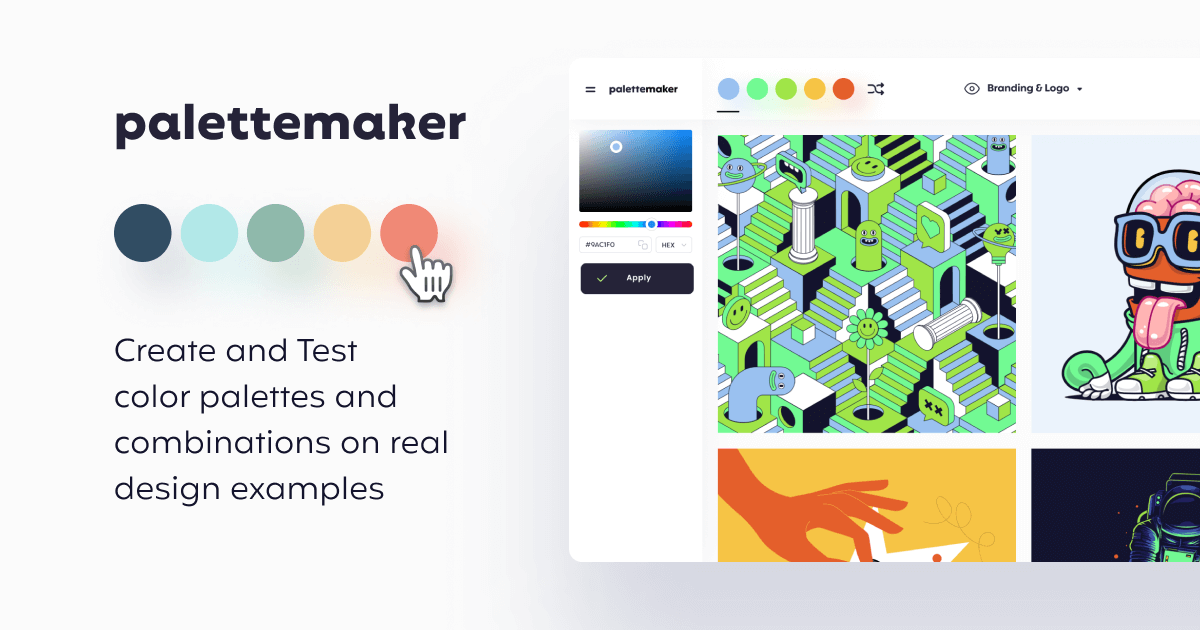
PaletteMaker is a free, AI-powered color palette generator that allows designers and creatives to create and instantly preview color schemes on real-world design mockups. It supports various creative fields like UI/UX, branding, and illustration, offering powerful export options for professional workflows.

Inspiration
Visits 95.7KFavorites 127Likes 99
IndianWeddingAI
Paid

IndianWeddingAI

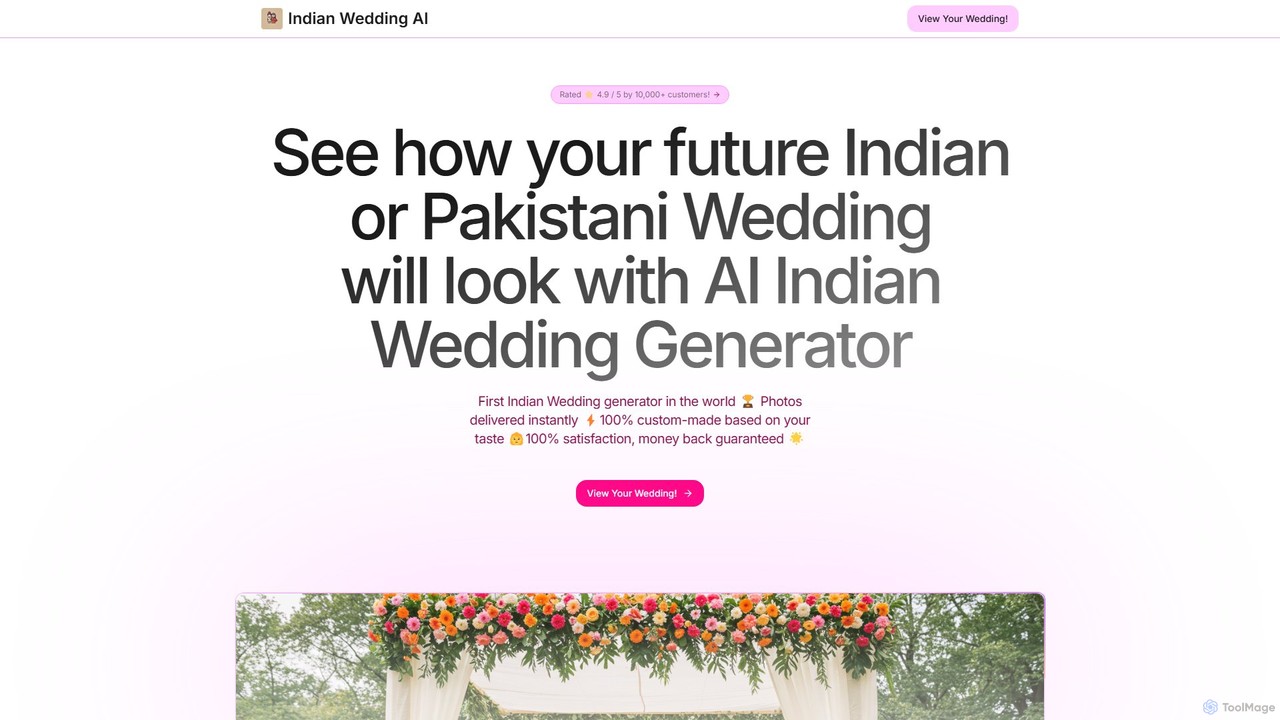
IndianWeddingAI is a specialized AI image generator that helps couples visualize their dream Indian, Pakistani, and South Asian weddings. By inputting preferences like event type, colors, and decor, users receive stunning, personalized images of their celebration, simplifying the planning process and bringing their vision to life.

Inspiration
Visits 5.4KFavorites 119Likes 132
ipalettes
Freemium

ipalettes

ipalettes is an AI-powered color palette generator that creates stunning color schemes from text prompts, images, or URLs. Ideal for designers, developers, and creatives, it instantly translates ideas and visuals into harmonious and usable color palettes, streamlining the design workflow.

Inspiration
Visits 5.4KFavorites 145Likes 148
ai_img_gen
Freemium

ai_img_gen

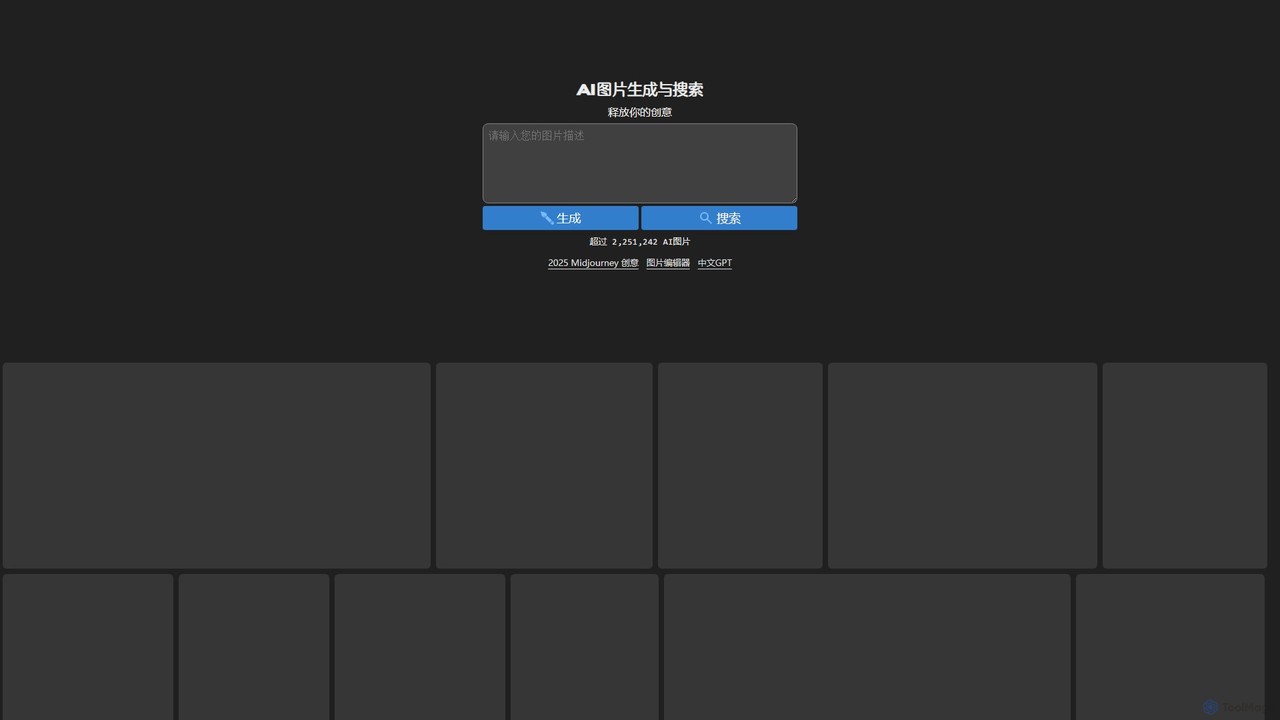
A powerful and free AI tool for generating unique images from text prompts. It features a vast, searchable gallery of over 2 million AI-generated images for inspiration and an integrated photo editor to refine creations by adding text, shapes, and other elements. Ideal for artists, marketers, and creators.

Inspiration
Visits 7KFavorites 132Likes 130
midlearning
Freemium

midlearning

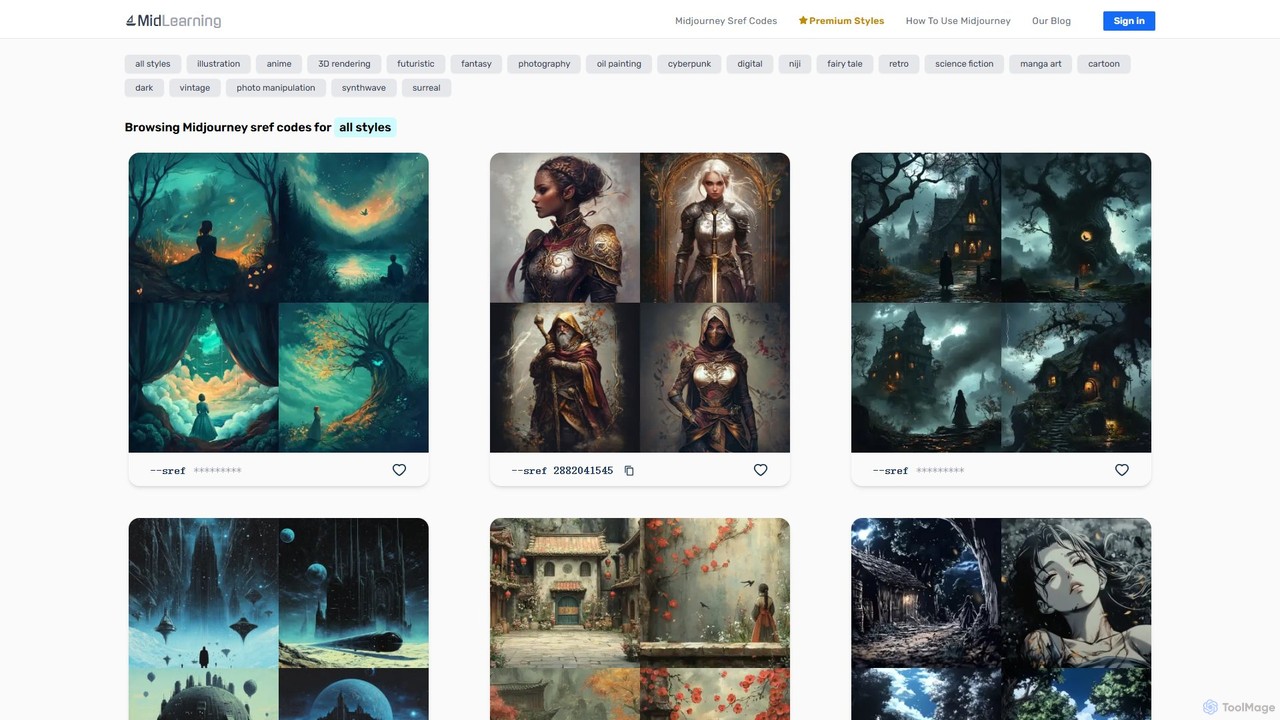
midlearning is the ultimate resource library for Midjourney users. It offers a vast, curated collection of sref codes (style references), detailed prompts, and art inspiration across dozens of styles. Enhance your AI art, save time, and learn advanced techniques with comprehensive tutorials and guides, helping you master Midjourney and unlock your full creative potential.

Inspiration
Visits 6.2KFavorites 113Likes 115
ARTSIO
Freemium

ARTSIO

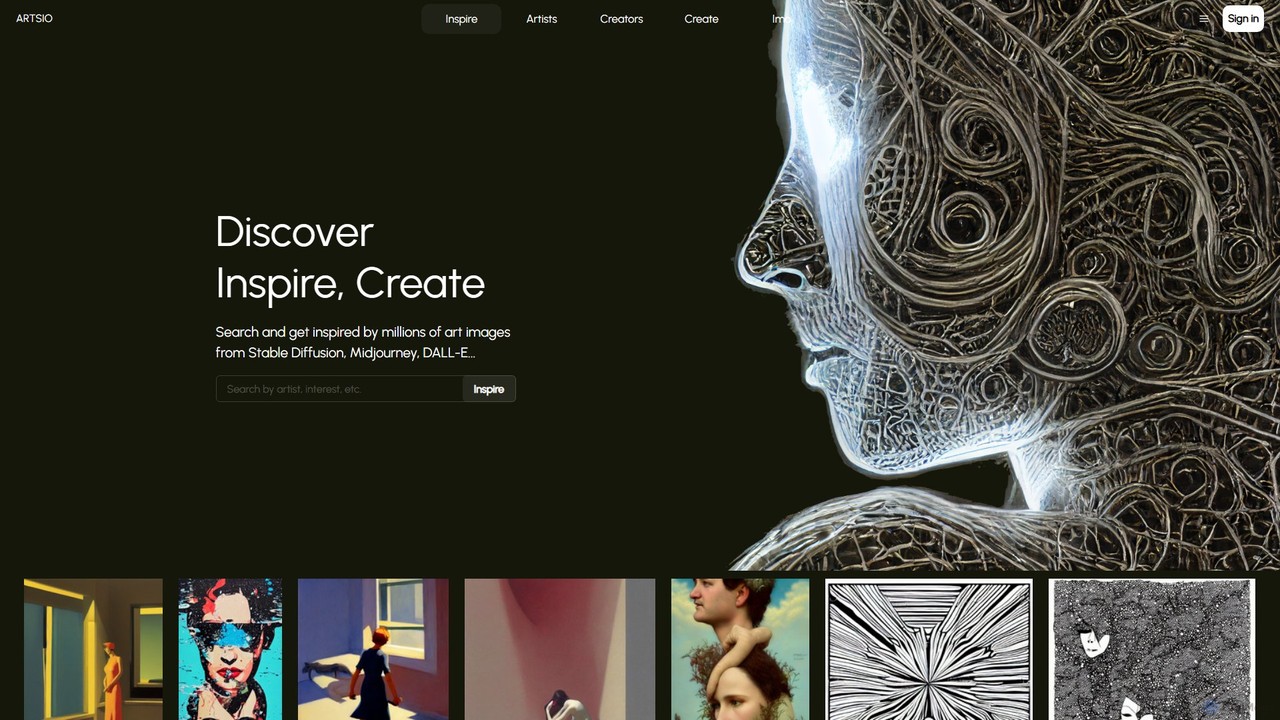
ARTSIO is an AI art discovery and creation platform. It allows users to search millions of images from Stable Diffusion, Midjourney, and DALL-E for inspiration. It features powerful semantic search, allows users to remix existing art, and fosters a community of creators.

Image Generation
Visits 5.6KFavorites 118Likes 116
huewheel
Freemium

huewheel

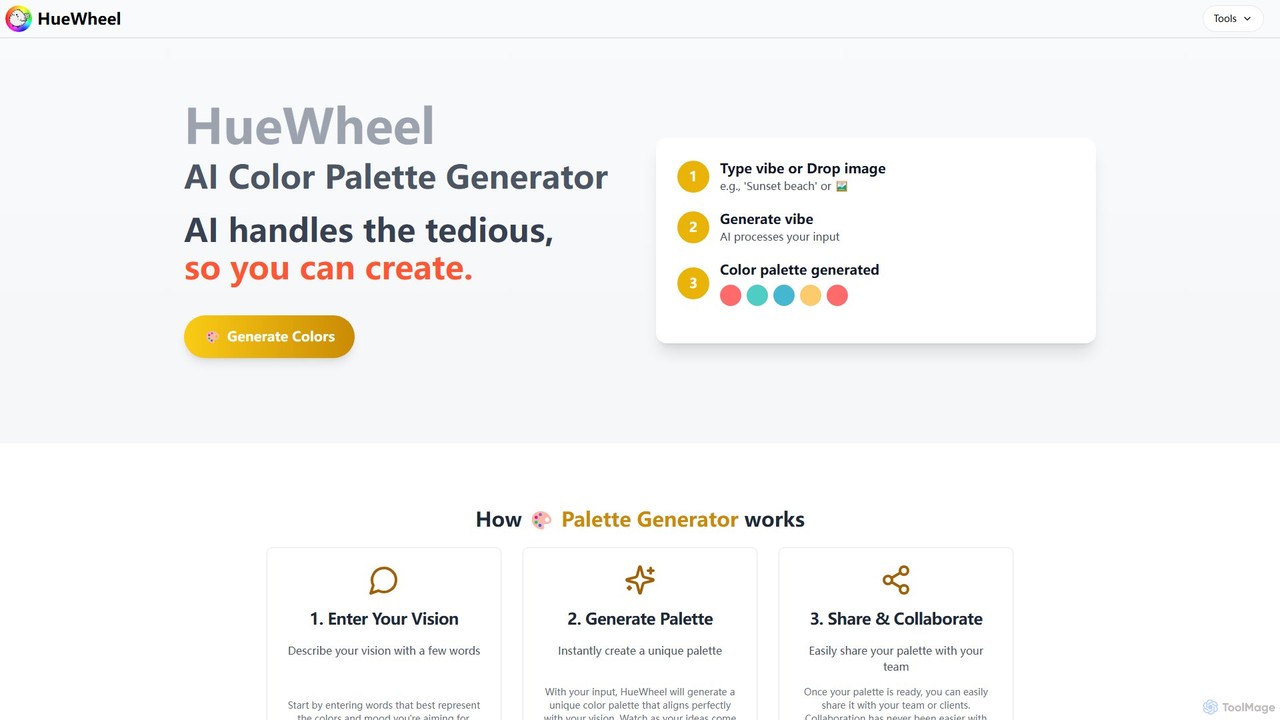
huewheel is an AI-powered color palette generator that creates stunning color combinations from natural language descriptions or image uploads. It's designed for designers, developers, and creatives to quickly find harmonious and trending palettes. The platform includes a comprehensive Color Studio for fine-tuning, a Mockup Generator for previews, and a community gallery for endless inspiration.

Inspiration
Visits 6.6KFavorites 169Likes 180
Moodboard AI
Freemium

Moodboard AI

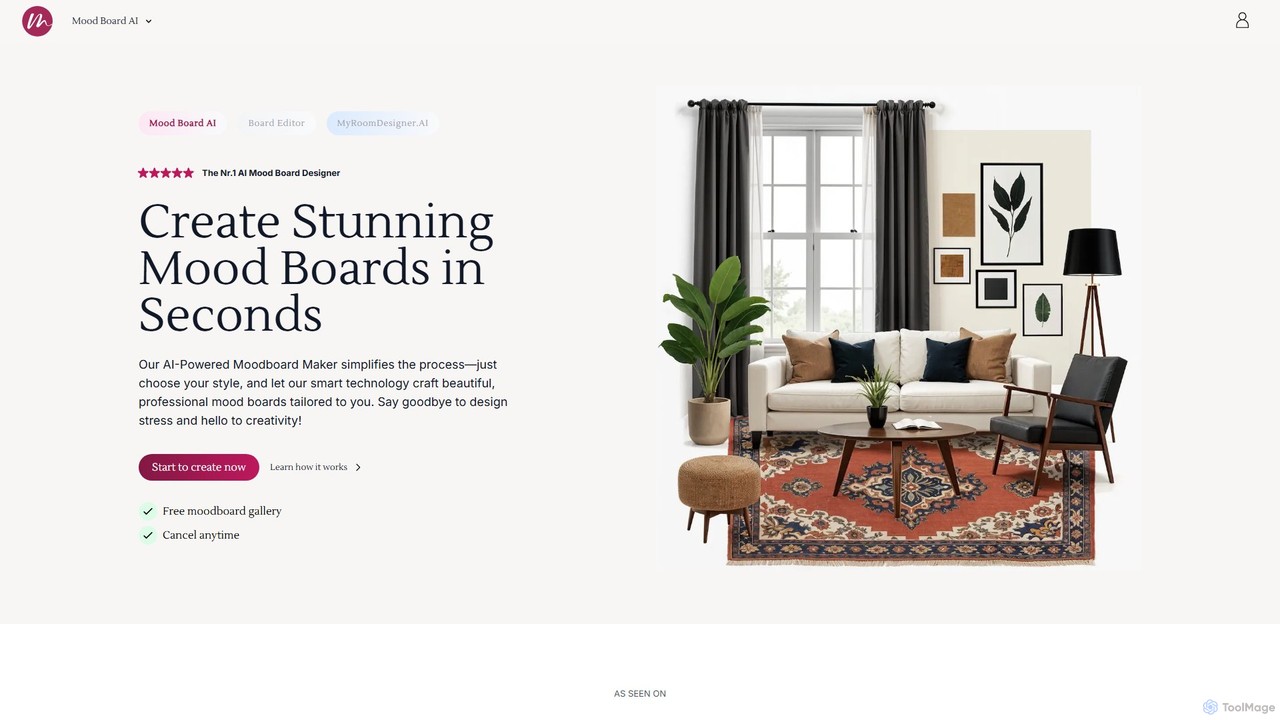
Moodboard AI is an AI-powered platform that simplifies the creation of stunning mood boards for interior design, fashion, and branding. Just choose your style, and the AI crafts beautiful, professional visuals in seconds. It's part of a 3-in-1 toolkit that includes a powerful editor and a 3D room designer, seamlessly bridging the gap from inspiration to actionable shopping lists and realistic designs.

Inspiration
Visits 26.1KFavorites 134Likes 126
nomorecopyright
Freemium

nomorecopyright

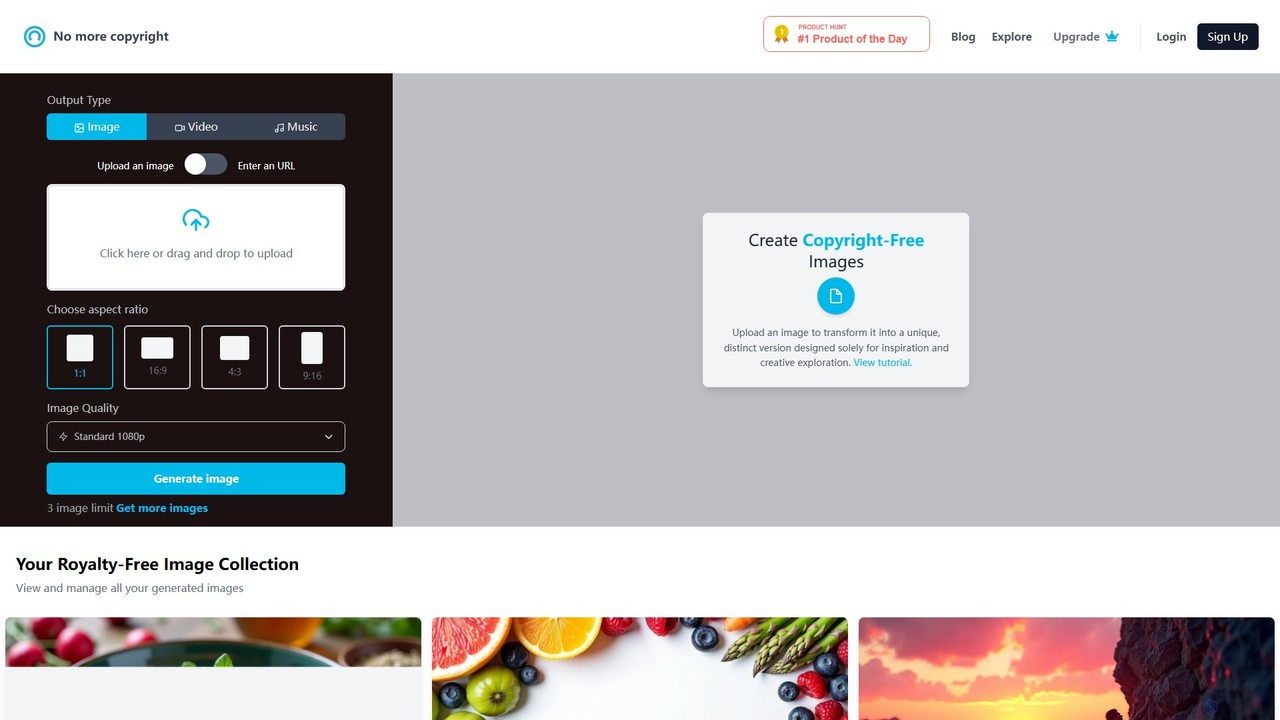
nomorecopyright is an AI-powered tool that transforms existing images into unique, legally distinct, and copyright-free versions. Instead of text prompts, it uses an image-to-image approach, allowing users to upload a photo, sketch, or screenshot to generate new creative variations for personal and commercial use.

Inspiration
Visits 41.4KFavorites 93Likes 80
Huemint
Free

Huemint

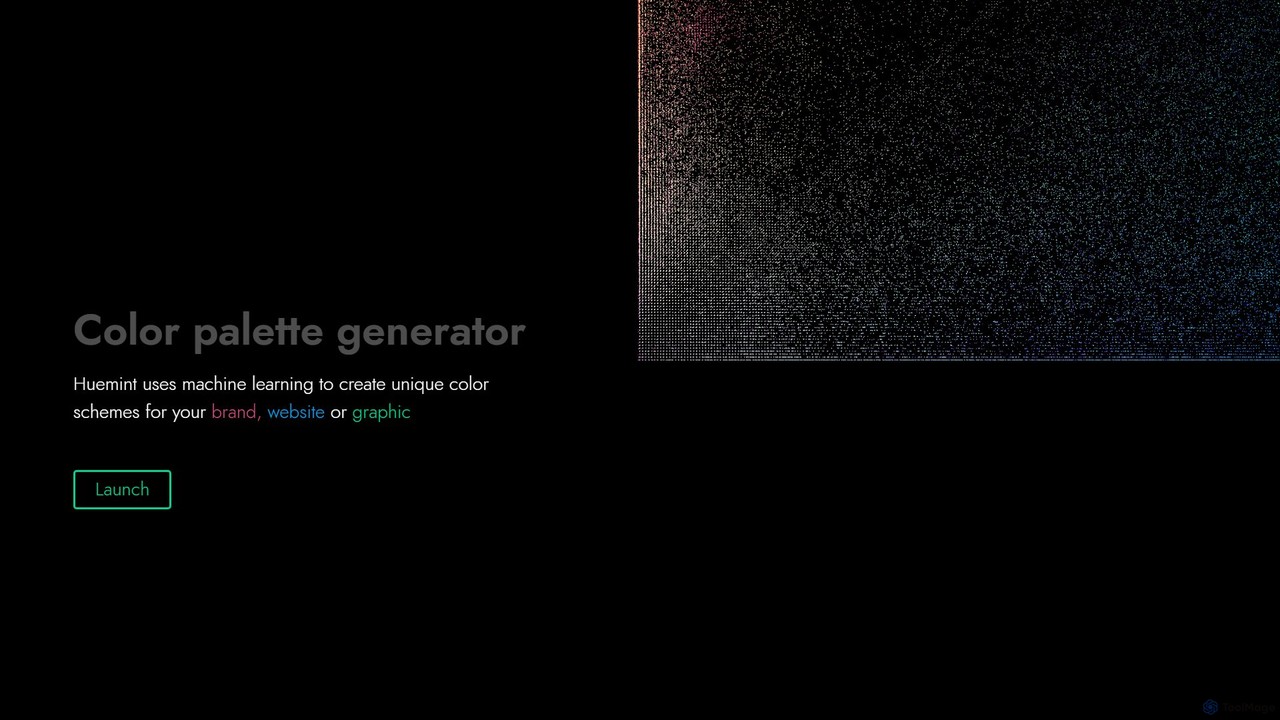
Huemint is an AI-powered color palette generator that uses machine learning to create unique and harmonious color schemes for brands, websites, graphics, and illustrations. It provides contextual previews to visualize how colors work together in real-world applications.

Inspiration
Visits 166.7KFavorites 147Likes 127

About Inspiration

AI Inspiration tools are a class of software designed to generate creative ideas, concepts, and starting points to overcome artistic blocks. They leverage generative models to analyze vast datasets of text and images, producing novel combinations, detailed prompts, or visual mood boards. These tools act as a creative catalyst, accelerating the brainstorming phase and introducing unexpected directions for artists, designers, and writers. They are specifically focused on ideation rather than final asset creation, serving as the crucial first step in the creative process.

Core Features

  • Prompt Generation: Creates detailed and descriptive text prompts optimized for AI art generators.
  • Concept Blending: Merges multiple distinct ideas, styles, or objects to spark unique concepts.
  • Visual Mood Board Creation: Automatically curates collections of images, color palettes, and textures based on a theme.
  • Color Palette Extraction: Generates harmonious color schemes from an uploaded image or text description.
  • Style Exploration: Suggests diverse artistic styles (e.g., cyberpunk, art nouveau, minimalist) to apply to a core idea.

Use Cases

These tools are invaluable for digital artists, graphic designers, game developers, and writers facing creative hurdles. For instance, a concept artist can use them to brainstorm unique character designs by combining disparate elements. A writer can generate story hooks and plot twists, while a brand designer can quickly create multiple mood boards to present different visual directions to a client.

How to Choose

When selecting an AI Inspiration tool, consider the output format—whether you need text prompts, visual collages, or abstract keywords. Evaluate the level of customization and control it offers over the generated ideas. Check for integrations with your primary creative software, such as AI art generators or design tools. Finally, assess the diversity and relevance of its underlying dataset to ensure the suggestions align with your creative domain.

Featured tool rankings

Inspiration use cases

1

Generating Prompts for AI Art Generators

A digital artist wants to create a complex scene in Midjourney but struggles with phrasing. They input a basic idea like 'a knight in a crystal forest' into an AI Inspiration tool. The tool expands this into a detailed prompt: 'cinematic shot, epic fantasy knight clad in obsidian armor, standing in a bioluminescent crystal forest, ethereal mist, volumetric lighting, style of Yoshitaka Amano, 8K, hyper-detailed.' This enhanced prompt provides the art generator with precise instructions, resulting in a much richer and more specific image that aligns with the artist's vision.

2

Creating a Visual Mood Board for a Brand

A graphic designer is starting a rebranding project for a sustainable tech company. To establish a visual direction, they use an AI inspiration tool. They input keywords like 'nature', 'minimalism', 'innovation', and 'trust'. The tool instantly generates a mood board featuring a harmonious color palette of earth tones and soft blues, suggestions for clean sans-serif fonts, and a curated collection of images showing natural textures and futuristic geometric patterns. This provides a tangible starting point for client discussions, saving hours of manual research and curation.

3

Developing Unique Character Concepts

A game developer is brainstorming a new protagonist for a sci-fi RPG. To avoid clichés, they use an AI concept blending tool. They input three disparate concepts: 'ancient druid', 'cyborg engineer', and 'deep-sea explorer'. The AI generates several conceptual starting points. One suggestion is 'A cyborg whose mechanical parts are powered by symbiotic, bioluminescent flora from the ocean depths, tasked with restoring a dead world.' This unexpected fusion provides a rich backstory and unique visual potential, breaking the creative logjam and inspiring a compelling character design.

4

Overcoming Writer's Block with Story Ideas

A novelist is stuck on the second chapter of their mystery thriller. They feel their plot is becoming predictable. Using an AI inspiration tool, they input their current premise: 'A detective investigates a murder in a small town.' The tool generates several 'what if' scenarios to add complexity, such as 'What if the victim is the detective's long-lost sibling?' or 'What if the entire town is a cult protecting a secret, and the murder was a ritual?' These prompts introduce new conflicts and stakes, giving the writer fresh avenues to explore and revitalizing the narrative.

5

Discovering Color Palettes for Web Design

A UI/UX designer needs a unique color scheme for a new travel app. Instead of using standard color pickers, they upload a photograph of a Tuscan landscape at sunset to an AI inspiration tool. The tool analyzes the image and extracts a sophisticated five-color palette, including deep oranges, muted purples, and earthy greens. It provides the HEX codes for each color, ensuring consistency across design mockups and final code. This process is not only faster but also results in a more evocative and emotionally resonant color scheme directly inspired by the app's theme.

6

Brainstorming Fashion Collection Themes

A fashion designer is planning a new collection but lacks a central theme. They use an AI inspiration tool, inputting abstract concepts like 'architectural brutalism' and 'Japanese ikebana'. The tool generates a list of thematic keywords, potential fabric textures, and silhouette ideas. It might suggest 'structured asymmetry', 'concrete-grey wool paired with delicate floral embroidery', or 'folded fabric mimicking flower petals'. This output provides a concrete conceptual framework, helping the designer to visualize the collection's aesthetic and begin sketching with a clear, innovative direction.

Inspiration FAQ

What are AI Inspiration tools?

AI Inspiration tools are specialized applications designed to spark creativity and help users overcome creative blocks. Unlike tools that produce a final product, their primary function is to generate ideas, concepts, prompts, and other starting points. They work by analyzing patterns in vast amounts of data to suggest novel combinations and directions. Common outputs include detailed text prompts for art generators, visual mood boards, unique color palettes, and conceptual word associations.

How do AI Inspiration tools differ from AI Art Generators?

The key difference lies in their purpose within the creative workflow. AI Inspiration tools are for the ideation phase; they provide the raw material for creativity, such as prompts or concepts. AI Art Generators are for the execution phase; they take an input (often from an inspiration tool) and produce a final visual output. In short, an inspiration tool helps you decide what to create, while an art generator helps you actually create it.

Who should use AI Inspiration tools?

AI Inspiration tools are beneficial for a wide range of creative professionals and hobbyists. This includes:

  • Digital Artists & Illustrators: To brainstorm new compositions and character designs.
  • Graphic Designers: For creating mood boards, logos, and color schemes.
  • Writers & Screenwriters: To generate plot ideas, character arcs, and overcome writer's block.
  • Game Developers: For conceptualizing worlds, characters, and game mechanics.
  • Marketers & Content Creators: To brainstorm campaign ideas and social media content.

Essentially, anyone who engages in creative work and occasionally needs a catalyst to start or unblock their process can benefit from these tools.

How to choose the right AI Inspiration tool?

Choosing the right tool depends on your specific creative needs. Consider the following factors:

  • Output Type: Do you need detailed text prompts, visual mood boards, color palettes, or abstract concept maps? Select a tool that specializes in the format you need most.
  • Control and Customization: Look for tools that allow you to guide the output, such as by adding negative keywords, adjusting randomness, or combining specific elements.
  • Integration: If you use specific software like Midjourney or Photoshop, check if the tool can easily export its output in a compatible format.
  • Ease of Use: The best inspiration tools are intuitive and fast, allowing you to generate and iterate on ideas quickly without a steep learning curve.

Can the ideas from AI Inspiration tools be used commercially?

Generally, ideas themselves are not subject to copyright, so concepts generated by these tools can often be used as a starting point for commercial projects. However, the specific terms of service for each tool are paramount. Some tools may have restrictions on commercial use of their direct outputs (like a generated mood board image). It is always the user's responsibility to review the license agreement of the specific AI tool they are using before incorporating its output into commercial work.