Best of the Year 11 results Automotive AI Tools

Popular AI tools in the Automotive field include SoundHound AI、comma.ai、Apex.AI、Treads、Kommu、Fyusion、AutoPredict、Tire Robot、bosch_ai、Kardome, etc., helping you quickly improve efficiency.

Fyusion

Fyusion

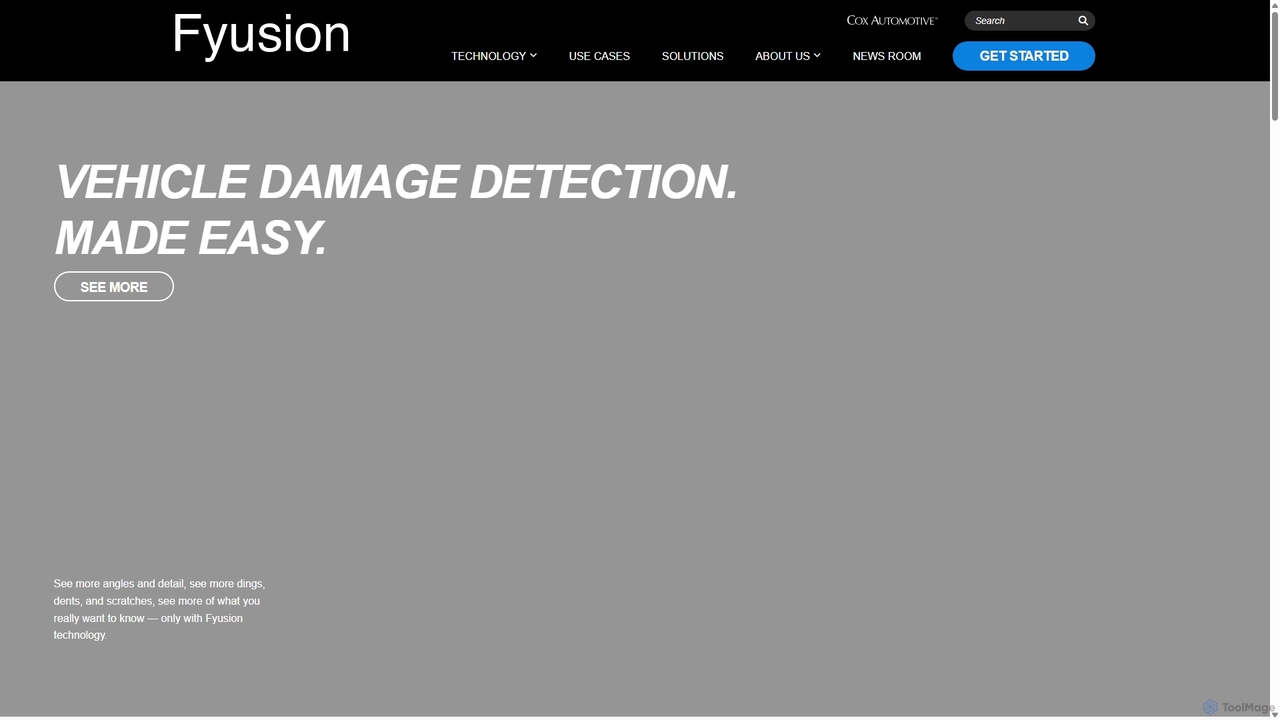
Fyusion is an advanced AI platform specializing in automotive visual intelligence. It uses computer vision and 3D imaging …

4.1K
bosch_ai

bosch_ai

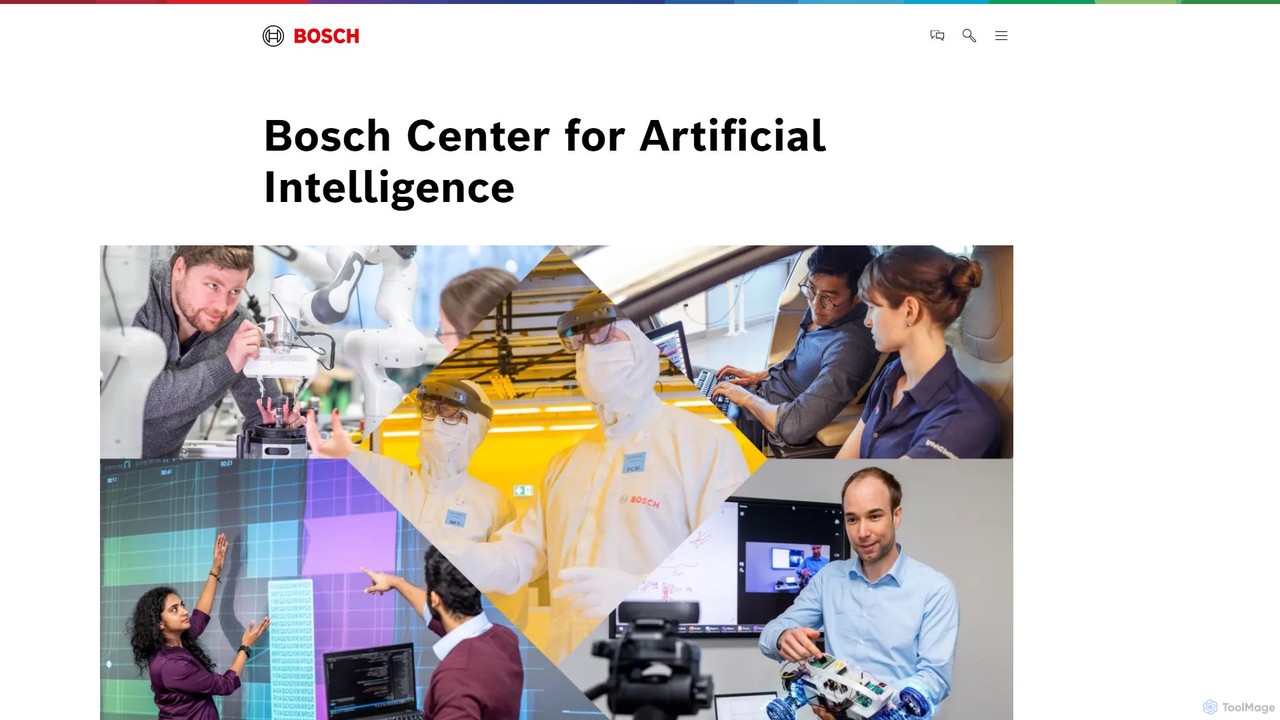
Bosch Center for Artificial Intelligence (BCAI) is Bosch's center of excellence for AI, driving the development and deployment …

2.8K
Free
Tire Robot

Tire Robot

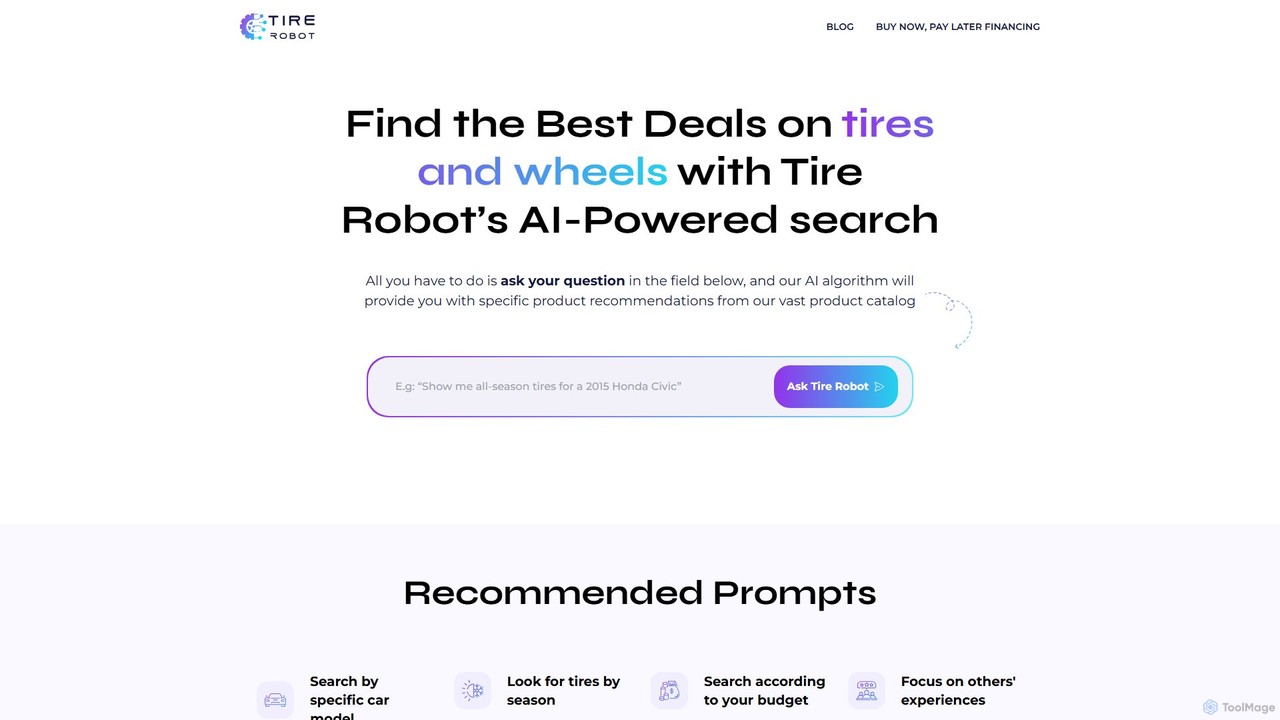
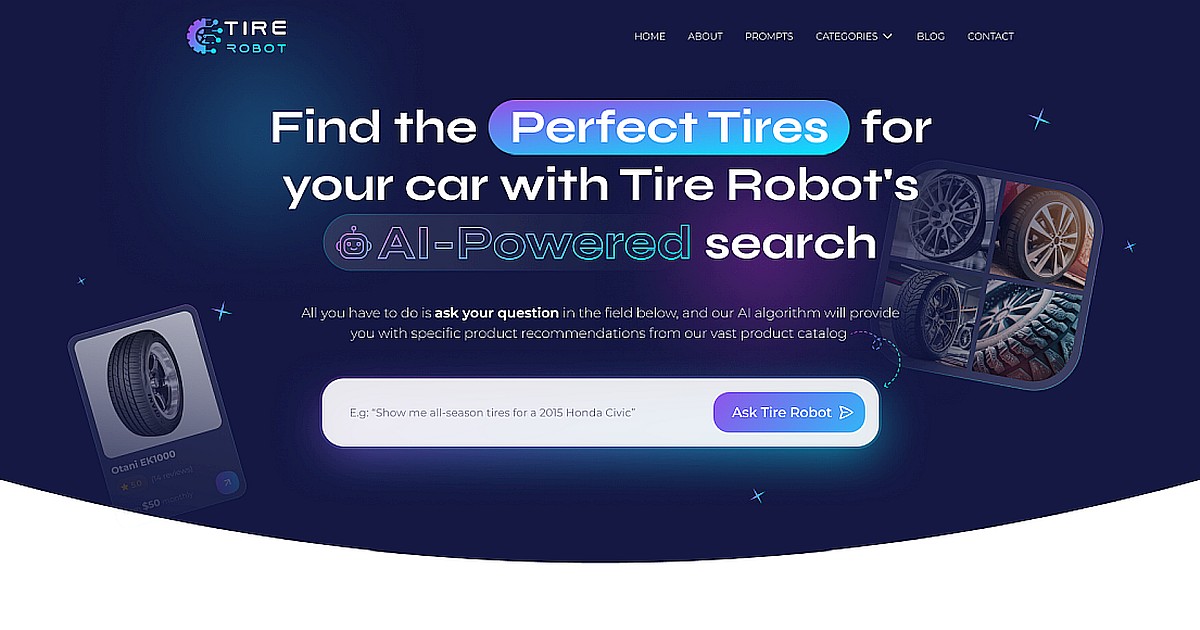
Tire Robot is a specialized AI-powered search engine designed to simplify the process of finding the best deals …

3.3K
Apex.AI

Apex.AI

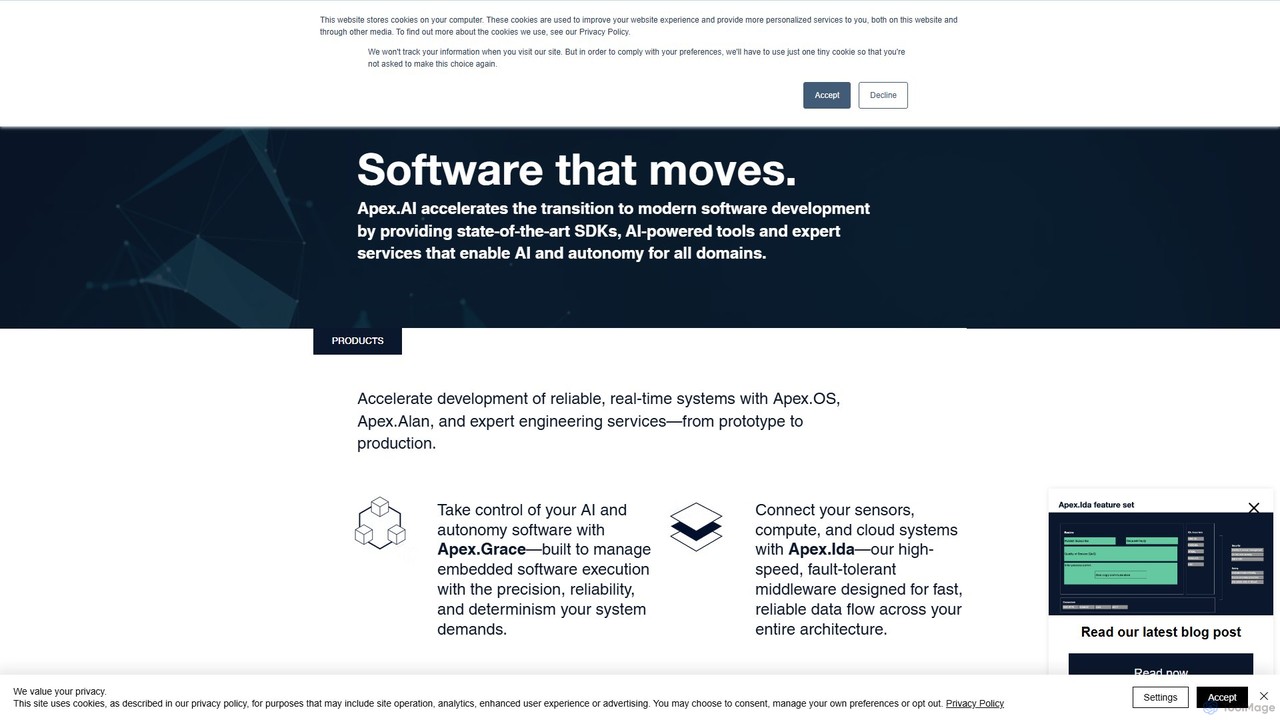
Apex.AI provides a comprehensive software development kit (SDK) and toolchain for building safe, certified, and reliable autonomous systems. …

49.9K
Kommu

Kommu

Kommu offers KommuAssist, a hardware and software kit that upgrades existing cars with Level 2 autonomous driving capabilities. …

8.0K
AutoPredict

AutoPredict

AutoPredict is an AI-powered tool that predicts a car's lifespan by analyzing over 100 million data points from …

4.0K
comma.ai

comma.ai

comma.ai offers an AI-powered hardware and open-source software solution, openpilot, that upgrades your car with advanced driver-assistance capabilities. …

245.8K
Treads

Treads

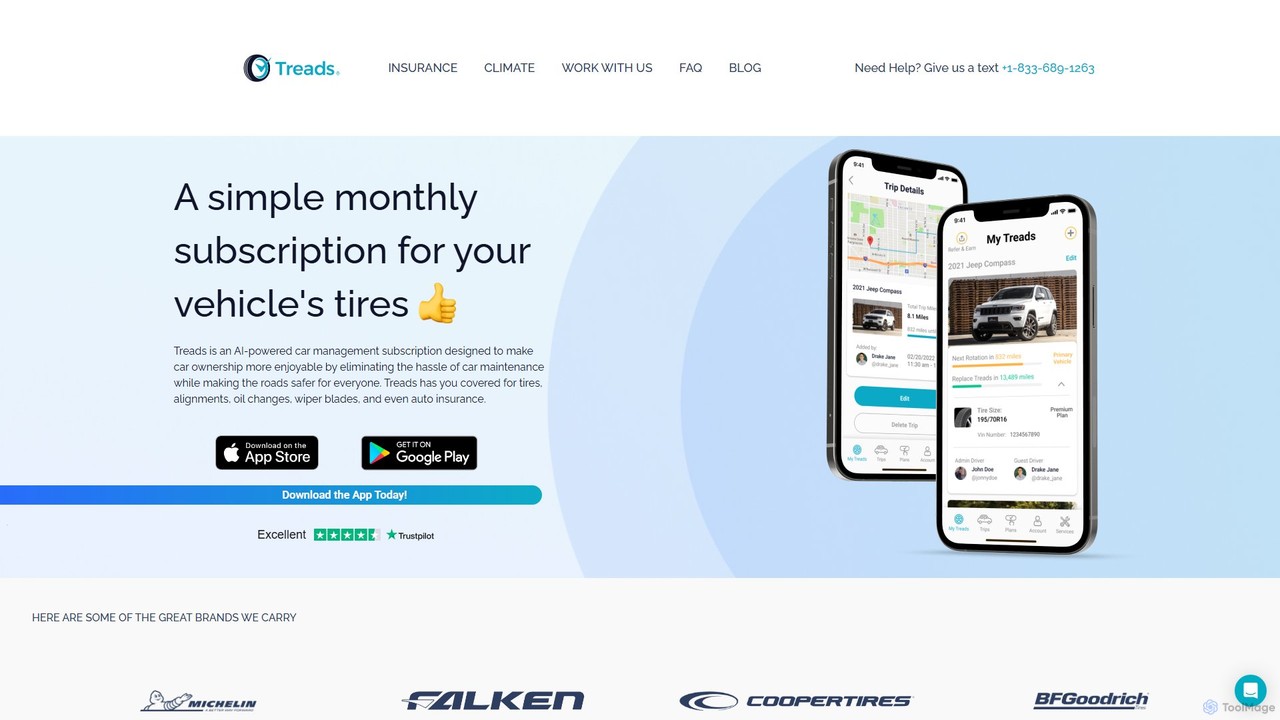
Treads is an AI-powered car management subscription that simplifies vehicle ownership. For a fixed monthly fee, it provides …

8.9K
Kardome

Kardome

Kardome provides advanced AI-powered voice user interface (VUI) technology for manufacturers. Its solutions use spatial hearing and deep …

2.8K
SoundHound AI

SoundHound AI

SoundHound AI is a leading independent voice AI platform for enterprises, enabling the creation of advanced conversational agents. …

550.6K
Fyusion

Fyusion

Fyusion is an advanced AI technology company specializing in vehicle damage detection and 3D imaging for the automotive …

2.8K

About Automotive

Automotive AI tools are AI-powered solutions designed to innovate, optimize, and enhance various aspects of the automotive industry. These tools leverage advanced machine learning, computer vision, natural language processing, and predictive analytics to address complex challenges. They are instrumental in improving vehicle safety, driving efficiency in manufacturing, enabling autonomous capabilities, and personalizing the in-cabin experience.

Core Features

  • Autonomous Driving Systems: Develop and validate self-driving algorithms for enhanced safety and navigation.
  • Predictive Maintenance: Analyze vehicle data to forecast potential failures and schedule proactive servicing.
  • Smart Manufacturing Optimization: Utilize AI for quality control, robotic automation, and supply chain efficiency in production.
  • In-Cabin AI Assistants: Provide personalized infotainment, voice control, and driver monitoring for a smarter experience.
  • Vehicle Design & Simulation: Accelerate R&D by simulating performance, optimizing aerodynamics, and testing new materials.

Use Cases

Automotive AI tools are widely adopted by vehicle manufacturers, automotive suppliers, R&D departments, and fleet management companies. They are crucial for developing next-generation vehicles, streamlining production processes, and delivering advanced services to consumers.

How to Choose

When selecting Automotive AI tools, consider their integration capabilities with existing systems, the robustness of their data security protocols, scalability for future growth, and compliance with industry regulations. Evaluate the accuracy of their predictive models and their real-time processing performance.

AutomotiveUse Cases

1

Autonomous Vehicle Software Testing

Autonomous vehicle developers utilize AI tools to simulate millions of driving scenarios, including rare edge cases, for rigorous software testing. By analyzing vast datasets of sensor input and vehicle responses, these tools identify potential flaws in algorithms, accelerating the validation process and significantly reducing the need for costly physical road tests, ensuring higher safety standards before deployment.

2

Predictive Fleet Maintenance

Fleet managers employ Automotive AI tools to monitor vehicle telematics data in real-time, such as engine performance, tire pressure, and fluid levels. The AI analyzes these patterns to predict component failures before they occur, enabling proactive maintenance scheduling. This minimizes unexpected breakdowns, reduces operational costs, extends vehicle lifespan, and ensures maximum fleet uptime.

3

Optimizing Automotive Manufacturing Quality

Automakers integrate AI-powered computer vision systems into production lines for automated quality inspection. These systems can detect microscopic defects on components or assembly errors with high precision and speed, far surpassing human capabilities. This leads to a dramatic reduction in faulty products, improved manufacturing consistency, and significant cost savings from rework and recalls.

4

Personalized In-Cabin Experience

Vehicle manufacturers use AI to create highly personalized in-cabin experiences for drivers and passengers. AI assistants learn user preferences for climate control, music, navigation, and seat adjustments, proactively adapting the environment. This enhances comfort, convenience, and safety by minimizing driver distraction, making every journey more enjoyable and tailored.

5

AI-Driven Vehicle Design & Aerodynamics

Automotive engineers leverage AI tools for generative design and aerodynamic optimization. By inputting design constraints and performance targets, AI algorithms explore thousands of design iterations, identifying optimal shapes for reduced drag or improved structural integrity. This accelerates the design cycle, reduces material usage, and leads to more fuel-efficient and safer vehicles.

6

Supply Chain Demand Forecasting

Automotive parts suppliers and manufacturers use AI to analyze historical sales data, market trends, and external factors like economic indicators to accurately forecast demand for specific components. This enables optimized inventory management, reduces overstocking or stockouts, streamlines logistics, and ensures a more resilient and cost-effective supply chain for vehicle production.

AutomotiveFrequently Asked Questions