Personify
Personify is an AI-powered suite of virtual camera tools, including Presenter and ChromaCam, designed to create immersive and …
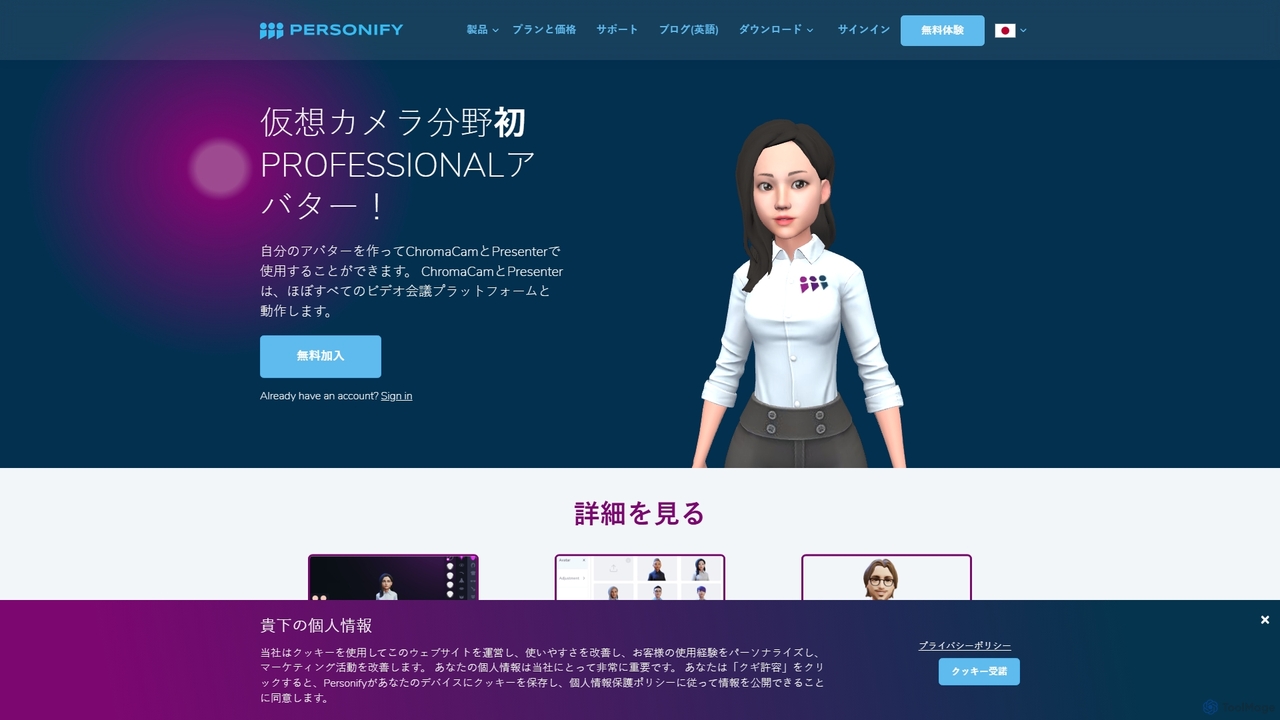
Personify is an AI-powered suite of virtual camera tools, including Presenter and ChromaCam, designed to create immersive and engaging video presentations. It allows users to overlay their video on content, use custom 3D avatars, and replace backgrounds in any video conferencing app.
About Virtual Identity
Virtual Identity tools are AI-powered platforms designed to create, manage, and animate sophisticated digital personas that represent individuals or entities in virtual environments. These advanced tools leverage artificial intelligence, natural language processing, and advanced graphics to imbue digital avatars with unique personalities, realistic expressions, and interactive capabilities. They enable dynamic engagement in metaverses, virtual assistants, and digital content creation, transforming static representations into living, breathing digital beings. Unlike basic avatars, virtual identities offer a comprehensive digital presence, capable of real-time interaction and emotional nuance.
Core Features
- AI-driven Persona Generation: Develops unique personalities, backstories, and behavioral traits for digital identities.
- Realistic Animation & Expression: Generates lifelike facial expressions, body language, and lip-sync for natural communication.
- Advanced Voice Synthesis: Creates custom, emotionally expressive voices that match the virtual identity's persona.
- Real-time Interaction: Enables digital identities to engage in dynamic conversations and respond contextually in live settings.
- Cross-Platform Integration: Facilitates deployment of virtual identities across various virtual worlds, games, and communication platforms.
Applicable Scenarios
Virtual Identity tools are invaluable for brands seeking AI-driven brand ambassadors, educators creating interactive virtual tutors, and developers building immersive metaverse experiences. They are also used by content creators for virtual influencers and by customer service departments for highly personalized AI agents, offering consistent and engaging digital interactions.
How to Choose
When selecting a Virtual Identity tool, consider the desired level of realism and emotional expressiveness, the quality of AI-driven interactivity and natural language understanding, and its compatibility with target virtual platforms. Evaluate customization options for appearance and personality, the range of voice synthesis capabilities, and the overall ease of integration into existing workflows or environments.

Virtual IdentityUse Cases
Virtual Brand Ambassador for Marketing Campaigns
A marketing team utilizes a virtual identity to represent their brand in online advertisements, social media campaigns, and virtual events. The AI-powered persona can deliver consistent brand messaging, interact with potential customers in real-time, and adapt its communication style based on audience feedback, significantly enhancing brand engagement and reach without the need for human presenters.
AI-Powered Customer Service Agent in E-commerce
An e-commerce platform deploys a virtual identity as a frontline customer service agent. This digital persona can greet customers, answer frequently asked questions, guide them through product selections, and even process basic returns with a friendly, human-like interaction. This reduces response times and frees up human agents for more complex issues, improving customer satisfaction and operational efficiency.
Interactive Virtual Tutor for Online Education
Educational institutions create virtual identities to serve as personalized tutors for online courses. These AI tutors can explain complex concepts, answer student questions, provide immediate feedback on assignments, and adapt their teaching style to individual learning paces. This offers students a highly engaging and accessible learning experience, supplementing traditional teaching methods.
Digital Companion for Mental Wellness Apps
Developers of mental wellness applications integrate virtual identities as empathetic digital companions. These personas can engage users in supportive conversations, offer guided meditation, track mood patterns, and provide personalized coping strategies. The consistent, non-judgmental interaction helps users feel heard and supported, contributing to improved mental well-being.
Personalized Virtual Meeting Participant for Remote Work
Remote teams use virtual identities to enhance their online meeting experiences. A virtual identity can represent a team member who is unavailable, take notes, summarize discussions, or even contribute pre-programmed insights. This ensures continuity in meetings, provides a dynamic visual presence, and allows for more efficient information sharing in distributed work environments.
Dynamic NPC for Metaverse Gaming Experiences
Game developers in the metaverse utilize virtual identities to create non-player characters (NPCs) with complex personalities and adaptive behaviors. These NPCs can engage players in meaningful dialogues, offer quests based on player actions, and react emotionally to in-game events, making the virtual world feel more alive and immersive. This elevates storytelling and player engagement beyond static character interactions.