ToolMage
Sign in

Best 215 Business Intelligence AI tools for Business

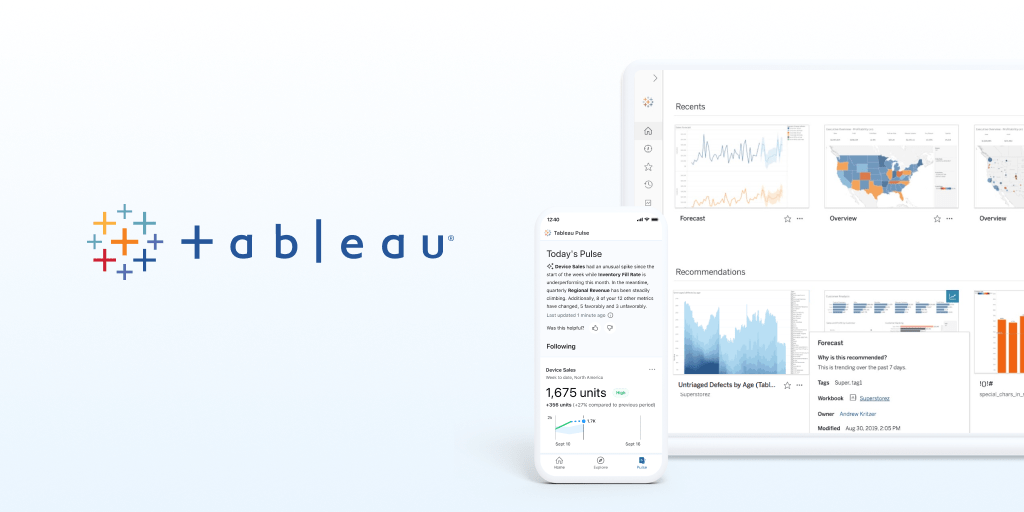
Popular Business Intelligence AI tools in Business include Salesforce, Microsoft Power BI, Tableau, Databricks, Domo, Bright Data, ThoughtSpot, ChatExcel, i10x, and Dataiku, helping you work more efficiently.

Zeit AI
Paid

Zeit AI

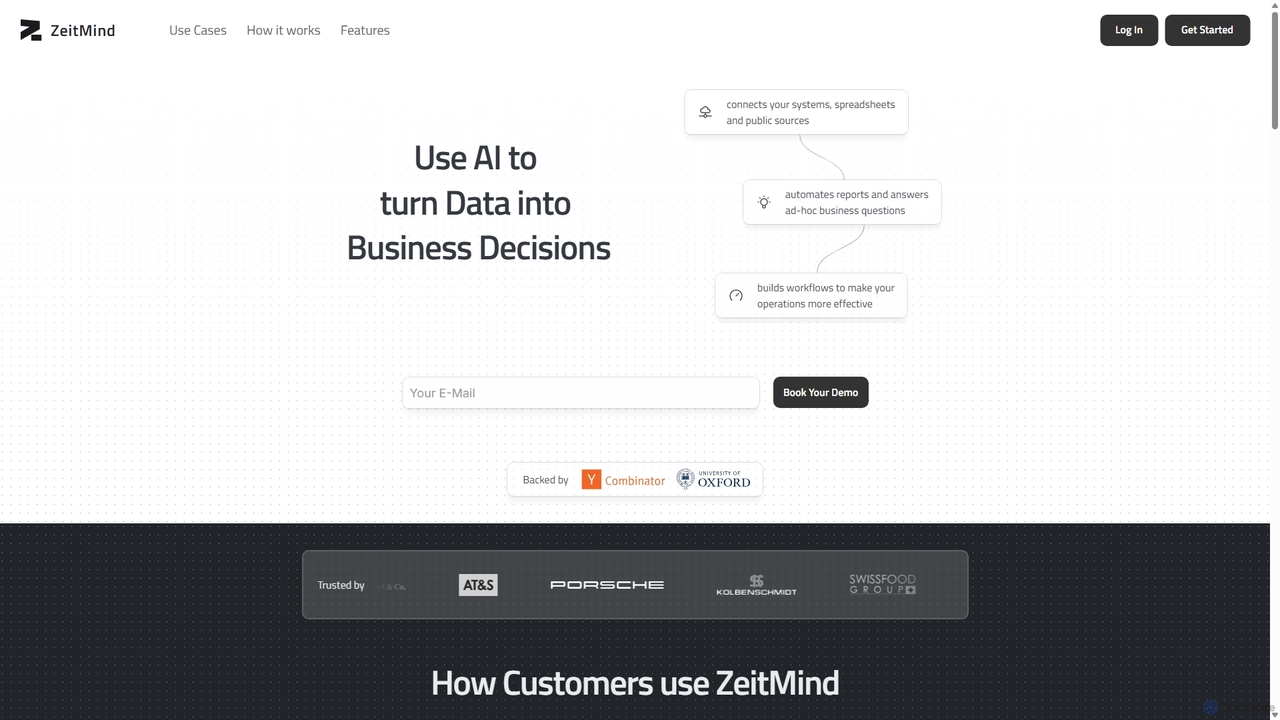
Zeit AI is an advanced business intelligence platform that uses AI to transform your company's data into actionable decisions. Connect various data sources, ask questions in natural language, and receive automated, explainable reports and insights to optimize operations and drive strategic growth.

Business Intelligence
Visits 10.7KFavorites 151Likes 151
Lazy Admin

Lazy Admin

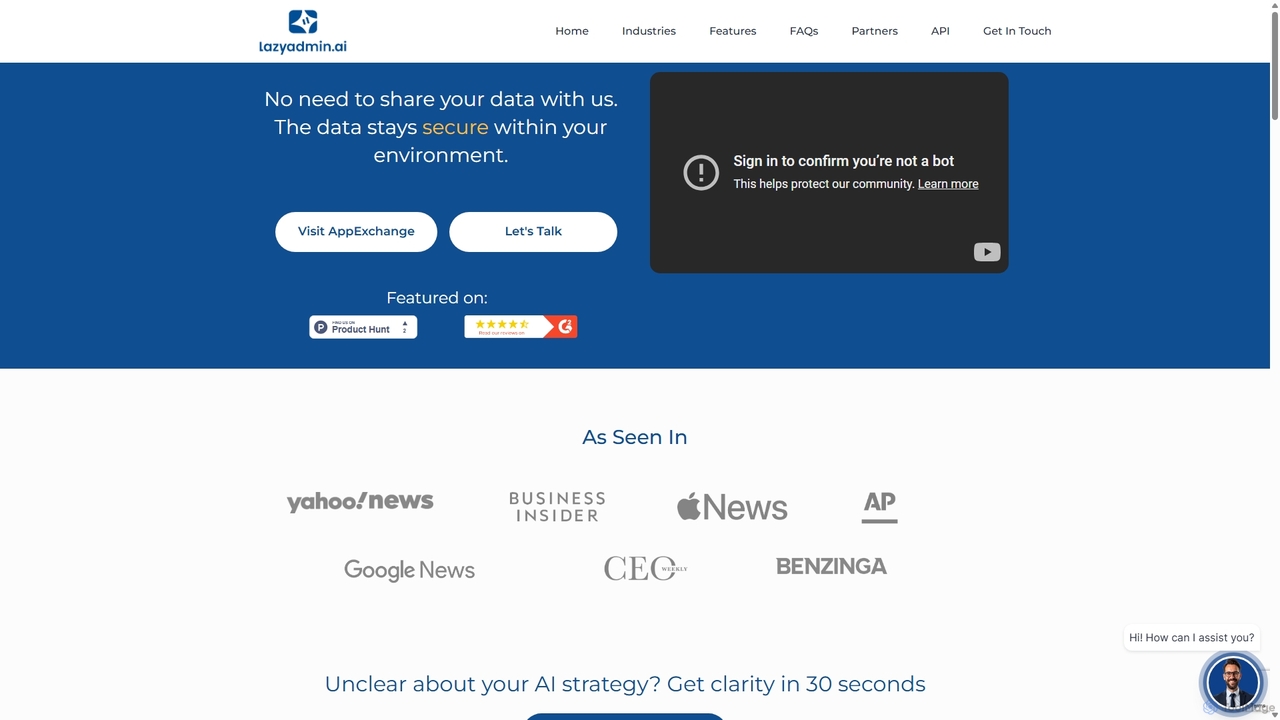
Lazy Admin is an AI-powered data analysis and reporting solution designed primarily for Salesforce. It enables users to query data, generate charts, and create dashboards using natural language. The tool emphasizes security by keeping all data within your environment and can be personalized to understand your specific business terminology, making data insights accessible to everyone on your team.

Business Intelligence
Visits 5.9KFavorites 199Likes 167
Markey
Paid

Markey

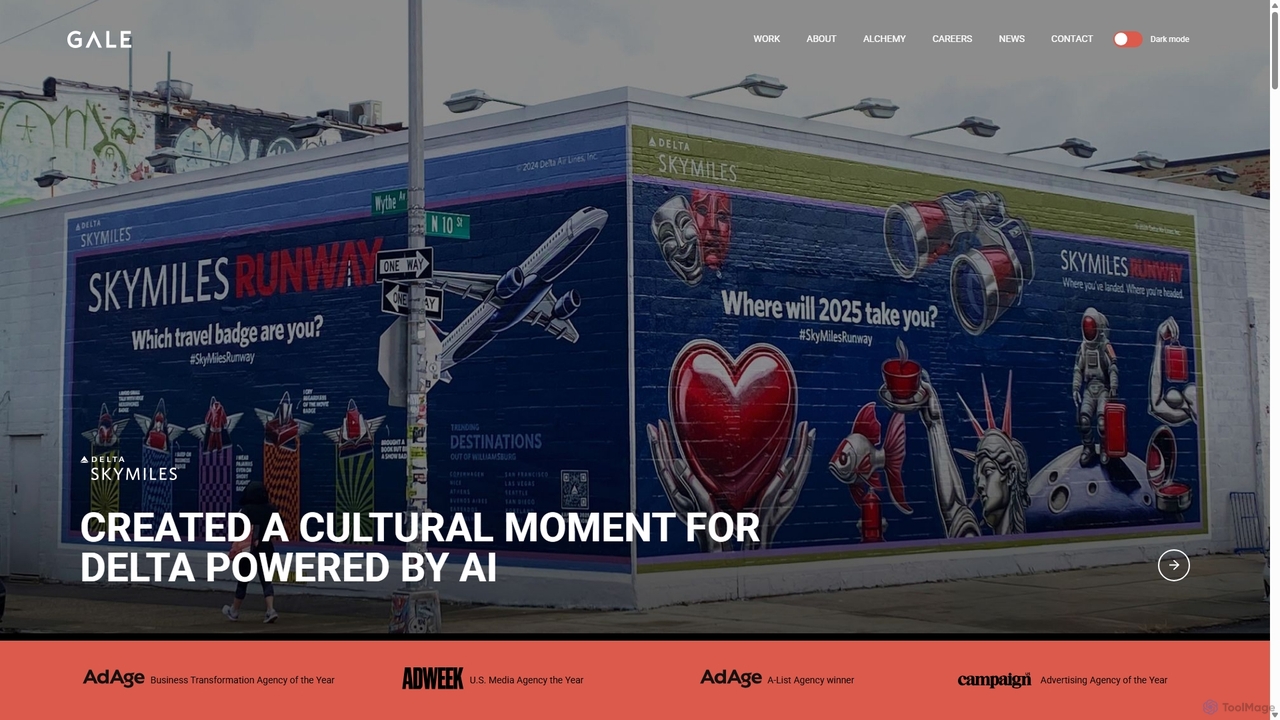
Markey is an AI-powered business transformation and marketing platform developed by the award-winning agency GALE. It integrates data analytics, creative insights, and media buying to drive business growth. The platform is designed for marketers and strategists to optimize campaigns, understand consumer behavior, and achieve transformative results with predictive intelligence.

Business Intelligence
Visits 6KFavorites 154Likes 124
7gc
Freemium

7gc

7gc is a next-generation AI-powered platform for business intelligence and workflow automation. It integrates disparate data sources, provides predictive analytics, and enables users to build intelligent, automated processes without code, transforming raw data into actionable insights and operational efficiency.

Business Intelligence
Visits 5.8KFavorites 136Likes 120
Kyligence

Kyligence

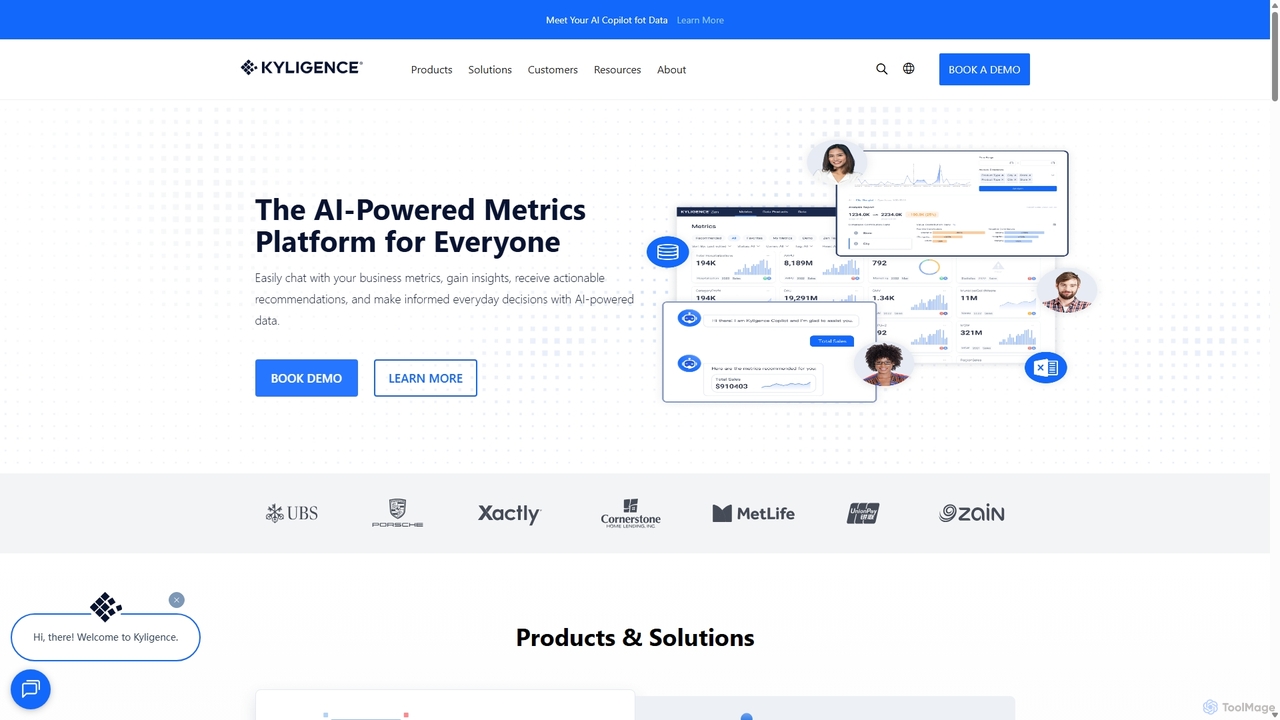
Kyligence is an AI-powered metrics platform that revolutionizes data analytics. It features an AI Copilot, allowing users to chat with business metrics in natural language to gain insights, receive recommendations, and make informed decisions. The platform unifies metrics, provides a high-performance OLAP engine for petabyte-scale data, and connects seamlessly with existing BI tools, democratizing data for everyone in the organization.

Business Intelligence
Visits 13.1KFavorites 149Likes 147
Lightfield

Lightfield

Lightfield is an AI-powered CRM that redefines customer relationship management by automatically capturing every interaction—from emails and meetings to support tickets. It unifies structured and unstructured data, allowing teams to ask natural language questions to uncover deep insights, automate workflows, and focus on building stronger customer relationships.

Business Intelligence
Visits 106.7KFavorites 130Likes 129
Blitzllama
Freemium

Blitzllama

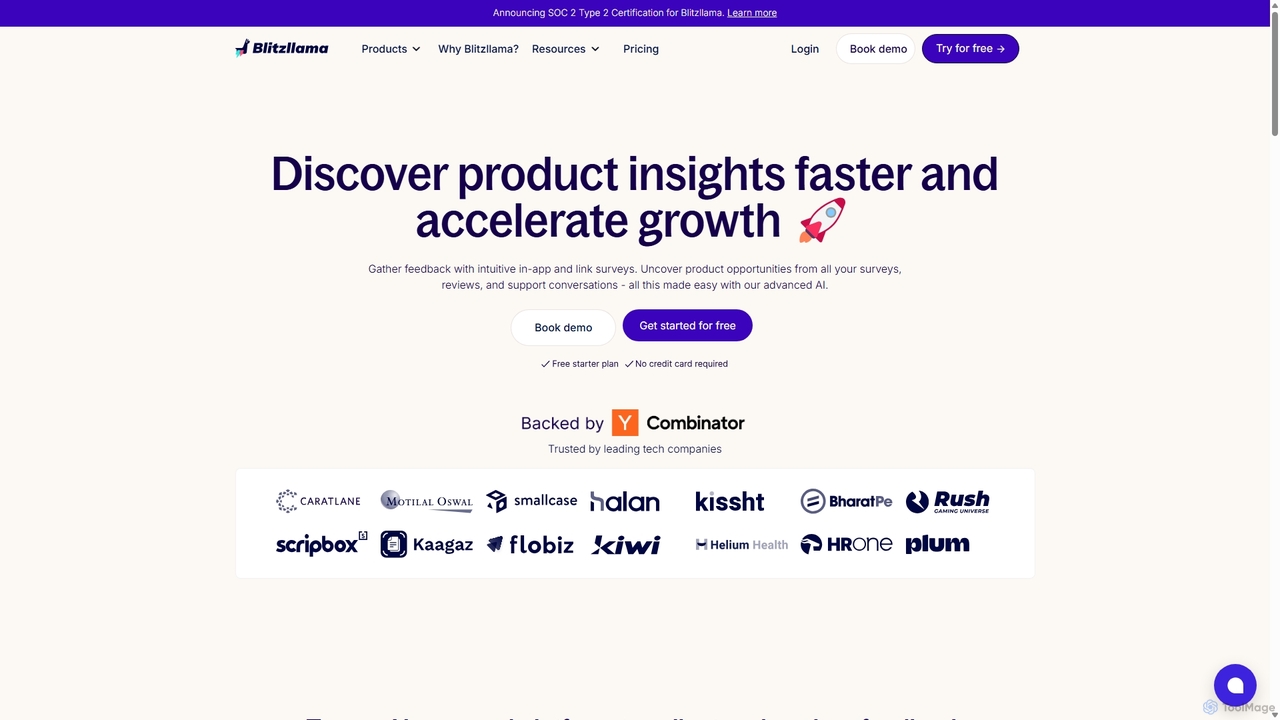
Blitzllama is an AI-powered product insights platform designed to help teams collect and analyze customer feedback. It unifies in-app surveys, app store reviews, and support conversations, using AI to automatically surface actionable insights, identify trends, and prioritize product improvements, accelerating data-driven growth.

Business Intelligence
Visits 27KFavorites 175Likes 172
Othor AI
Freemium

Othor AI

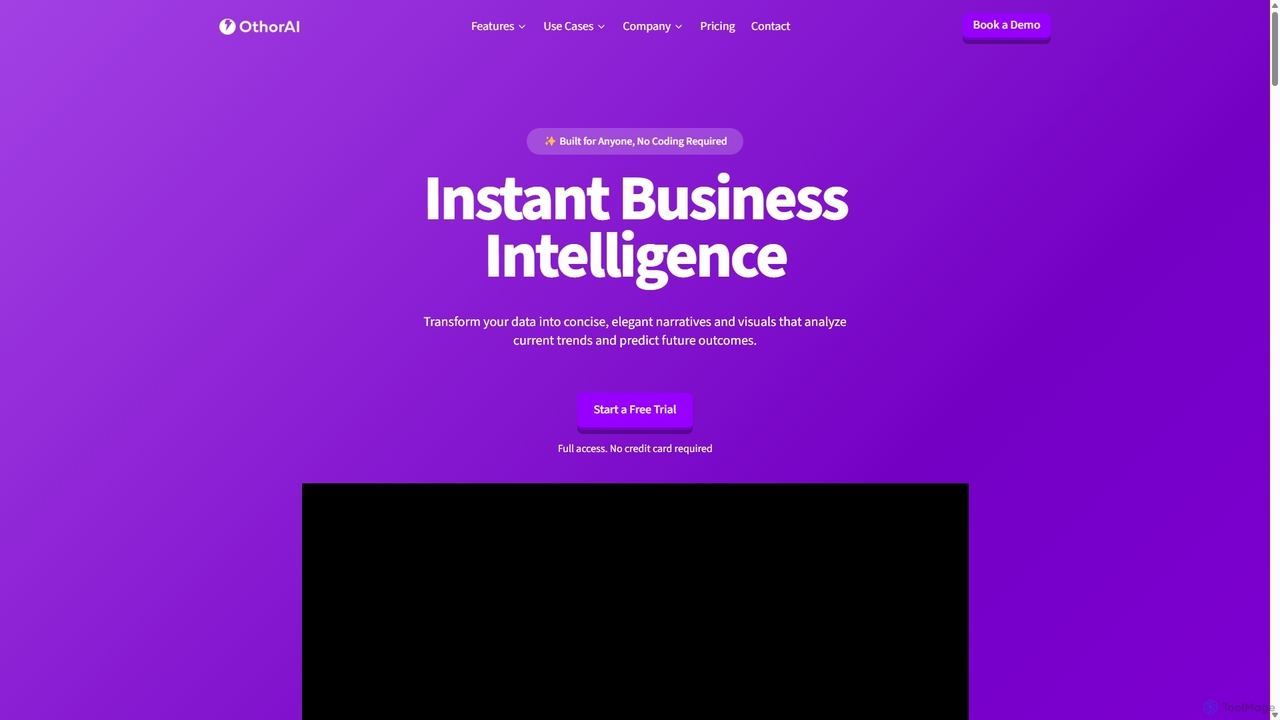
Othor AI is a no-code business intelligence platform that transforms your data into actionable insights in seconds. It automatically generates narrative-driven reports, smart charts, and predictive analytics, enabling anyone in your organization to make faster, data-driven decisions without technical expertise. Connect your data sources and get instant dashboards and executive summaries.

Business Intelligence
Visits 7.3KFavorites 188Likes 199
Upsolve AI
Paid

Upsolve AI

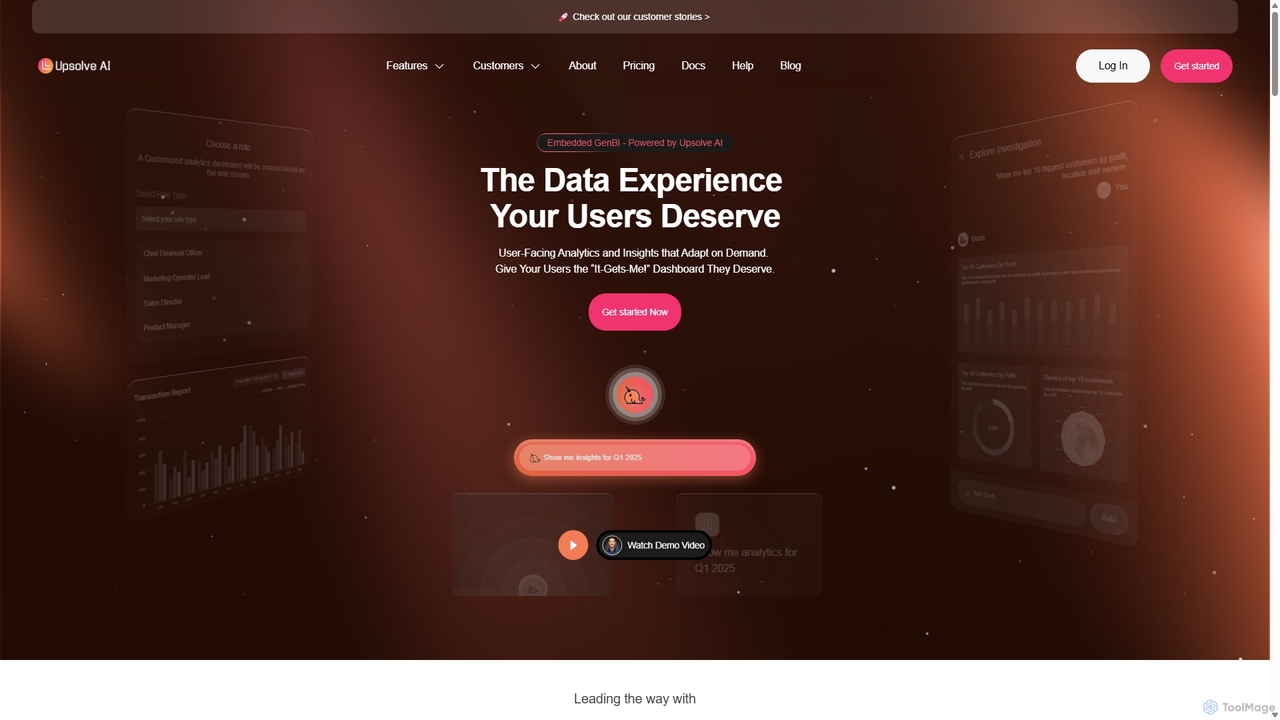
Upsolve AI is an embedded Generative Business Intelligence (GenBI) platform that enables SaaS companies to integrate AI-powered, hyper-personalized analytics dashboards directly into their products. It allows end-users to interact with data using natural language, providing actionable insights and a seamless, self-service data experience without requiring extensive development resources.

Business Intelligence
Visits 14.5KFavorites 123Likes 120
Polymer Search
Freemium

Polymer Search

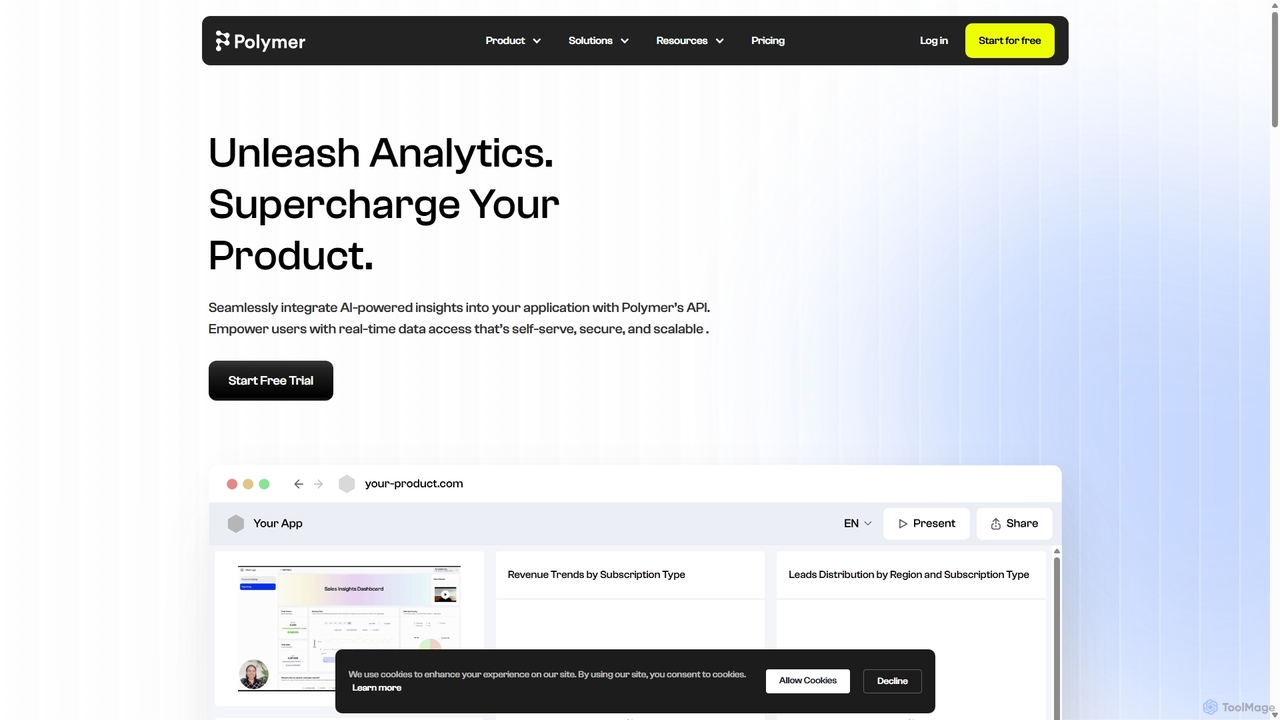
Polymer Search is an AI-driven embedded analytics platform designed to supercharge products with powerful, white-labeled data visualizations. It enables seamless integration of beautiful dashboards and reports directly into your application, empowering users with self-serve analytics and AI-generated insights, all with minimal development effort.

Business Intelligence
Visits 25.7KFavorites 137Likes 142
Supadash
Freemium

Supadash

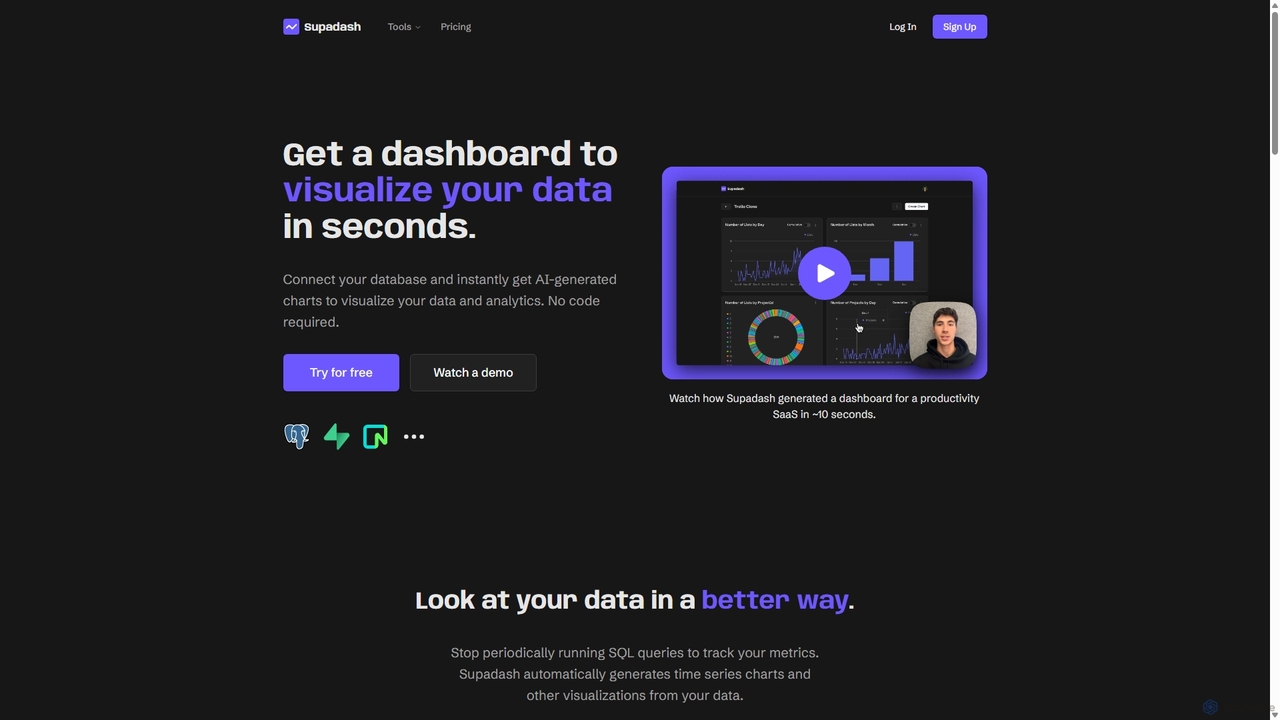
Supadash is an AI-powered, no-code platform that instantly generates visual dashboards from your database. Connect your data source, and within seconds, Supadash's AI analyzes your tables and creates insightful charts and analytics. It's designed for developers, startups, and teams who need to track key metrics without writing complex SQL queries, transforming raw data into actionable insights effortlessly.

Business Intelligence
Visits 6.1KFavorites 152Likes 152
Powerdrill
Freemium

Powerdrill

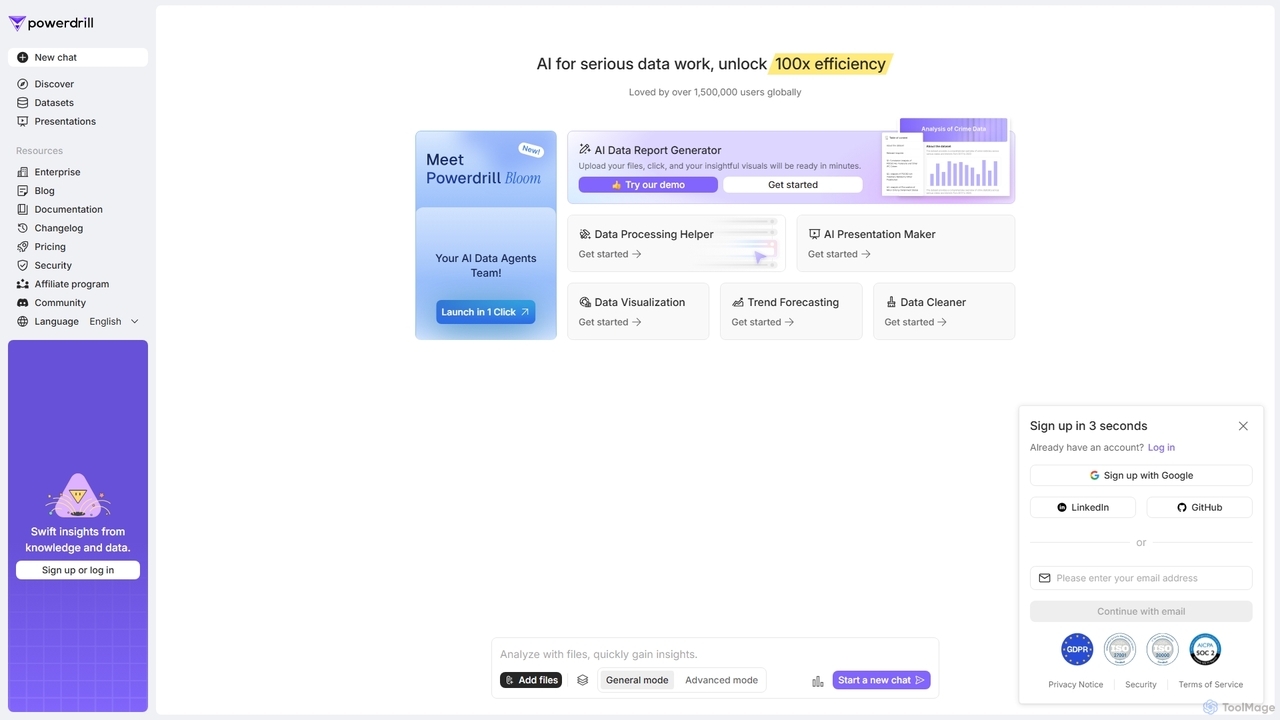
Powerdrill is an AI-powered data analysis platform designed for serious data work, enabling users to unlock 100x efficiency. It automates the entire process from data processing and cleaning to visualization, report generation, and trend forecasting. Simply upload your files (Excel, CSV, PDF) or connect to a database, and let the AI generate actionable insights, interactive charts, and comprehensive presentations in minutes.

Business Intelligence
Visits 145.2KFavorites 126Likes 131
xyzt.ai
Paid

xyzt.ai

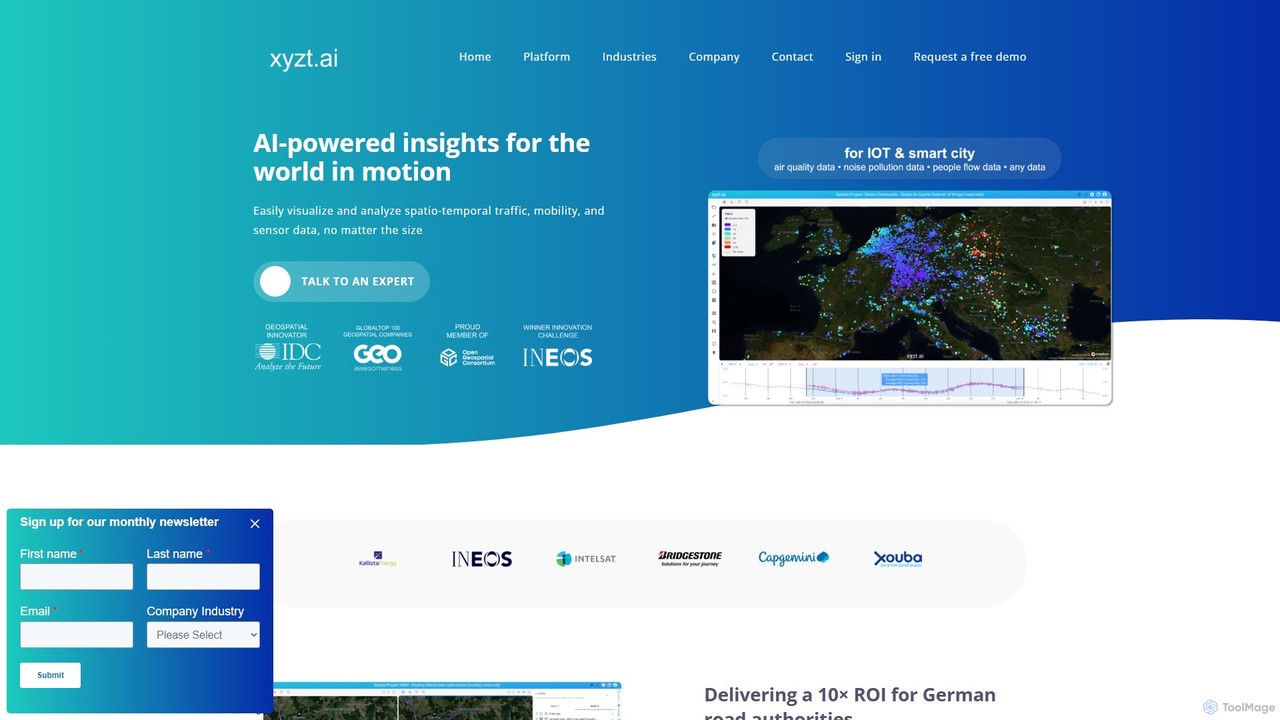
xyzt.ai is a powerful AI-driven platform for visualizing and analyzing large-scale spatio-temporal data. It specializes in mobility, traffic, and IoT sensor data, enabling users to gain insights from complex datasets through an intuitive, self-service interface. With features like GenAI-powered natural language queries, anomaly detection, and robust dashboarding, it helps organizations in transportation, maritime, and logistics optimize operations, enhance safety, and monetize their data investments.

Business Intelligence
Visits 8KFavorites 112Likes 117
Aion
Freemium

Aion

Aion is an AI-powered executive assistant designed for CEOs, founders, and business leaders. It streamlines strategic decision-making by providing data-driven insights, automated reporting, and intelligent communication support, allowing you to focus on growth and innovation.

Business Intelligence
Visits 9.8KFavorites 139Likes 123
Colors AI
Paid

Colors AI

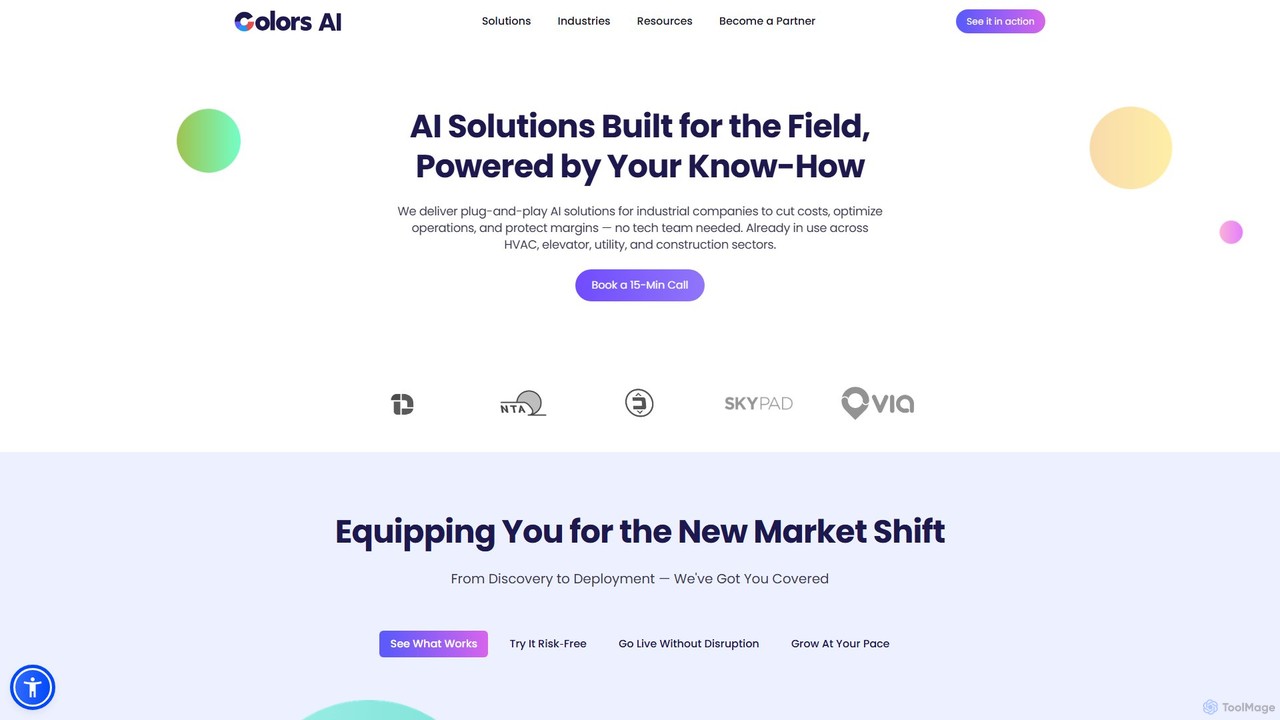
Colors AI provides plug-and-play AI agents for industrial companies, transforming internal documents like manuals and logs into actionable business intelligence. Designed for sectors like HVAC, construction, and utilities, it helps cut costs, optimize operations, and improve decision-making without needing a dedicated tech team.

Business Intelligence
Visits 5.9KFavorites 171Likes 165
alltum.io
Freemium

alltum.io

alltum.io is an AI-powered business intelligence platform that unifies data from various sources, providing actionable insights through interactive dashboards, predictive analytics, and automated reporting. It empowers businesses of all sizes to make smarter, data-driven decisions effortlessly.

Business Intelligence
Visits 5.8KFavorites 128Likes 131
Chat2DB
Freemium

Chat2DB

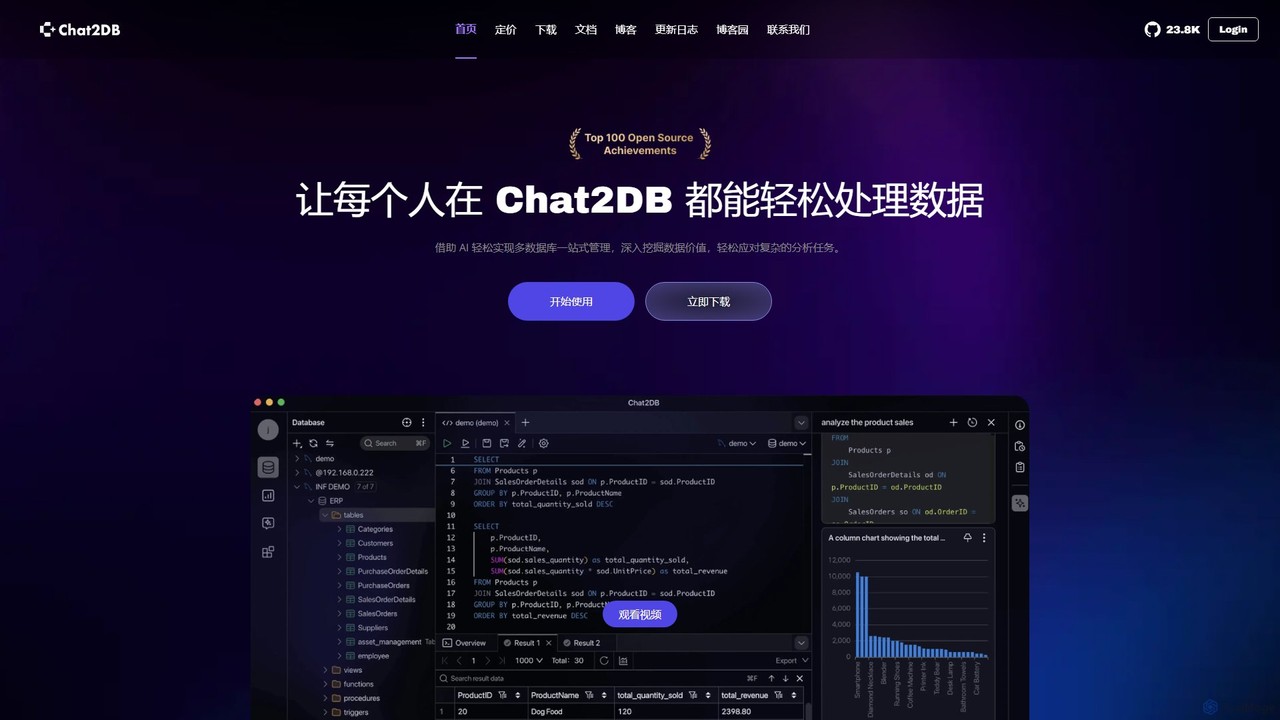
Chat2DB is an intelligent, all-in-one database management tool powered by AI. It supports over 30 databases, including MySQL, PostgreSQL, and MongoDB, allowing users to manage, query, and analyze data using natural language. Features include AI SQL generation, data visualization, no-code dashboard creation, and robust security protocols, making it ideal for developers, analysts, and business users.

Business Intelligence
Visits 38.2KFavorites 151Likes 142
Infinity
Paid

Infinity

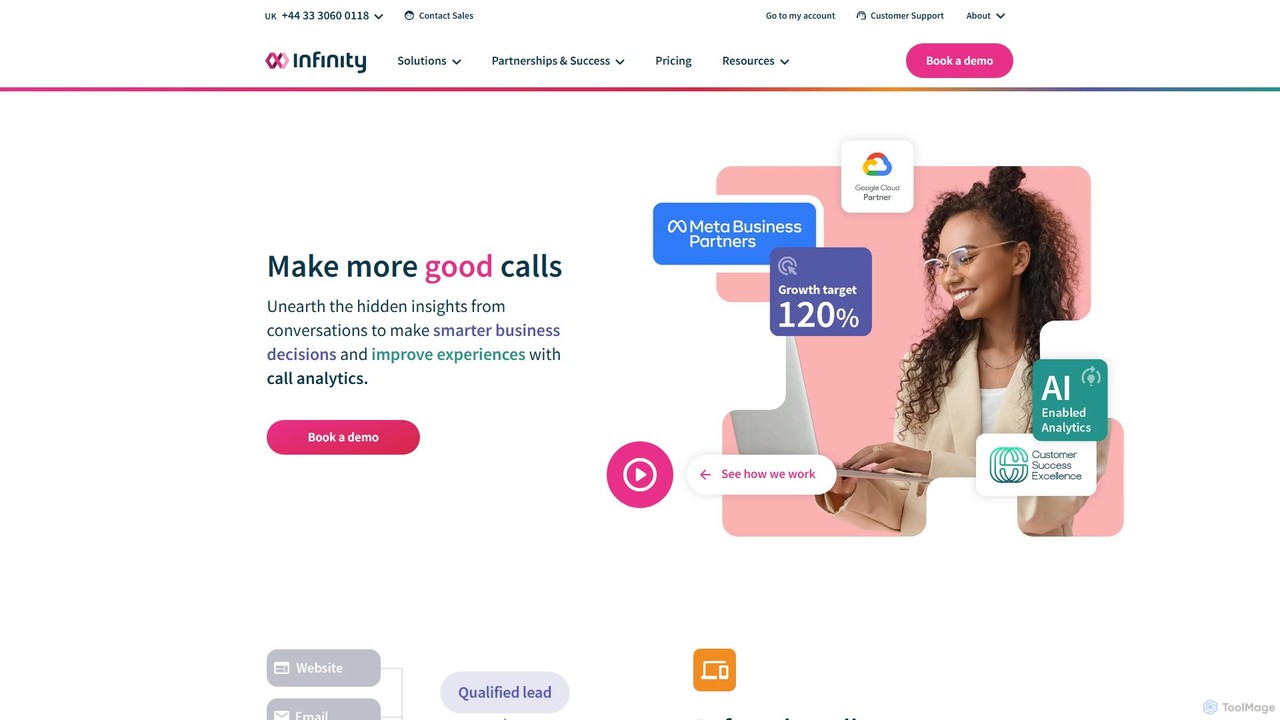
Infinity is an AI-powered call analytics and intelligence platform. It helps businesses optimize marketing, sales, and customer service by connecting the customer's digital journey to phone calls, analyzing conversations for key insights, and attributing revenue to specific marketing activities for data-driven decisions.

Business Intelligence
Visits 31.6KFavorites 113Likes 102
Querio
Freemium

Querio

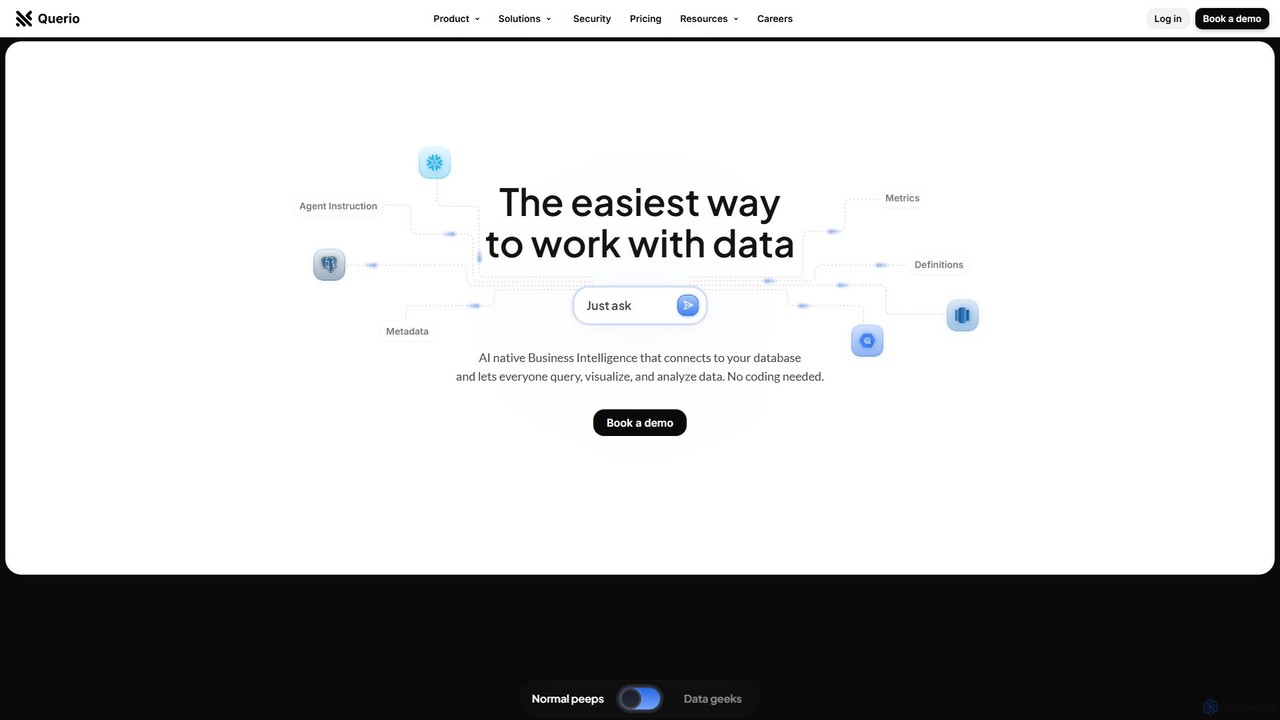
Querio is an AI-native Business Intelligence (BI) platform that allows teams to analyze their data using natural language. Connect directly to your database and ask questions to generate queries, visualizations, and reports without writing any code. It's designed for both technical and non-technical users to make data-driven decisions quickly.

Business Intelligence
Visits 54.9KFavorites 144Likes 140
DigiForge
Freemium

DigiForge

DigiForge is an AI-powered business intelligence and marketing automation platform designed to accelerate growth. It integrates data science with marketing strategy, offering tools for demand generation, brand acceleration, and performance analytics to provide businesses with a decisive digital advantage.

Business Intelligence
Visits 6KFavorites 128Likes 139
Nex AI
Paid

Nex AI

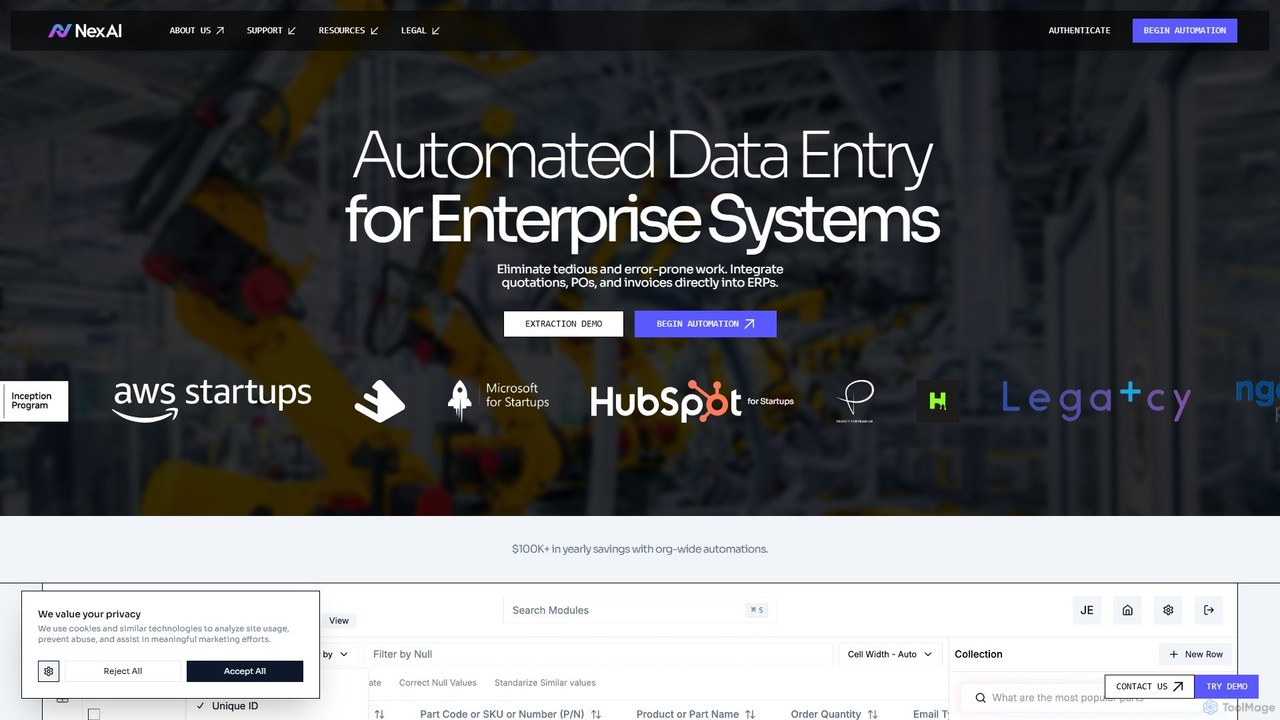
Nex AI is an enterprise-grade AI platform that automates data entry by extracting information from documents like quotations, POs, and invoices, and integrating it directly into ERP systems. It's designed for industries like manufacturing, healthcare, and education to eliminate manual work, reduce errors, and enhance operational efficiency.

Business Intelligence
Visits 6.5KFavorites 144Likes 119
Quadratic
Freemium

Quadratic

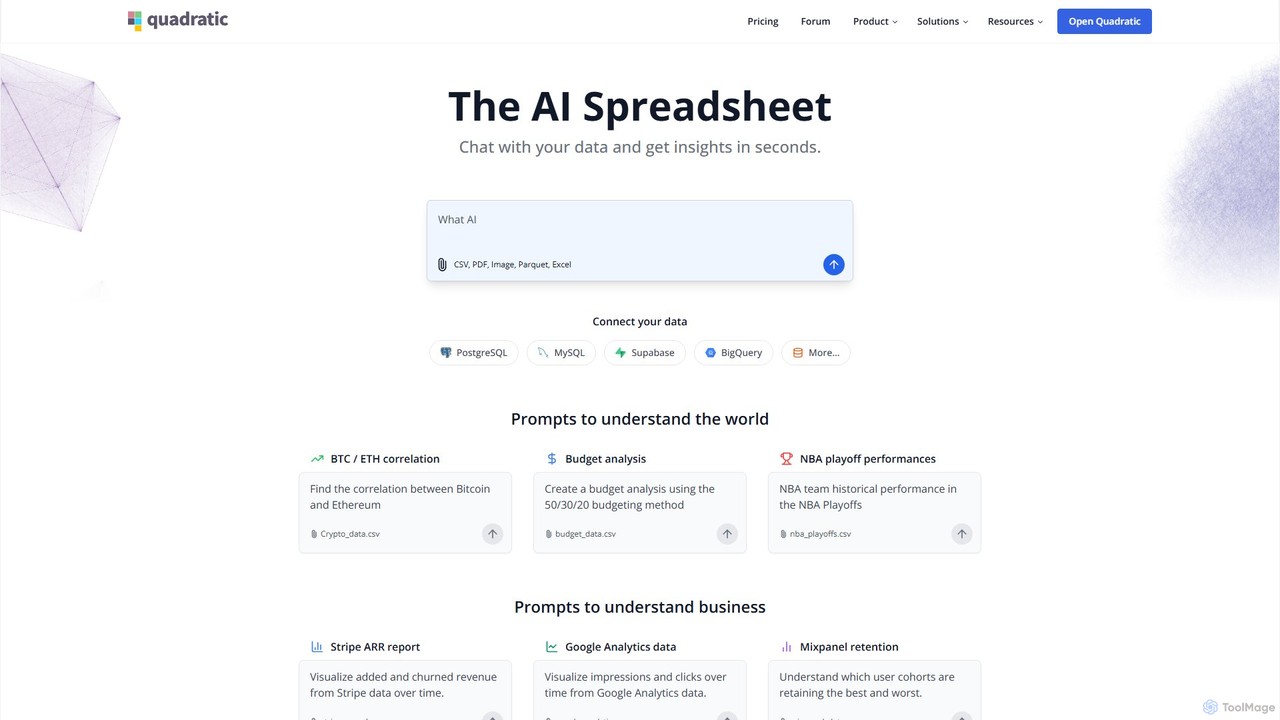
Quadratic is a powerful AI spreadsheet that integrates a familiar interface with Python, SQL, and natural language prompts. Connect directly to live databases, analyze data, extract information from PDFs, and create visualizations instantly. It's a secure, collaborative platform for data analysts, business professionals, and developers.

Business Intelligence
Visits 124.5KFavorites 122Likes 107
PaveAI
Freemium

PaveAI

PaveAI is an AI-powered analytics platform that automates the analysis of marketing data from sources like Google Analytics, AdWords, and Facebook Ads. It transforms complex data into actionable, natural-language insights and reports, helping businesses and agencies optimize strategies and increase ROI.

Business Intelligence
Visits 8KFavorites 148Likes 136
camelAI
Freemium

camelAI

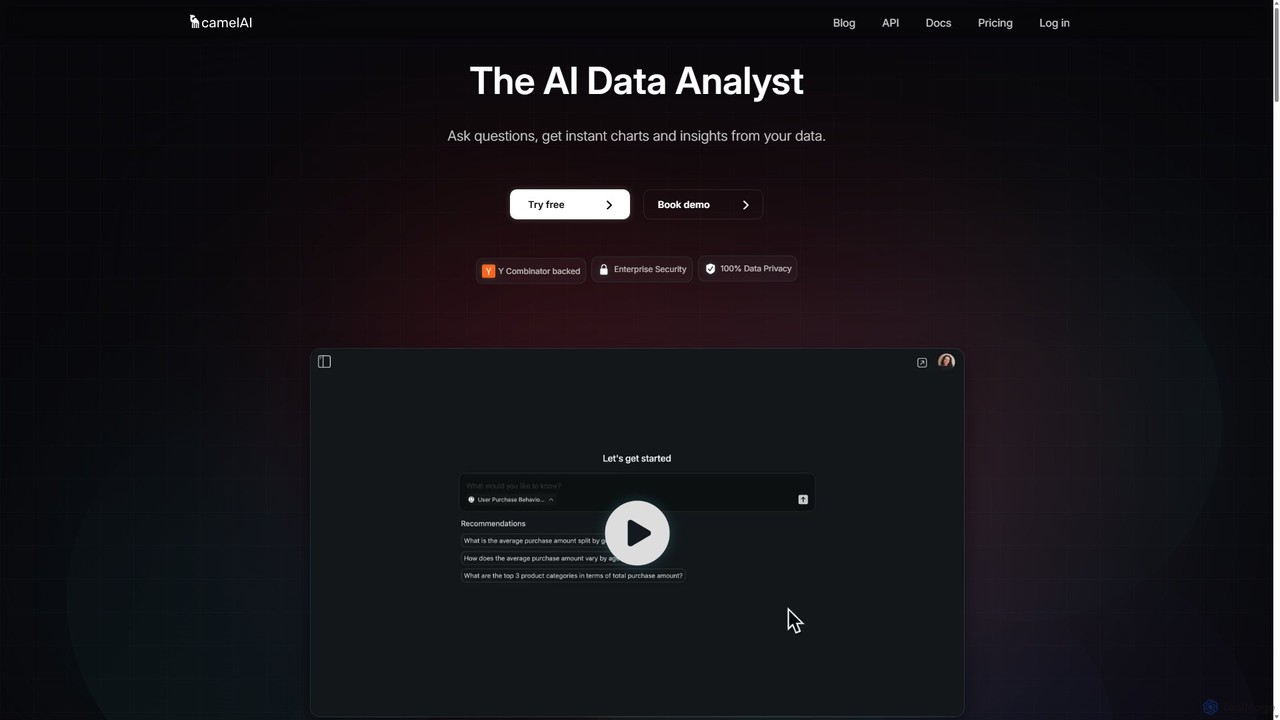
camelAI is an AI-powered data analysis platform that enables users to query their databases using natural language. It eliminates the need for SQL, providing instant answers with interactive charts and tables, making data-driven decision-making accessible to everyone in an organization.

Business Intelligence
Visits 43.6KFavorites 158Likes 151
About Business Intelligence

Business Intelligence (BI) tools are AI-powered solutions that transform raw business data into actionable insights. They leverage advanced analytics, machine learning, and data visualization to help organizations understand past performance, monitor current operations, and predict future trends. These tools empower decision-makers to make data-driven choices, optimize strategies, and identify new opportunities within the broader business landscape.

Core Features

  • Data Integration & ETL: Connects to various data sources, extracts, transforms, and loads data for analysis.
  • Interactive Dashboards: Creates dynamic, visual representations of key performance indicators (KPIs) and metrics.
  • Predictive Analytics: Uses AI and machine learning to forecast future outcomes and identify potential risks or opportunities.
  • Ad-hoc Querying & Reporting: Allows users to perform on-demand data queries and generate custom reports without IT intervention.
  • Alerts & Notifications: Automatically notifies users of significant changes or anomalies in data that require attention.

Use Cases

Business Intelligence tools are essential for various roles across industries. Marketing teams use them to analyze campaign performance and customer behavior, while sales departments track pipeline health and identify top-performing products. Finance professionals leverage BI for budget analysis and financial forecasting, enabling more strategic resource allocation and risk management.

How to Choose

When selecting a Business Intelligence tool, consider its data integration capabilities with your existing systems, the intuitiveness of its user interface for your team, and its scalability to handle growing data volumes. Evaluate the range of analytical features, including predictive modeling and real-time reporting, and compare pricing models to ensure it aligns with your budget and long-term needs.

Featured tool rankings

Business Intelligence use cases

1

Optimizing Sales Performance

Sales managers utilize BI tools to track regional sales performance, identify top-selling products, and analyze customer purchasing patterns. By visualizing these trends on interactive dashboards, they can quickly pinpoint underperforming areas, allocate resources more effectively, and develop targeted sales strategies to boost revenue and market share. This data-driven approach helps in setting realistic targets and improving overall sales efficiency.

2

Enhancing Marketing Campaign Effectiveness

Marketing analysts employ BI platforms to consolidate data from various channels like social media, email campaigns, and website analytics. They can then analyze customer engagement, conversion rates, and campaign ROI in real-time. This allows for immediate adjustments to ongoing campaigns, personalized content delivery, and a deeper understanding of customer segments, leading to more effective marketing spend and higher conversion rates.

3

Streamlining Financial Reporting and Forecasting

Finance departments leverage BI tools to automate the aggregation of financial data from ERP systems, accounting software, and spreadsheets. This enables them to generate comprehensive financial reports, perform variance analysis against budgets, and create accurate revenue and expense forecasts. The ability to drill down into specific financial metrics supports better budget allocation, risk assessment, and strategic financial planning.

4

Improving Operational Efficiency in Manufacturing

Operations managers in manufacturing use BI dashboards to monitor key production metrics such as machine uptime, defect rates, and inventory levels. By visualizing real-time data, they can quickly identify bottlenecks, predict equipment failures, and optimize supply chain logistics. This proactive approach minimizes downtime, reduces waste, and ensures smoother production processes, leading to significant cost savings and improved output quality.

5

Personalizing Customer Experience in Retail

Retail businesses deploy BI solutions to analyze vast amounts of customer transaction data, loyalty program information, and browsing history. This helps them understand individual customer preferences, predict future purchasing behavior, and segment customers for targeted promotions. By offering personalized product recommendations and tailored shopping experiences, retailers can enhance customer satisfaction, increase repeat purchases, and build stronger brand loyalty.

6

Strategic Human Resources Planning

HR professionals use BI tools to analyze workforce data, including employee turnover rates, recruitment effectiveness, and training program impact. By identifying trends in employee engagement and performance, they can develop data-backed strategies for talent acquisition, retention, and development. This leads to a more engaged workforce, reduced recruitment costs, and a stronger organizational culture, aligning HR initiatives with overall business goals.

Business Intelligence FAQ

What are Business Intelligence (BI) tools?

Business Intelligence (BI) tools are software applications that collect, process, analyze, and visualize large volumes of business data to provide actionable insights. They help organizations understand past performance, monitor current operations, and predict future trends by transforming raw data into meaningful reports and interactive dashboards. These tools are crucial for data-driven decision-making across various departments, from sales and marketing to finance and operations.

How do Business Intelligence tools differ from traditional reporting tools?

While both generate reports, BI tools offer much more than traditional reporting. Traditional tools primarily present historical data in static reports, focusing on "what happened." BI tools, however, provide interactive dashboards, advanced analytics (including predictive and prescriptive), and self-service capabilities, allowing users to explore data, ask "why it happened," and even "what will happen." They are dynamic, enabling deeper insights and proactive decision-making.

What are the key benefits of implementing Business Intelligence?

Implementing Business Intelligence offers several key benefits. It enables faster and more informed decision-making by providing real-time insights into business performance. Organizations can identify trends, optimize operations, and uncover new opportunities, leading to increased efficiency and profitability. BI also enhances customer satisfaction through a better understanding of customer behavior and helps in mitigating risks by predicting potential issues before they escalate.

Who typically uses Business Intelligence tools within an organization?

Business Intelligence tools are used by a wide range of professionals across an organization, not just data analysts. This includes executives and senior management for strategic planning, department heads (e.g., marketing, sales, finance, HR) for operational oversight and performance tracking, and even frontline employees who need data to make daily decisions. The goal is to democratize data access, empowering all levels to make data-driven choices.

How to choose the right Business Intelligence tool for my business?

Choosing the right BI tool involves evaluating several factors. First, assess your specific business needs and the types of data you need to analyze. Consider the tool's data integration capabilities with your existing systems, its ease of use for non-technical users, and the range of analytical features it offers (e.g., dashboards, predictive analytics). Also, evaluate its scalability, security features, vendor support, and pricing model to ensure it aligns with your budget and long-term strategic goals.