ToolMage
Sign in

Best 92 Data Analysis AI tools for Business

Popular Data Analysis AI tools in Business include Gnius.ai, Mulerun, Landeed, Adxcel, Humata, Nyckel, LiveFlow, Coefficient, Speak Ai, and Simple Analytics, helping you work more efficiently.

ionyxai
Freemium

ionyxai

ionyxai is an all-in-one AI-powered platform designed for businesses. It integrates data analytics, workflow automation, and generative AI to streamline operations, provide actionable insights, and drive growth. Ideal for marketing, sales, and operations teams seeking to enhance productivity and make data-driven decisions.

Data Analysis
Visits 5.6KFavorites 148Likes 162
Speak Ai
Freemium

Speak Ai

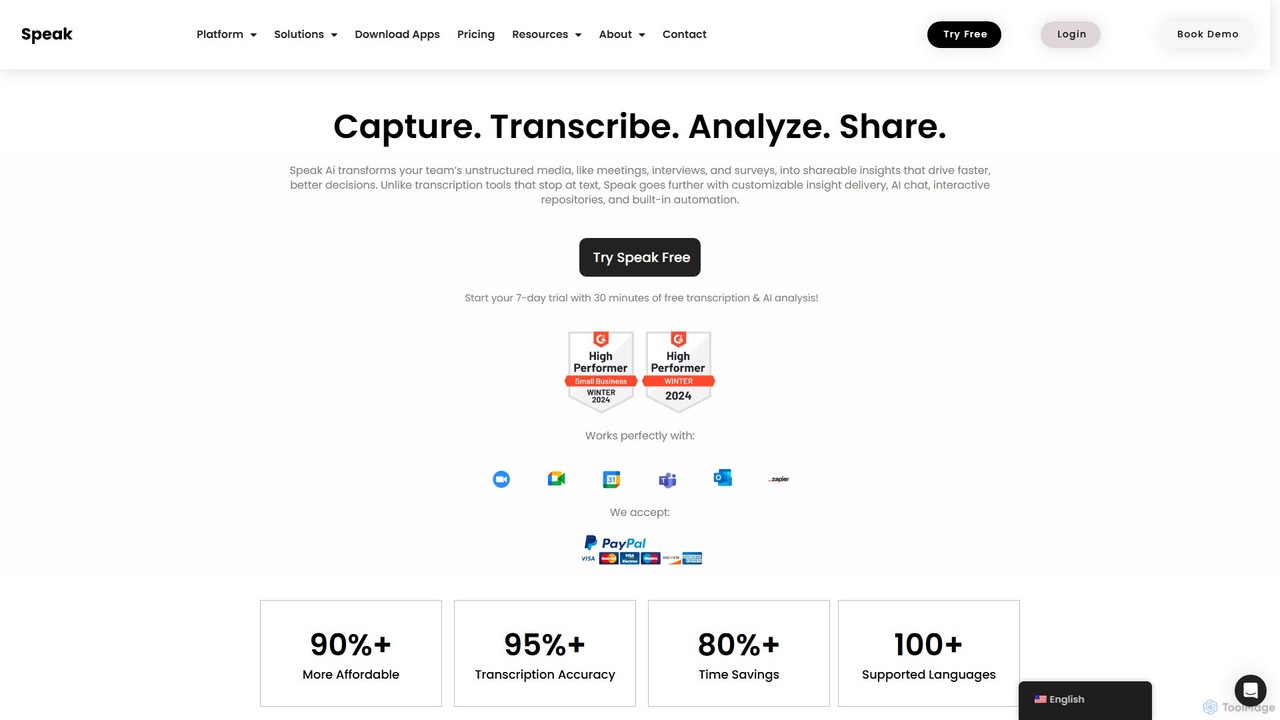
Speak Ai is an AI-powered platform that transcribes, analyzes, and visualizes audio, video, and text data. It transforms unstructured media from meetings, interviews, and surveys into actionable insights, featuring AI chat, shareable repositories, and powerful automation to facilitate faster, data-driven decision-making for teams and researchers.

Data Analysis
Visits 150.1KFavorites 156Likes 126
LiveFlow
Paid

LiveFlow

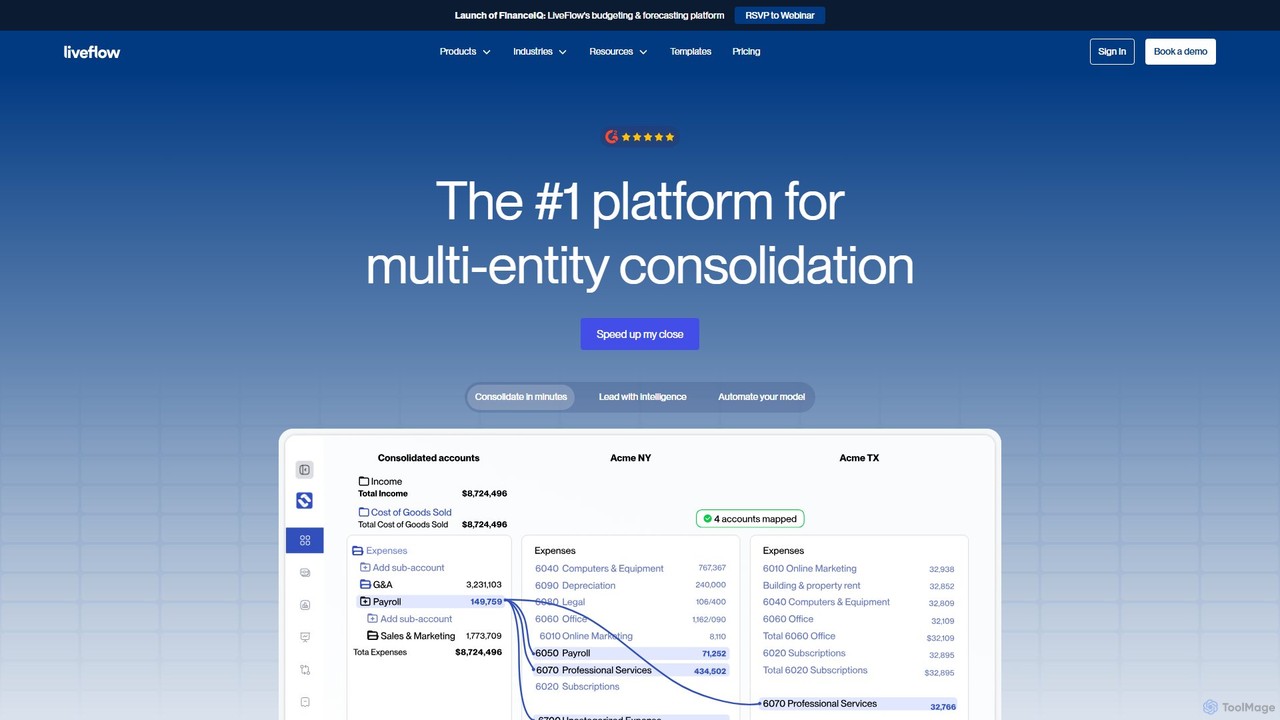
LiveFlow is the #1 finance platform for automating financial reporting and consolidation. It connects live data from QuickBooks, Xero, and other sources directly into Google Sheets and Excel, eliminating manual work and providing real-time insights for finance teams and accounting firms.

Data Analysis
Visits 176KFavorites 100Likes 105
Lifesight
Paid

Lifesight

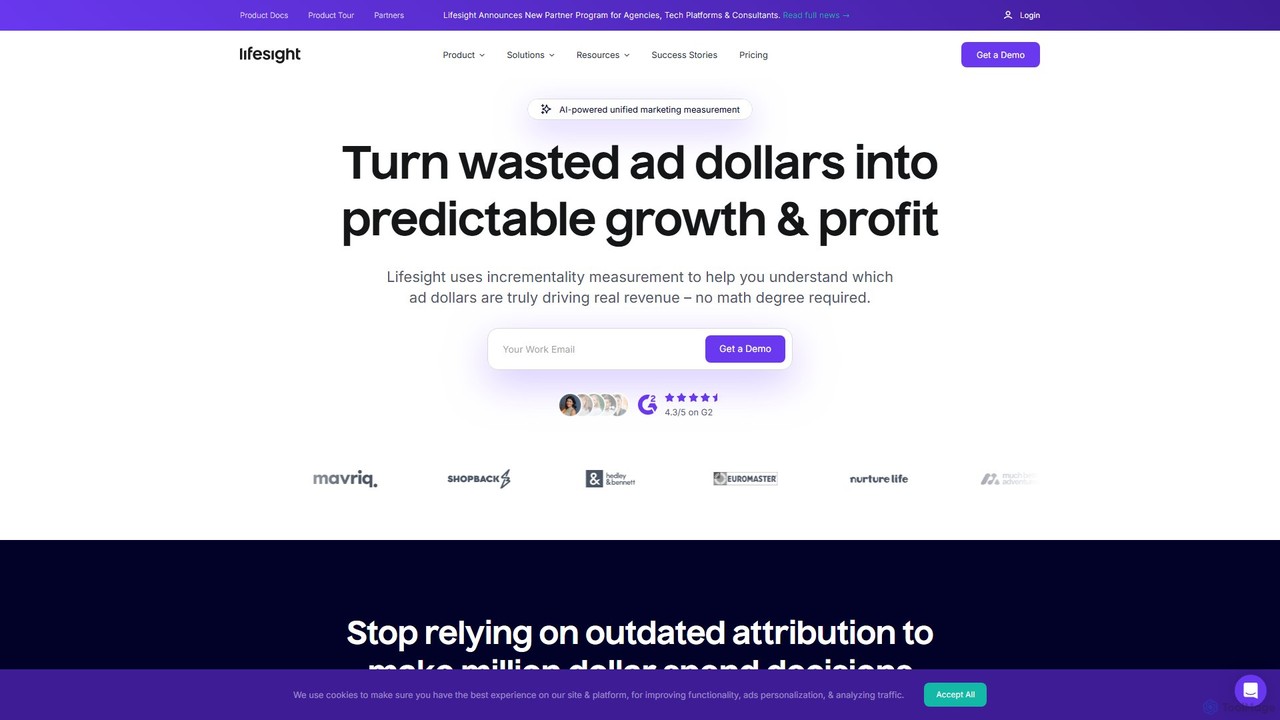
Lifesight is an AI-powered unified marketing measurement platform that helps businesses optimize ad spend and drive predictable growth. It uses advanced methodologies like Causal Marketing Mix Modeling (MMM), Incrementality Testing, and Causal Attribution to reveal the true impact of marketing activities. By moving beyond flawed traditional attribution, Lifesight provides actionable insights to maximize ROI and align marketing and finance teams.

Data Analysis
Visits 49.3KFavorites 117Likes 128
Balancio
Paid

Balancio

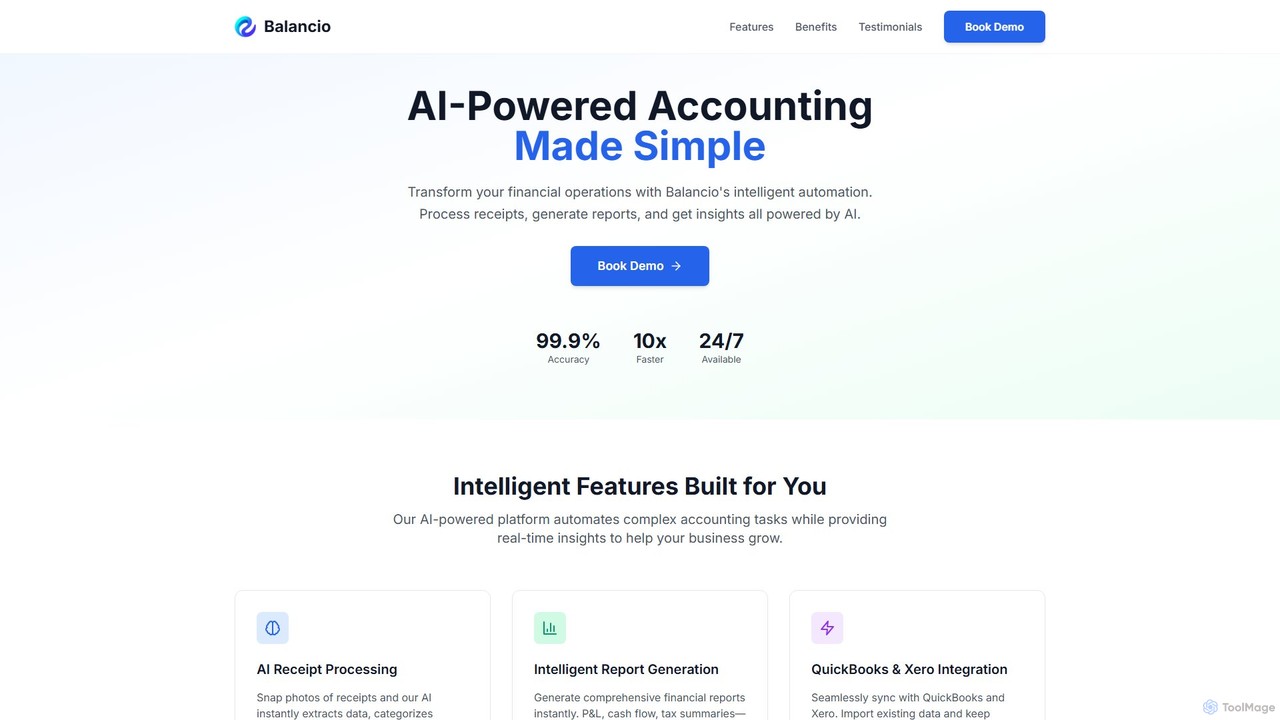
Balancio is an AI-powered accounting platform designed for modern businesses. It automates financial operations like receipt processing, expense categorization, and report generation with 99.9% accuracy. By integrating with QuickBooks and Xero, it provides real-time financial insights, tax optimization, and an AI assistant to streamline bookkeeping and foster business growth.

Data Analysis
Visits 9.5KFavorites 124Likes 133
Augmeta
Freemium

Augmeta

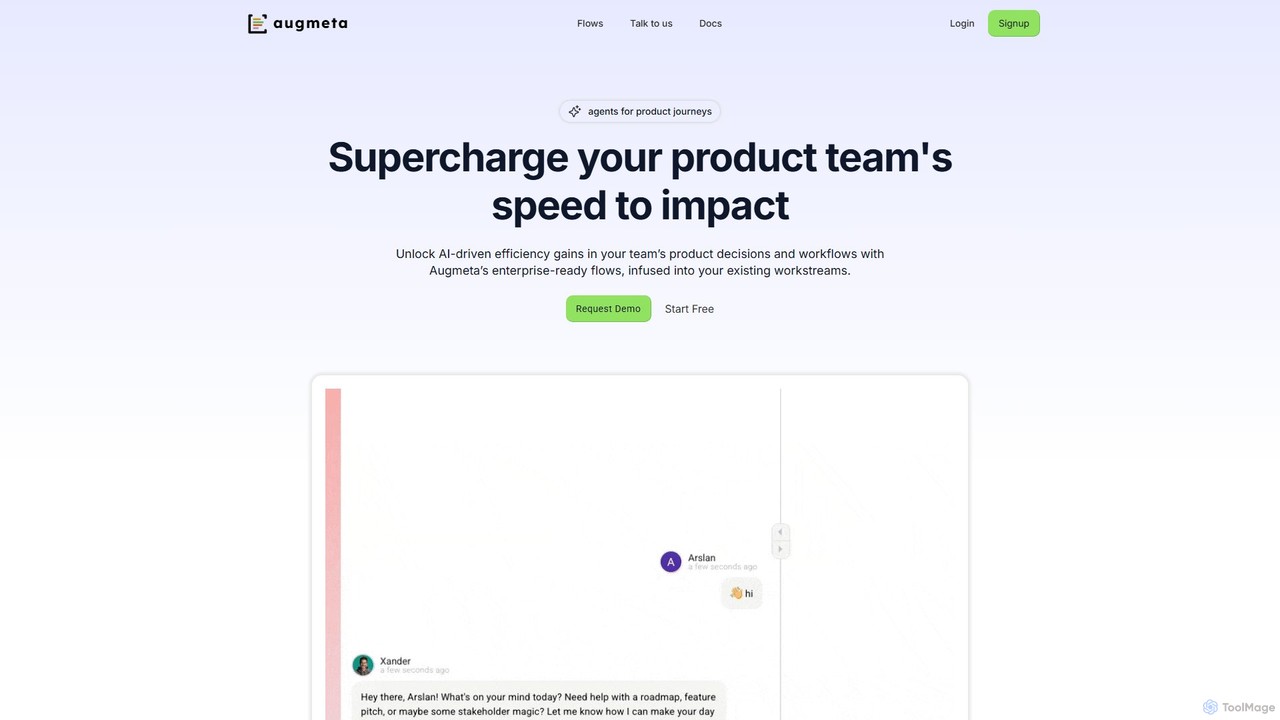
Augmeta is an AI-powered platform designed for product teams, featuring an AI agent named Xander. It centralizes fragmented workflows, automates insight generation, and accelerates decision-making. By integrating with existing tools, Augmeta provides context-aware intelligence for product discovery, planning, and execution, helping teams build better products faster.

Workflow Automation
Visits 6.6KFavorites 150Likes 152
Reportify
Freemium

Reportify

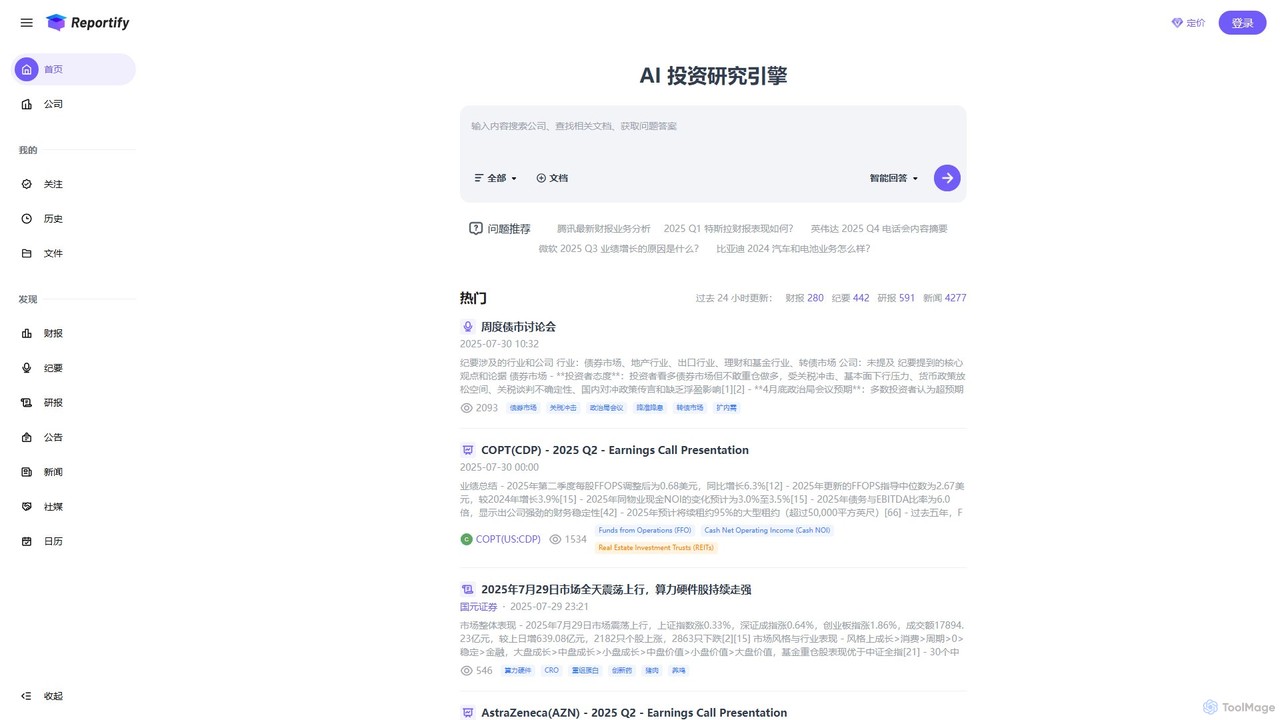
Reportify is an AI-powered investment research engine that aggregates and analyzes vast financial documents like earnings reports, conference calls, and research papers. It provides intelligent summaries, Q&A, and data extraction to help investors and analysts make informed decisions quickly and efficiently.

Data Analysis
Visits 74.9KFavorites 138Likes 152
Jsonify
Paid

Jsonify

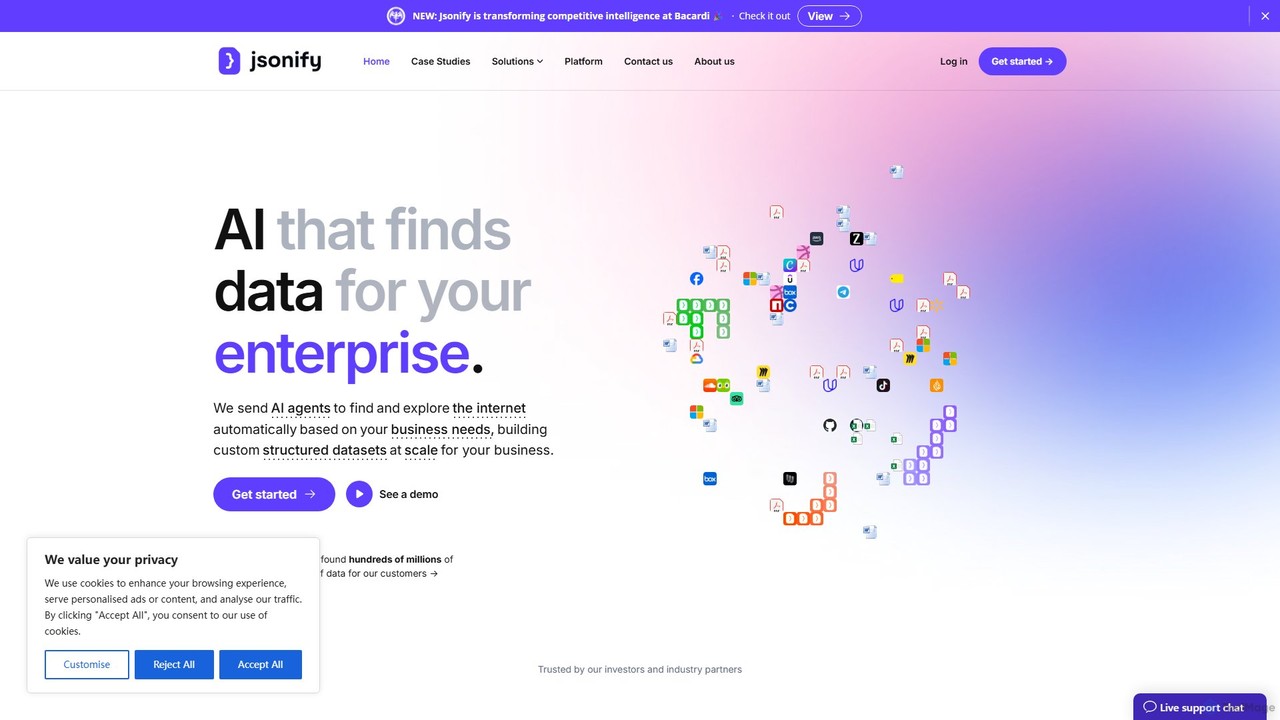
Jsonify is an AI-powered platform designed for enterprises to automatically find, extract, and structure data from various documents and web sources into clean JSON format. It streamlines data processing workflows, eliminating manual entry and enabling seamless integration via its robust API.

Data Analysis
Visits 8.4KFavorites 170Likes 142
docubro
Freemium

docubro

docubro is an AI-powered document intelligence platform designed to help users instantly summarize, query, and extract key information from complex documents. Upload PDFs, reports, or articles and interact with them through a conversational AI to boost productivity and accelerate research.

Data Analysis
Visits 5.6KFavorites 116Likes 125
Kaoffee
Freemium

Kaoffee

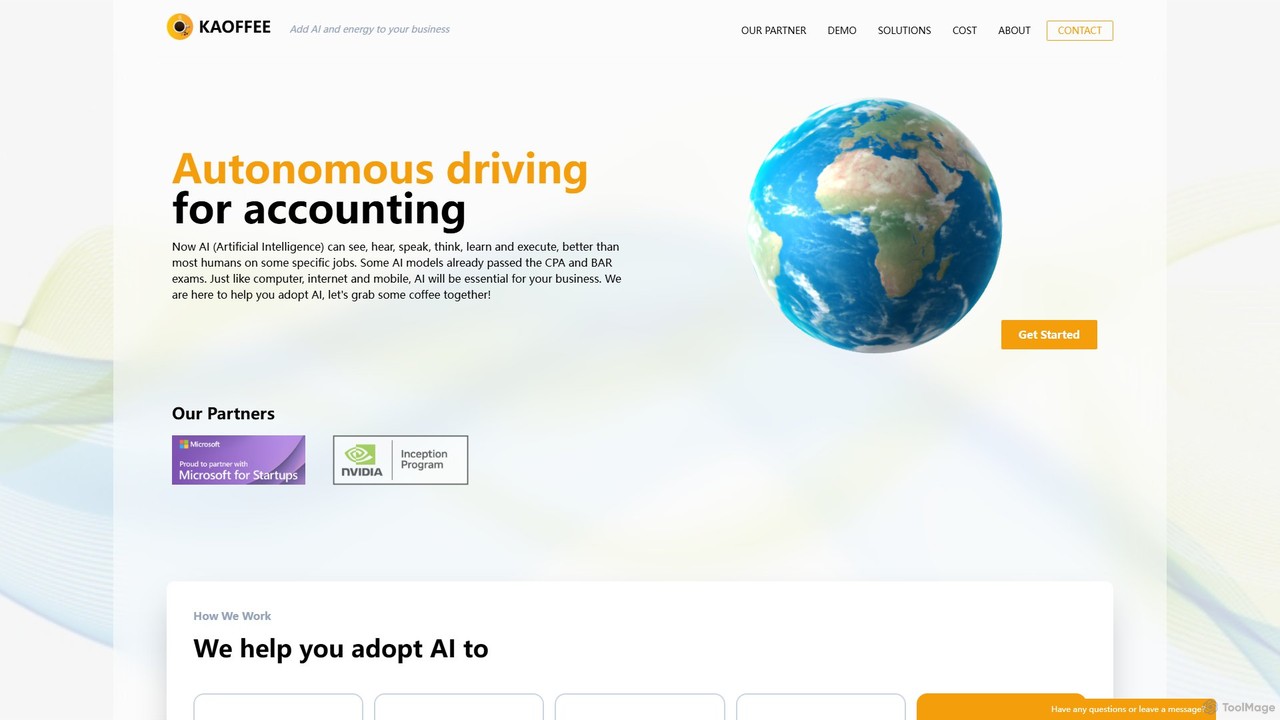
Kaoffee provides autonomous AI solutions for accounting, helping businesses automate tasks like bookkeeping, payroll, and tax filing. By leveraging advanced AI for vision, learning, and automation, it aims to reduce costs, increase productivity 24/7, and enhance financial security for business owners.

Data Analysis
Visits 5.6KFavorites 157Likes 138
Quantifind
Paid

Quantifind

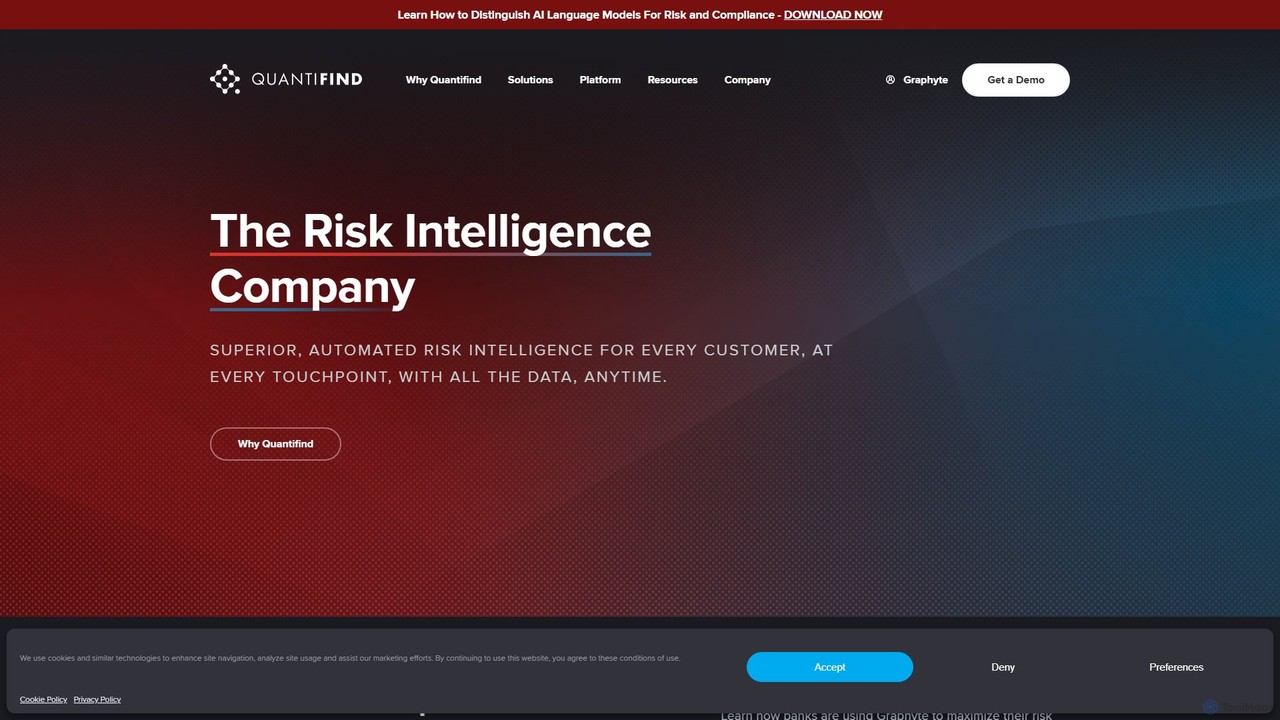
Quantifind is an AI-powered risk intelligence platform designed for financial crime automation. Its Graphyte™ solution helps banks, financial institutions, and government agencies automate Anti-Money Laundering (AML) and Know Your Customer (KYC) processes. By leveraging advanced data science, it streamlines screening and investigations, significantly reduces false positives, and enhances risk detection accuracy across vast datasets.

Data Analysis
Visits 15.9KFavorites 141Likes 160
Nuclia
Freemium

Nuclia

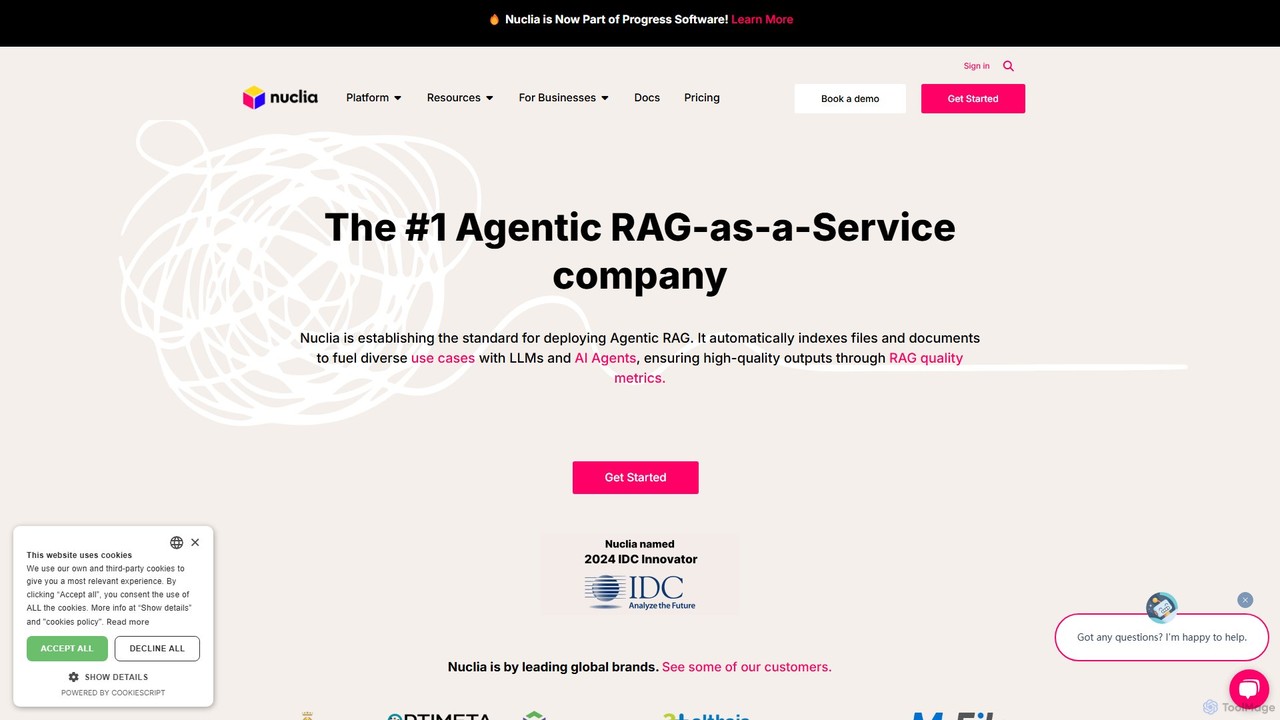
Nuclia is a leading Agentic RAG-as-a-Service platform that enables businesses to index any unstructured data and build powerful AI search, generative AI applications, and AI agents. It provides a modular, end-to-end solution for creating trusted, verifiable AI systems on your private data.

Data Analysis
Visits 9.8KFavorites 116Likes 123
Adxcel
Paid

Adxcel

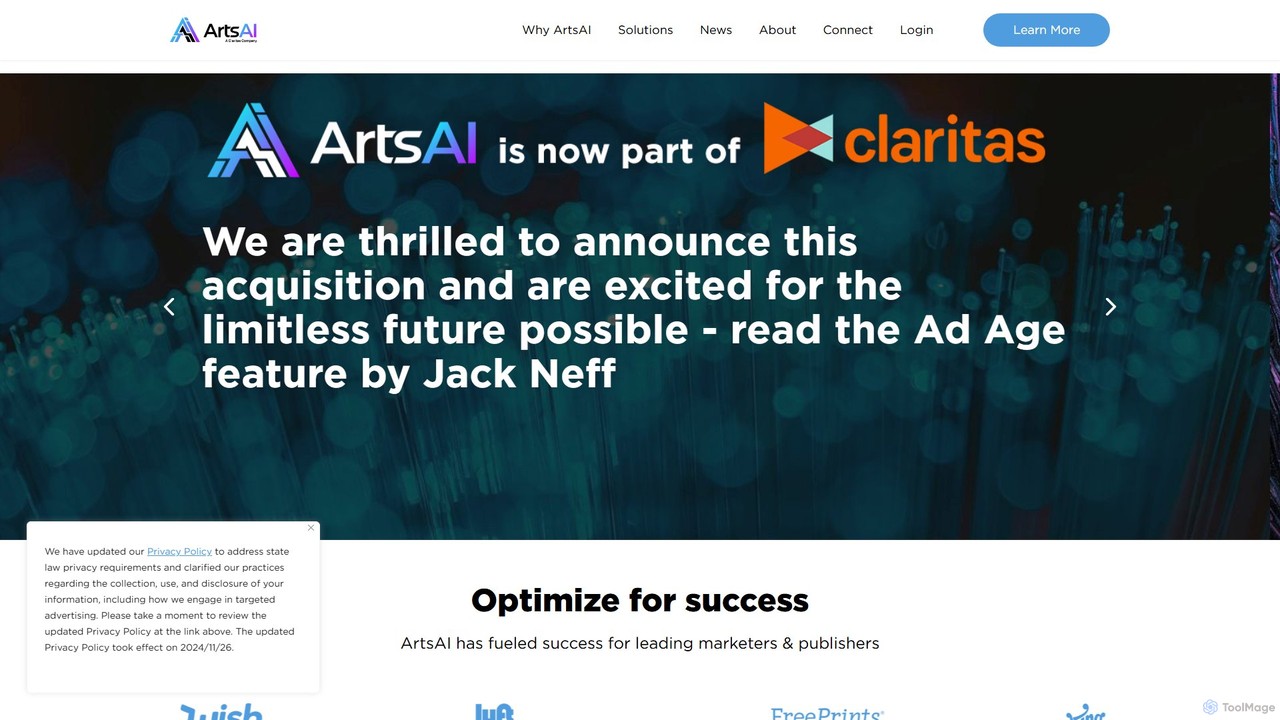
Adxcel is an AI-powered adaptive marketing automation platform specializing in omni-channel attribution and optimization. It provides a unified, cookieless solution to measure campaign performance across all channels, including digital, streaming audio, podcasts, and broadcast radio. Its AI engine delivers predictive insights for targeting and creative personalization to maximize ROI.

Data Analysis
Visits 351.3KFavorites 149Likes 148
Kudra
Freemium

Kudra

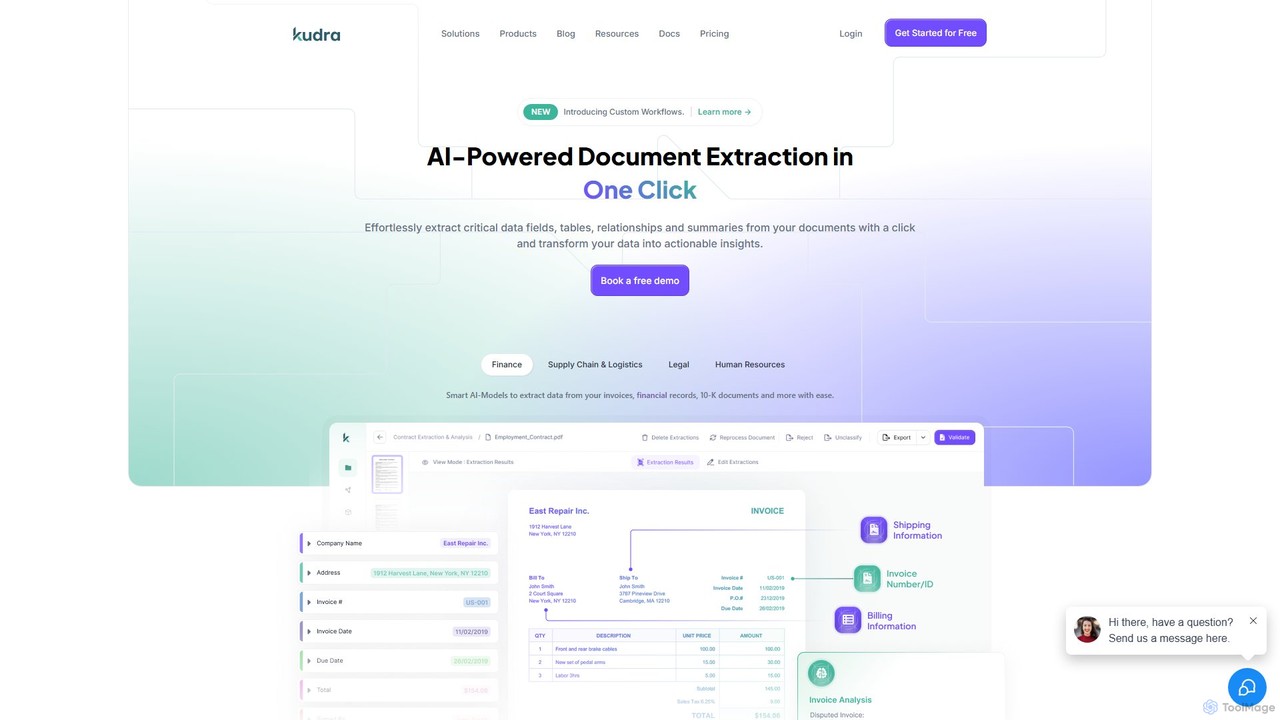
Kudra is an AI-powered platform that automates data extraction from any document in one click. It transforms unstructured data from PDFs, emails, and images into structured, actionable information. Ideal for finance, logistics, legal, and HR, Kudra offers customizable models, workflow automation, and seamless integrations to boost efficiency and reduce errors.

Data Analysis
Visits 12.2KFavorites 150Likes 142
InSummary
Paid

InSummary

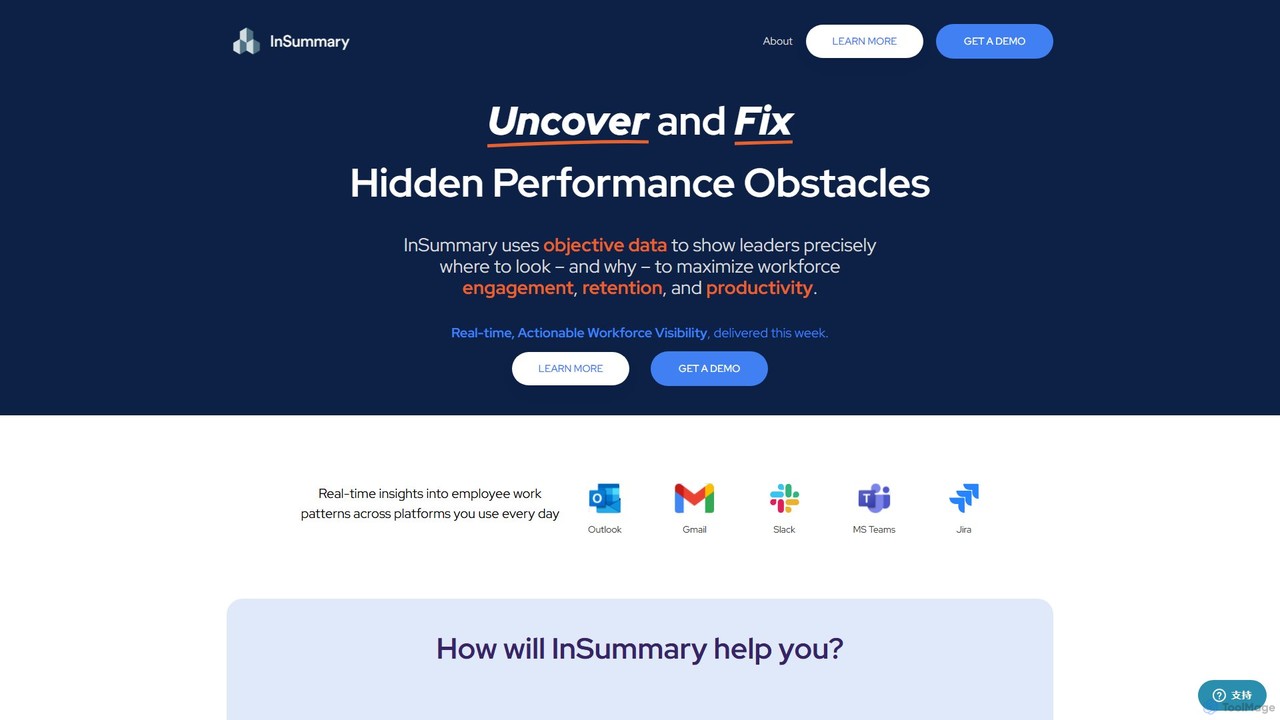
InSummary is an AI-powered workforce analytics platform that provides objective visibility into team engagement and work patterns. It integrates with tools like Slack, Jira, and Outlook to help leaders make data-driven decisions, reduce bias, and drive organizational change without micromanagement.

Data Analysis
Visits 5.6KFavorites 132Likes 138
dreamdata
Freemium

dreamdata

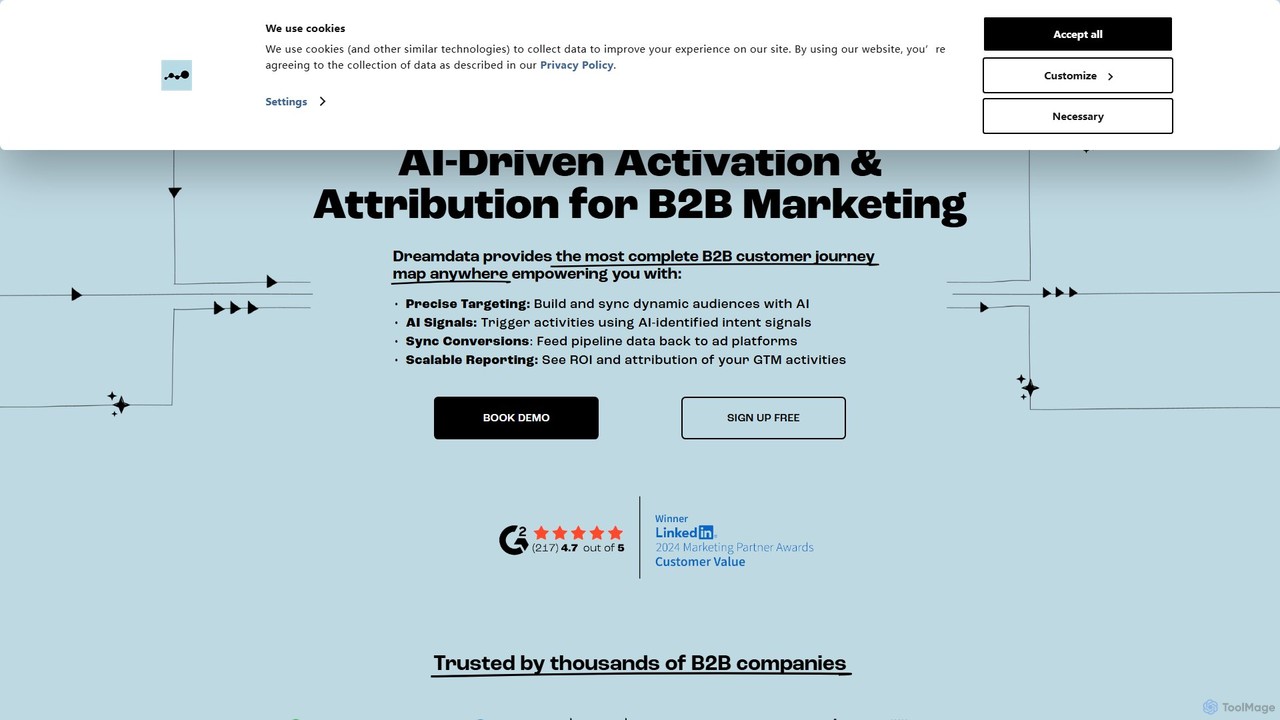
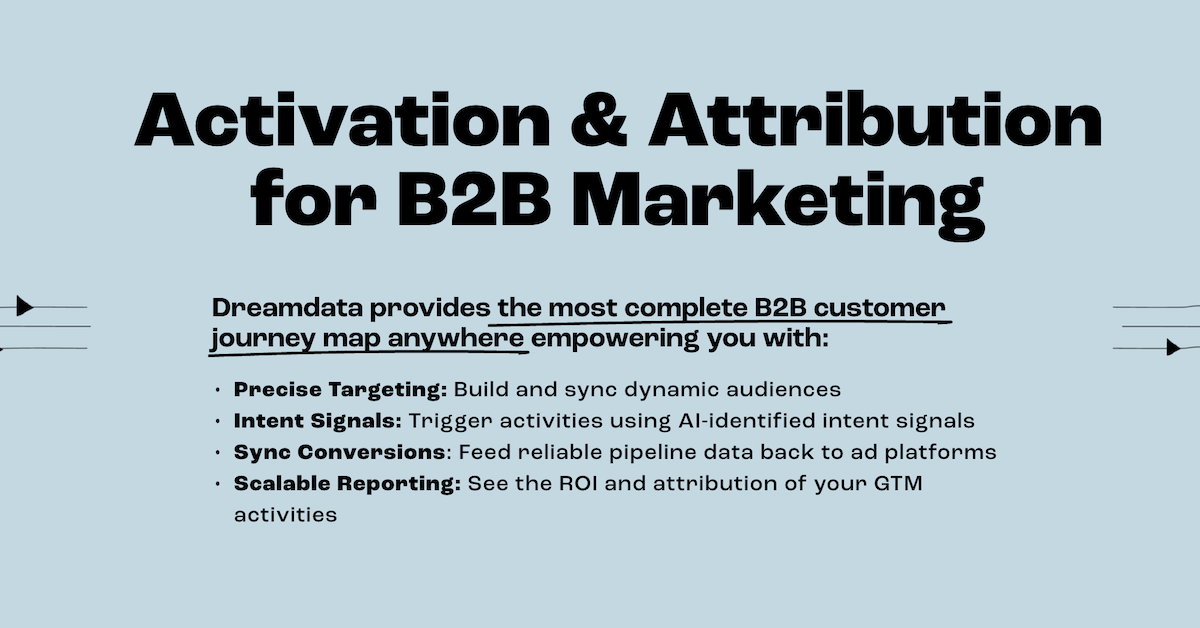
Dreamdata is a B2B revenue attribution and analytics platform that connects marketing and sales data to provide a unified view of the customer journey. It helps businesses understand which activities drive revenue, enabling them to optimize marketing spend, improve ROI, and align their go-to-market teams. By tracking every touchpoint, Dreamdata moves beyond last-click attribution to reveal the true impact of every campaign and channel.

Data Analysis
Visits 89.7KFavorites 170Likes 157
Magnimetrics
Paid

Magnimetrics

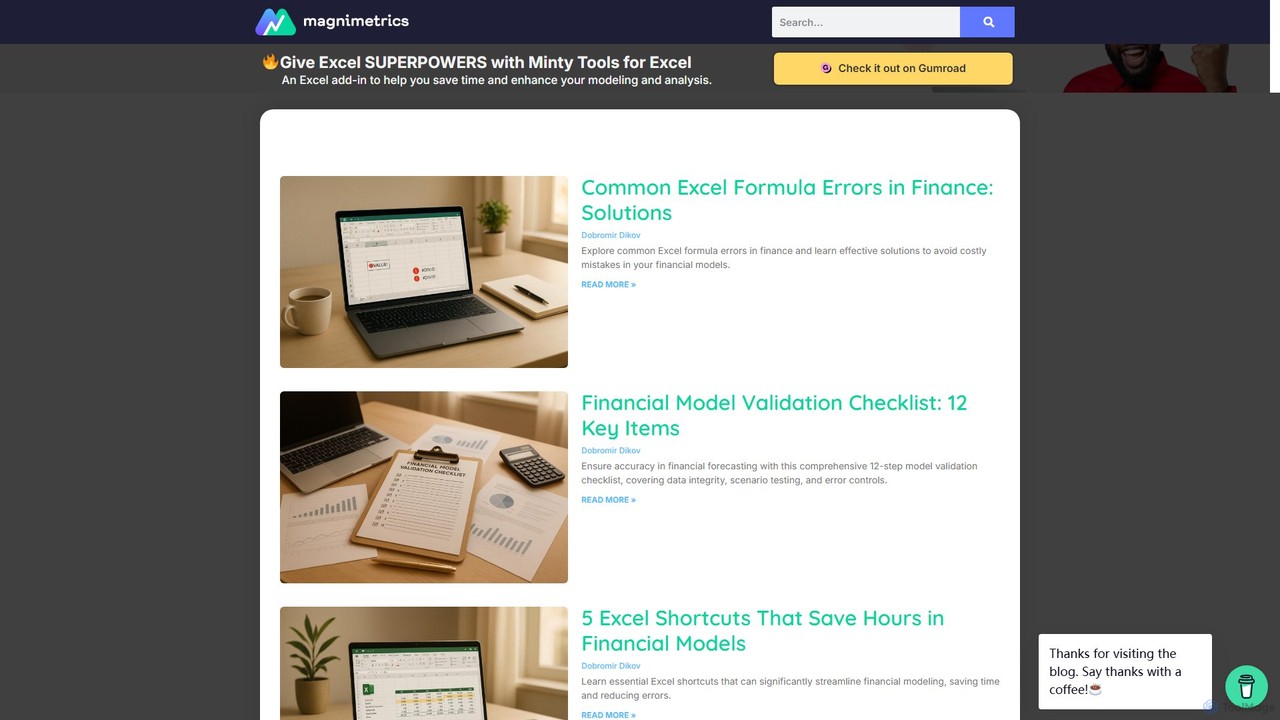
Magnimetrics offers expert resources and a powerful Excel add-in for financial professionals. It specializes in FP&A and financial modeling, providing tools to enhance accuracy, validate models, automate error checking, and boost productivity. Ideal for analysts, startups, and enterprises looking to build robust, error-free financial spreadsheets.

Data Analysis
Visits 8.6KFavorites 104Likes 97
Fileread
Paid

Fileread

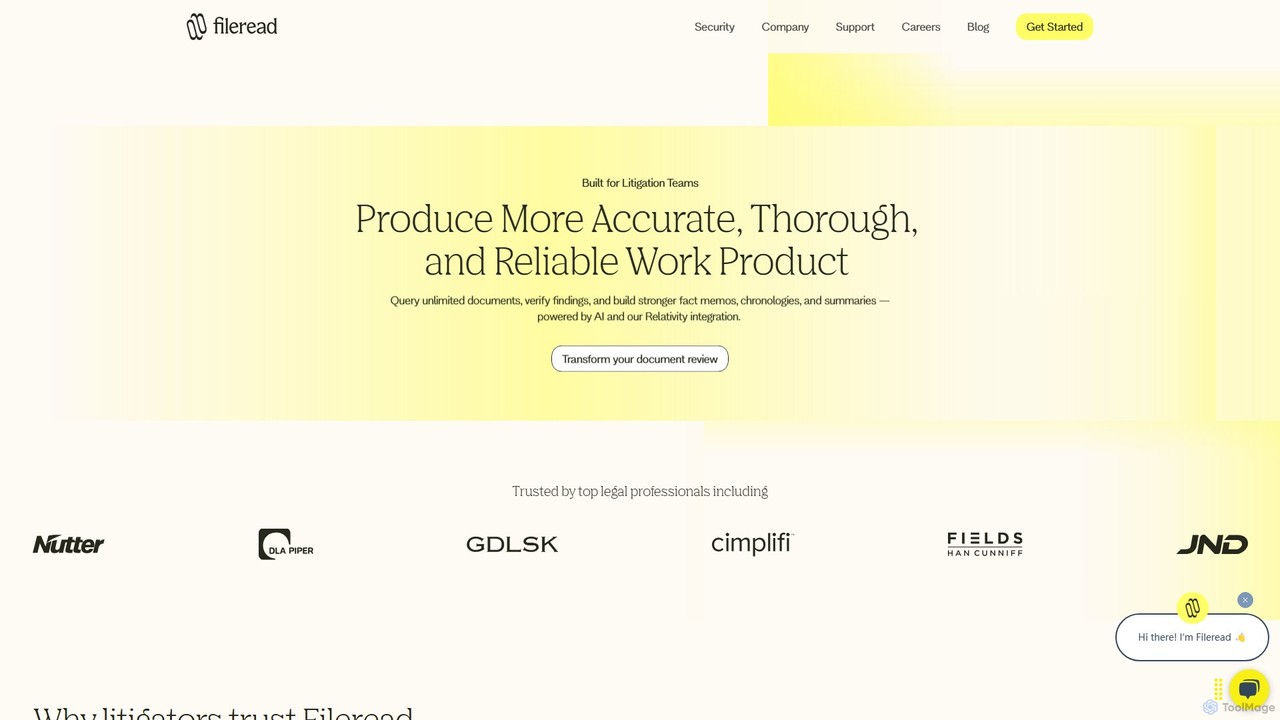
Fileread is an AI-powered document review platform designed for litigation teams. It streamlines fact-finding and case preparation by allowing legal professionals to query unlimited documents, including text, images, and handwritten notes. The tool helps build accurate fact memos, chronologies, and summaries, integrating seamlessly with Relativity and upholding the highest security standards (SOC2, ISO 27001, HIPAA, GDPR).

Data Analysis
Visits 7.5KFavorites 144Likes 150
AskDocs
Freemium

AskDocs

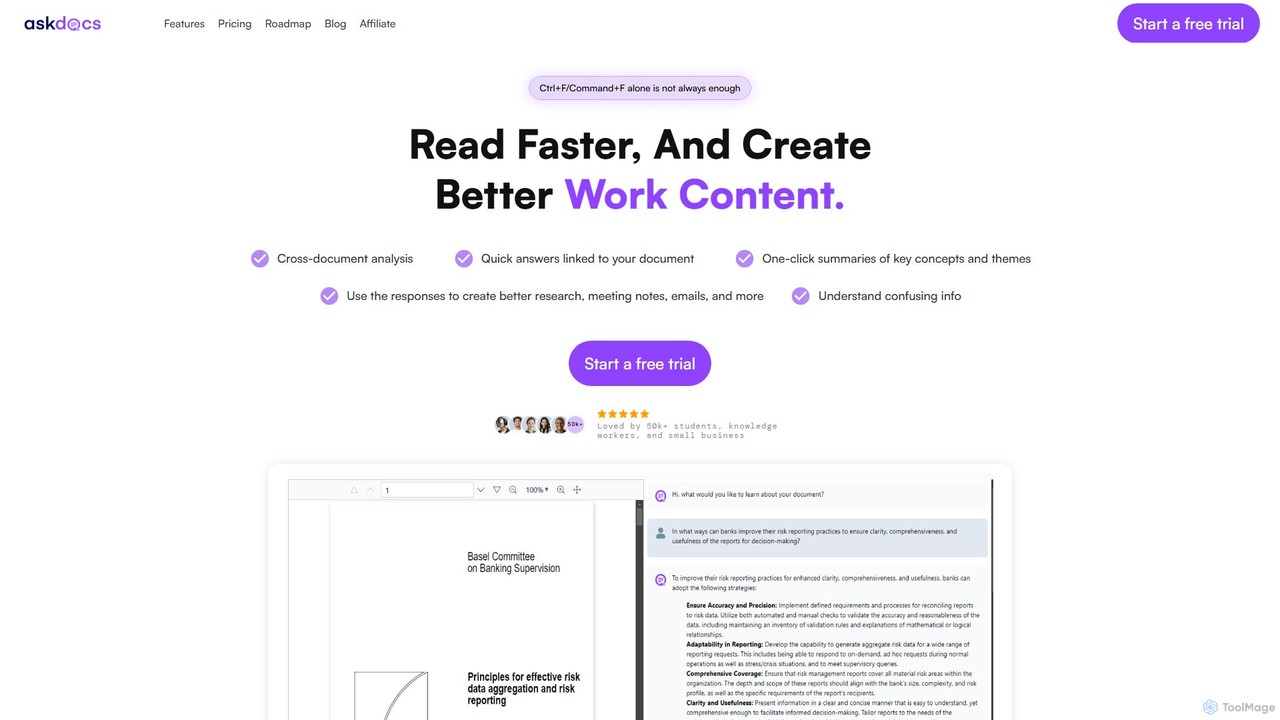
AskDocs is an AI-powered document assistant designed to help you quickly read, understand, and extract information from your files. Chat with single or multiple documents (PDF, DOCX, CSV, etc.), get instant summaries, and receive answers with precise source citations. It's an ideal tool for students, researchers, and professionals looking to accelerate their research and analysis workflows.

Data Analysis
Visits 5.7KFavorites 139Likes 158
Coefficient
Freemium

Coefficient

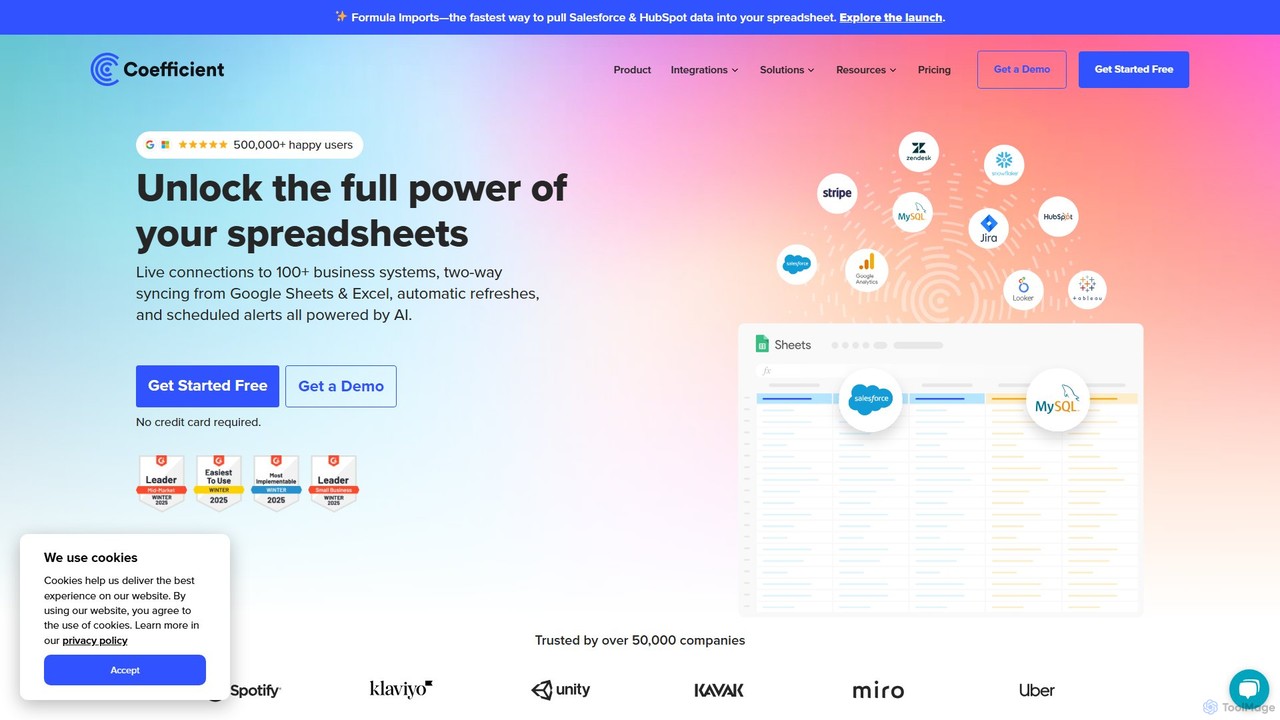
Coefficient is a data connector that links Google Sheets and Excel with over 100 business systems like Salesforce and HubSpot. It automates data imports, enables two-way syncing, and uses AI to help users build formulas, SQL queries, and charts, transforming static spreadsheets into dynamic, real-time dashboards.

Data Analysis
Visits 167.4KFavorites 109Likes 126

About Data Analysis

AI Data Analysis tools are a class of software that uses machine learning and artificial intelligence to automate the discovery of insights from complex datasets. These tools leverage algorithms for predictive modeling, pattern recognition, and natural language processing to interpret data without manual intervention. They empower businesses to move beyond descriptive reporting and uncover future trends, identify anomalies, and make data-driven decisions with greater speed and accuracy. This capability makes advanced analytics accessible even to users without deep statistical expertise.

Core Features

  • Automated Insights: Automatically surfaces significant patterns, correlations, and outliers in data that human analysts might miss.
  • Predictive Modeling: Builds and deploys models to forecast future outcomes, such as sales trends, customer churn, or inventory demand.
  • Natural Language Querying (NLQ): Allows users to ask questions about their data in plain language and receive answers, charts, and reports instantly.
  • Data Preparation Automation: Streamlines the process of cleaning, transforming, and structuring raw data to make it ready for analysis.
  • Sentiment Analysis: Utilizes NLP to analyze text data from reviews or social media to gauge customer opinions and emotions.

Use Cases

These tools are widely used across various industries. In e-commerce, they help analyze customer behavior to personalize recommendations and reduce churn. Financial institutions use them for fraud detection and credit risk assessment. Marketers rely on them to optimize campaign performance and forecast market trends. Essentially, any role from business analyst to C-level executive can use these tools to extract actionable intelligence from their data.

How to Choose

When selecting an AI Data Analysis tool, first consider its integration capabilities with your existing data sources (e.g., databases, CRM, cloud storage). Evaluate the user interface: is it a no-code platform for business users or a more technical environment for data scientists? Assess the scope of its analytical models and ensure it supports the types of analysis you need. Finally, consider its scalability to handle growing data volumes and the quality of its data visualization and reporting features.

Featured tool rankings

Data Analysis use cases

1

Predicting Customer Churn for Subscription Services

A marketing manager at a SaaS company needs to proactively reduce customer churn. Using an AI data analysis tool, they connect user activity data, support ticket history, and subscription information. The tool's machine learning model analyzes these combined datasets to identify patterns that precede cancellations. It then automatically assigns a 'churn risk score' to each customer. This allows the marketing team to target high-risk customers with personalized retention offers, such as discounts or feature training, ultimately reducing monthly churn by a measurable percentage.

2

Optimizing E-commerce Sales with Market Basket Analysis

An e-commerce manager wants to increase the average order value by promoting related products. They upload transaction history data into an AI analysis tool. The tool applies association rule mining algorithms to discover which products are frequently purchased together (e.g., 'customers who buy coffee beans also buy filters'). Based on these automated insights, the manager creates targeted product bundles, implements 'Frequently Bought Together' sections on product pages, and designs cross-sell email campaigns, leading to a direct increase in sales per transaction.

3

Automating Sentiment Analysis of Customer Feedback

A product manager is overwhelmed by thousands of customer reviews from app stores, surveys, and social media. To quickly gauge overall sentiment, they feed this unstructured text data into an AI analysis platform. The tool's Natural Language Processing (NLP) capabilities automatically classify each piece of feedback as positive, negative, or neutral. It also identifies and groups recurring themes, such as 'feature requests' or 'login issues'. This provides the product team with a real-time, high-level overview of customer satisfaction and pinpoints specific areas for improvement without manual reading.

4

Forecasting Sales Demand for Retail Inventory Management

A supply chain analyst for a retail chain needs to accurately forecast demand to optimize inventory levels. They use an AI data analysis tool to analyze historical sales data, seasonality, promotional calendars, and external factors like public holidays. The tool's predictive models generate granular demand forecasts for each product at each store location. This allows the analyst to automate reordering processes, reduce instances of stockouts on popular items, and minimize overstocking of slow-moving products, thereby improving cash flow and profitability.

5

Detecting Financial Anomalies in Real-Time

A financial controller at a large corporation is responsible for monitoring thousands of daily transactions for fraud or errors. Instead of manual spot-checks, they implement an AI analysis tool that connects to their accounting system. The tool learns the normal patterns of financial activity and uses anomaly detection algorithms to flag any transaction that deviates significantly from the norm, such as unusually large payments or transactions at odd hours. This provides an immediate alert system, enabling the finance team to investigate suspicious activities promptly and prevent potential financial losses.

6

Optimizing Marketing Campaigns with Natural Language Queries

A digital marketing specialist needs to quickly understand campaign performance without building complex reports. Using an AI analysis tool with Natural Language Querying (NLQ), they can simply type questions like, 'Which ad campaign had the highest ROI last month?' or 'Compare conversion rates for Facebook vs. Google ads in Q2.' The tool instantly processes the request, analyzes the connected marketing data, and presents the answer as a clear chart or summary. This empowers the marketer to get immediate insights, make faster decisions, and adjust campaign strategies on the fly.

Data Analysis FAQ

What are AI Data Analysis tools?

AI Data Analysis tools are applications that use artificial intelligence, particularly machine learning, to automate the process of analyzing data and discovering insights. Unlike traditional tools that require users to manually explore data, AI tools can automatically identify significant patterns, create predictive models, and even answer questions asked in natural language. They are designed to make advanced analytics accessible to a broader range of users, not just data scientists.

How do AI Data Analysis tools differ from traditional Business Intelligence (BI) tools?

The main difference lies in automation and foresight. Traditional BI tools excel at descriptive analytics—showing what happened in the past through dashboards and reports that are often manually configured. AI Data Analysis tools focus more on predictive and prescriptive analytics. They automatically discover insights you weren't looking for (what will happen and why) and can suggest actions. While BI tools present data, AI tools interpret it for you.

Do I need to be a data scientist to use these tools?

Not necessarily. While some advanced platforms are designed for data scientists and require coding skills (like Python or R), many modern AI data analysis tools are built with a no-code or low-code interface. These user-friendly platforms are designed for business analysts, marketers, and other professionals, allowing them to perform complex analyses through visual workflows and natural language queries without writing a single line of code.

What kind of data can be analyzed with these tools?

AI Data Analysis tools are versatile and can handle a wide range of data types. This includes:

  • Structured Data: Clean, organized data from sources like SQL databases, Excel spreadsheets, and CRM systems (e.g., sales figures, customer lists).
  • Unstructured Data: Text-heavy data without a predefined format, such as customer reviews, social media posts, support emails, and survey responses.
  • Time-Series Data: Data points collected over time, like stock prices, website traffic, or sensor readings, which are ideal for forecasting.
How to choose the right AI Data Analysis tool?

Choosing the right tool depends on your specific needs. Consider these factors:

  • Data Connectivity: Ensure it can easily connect to your data sources (e.g., Google Analytics, Salesforce, SQL databases).
  • Ease of Use: Evaluate if you need a simple, no-code interface for business users or a more powerful, code-based environment for data scientists.
  • Analytical Capabilities: Check if it offers the specific types of analysis you need, such as forecasting, classification, or sentiment analysis.
  • Scalability & Cost: Consider if the tool can handle your data volume as it grows and if its pricing model fits your budget.