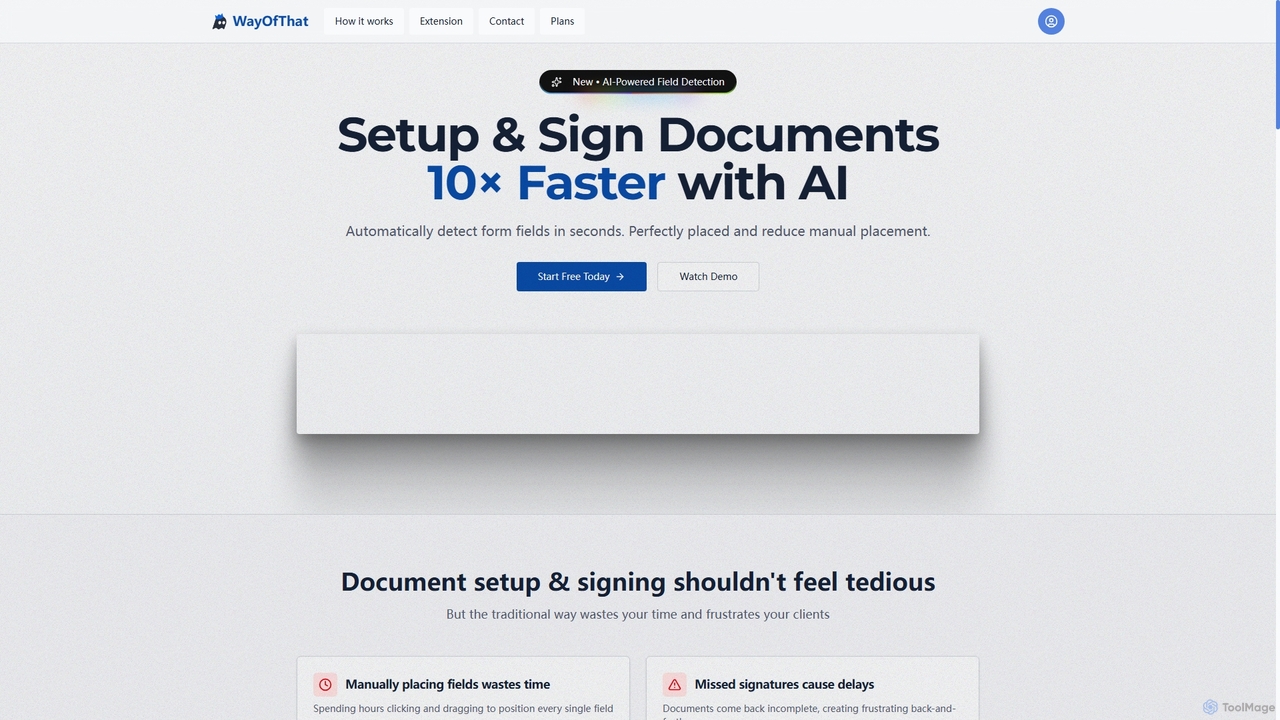
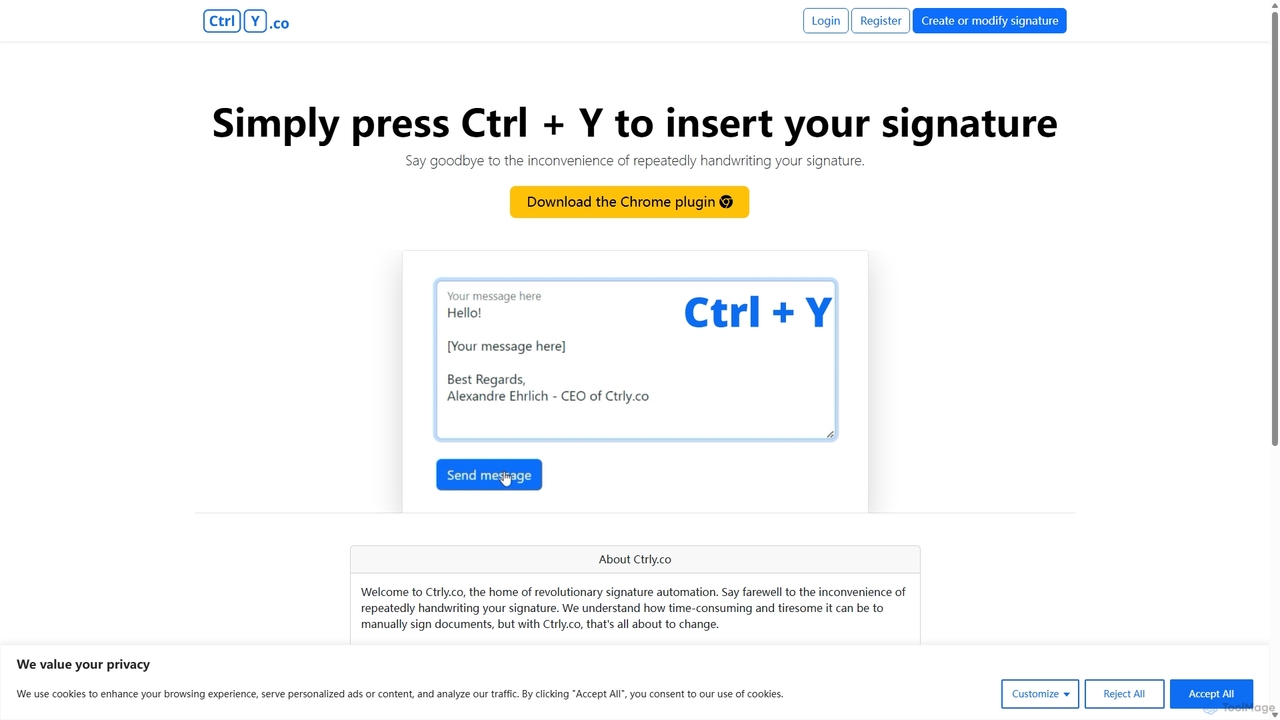
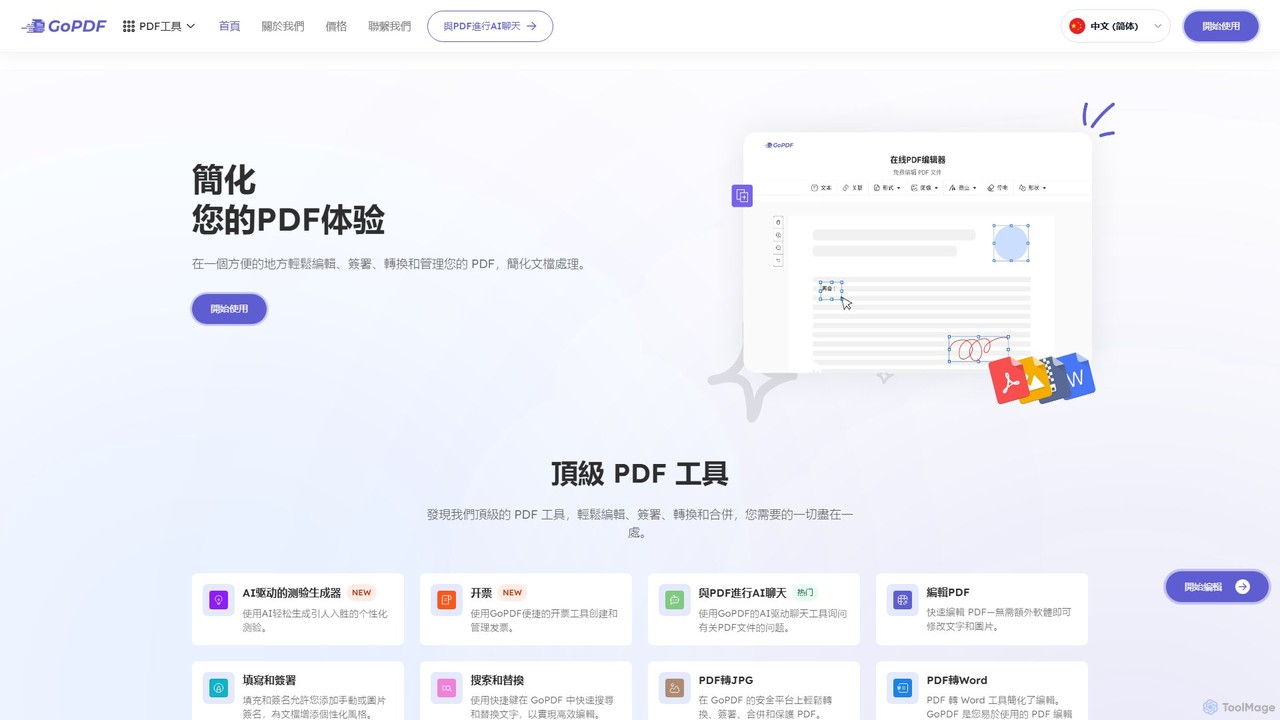
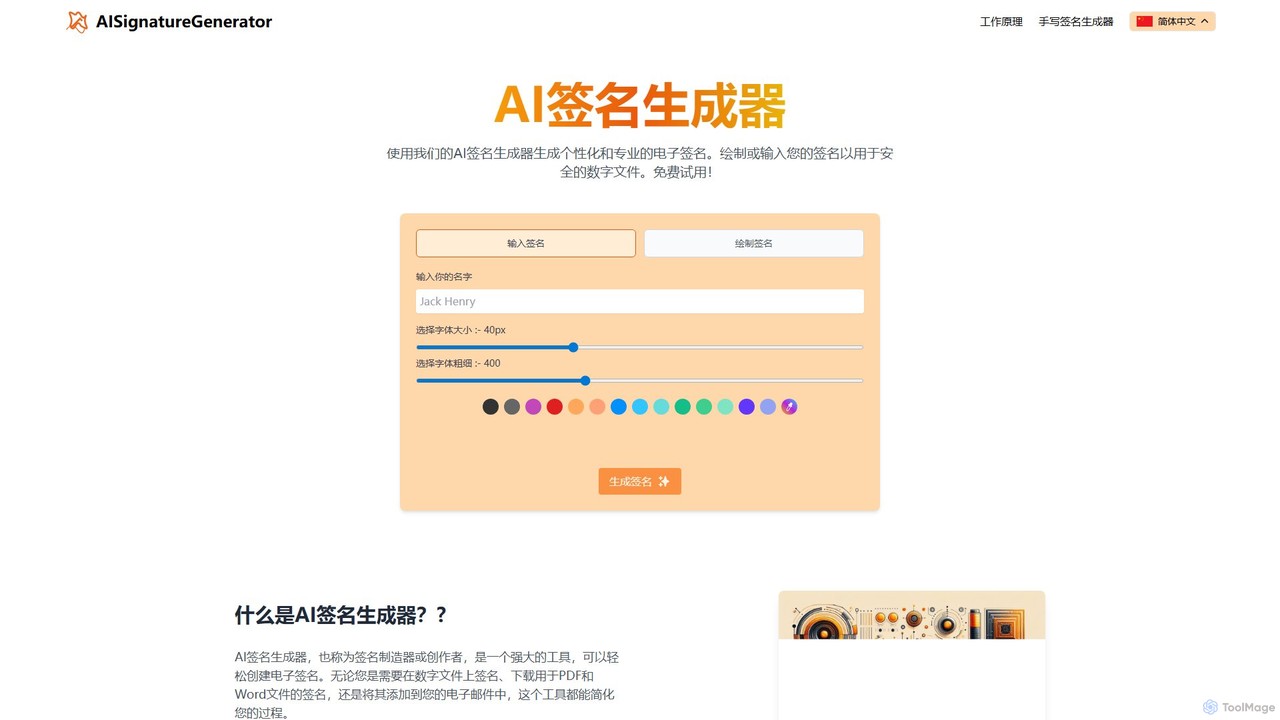
E Signature tools are software platforms designed to create, send, manage, and store legally binding electronic signatures on digital documents. These tools utilize cryptographic technology to ensure the authenticity, integrity, and non-repudiation of signed agreements. They streamline business workflows by replacing slow, paper-based processes, enabling users to sign documents from anywhere, on any device. This significantly accelerates contract cycles, improves operational efficiency, and enhances security within the broader Business category.
Core Features
- Legally Binding Signatures: Ensures compliance with global regulations such as the ESIGN Act in the US, UETA, and eIDAS in the EU.
- Comprehensive Audit Trails: Automatically generates a detailed log of all document activity, including who viewed, signed, and when, providing a verifiable record.
- Workflow Automation: Allows users to create reusable templates, define signing orders (sequential or parallel), and send automated reminders to signatories.
- Advanced Security & Authentication: Employs data encryption, access control, and multi-factor authentication (MFA) to protect sensitive documents.
- Seamless Integrations: Connects with popular business systems like CRM (Salesforce), cloud storage (Google Drive, Dropbox), and ERPs.
Applicable Scenarios
E Signature tools are widely used across various industries. In sales, they accelerate the closing of deals by enabling rapid signing of contracts and proposals. Human resources departments use them for onboarding new employees, managing offer letters, and NDAs. Legal and compliance teams rely on them for executing client agreements and internal approvals with a secure, auditable trail.
Selection Criteria
When choosing an E Signature tool, consider the level of legal compliance and certifications required for your industry. Evaluate the platform's security features, including encryption standards and authentication options. Assess its integration capabilities with your existing software stack to ensure a smooth workflow. Finally, compare pricing models, which may be based on the number of users or the volume of documents (envelopes) sent.