Glean
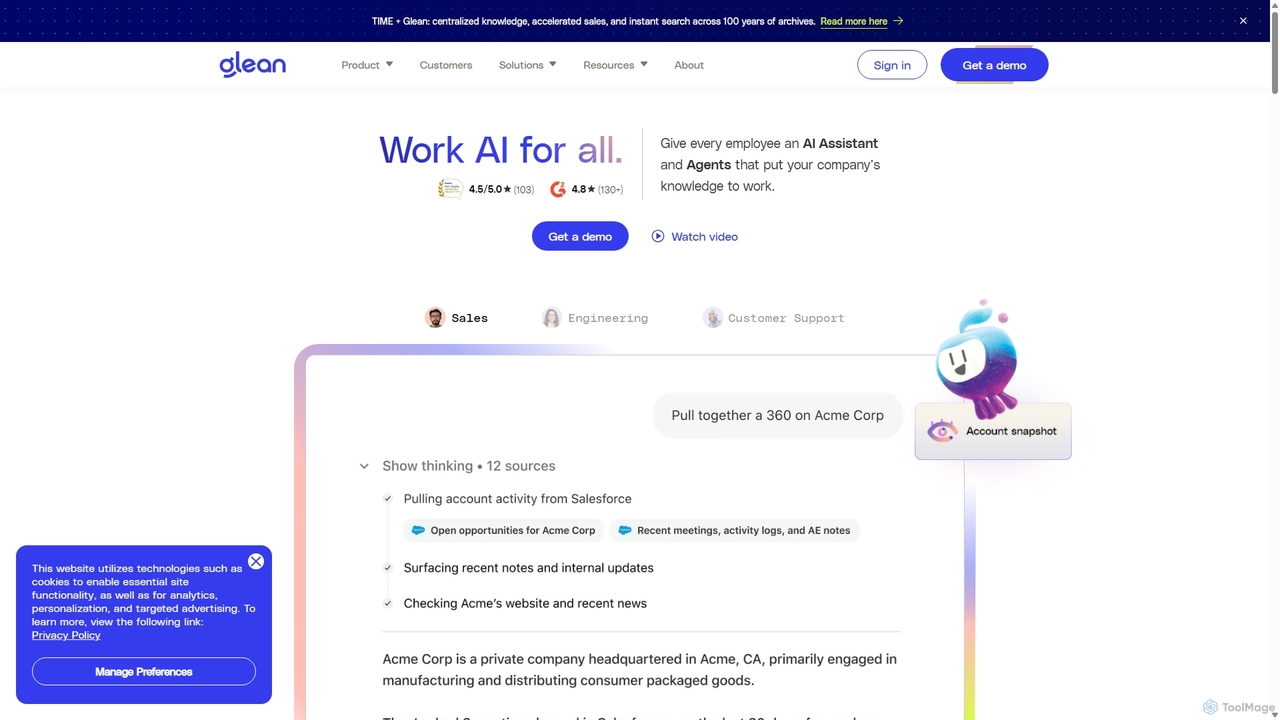
Glean is an enterprise-grade AI work platform designed to enhance productivity. It combines a powerful, permissions-aware search engine …
Glean is an enterprise-grade AI work platform designed to enhance productivity. It combines a powerful, permissions-aware search engine with a generative AI assistant and customizable AI agents. Glean connects to all your company's applications, allowing employees to find information, generate content, and automate workflows securely and efficiently, all grounded in your organization's unique knowledge base.

Super
Super is an AI platform that transforms your company's scattered data into a unified, searchable knowledge base. It …
Super is an AI platform that transforms your company's scattered data into a unified, searchable knowledge base. It connects with tools like Slack, Google Drive, and Notion to provide instant answers, automate workflows, and deploy ready-to-use AI assistants, boosting team productivity and efficiency.
Qatalog
Qatalog is an intelligent work hub that unifies your teams, tools, and knowledge. It uses AI to create …
Qatalog is an intelligent work hub that unifies your teams, tools, and knowledge. It uses AI to create a central source of truth, enabling seamless search across all applications, clear visibility into projects and goals, and contextual understanding of who is working on what. By connecting disparate systems like Slack, Jira, and Google Drive, Qatalog reduces context switching and boosts productivity.
Kesem.ai
Kesem.ai is an AI-powered knowledge platform for customer-facing teams. It centralizes information from sources like Confluence, Slack, and …
Kesem.ai is an AI-powered knowledge platform for customer-facing teams. It centralizes information from sources like Confluence, Slack, and Jira, enabling sales engineers, customer success, and support teams to get instant, accurate answers to complex product and technical questions. This streamlines workflows, accelerates sales cycles, and improves customer satisfaction by providing a single source of truth.
Retrieve
Retrieve is an AI-powered knowledge management and enterprise search platform. It unifies your company's scattered information from apps …
Retrieve is an AI-powered knowledge management and enterprise search platform. It unifies your company's scattered information from apps like Slack, Google Drive, and Confluence, allowing teams to ask natural language questions and get instant, accurate answers. Boost productivity and break down data silos with a single source of truth.
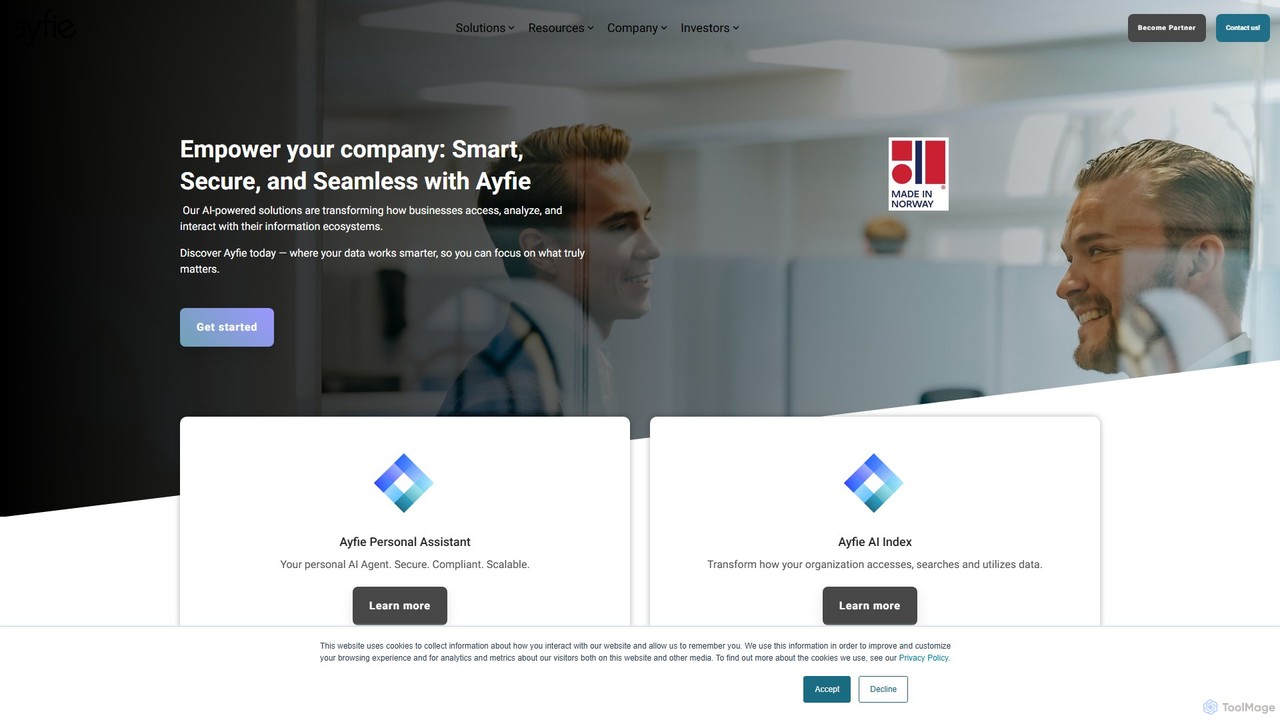
ayfie
ayfie is a powerful AI platform for businesses, offering an AI Personal Assistant and advanced Enterprise Search solutions. …
ayfie is a powerful AI platform for businesses, offering an AI Personal Assistant and advanced Enterprise Search solutions. It securely connects to your company's data, allowing teams to instantly find information, automate routine tasks, and make smarter, data-driven decisions. With a focus on security, compliance (GDPR), and customizability, ayfie enhances productivity and collaboration across the entire organization.
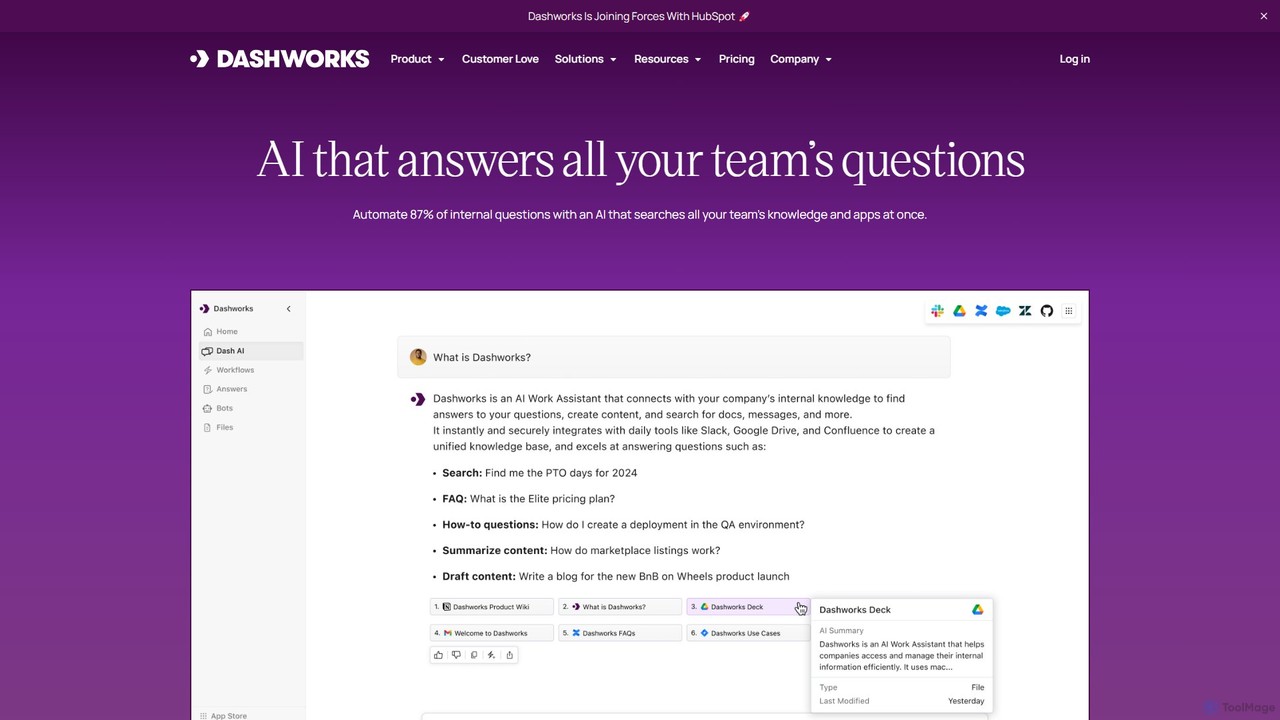
Dashworks
Dashworks is an AI-powered enterprise search assistant that unifies all your company's knowledge. It connects to your apps …
Dashworks is an AI-powered enterprise search assistant that unifies all your company's knowledge. It connects to your apps like Slack, Google Drive, and Jira to provide instant, accurate answers to workplace questions, automating internal support and boosting team productivity.
Mindlake.ai
Mindlake.ai is an AI-powered enterprise search engine designed to unify your business communications. It integrates with platforms like …
Mindlake.ai is an AI-powered enterprise search engine designed to unify your business communications. It integrates with platforms like Slack, Teams, and Google Drive, allowing you to find any information across all your tools with a single, natural language query. Stop wasting time digging through silos and get instant, relevant answers to boost team productivity and decision-making.
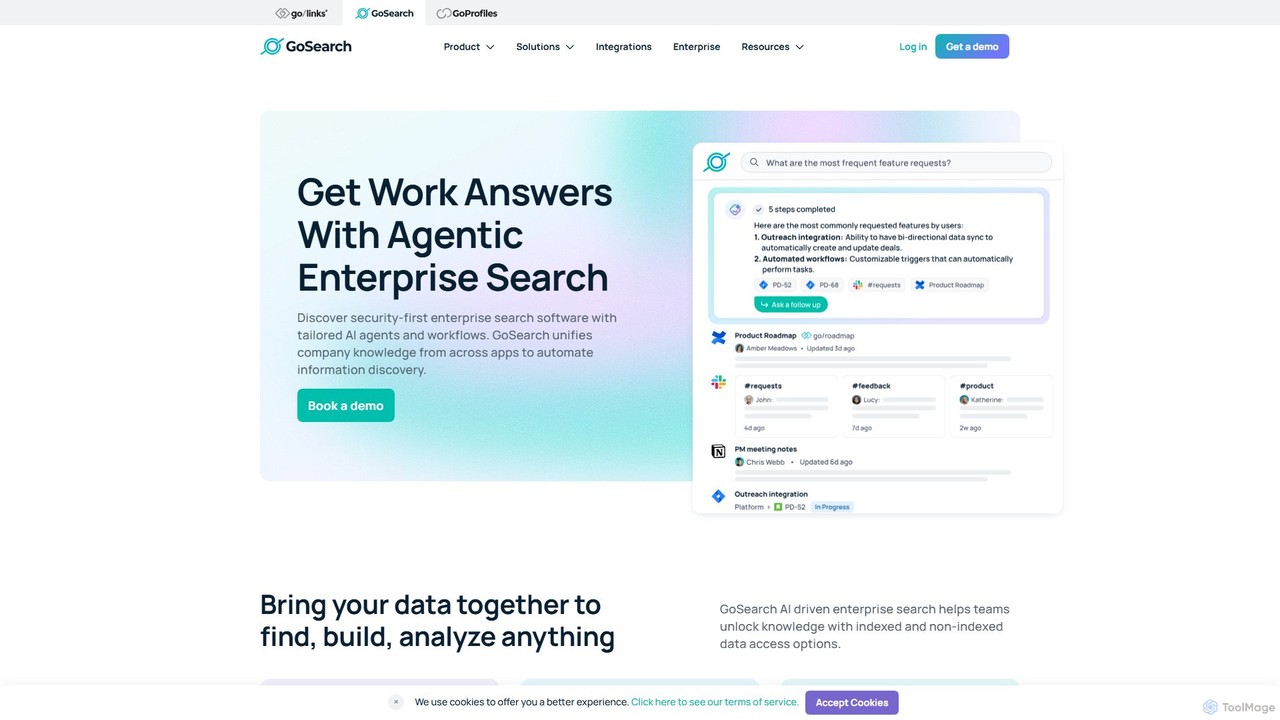
GoSearch
GoSearch is an AI-powered enterprise search platform designed for modern teams. It unifies knowledge from over 100+ applications, …
GoSearch is an AI-powered enterprise search platform designed for modern teams. It unifies knowledge from over 100+ applications, allowing users to find information using natural language. With its unique security-first approach and no-code AI agents, GoSearch automates workflows, provides instant answers, and enhances productivity while ensuring data remains secure and compliant. It's built to break down information silos and empower every department, from engineering to HR.
SearchUnify
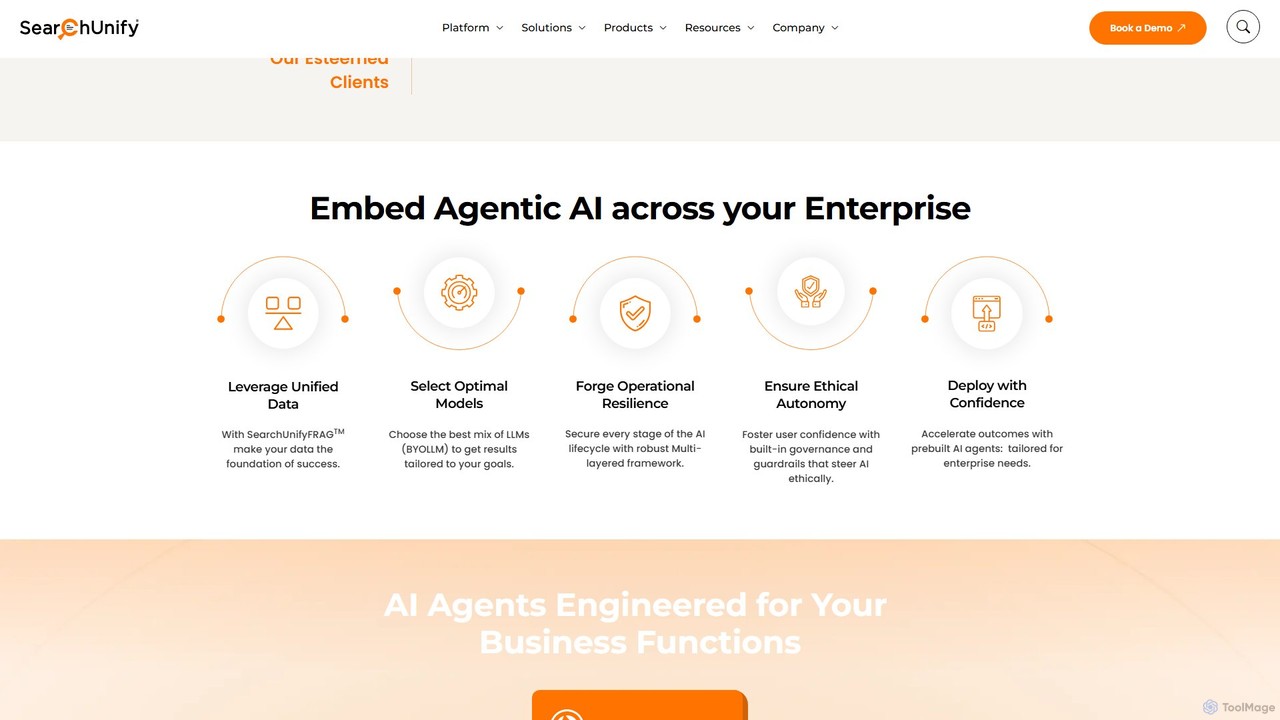
SearchUnify is an enterprise-grade agentic AI platform designed to transform customer support and other business functions. It unifies …
SearchUnify is an enterprise-grade agentic AI platform designed to transform customer support and other business functions. It unifies disparate data sources and deploys pre-built AI agents to automate self-service, augment support workflows, and enhance operational efficiency, driving higher CSAT and significant ROI.
Refinder
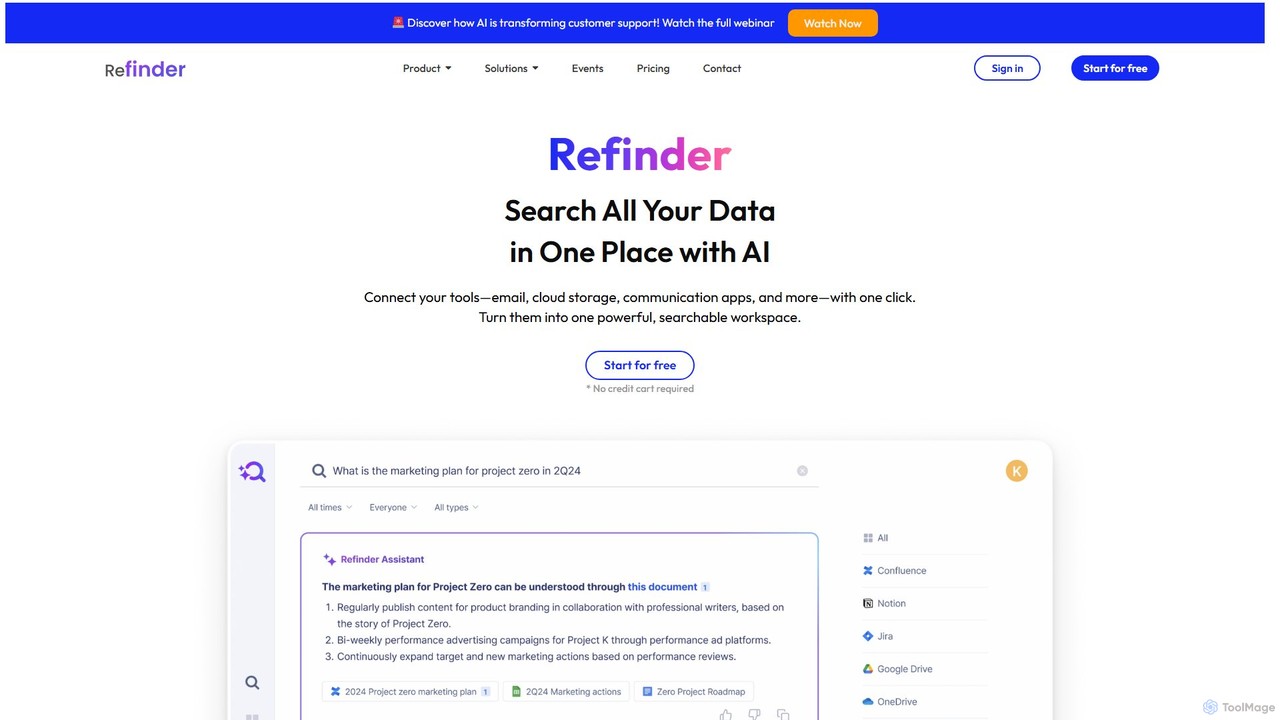
Refinder is an AI-powered enterprise search platform that connects all your work applications—email, cloud storage, and collaboration tools—into …
Refinder is an AI-powered enterprise search platform that connects all your work applications—email, cloud storage, and collaboration tools—into a single, searchable workspace. It acts as a personal AI assistant, helping you find information instantly, summarize documents, and gain actionable insights from your company's collective knowledge.
bithoop
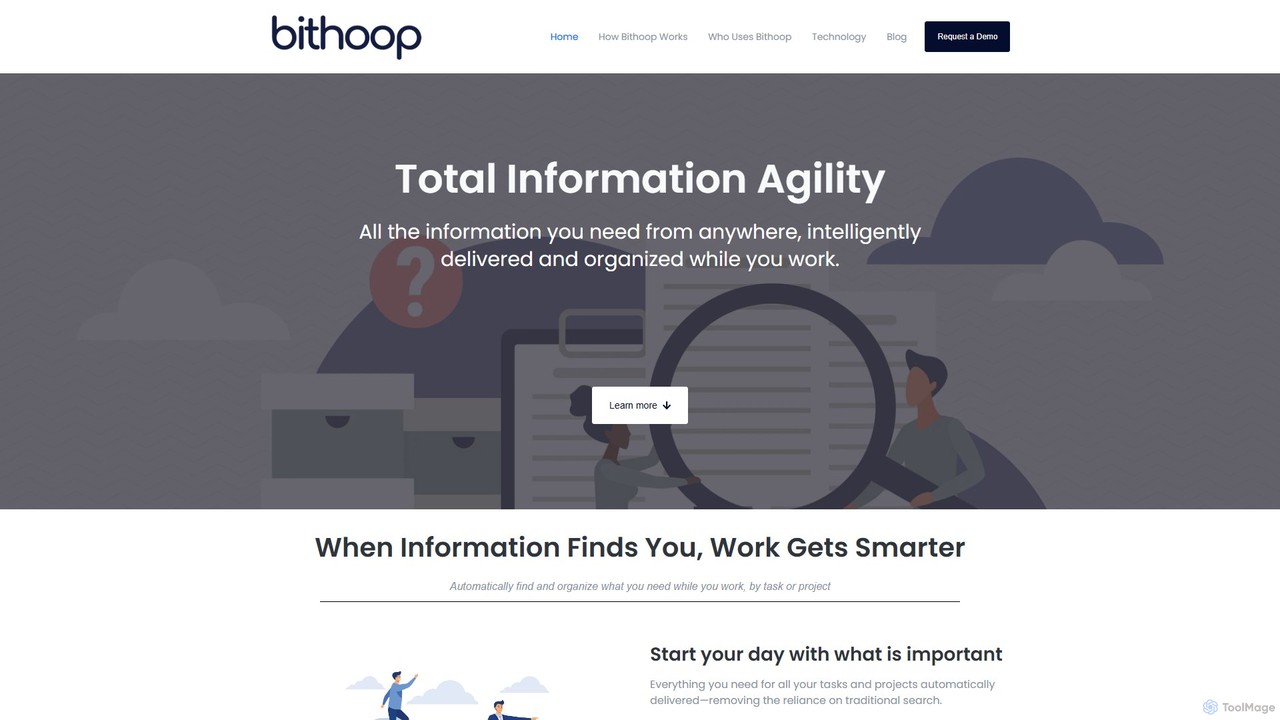
bithoop is an AI-powered information agility platform that transforms team productivity. It connects to all your data sources—emails, …
bithoop is an AI-powered information agility platform that transforms team productivity. It connects to all your data sources—emails, documents, messages—and intelligently delivers the right information for your current task or project. By automating information discovery and organization, bithoop eliminates constant searching and context switching, allowing teams to focus on high-value work.
GoLinks
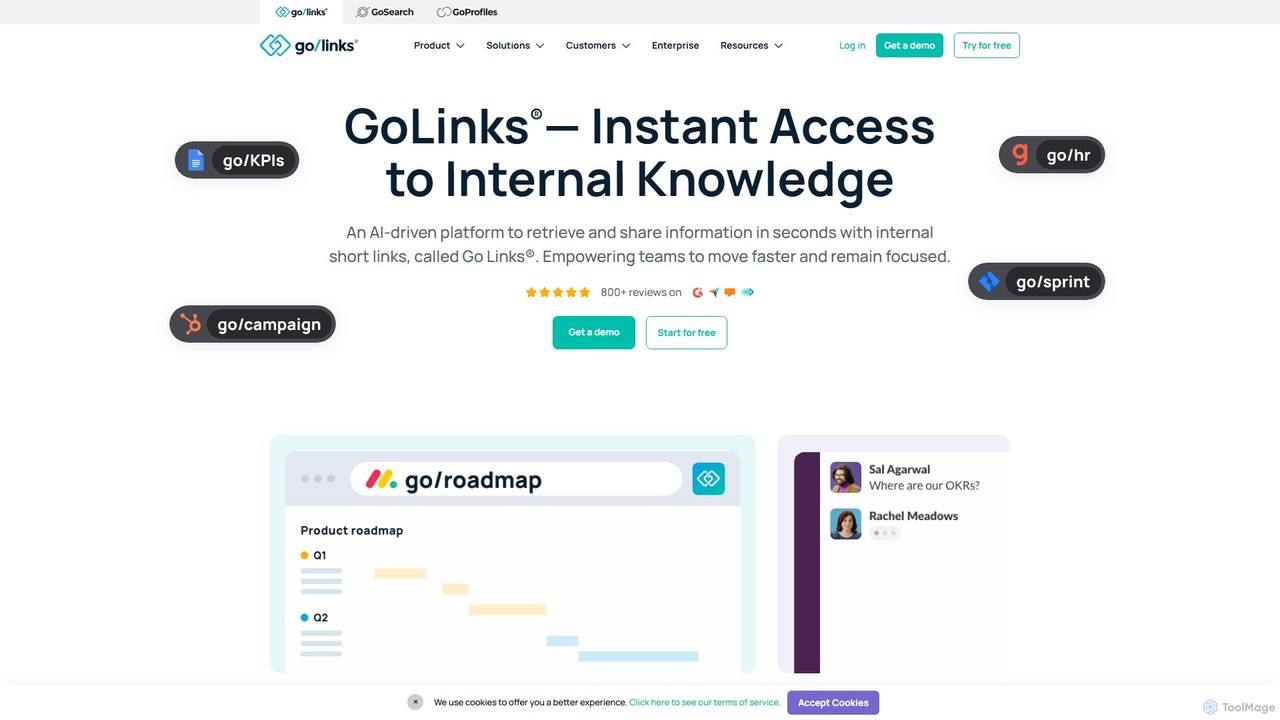
GoLinks is an AI-powered knowledge discovery and link management platform designed for businesses. It helps teams find and …
GoLinks is an AI-powered knowledge discovery and link management platform designed for businesses. It helps teams find and share information instantly using intuitive short links (go links) and a generative AI assistant, GoAI. It centralizes company resources, boosts productivity, and enhances security across all integrated applications.
Knowz
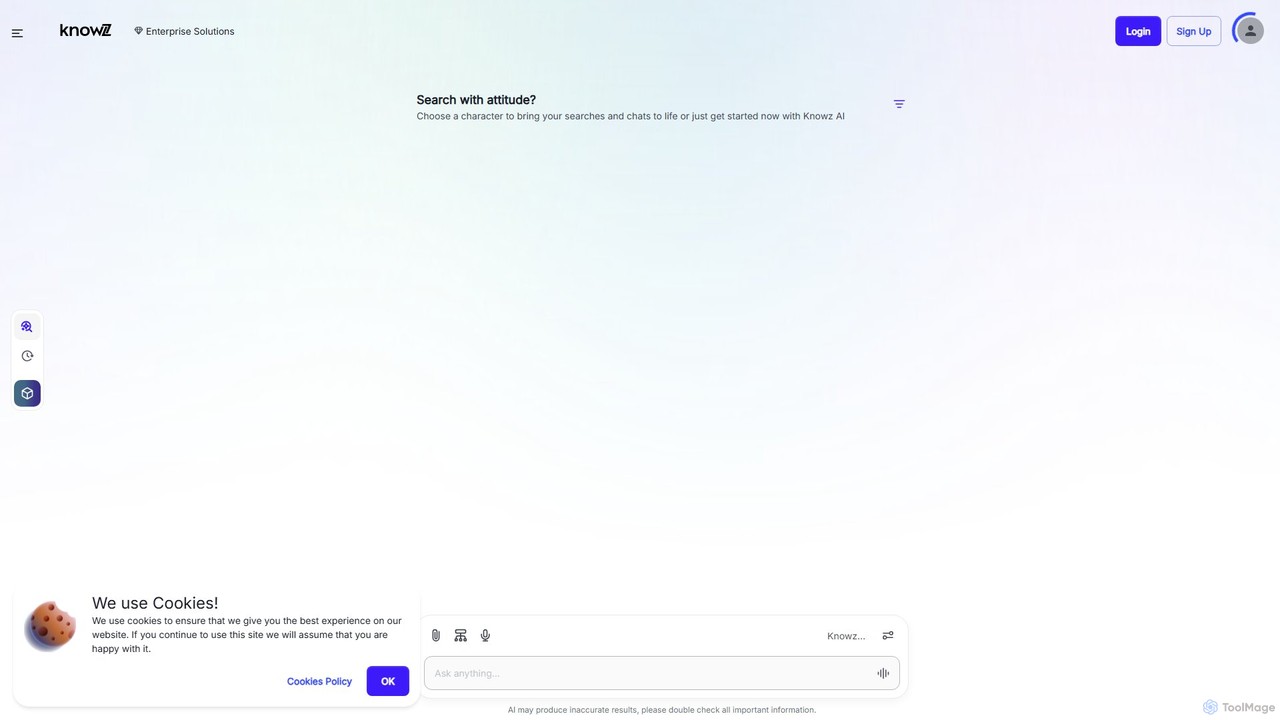
Knowz is an AI-powered enterprise search and automation platform designed to securely connect and manage organizational knowledge. It …
Knowz is an AI-powered enterprise search and automation platform designed to securely connect and manage organizational knowledge. It provides instant, accurate answers from company data, automates complex workflows across various business applications, and ensures enterprise-grade security and compliance.
Sana
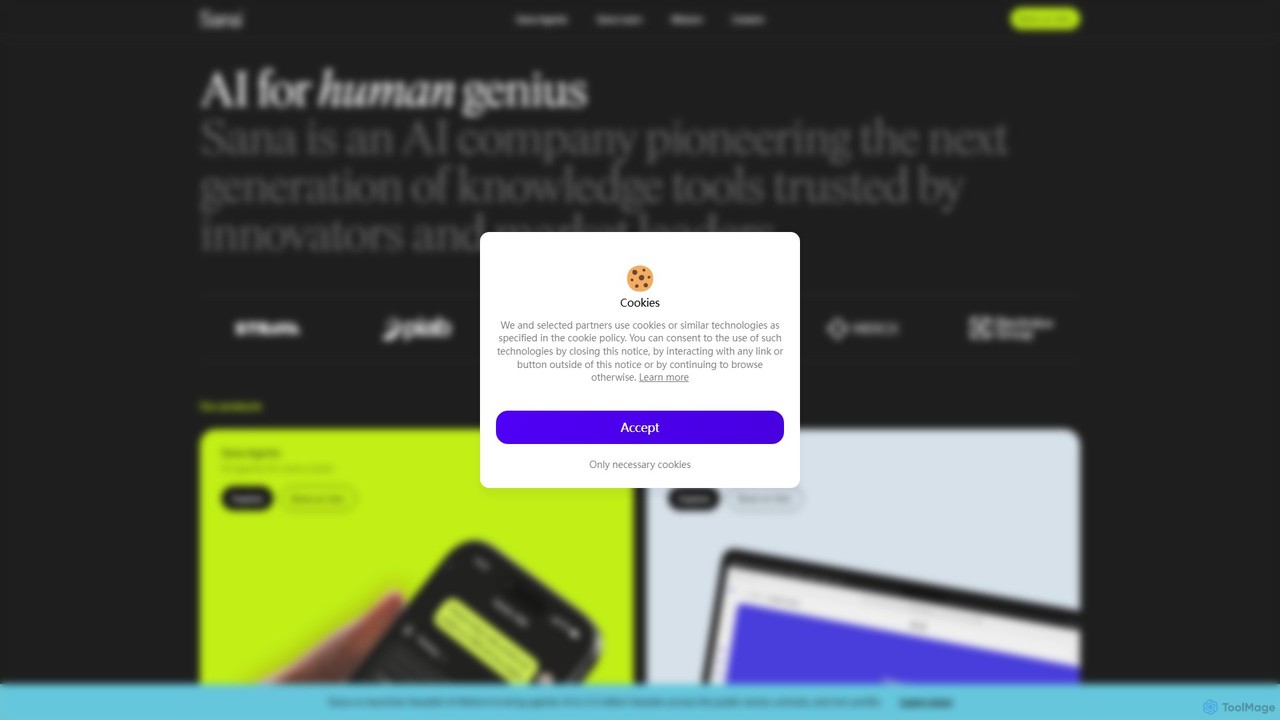
Sana is an AI-powered knowledge and learning platform for enterprises. It centralizes all your company's information, enabling universal …
Sana is an AI-powered knowledge and learning platform for enterprises. It centralizes all your company's information, enabling universal search, personalized learning, and workflow automation through custom AI agents. Unlock your organization's collective intelligence and boost productivity.
EnhanceDocs
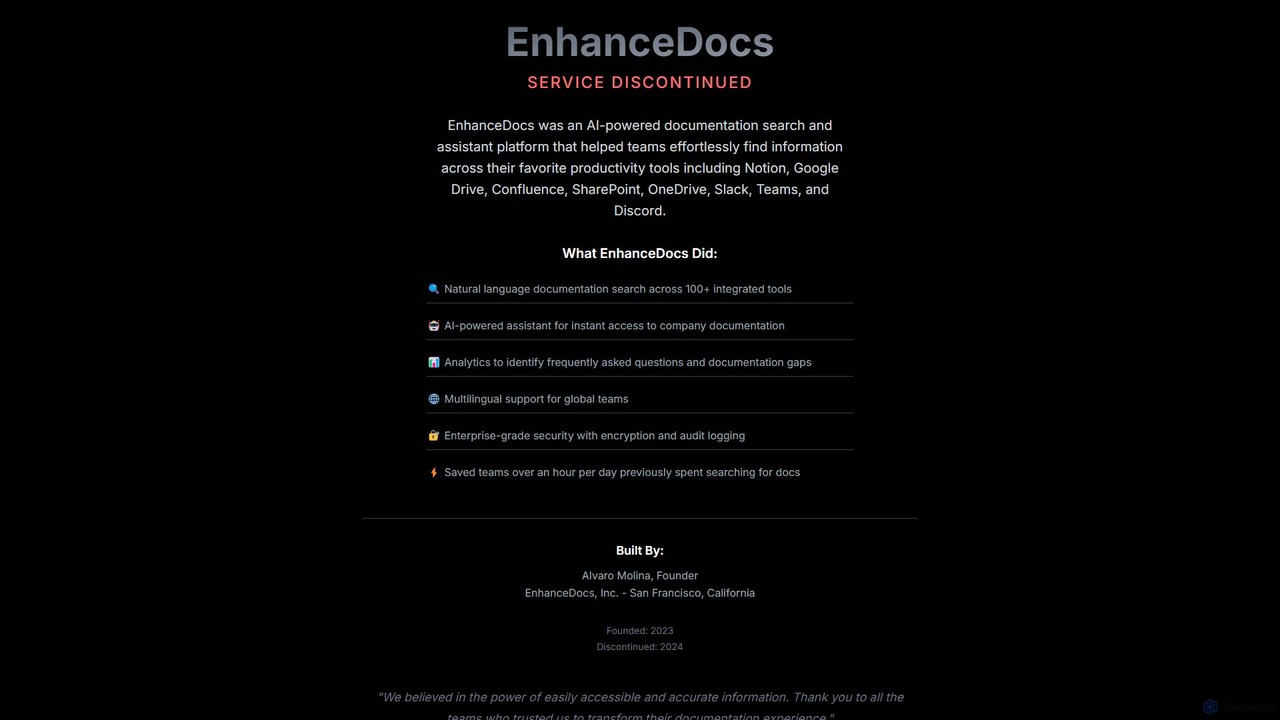
EnhanceDocs was an AI-powered documentation search and assistant platform. It unified knowledge from over 100 tools like Notion, …
EnhanceDocs was an AI-powered documentation search and assistant platform. It unified knowledge from over 100 tools like Notion, Google Drive, and Slack, allowing teams to find information instantly using natural language. (Note: This service has been discontinued).
Needle
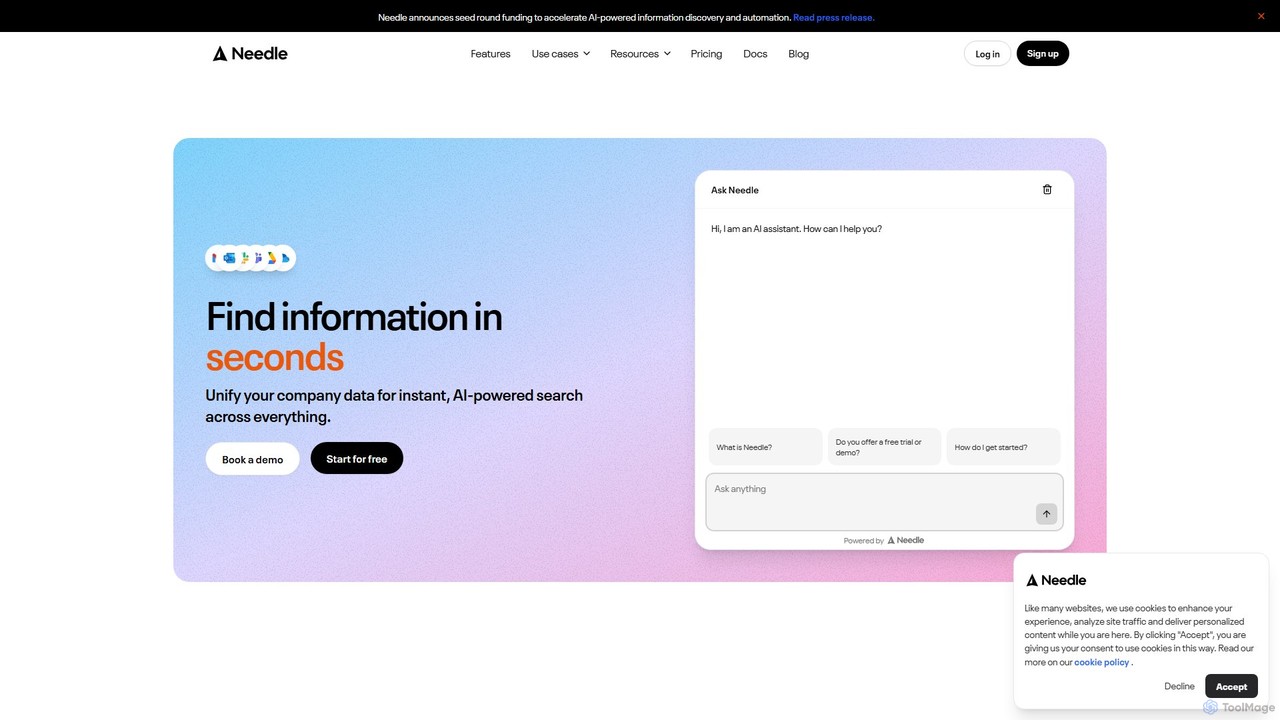
Needle is an enterprise AI platform that unifies all your company's data into a single, searchable knowledge base. …
Needle is an enterprise AI platform that unifies all your company's data into a single, searchable knowledge base. Using advanced RAG technology, it allows teams to ask questions in natural language and get instant, referenced answers from sources like Slack, Google Drive, Notion, and more. It automates workflows, enhances customer support, and provides enterprise-grade security to break down information silos and boost productivity.
About Enterprise Search
Enterprise Search tools are AI-powered platforms designed to index and retrieve information from an organization's entire digital ecosystem. They utilize Natural Language Processing (NLP) and machine learning to understand user intent, providing relevant results from disparate sources like internal wikis, databases, cloud storage, and communication apps. This technology breaks down information silos, enabling employees to find accurate answers and internal knowledge quickly. Unlike public web search, enterprise search respects data security and user-specific access permissions.
Core Features
- Unified Indexing: Connects to and indexes a wide range of internal systems like Confluence, SharePoint, Slack, and Salesforce into a single searchable interface.
- Natural Language Querying: Allows users to ask questions in conversational language, not just keywords, for more intuitive discovery.
- Semantic Understanding: Goes beyond keyword matching to grasp the context and intent of a query, delivering more accurate results.
- Access Control Integration: Enforces existing security protocols and user permissions, ensuring users only see data they are authorized to access.
- AI-Powered Summarization: Generates concise summaries from multiple documents, providing direct answers without needing to open each file.
Use Cases
Enterprise Search is crucial for knowledge-intensive industries. It's widely used in IT for internal support, in R&D for accessing past research, by legal teams for e-discovery, and across all departments for general knowledge management. It empowers roles from new hires seeking onboarding information to executives needing cross-departmental data for strategic decisions.
How to Choose
When selecting an Enterprise Search tool, first evaluate its connector library to ensure it integrates with your critical business systems. Assess its security model and how it handles user permissions. Consider its scalability to grow with your data volume and user base. Finally, test the quality of its AI-driven search results, relevance ranking, and summarization capabilities.
Enterprise SearchUse Cases
Accelerate Internal Technical Support
An IT support specialist receives a complex ticket about a legacy software issue. Instead of manually searching through separate knowledge bases, old ticket systems, and technical manuals, they use the enterprise search bar. They type, 'How to resolve authentication error 501 on the legacy CRM?' The system instantly scans all connected sources and returns a direct answer synthesized from a Confluence article, a resolved Jira ticket from two years ago, and a relevant Slack conversation, reducing resolution time from hours to minutes.
Streamline Research and Development
A materials scientist is starting a new project on polymer composites. To avoid duplicating past research, she queries the enterprise search for 'all internal research on carbon fiber reinforcement in thermoplastics'. The system retrieves not only formal research papers from the company's digital library but also patent filings, raw experimental data from shared drives, and project discussions from archived email threads. This provides a comprehensive overview of institutional knowledge, saving weeks of preliminary research and preventing redundant experiments.
Improve New Employee Onboarding
A newly hired software developer needs to set up their local development environment. Instead of asking a colleague and interrupting their workflow, the new hire uses the enterprise search portal and asks, 'How do I set up the dev environment for the mobile app project?' The search tool provides a step-by-step guide from the engineering wiki, links to the correct code repositories, and a summary of a recent Slack channel discussion about a common setup issue. This self-service approach empowers the new employee and accelerates their time-to-productivity.
Enhance Sales and Marketing Enablement
A sales executive is preparing for a call with a potential client in the manufacturing industry. They use the enterprise search to find 'case studies for manufacturing clients in Europe'. The search returns approved case studies from SharePoint, relevant presentation slides from Google Drive, and internal notes on the competitor's positioning from Salesforce. This allows the executive to quickly gather tailored, up-to-date materials for their meeting, improving their preparation efficiency and increasing the chances of a successful pitch.
Facilitate Legal and Compliance Audits
A compliance officer is tasked with an internal audit related to data privacy regulations. They need to find all documents and communications concerning a specific project from the last five years. Using the enterprise search tool, they can perform a single, comprehensive e-discovery query across emails, contracts in cloud storage, and internal policy documents. The tool respects all access controls, ensuring the audit is conducted securely and efficiently, providing a complete, auditable trail of information without manual, system-by-system searches.
Inform Strategic Business Decisions
A product manager is evaluating the feasibility of a new feature. They use enterprise search to ask, 'What is the customer feedback on our mobile checkout process?' The system aggregates data from multiple sources: it pulls support tickets from Zendesk tagged with 'checkout', survey responses from Google Forms, and user comments from a dedicated Slack channel. The AI summarizes the key themes, highlighting that users frequently request an additional payment option. This consolidated insight allows the product manager to build a strong business case for the new feature, backed by cross-platform data.