Business Best in category 21 results Human Resources AI Tool

Popular AI tools in the Human Resources field of Business include Feishu、Edusign、easygenerator、Whoz、TimeChamp、SC Training、7taps、meramonitor、Rezolve.ai、yunkaoai, etc., helping you quickly improve efficiency.

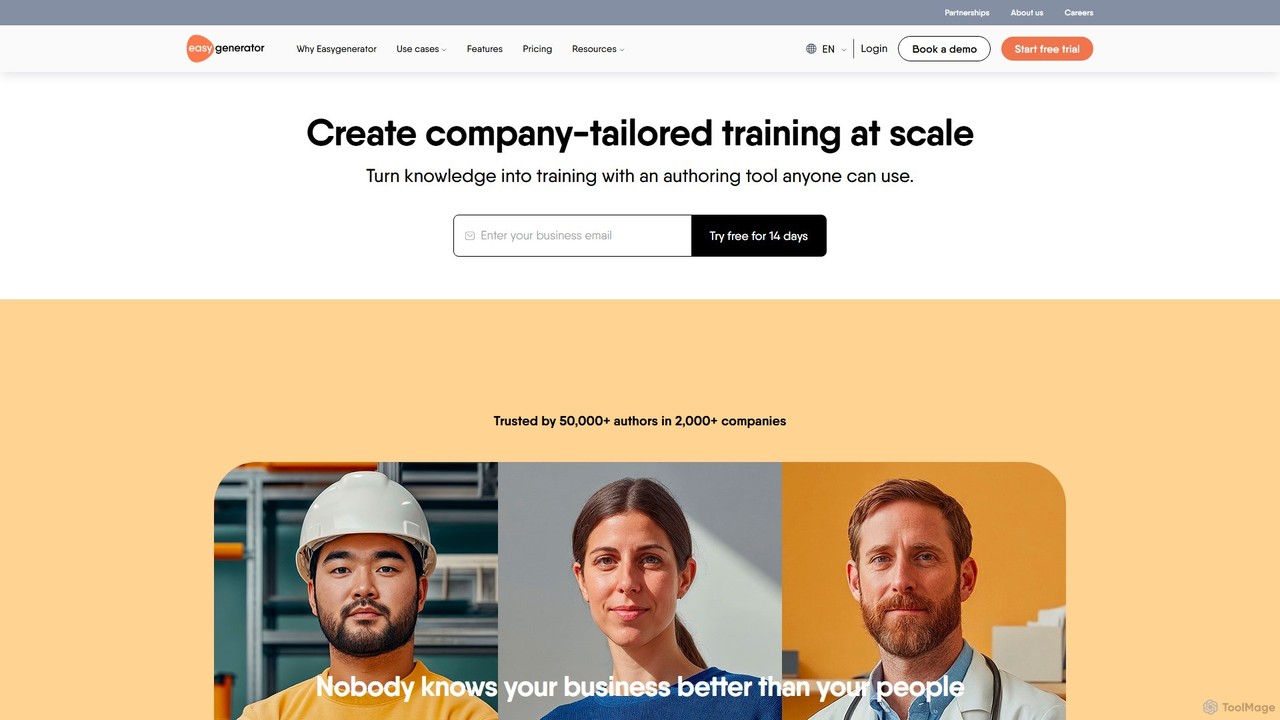
easygenerator

easygenerator

An AI-powered e-learning authoring tool that enables anyone to create, share, and track engaging training content at scale. …

309.6K
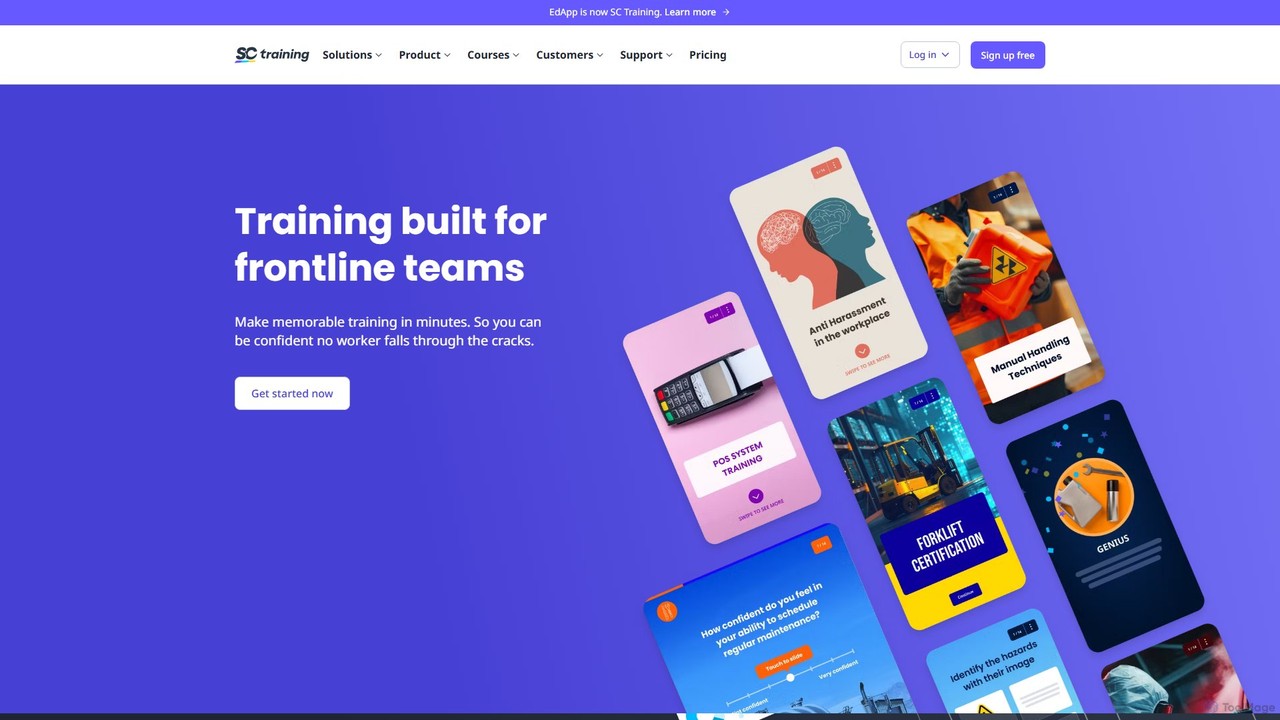
SC Training

SC Training

SC Training (formerly EdApp) is a mobile-first microlearning platform designed for frontline teams. It uses AI to create …

77.6K
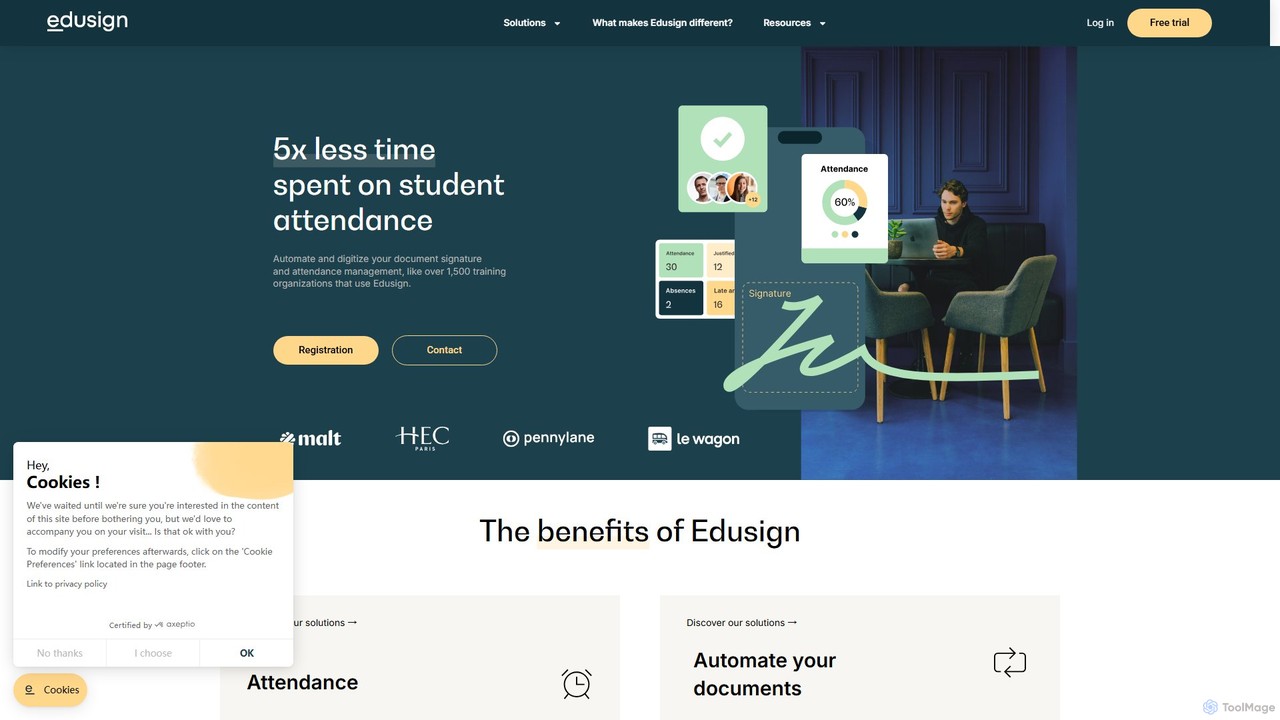
Edusign

Edusign

Edusign is a comprehensive digital platform for educational and training institutions to automate attendance tracking, document management, and …

632.2K
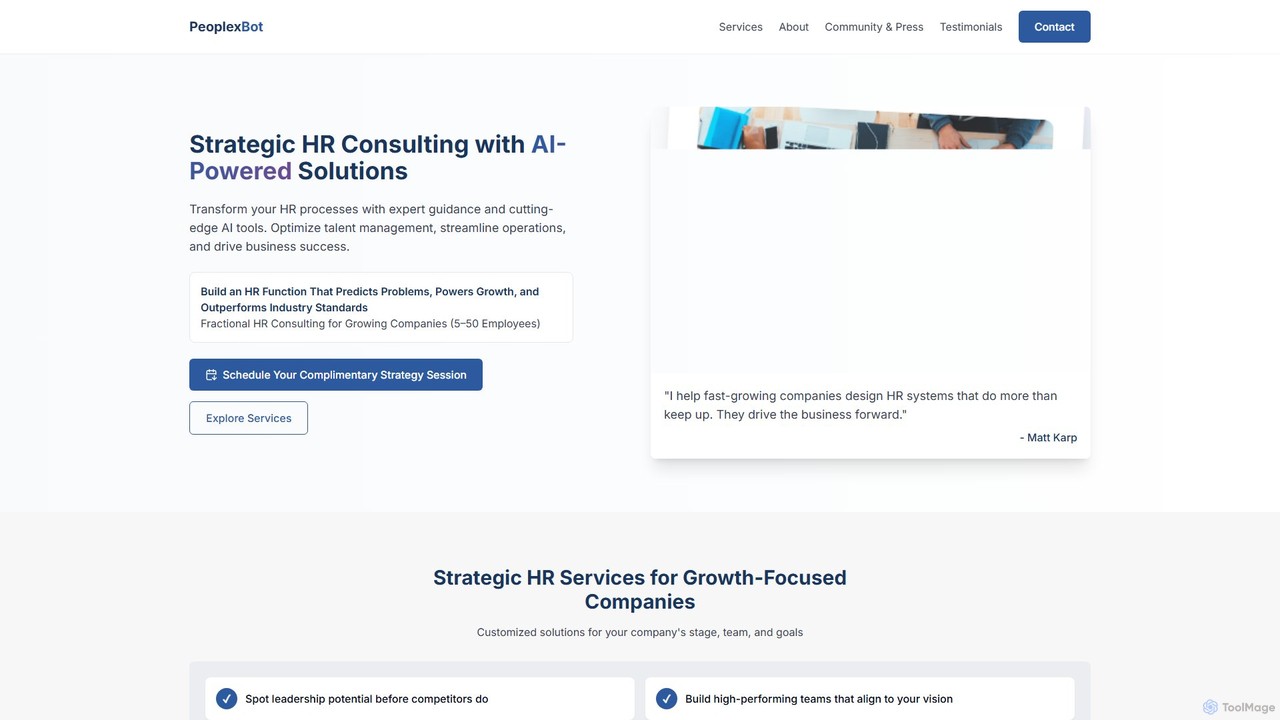
PeoplexBot

PeoplexBot

PeoplexBot offers strategic HR consulting powered by AI solutions, founded by expert Matt Karp. It's designed for growing …

3.1K
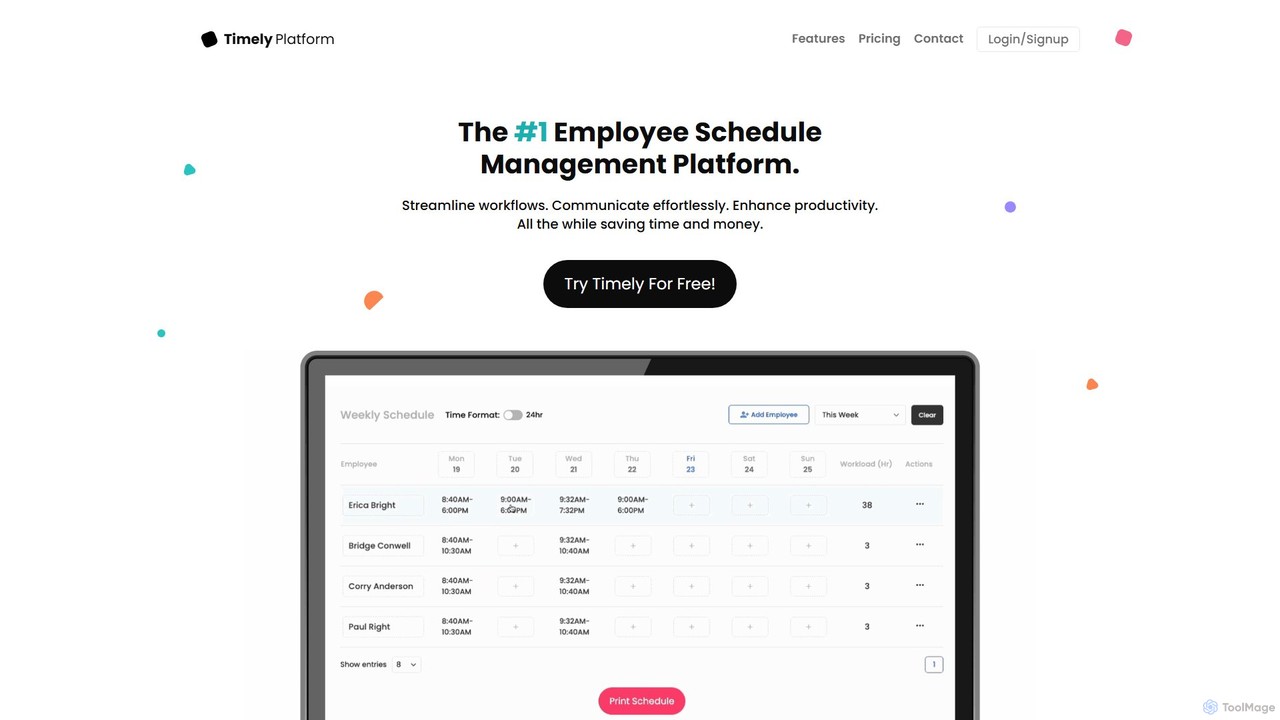
Timely

Timely

Timely is an AI-powered employee scheduling and workforce management platform designed to streamline operations for businesses of all …

4.9K
Aleah AI

Aleah AI

Aleah AI is a comprehensive, all-in-one AI content generation platform. It offers a vast library of templates for …

3.1K
Worktivity

Worktivity

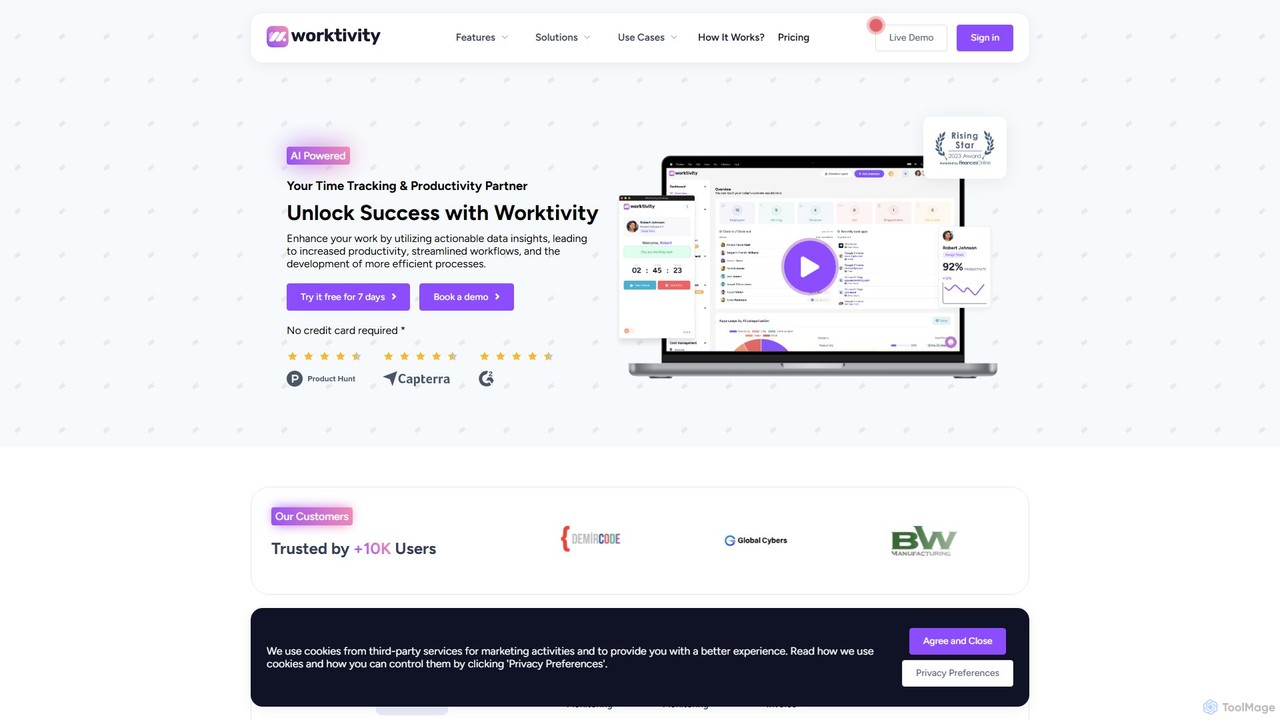
Worktivity is an AI-powered employee monitoring and productivity software designed to enhance team efficiency. It offers comprehensive features …

21.3K
7taps

7taps

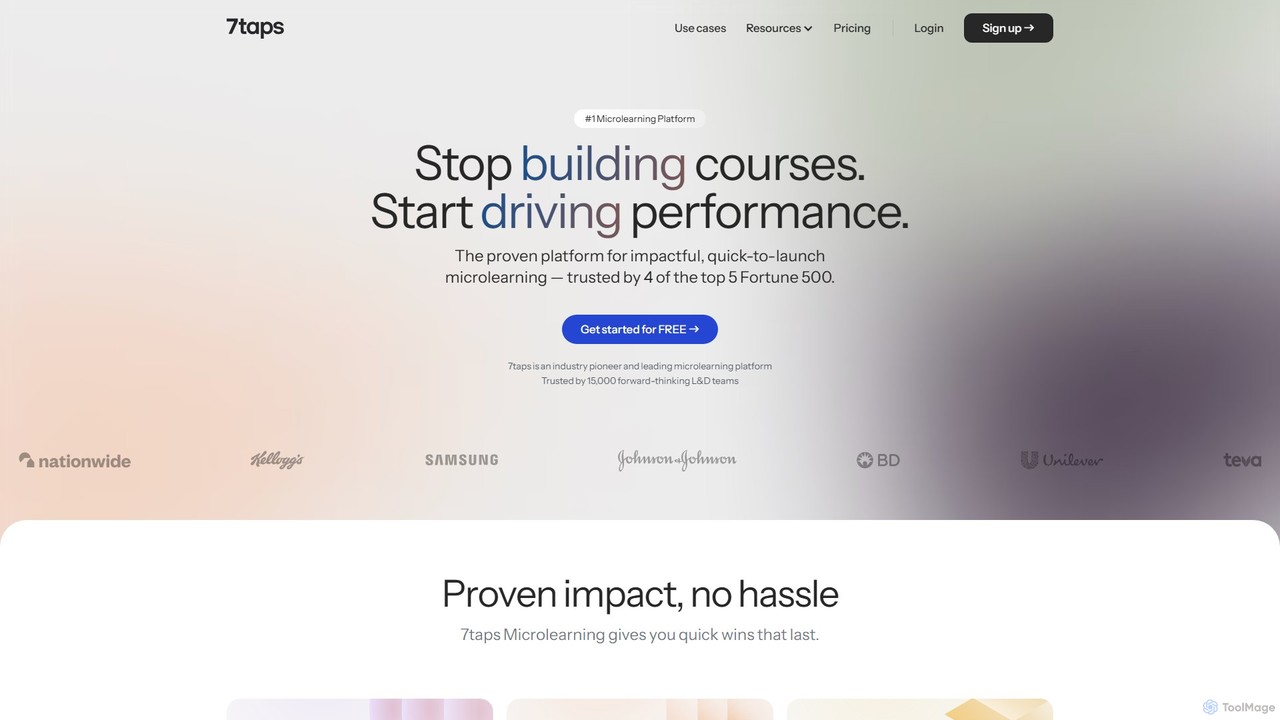
7taps is an AI-powered microlearning platform for creating and delivering bite-sized training. Trusted by Fortune 500 companies, it …

49.3K
Feishu

Feishu

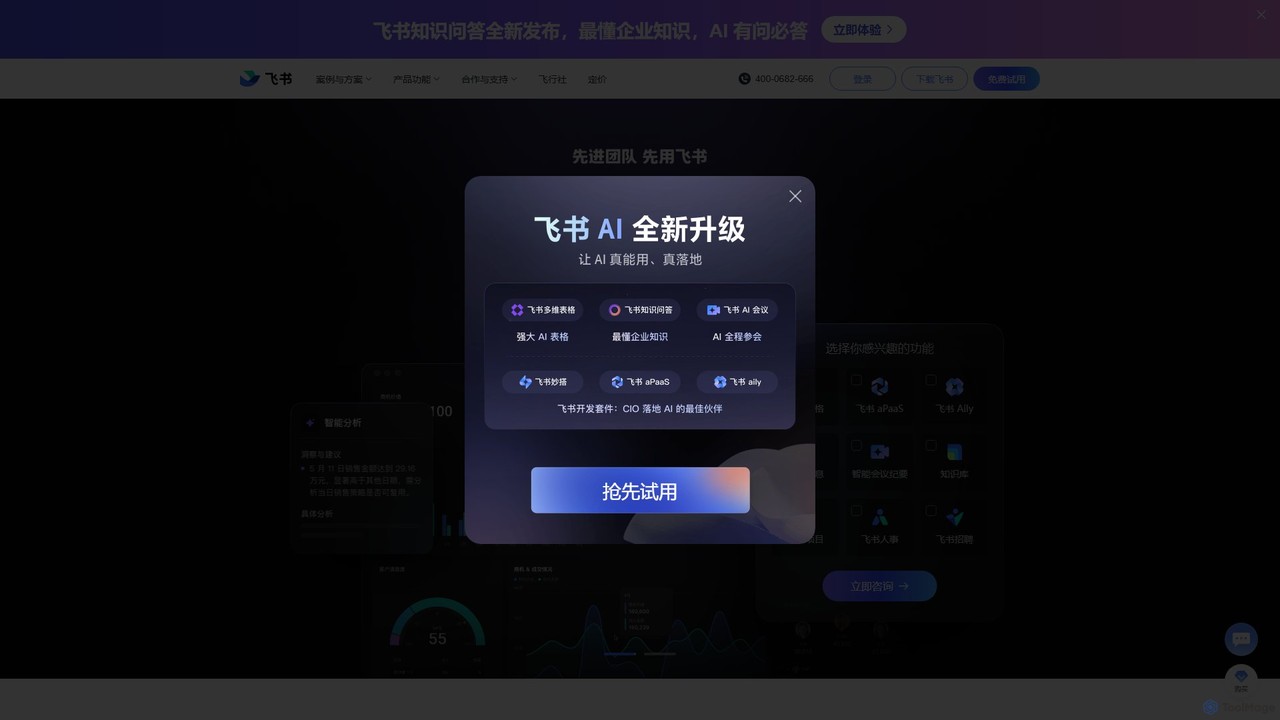
Feishu is an all-in-one enterprise collaboration and management platform powered by AI. It integrates instant messaging, video conferencing, …

66.8M
Whoz

Whoz

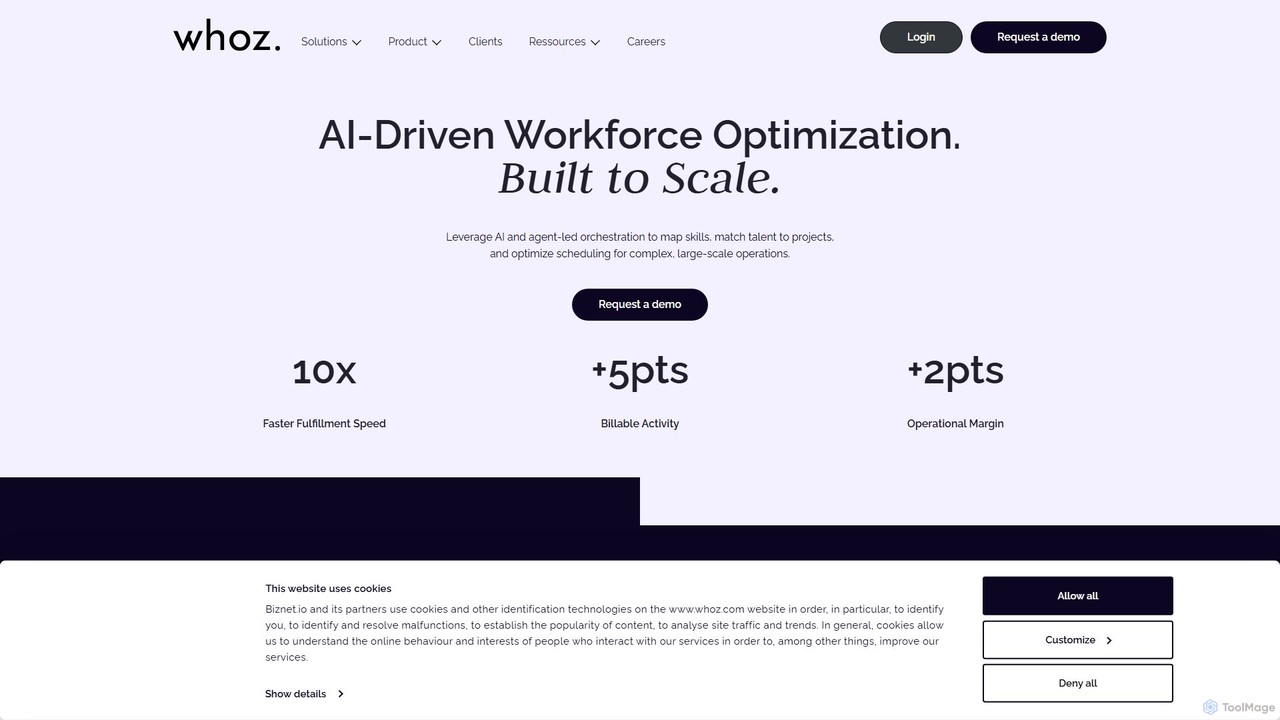
Whoz is an AI-powered workforce optimization and skills management platform designed for professional services, consulting, and IT companies. …

154.0K
goHeather

goHeather

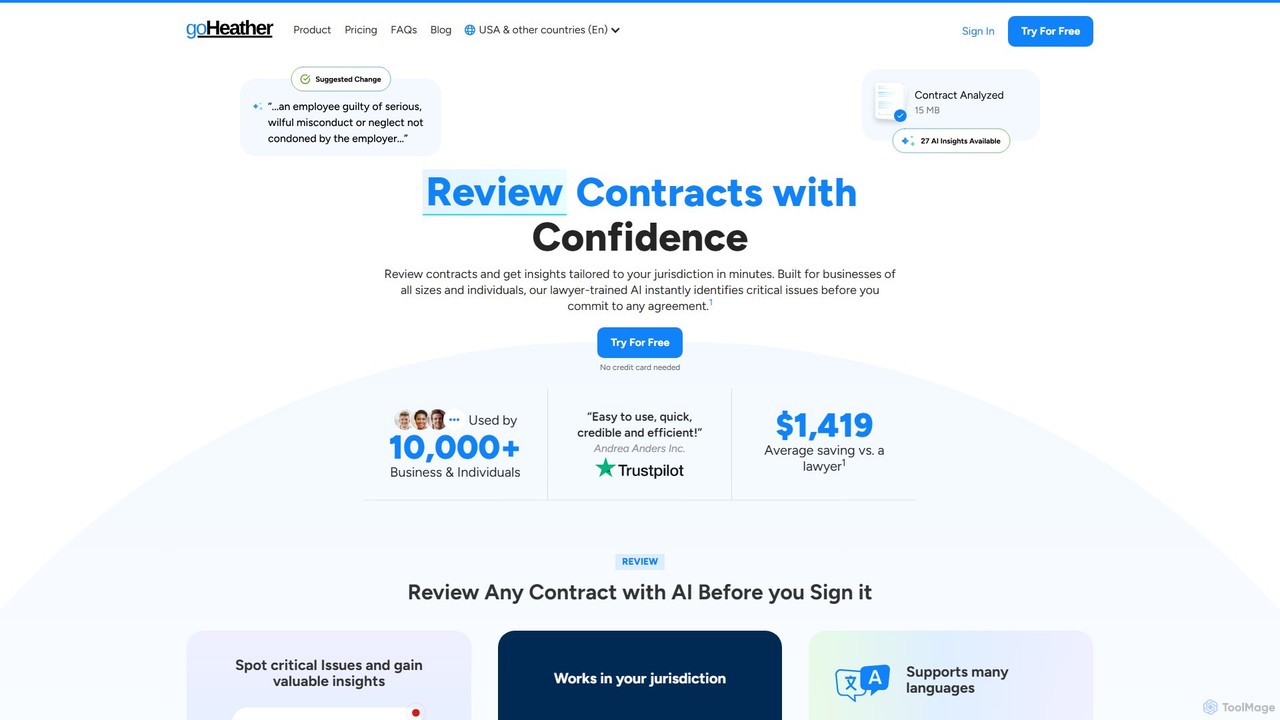
goHeather is a lawyer-trained AI platform for effortless contract drafting and review. It helps businesses and individuals analyze …

22.4K
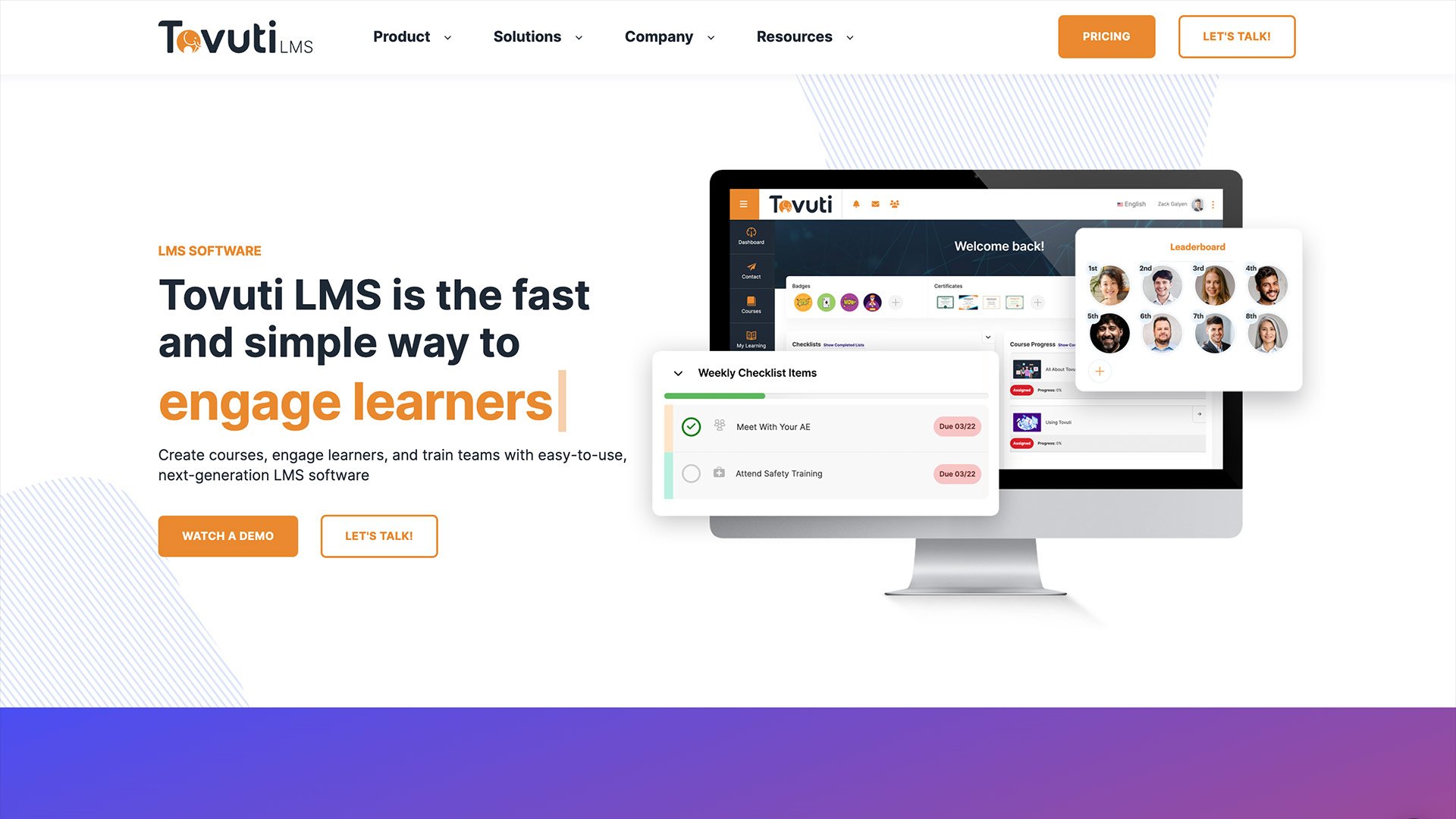
Tovuti LMS

Tovuti LMS

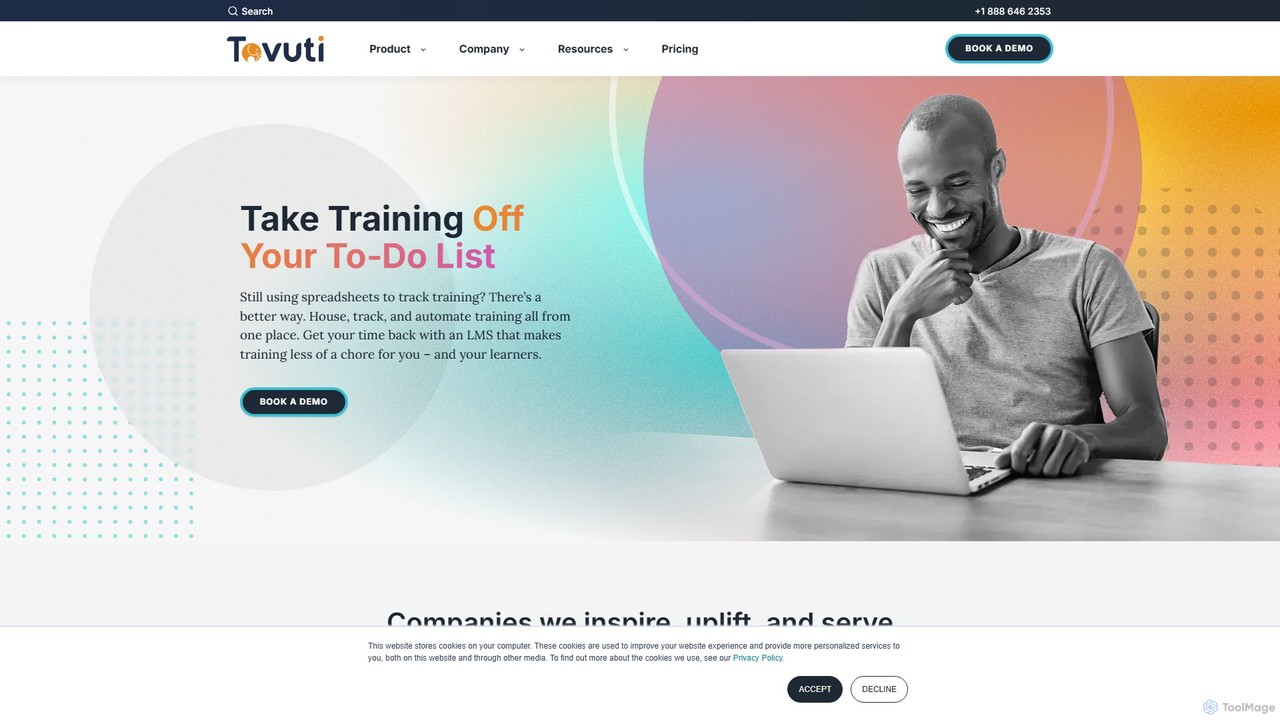
Tovuti LMS is a comprehensive learning management system that leverages AI to streamline corporate training. Its Dizi AI …

18.3K
Soon

Soon

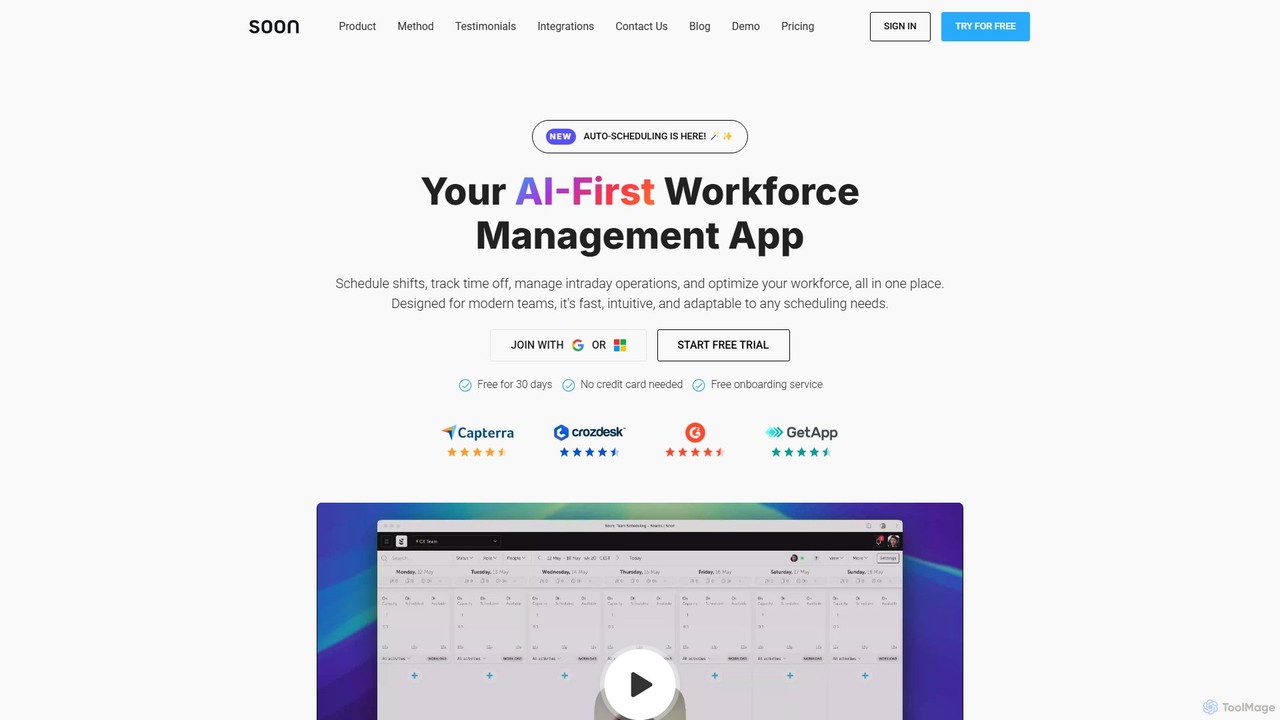
Soon is an AI-first workforce management platform designed to automate and optimize team operations. It simplifies shift scheduling, …

14.2K
FaceCropJet

FaceCropJet

FaceCropJet is an AI-powered desktop software that automatically detects and crops faces from photos, creating perfectly formatted images …

4.4K
Shoorah

Shoorah

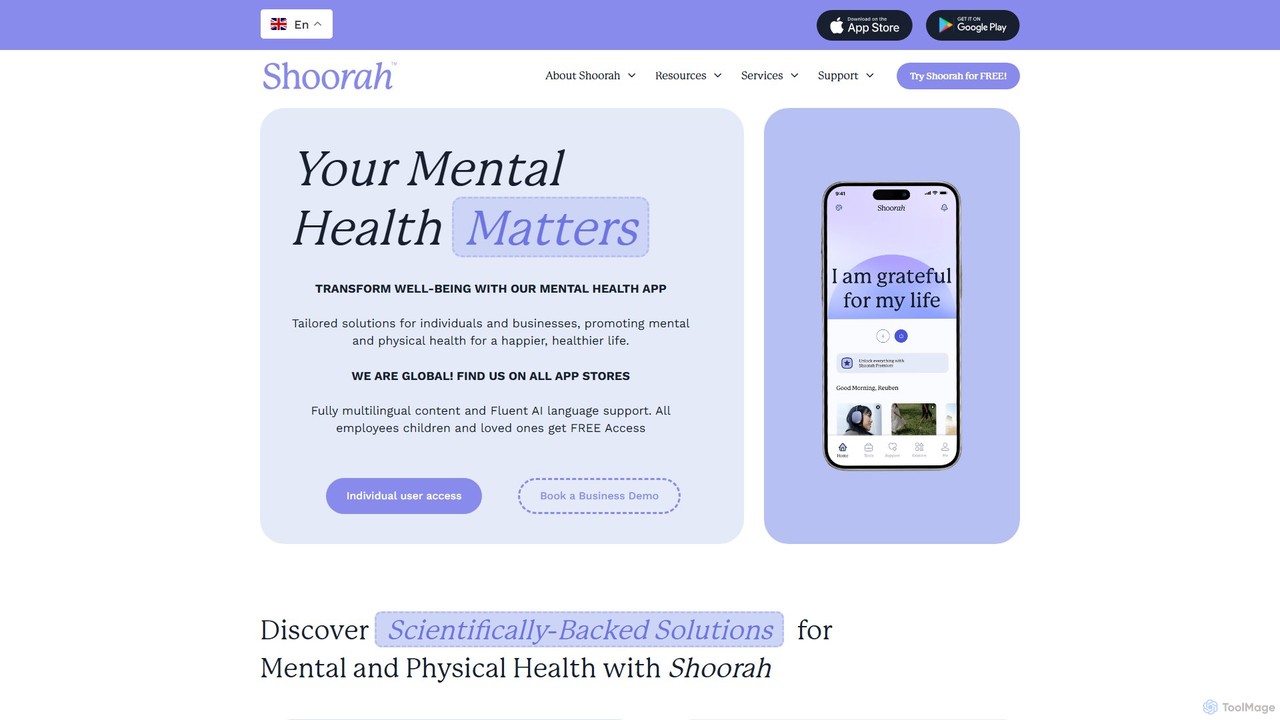
Shoorah is a comprehensive 360° mental health and wellbeing solution available as a mobile app. It offers personalized …

9.1K
Rezolve.ai

Rezolve.ai

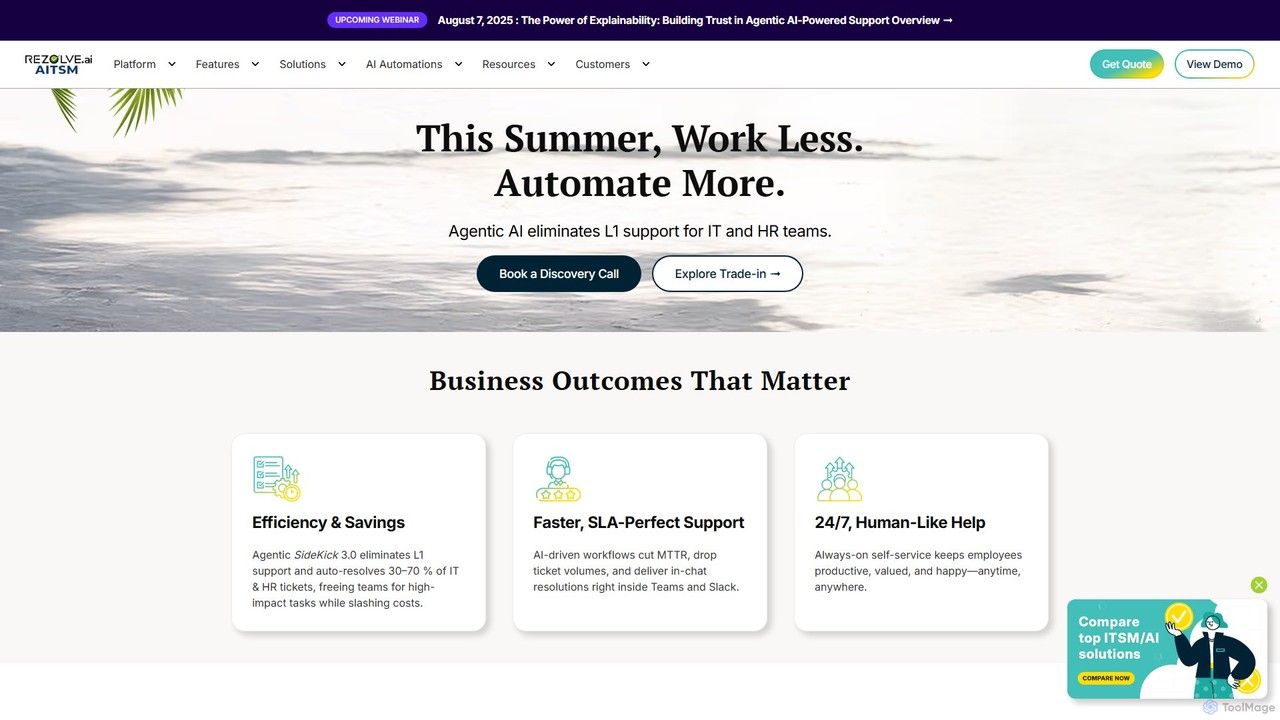
Rezolve.ai is an advanced AI-powered platform for IT and HR support, leveraging agentic AI to automate up to …

23.5K
yunkaoai

yunkaoai

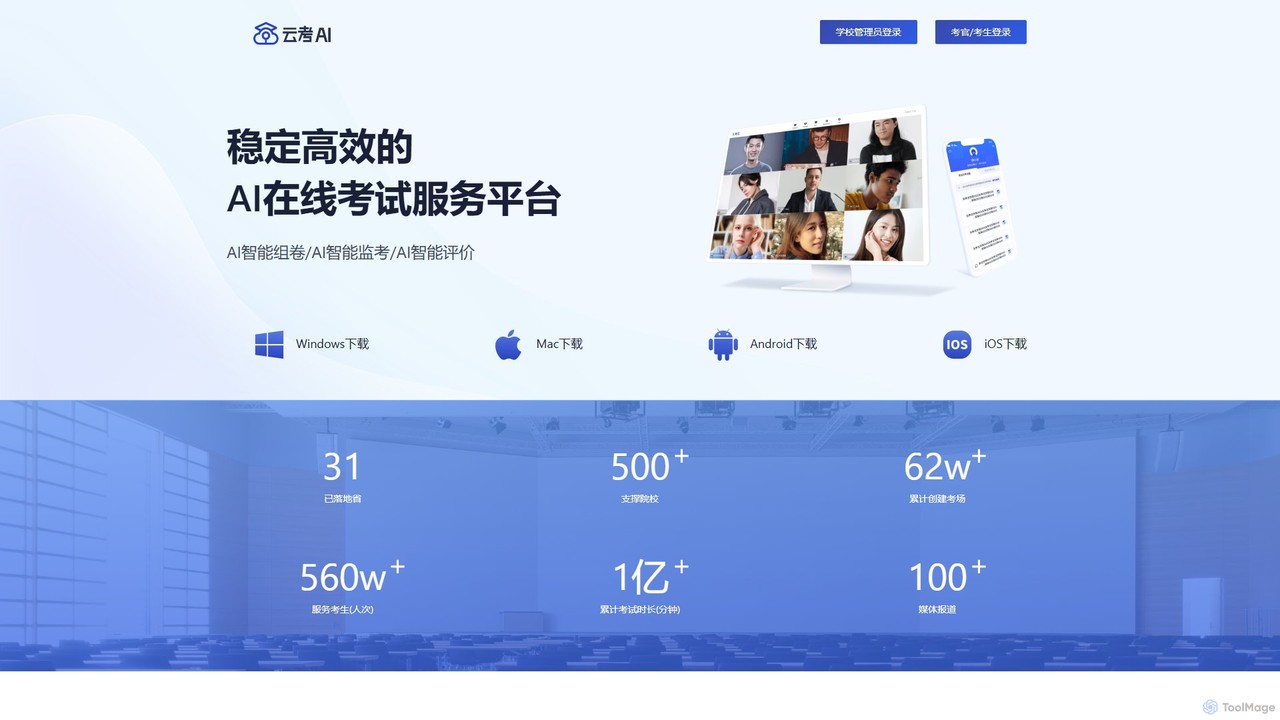
yunkaoai is an AI-powered online examination platform designed for educational institutions. It offers a comprehensive solution for creating, …

23.2K
wakeycalls

wakeycalls

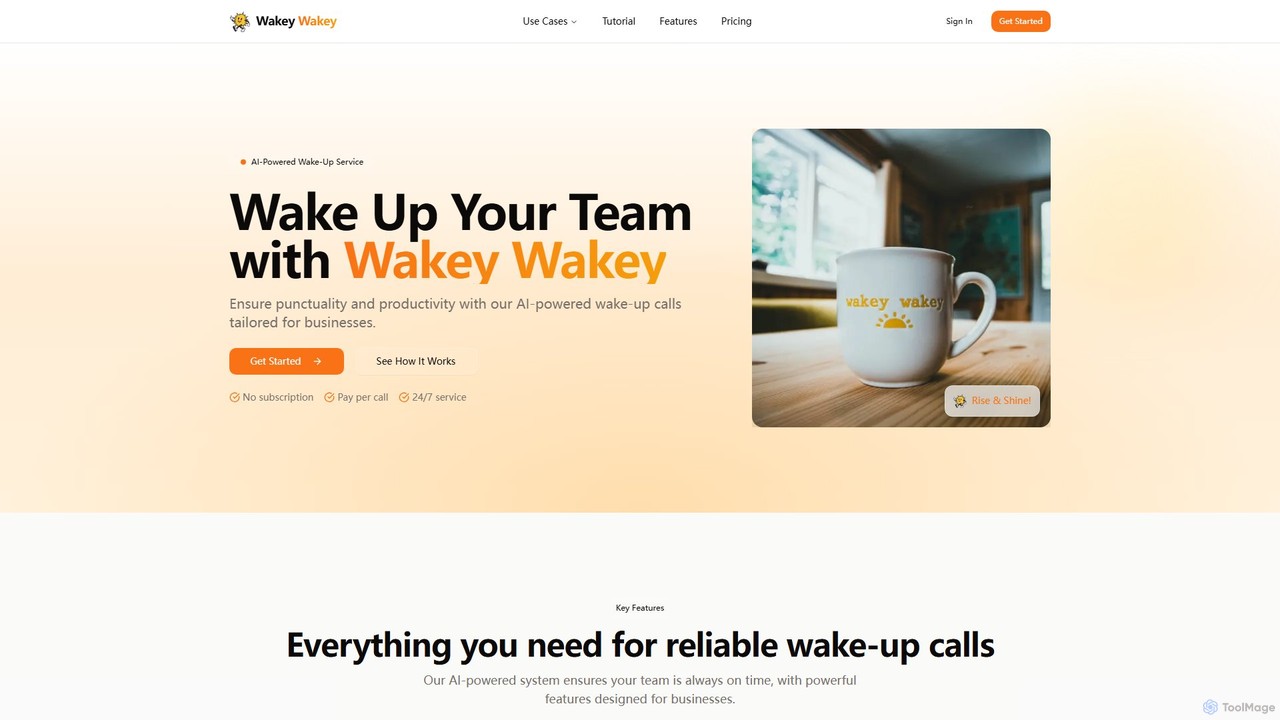
Wakeycalls is an AI-powered wake-up call service designed for businesses to enhance team punctuality and productivity. It automates …

3.9K
eSkilled AI Course Creator

eSkilled AI Course Creator

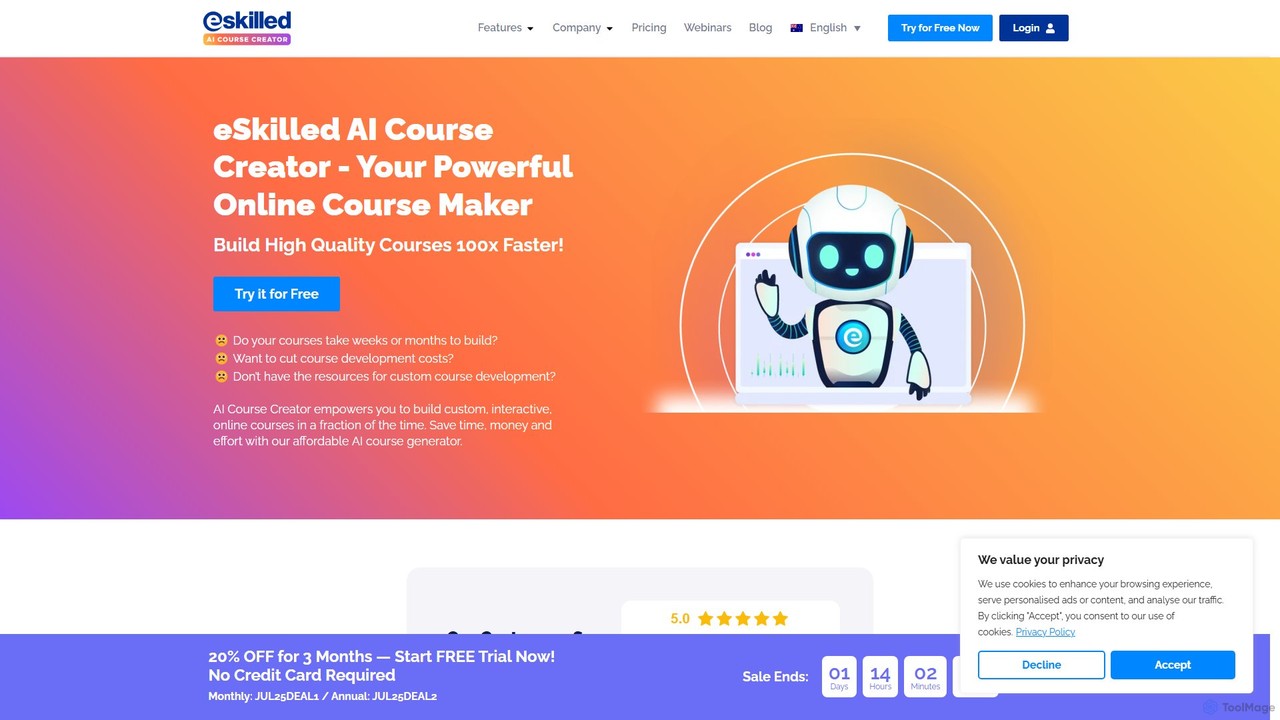
eSkilled AI Course Creator is a powerful AI-driven platform designed to build high-quality, interactive online courses up to …

4.9K
meramonitor

meramonitor

meramonitor is an AI-powered workforce analytics and employee monitoring platform designed to enhance productivity for remote, hybrid, and …

26.0K
TimeChamp

TimeChamp

TimeChamp is an AI-powered employee productivity tracking and workforce analytics platform. It helps businesses monitor computer activities, track …

152.2K

About Human Resources

Human Resources AI tools are specialized artificial intelligence applications designed to optimize and automate various HR functions within a business, significantly enhancing operational efficiency and strategic decision-making. These advanced tools leverage machine learning, natural language processing (NLP), and predictive analytics to transform traditional HR processes, from talent acquisition and onboarding to employee engagement, performance management, and workforce planning. By automating repetitive tasks and providing data-driven insights, AI in HR empowers HR professionals to shift their focus from administrative burdens to more strategic initiatives, fostering a more productive and engaged workforce. As a vital component of modern business operations, these AI solutions are reshaping how organizations manage their most valuable asset: their people.

Core Features

  • Automated Recruitment & Sourcing: AI algorithms streamline the entire recruitment lifecycle by intelligently sourcing candidates, performing initial resume screening, and even scheduling interviews. This reduces time-to-hire, minimizes unconscious bias, and ensures a more qualified talent pool.
  • Personalized Onboarding & Training: AI-powered platforms create tailored onboarding experiences for new hires, providing relevant information and resources. They can also recommend personalized training modules based on an employee's role, skill gaps, and career aspirations.
  • Employee Engagement & Sentiment Analysis: These tools analyze internal communications, surveys, and feedback to gauge employee sentiment, identify potential issues, and measure engagement levels. This allows organizations to proactively address concerns and improve retention.
  • Performance Management & Feedback: AI facilitates more objective and continuous performance management by tracking goals, analyzing productivity data, and providing personalized feedback. It helps identify high-performers and areas for improvement, supporting fair development plans.
  • Predictive Workforce Planning & Analytics: Leveraging historical data and external trends, AI tools can forecast future talent needs, identify potential skill gaps, and predict attrition risks. This enables proactive workforce planning, optimizing resource allocation and ensuring business continuity.

Applicable Scenarios

Human Resources AI tools are indispensable across various organizational contexts. Large multinational corporations utilize them for managing diverse global talent pools, ensuring consistent HR policies, and navigating complex compliance landscapes. Small to medium-sized businesses benefit significantly from automating time-consuming administrative tasks such as initial candidate screening, personalized onboarding, and handling common employee inquiries through AI-powered chatbots, freeing up limited HR staff. Recruiters leverage AI for faster, more accurate, and bias-reduced candidate selection. HR managers employ these tools for strategic workforce development, identifying key talent, and implementing data-driven employee retention programs. Employees themselves benefit from personalized learning paths and instant access to HR support.

How to Choose

When selecting Human Resources AI tools, several critical factors should guide your decision. First, clearly define the specific HR functions you aim to enhance, whether it's recruitment efficiency, employee engagement, or strategic workforce planning. Second, assess the tool's integration capabilities with your existing Human Resources Information Systems (HRIS), payroll software, and other business applications to ensure seamless data flow. Third, prioritize data security, privacy, and compliance with relevant regulations like GDPR or CCPA, given the sensitive nature of HR data. Fourth, evaluate the level of customization and scalability offered, ensuring the solution can adapt to your organization's unique needs and grow with your business. Finally, consider the user-friendliness for both HR staff and employees, as adoption rates are crucial for maximizing the tool's value, and compare pricing models based on your organization's size, feature requirements, and long-term budget.

Human ResourcesUse Cases

1

Automated Resume Screening and Candidate Matching

Recruitment teams often face an overwhelming volume of applications. AI HR tools automate the initial screening process by analyzing resumes for keywords, skills, and experience relevant to job descriptions. This significantly reduces the manual effort required, identifies top candidates more efficiently, and helps mitigate unconscious bias in the early stages of recruitment. Recruiters can quickly filter thousands of applications, focusing their time on engaging with the most promising prospects, thereby accelerating the hiring cycle and improving candidate quality.

2

Personalized Employee Onboarding and Development

New hires can feel overwhelmed by information during onboarding. AI tools create personalized onboarding journeys, delivering relevant documents, training modules, and company information based on their role and department. Beyond onboarding, these tools can recommend tailored learning paths and development opportunities, identifying skill gaps and suggesting courses or mentors. This ensures employees quickly become productive, feel supported, and continuously grow within the organization, leading to higher retention rates and improved skill sets across the workforce.

3

Predictive Workforce Planning and Attrition Management

HR leaders need to anticipate future talent needs and potential employee turnover. AI-powered analytics can process vast amounts of internal and external data to predict future workforce requirements, identify critical skill gaps, and forecast attrition risks within specific departments or roles. By understanding these trends, organizations can proactively implement retention strategies, initiate targeted recruitment campaigns, and develop internal talent pipelines. This strategic foresight minimizes disruption, optimizes resource allocation, and ensures business continuity, saving significant costs associated with high turnover.

4

AI-Powered Performance Feedback and Coaching

Managers often struggle to provide consistent, objective, and timely performance feedback. AI HR tools can analyze performance data, project progress, and even communication patterns to offer objective insights and suggestions for improvement. They can facilitate continuous feedback loops, identify areas where employees might need coaching, and suggest relevant resources. This leads to more equitable performance reviews, fosters a culture of continuous improvement, and helps employees understand their strengths and development areas, ultimately boosting overall team productivity and individual growth.

5

Employee Engagement and Sentiment Analysis

Understanding employee morale and satisfaction is crucial for a healthy work environment. AI tools analyze anonymous feedback from surveys, internal communication platforms, and other sources to gauge overall sentiment and identify emerging trends or concerns. They can pinpoint specific issues affecting engagement, such as workload, management style, or work-life balance. This enables HR departments to proactively address problems, implement targeted initiatives to boost morale, and foster a more positive and productive workplace culture, significantly impacting retention and productivity.

6

Automated HR Helpdesk and Query Resolution

HR departments frequently receive a high volume of routine inquiries regarding policies, benefits, or payroll. AI-powered chatbots and virtual assistants can handle these common questions instantly, providing accurate and consistent information 24/7. This frees up HR staff from repetitive administrative tasks, allowing them to focus on more complex and strategic issues. Employees benefit from immediate access to information, improving their experience and reducing frustration, while HR operations become more efficient and scalable, especially in large organizations.

Human ResourcesFrequently Asked Questions