ToolMage
Sign in

Best 4 Performance Management AI tools for Business

Popular Performance Management AI tools in Business include Ubits, Twiser, RevScope, and Palm, helping you work more efficiently.

RevScope
Freemium

RevScope

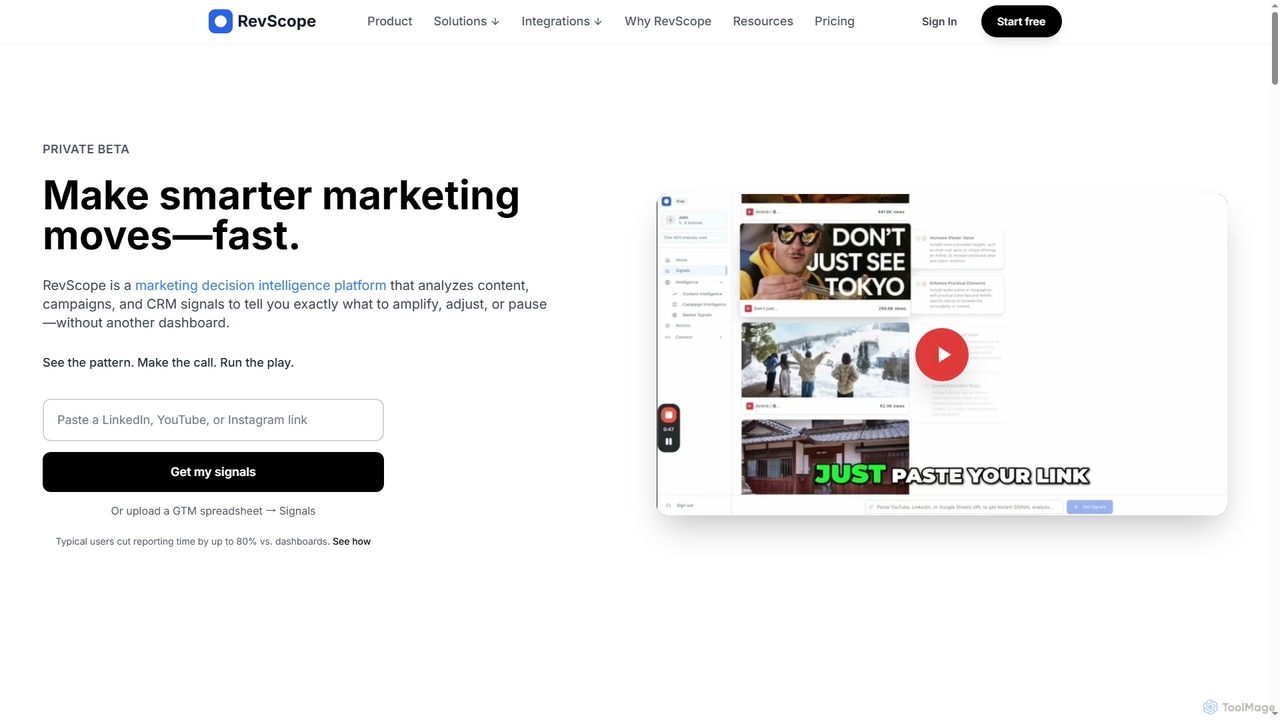
RevScope is an AI-powered marketing decision intelligence platform that analyzes content, campaigns, and CRM signals to provide clear, actionable next steps. It helps marketing and RevOps teams make faster, data-backed decisions, reduce reporting time, and optimize go-to-market strategies for measurable growth.

Marketing Analytics
Visits 5.1KFavorites 132Likes 134
Ubits
Paid

Ubits

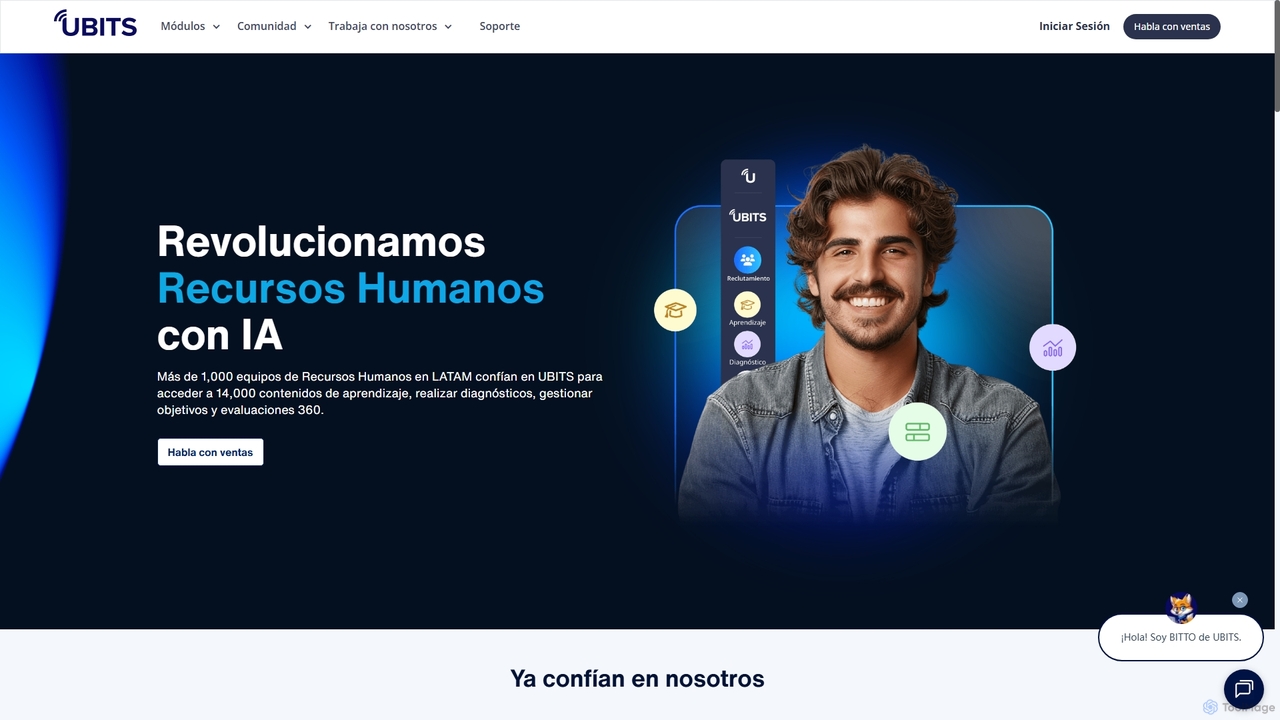
ubits is an all-in-one, AI-powered Human Resources software designed to transform talent management. It integrates learning, performance, diagnostics, and employee surveys into a single platform. Trusted by over 1,000 HR teams, ubits helps organizations develop employee competencies, manage goals, conduct 360° evaluations, and gain actionable insights through advanced analytics to foster a culture of continuous growth and engagement.

Employee Engagement
Visits 63.4KFavorites 125Likes 126
Twiser
Paid

Twiser

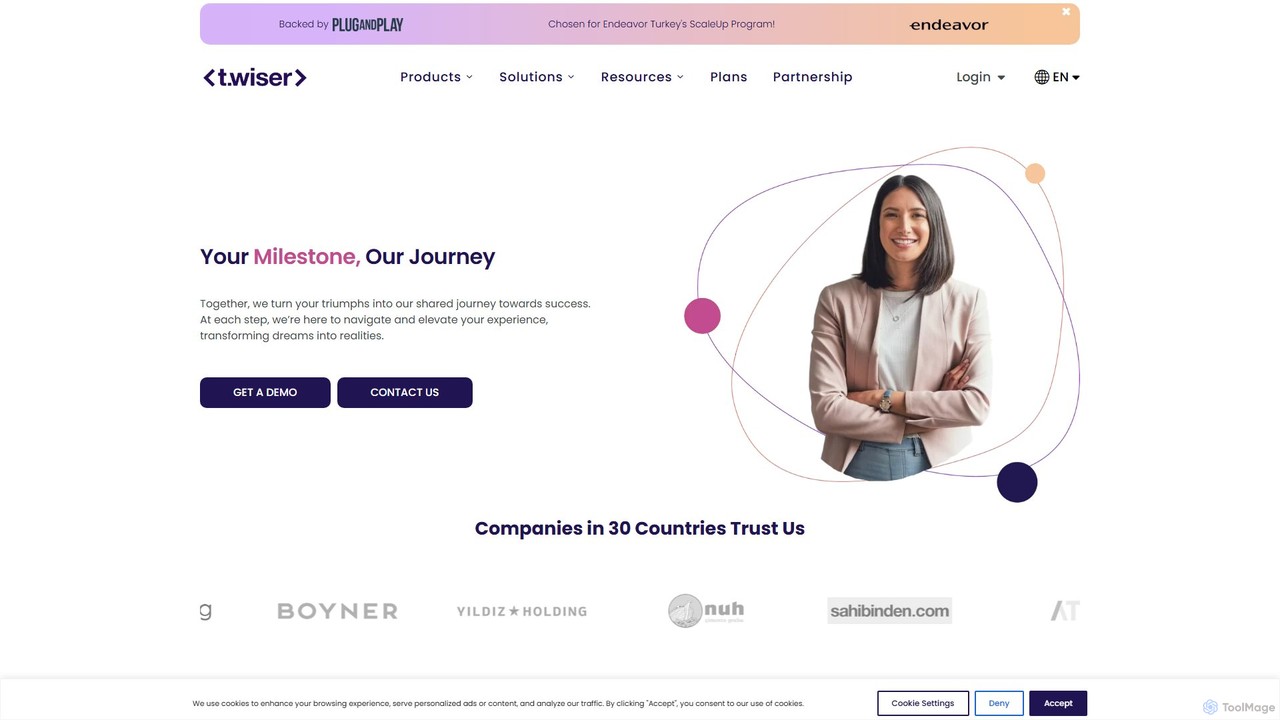
Twiser is a comprehensive AI-powered talent management platform designed to enhance employee performance, streamline goal setting with OKRs, and facilitate succession planning. It integrates performance reviews, 360° feedback, a learning management system (LMS), and an AI OKR assistant to align teams, boost productivity, and foster a data-driven, growth-oriented work culture for businesses of all sizes.

Performance Management
Visits 28.7KFavorites 105Likes 91
Palm
Paid

Palm

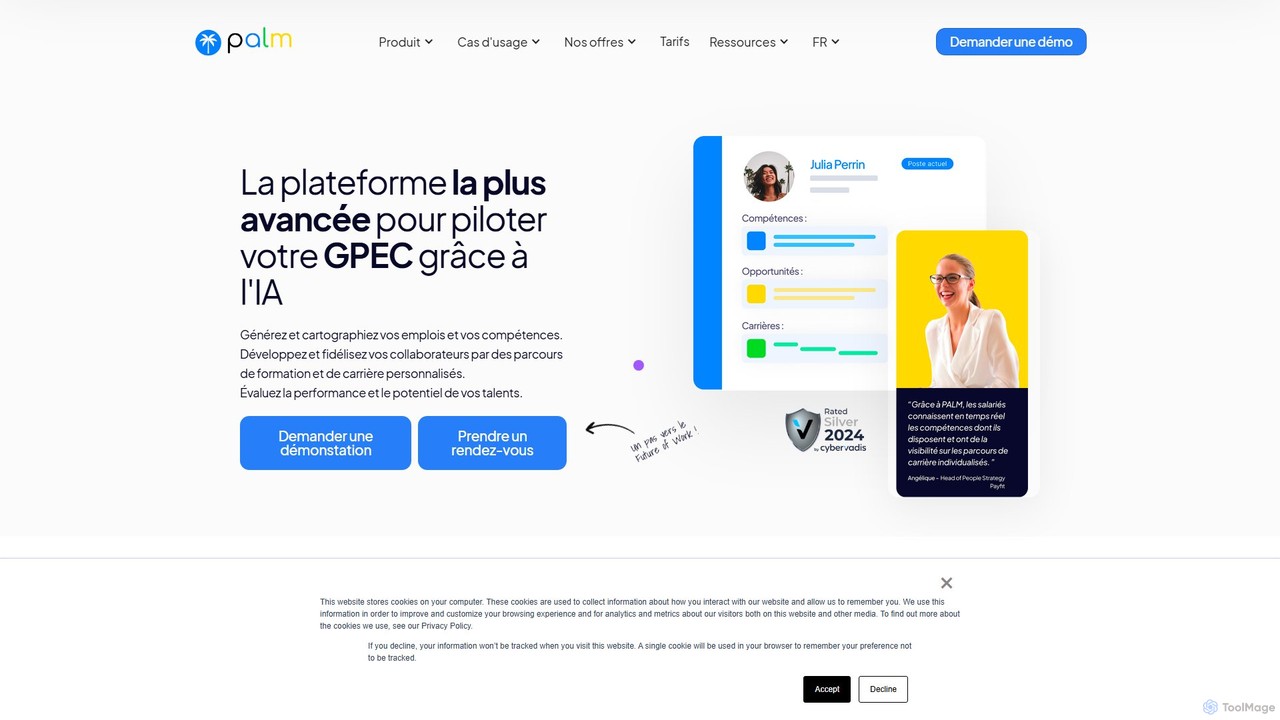
Palm is an AI-powered platform for strategic workforce planning and talent management. It helps HR teams map skills, create personalized career paths, evaluate performance, and foster internal mobility. By automating HR processes and providing data-driven insights, Palm aims to increase employee retention, engagement, and overall business performance.

Performance Management
Visits 5KFavorites 112Likes 109

About Performance Management

AI Performance Management tools are specialized platforms that use artificial intelligence to continuously monitor, analyze, and improve employee performance. They leverage machine learning algorithms to process data from various sources, such as feedback, goal progress, and project outcomes, providing objective insights. This enables organizations to move beyond traditional annual reviews towards a more dynamic, data-driven approach to talent development. These tools help identify top performers, detect skill gaps, and offer personalized coaching at scale.

Core Features

  • Continuous Feedback Analysis: Uses NLP to analyze sentiment and themes from real-time peer and manager feedback.
  • Predictive Performance Analytics: Identifies employees at risk of turnover and predicts future performance trends.
  • AI-Powered Goal Setting (OKRs): Helps align individual goals with company objectives and suggests key results.
  • Automated Development Plans: Generates personalized learning and coaching recommendations based on performance data.
  • Bias Detection & Mitigation: Scans review text to flag potentially biased language and patterns.

Use Cases

These tools are primarily used by HR departments, team leaders, and executives in mid-to-large enterprises. They are particularly valuable in fast-paced industries like tech, sales, and consulting, where continuous improvement and talent retention are critical. For example, a sales manager can use it to get real-time coaching suggestions for their team, while an HR leader can use it for data-driven succession planning.

How to Choose

When selecting a tool, consider its integration capabilities with your existing HRIS and communication platforms like Slack or Teams. Evaluate the sophistication of its analytics and predictive models. Also, assess the user interface for both employees and managers, and check the platform's data privacy and security compliance.

Performance Management use cases

1

Automating 360-Degree Feedback Analysis

HR managers and team leads often struggle with the manual effort of collecting and synthesizing 360-degree feedback. An AI Performance Management tool automates this by sending review requests and then using Natural Language Processing (NLP) to analyze qualitative responses. It identifies recurring themes, sentiment, and specific skill strengths or weaknesses across dozens of reviews in minutes. This provides a comprehensive, unbiased summary for each employee, saving hundreds of hours and enabling more constructive development conversations.

2

Data-Driven Goal Setting and OKR Alignment

For a fast-growing tech company, ensuring everyone's goals are aligned is a major challenge. Using an AI tool, department heads can set strategic objectives. The AI then helps teams and individuals create aligned Key Results (KRs) by suggesting relevant metrics and milestones. The platform continuously tracks progress, flags at-risk goals, and visualizes how individual contributions roll up to company-wide targets, fostering transparency and focus.

3

Identifying and Nurturing High-Potential Employees

Talent managers need to identify future leaders for succession planning. An AI platform analyzes a wide range of performance data, including project contributions, feedback scores, and goal achievement rates, to identify high-potential employees who might be overlooked in traditional reviews. It provides objective, data-backed nominations, helping the organization build a robust leadership pipeline and invest development resources more effectively.

4

Providing Real-Time Sales Performance Coaching

A sales director wants to improve their team's performance consistently, not just during quarterly reviews. By integrating with the company's CRM, the AI performance tool analyzes sales activity, deal progression, and win rates. It then provides real-time, personalized coaching tips to sales reps directly within their workflow, suggesting specific actions to improve their pipeline management or closing techniques, leading to a measurable uplift in sales performance.

5

Reducing Unconscious Bias in Promotions

During promotion cycles, unconscious bias can influence decisions. An AI Performance Management tool helps mitigate this by analyzing the language used in performance reviews. It can flag gendered, subjective, or otherwise biased phrasing for reviewers to reconsider. The system presents decision-makers with a dashboard that compares candidates based on objective performance metrics, ensuring promotion decisions are more equitable and based on merit rather than personal affinity.

6

Enhancing Employee Engagement with Smart Recognition

To combat low morale and turnover, a company wants to foster a culture of recognition. The AI tool integrates with communication platforms like Slack or Microsoft Teams. It prompts managers to recognize team members for specific achievements linked to company values or goals. The AI can also analyze public channel conversations to suggest moments worthy of recognition, making appreciation timely, specific, and visible across the organization, which boosts engagement.

Performance Management FAQ

What is AI Performance Management?

AI Performance Management is a category of software that uses artificial intelligence to automate and enhance the process of tracking, evaluating, and developing employee performance. Unlike traditional systems, it provides continuous, data-driven insights by analyzing feedback, goal progress, and other work data. Key features include predictive analytics to identify flight risks, NLP for feedback analysis, and personalized development recommendations.

How do I choose the right AI Performance Management tool?

To choose the right tool, consider these factors:

  • Integration: Ensure it connects seamlessly with your existing HRIS, payroll, and communication tools (e.g., Slack, Teams).
  • Analytics Depth: Evaluate the sophistication of its predictive models and the clarity of its dashboards.
  • User Experience: The platform should be intuitive for employees, managers, and HR admins alike.
  • Customization: Check if you can tailor review cycles, competencies, and goal-setting frameworks to your company's needs.
  • Security & Compliance: Verify its data protection standards and compliance with regulations like GDPR.

What's the difference between AI Performance Management and traditional HR software?

The main difference lies in their approach and capabilities. Traditional HR software typically focuses on administrative tasks and annual, form-based reviews. AI Performance Management tools, on the other hand, enable a continuous, forward-looking process. They use AI to provide real-time insights, predict future outcomes (like turnover), detect bias, and offer personalized coaching, making performance management more strategic and developmental rather than purely evaluative.

What are the key benefits of using AI in performance management?

The key benefits include:

  • Objectivity: Reduces human bias in reviews and promotions by relying on data.
  • Efficiency: Automates administrative tasks like collecting feedback and generating reports.
  • Proactive Insights: Identifies potential issues, like employee disengagement or skill gaps, before they become critical.
  • Personalization: Delivers tailored development plans and coaching for each employee at scale.
  • Improved Engagement: Fosters a culture of continuous feedback and recognition, which can boost morale and retention.

Who should use AI Performance Management tools?

These tools are ideal for forward-thinking organizations, particularly mid-sized to large enterprises, that want to move away from outdated annual reviews. Key users include:

  • HR Leaders: For strategic talent management, succession planning, and reducing turnover.
  • Team Managers: To provide continuous feedback, track team goals, and coach their direct reports more effectively.
  • Executives: To gain a high-level overview of organizational health, performance trends, and leadership potential.