ToolMage
Sign in

Best 33 Character Ai AI tools for Chatbots

Popular Character Ai AI tools in Chatbots include JanitorAI, wsup.ai, EroPlay.ai, dippy, Agnai, Dreamjourney AI, ChatFAI, Rochat, perberos, and Charhub.ai, helping you work more efficiently.

Anyfans
Freemium

Anyfans

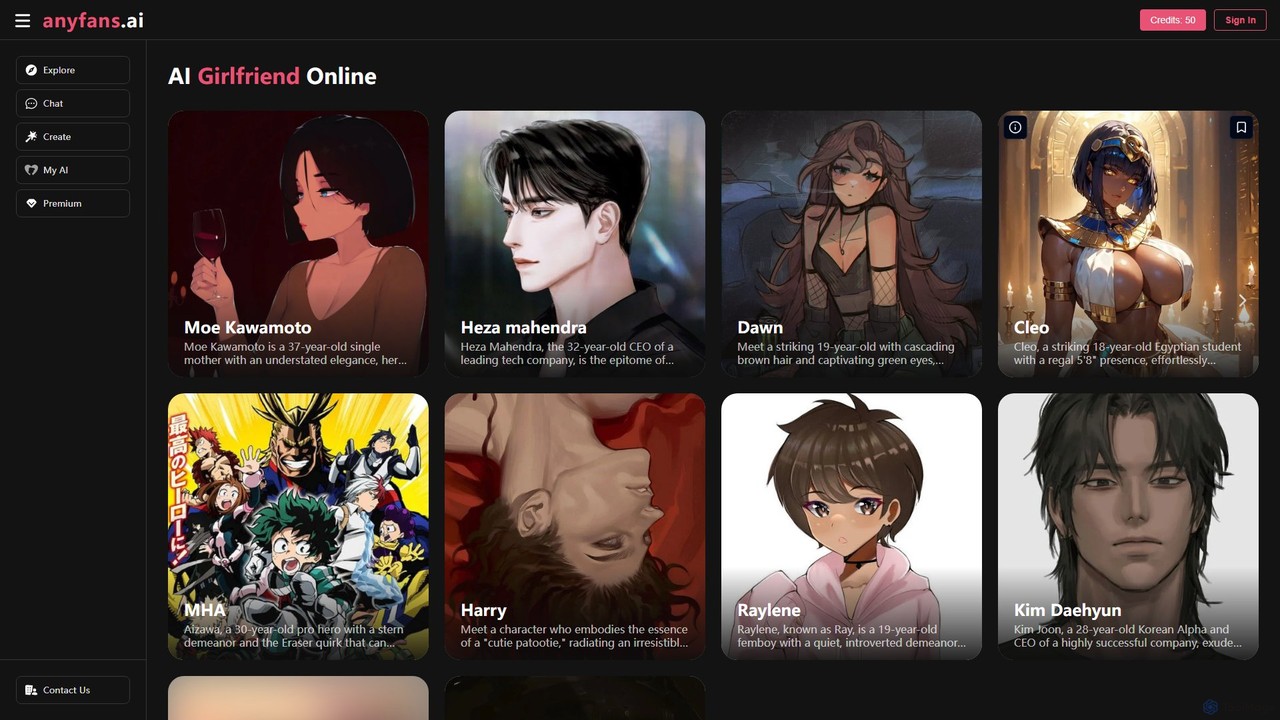
Anyfans is an AI-powered platform for creating and chatting with virtual companions. Users can explore a diverse library of pre-made AI characters or build their own unique AI from scratch, defining every detail from personality and backstory to appearance for deeply immersive role-playing and companionship.

Character Ai
Visits 9.7KFavorites 124Likes 120
wsup.ai
Freemium

wsup.ai

wsup.ai is a free, no-signup AI character chat platform. Instantly engage in conversations with a vast library of AI personas, or create your own for role-playing, storytelling, or casual chat. It features deep memory for coherent, long-term interactions and integrated image generation to bring your stories to life.

Character Ai
Visits 1.4MFavorites 143Likes 156
Dreamjourney AI
Freemium

Dreamjourney AI

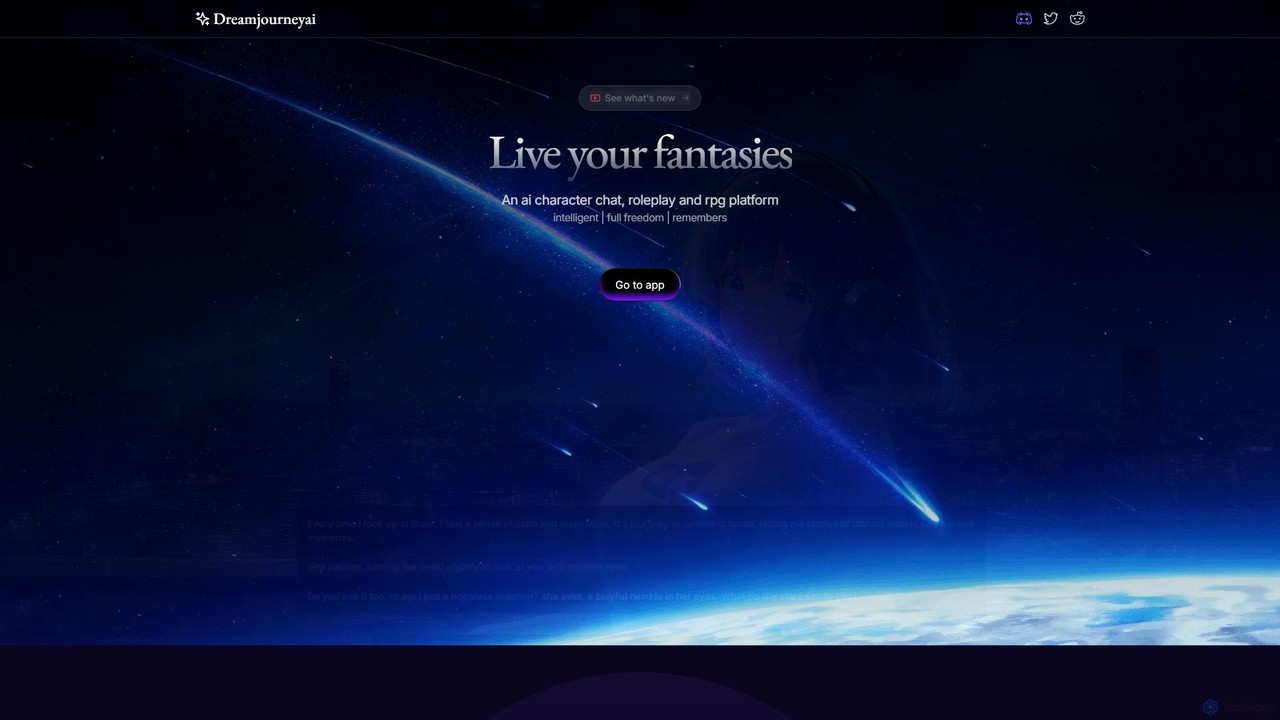
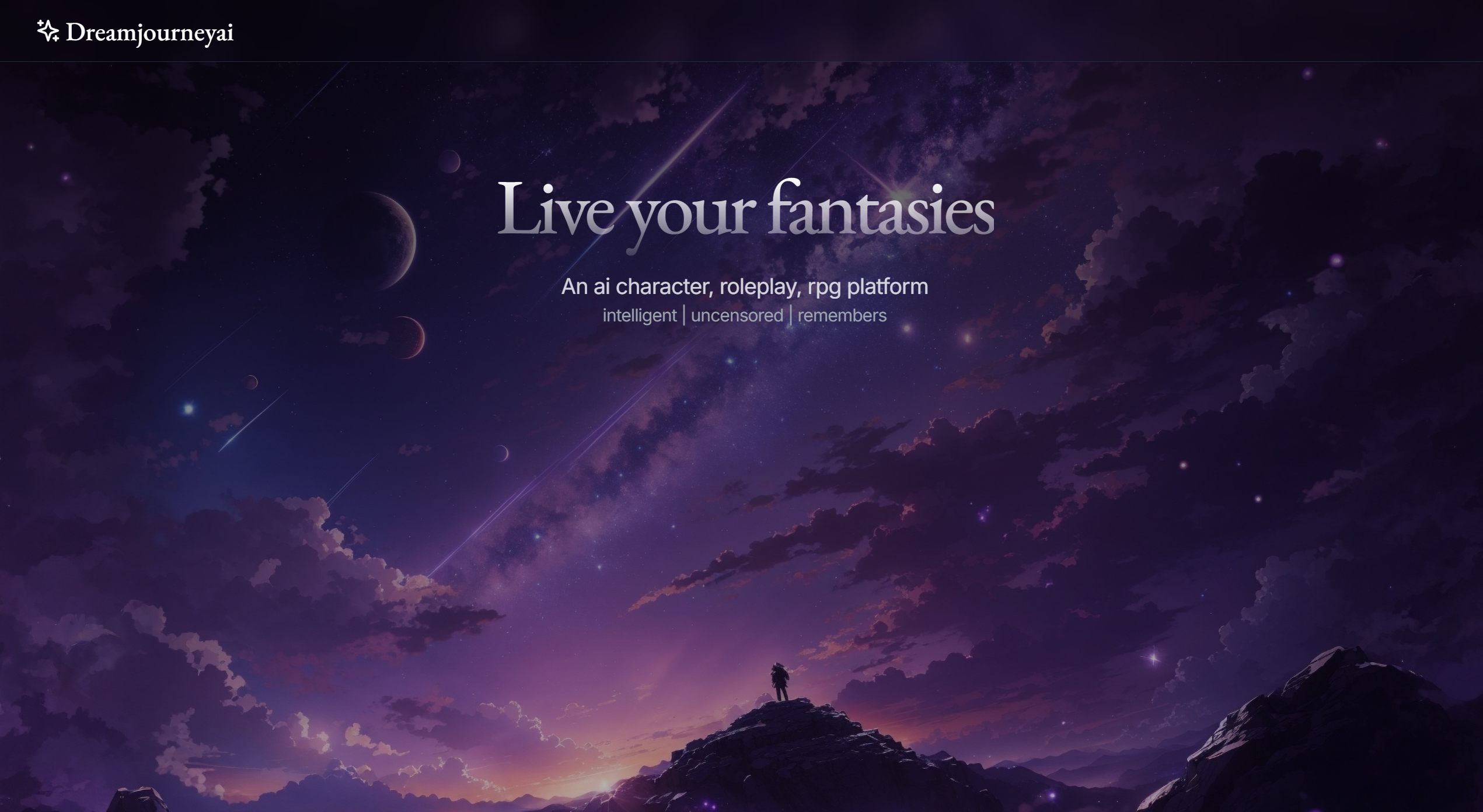
Dreamjourney AI is an advanced platform for uncensored AI character chat, roleplaying (RPG), and immersive storytelling. Interact with thousands of intelligent AI bots, build detailed worlds with the Lorebook feature, and enjoy seamless narrative continuity thanks to its advanced memory system. Unleash your creativity with full freedom.

Character Ai
Visits 238.4KFavorites 156Likes 167
DreamPal
Freemium

DreamPal

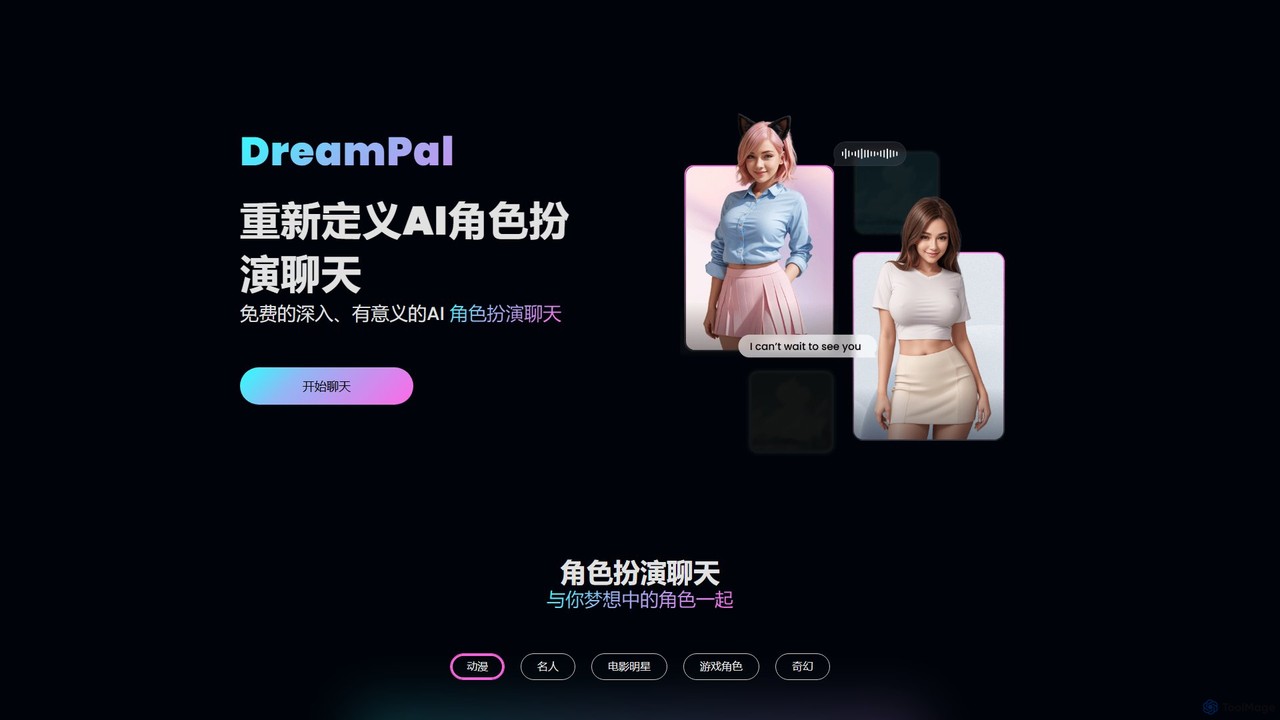
DreamPal is an advanced AI role-playing chatbot platform that offers immersive and meaningful conversations. Users can chat with a wide range of pre-made characters, including anime figures and celebrities, or create their own unique AI companions. It supports multi-modal communication (text, voice, image) and features an AI that learns from interactions to provide a deeply personalized experience.

Character Ai
Visits 8.6KFavorites 173Likes 183
LearChat
Free

LearChat

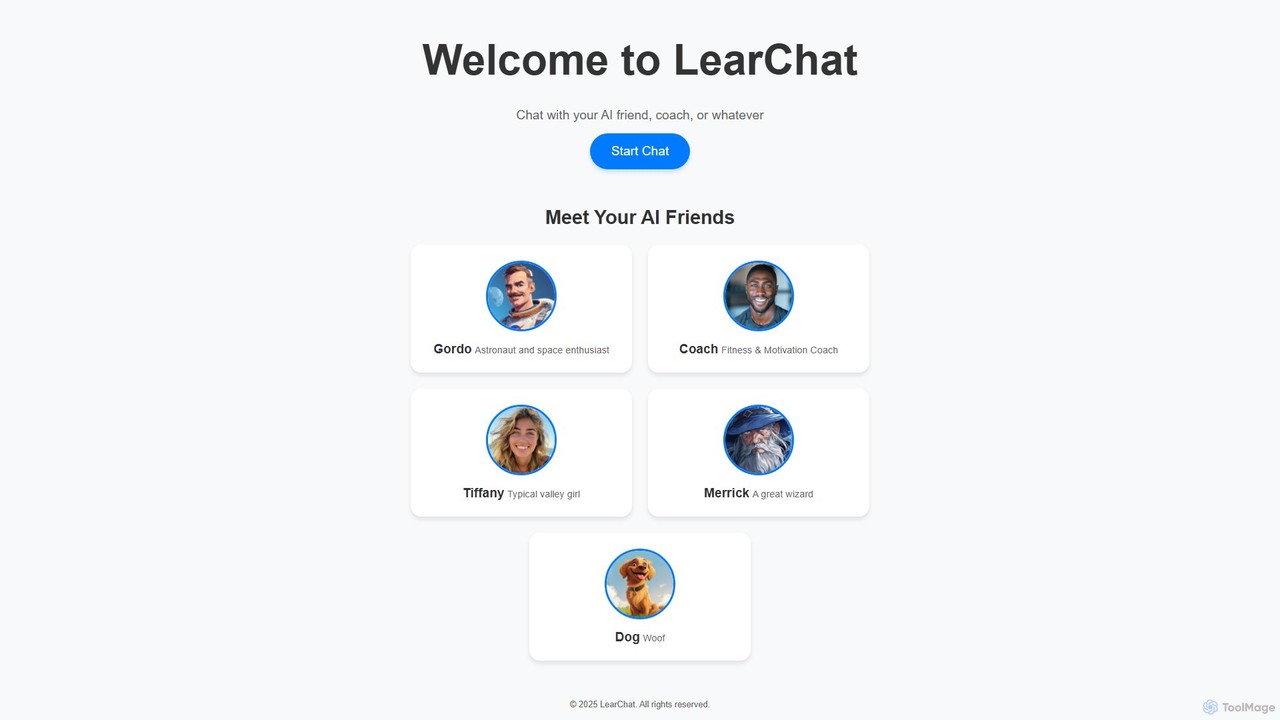
Engage in conversations with a diverse cast of AI characters, including friends, coaches, and fictional personas. LearChat offers a unique platform for entertainment, motivation, learning, and companionship through interactive, personality-driven chats.

Character Ai
Visits 5.8KFavorites 157Likes 142
Kajiwoto
Freemium

Kajiwoto

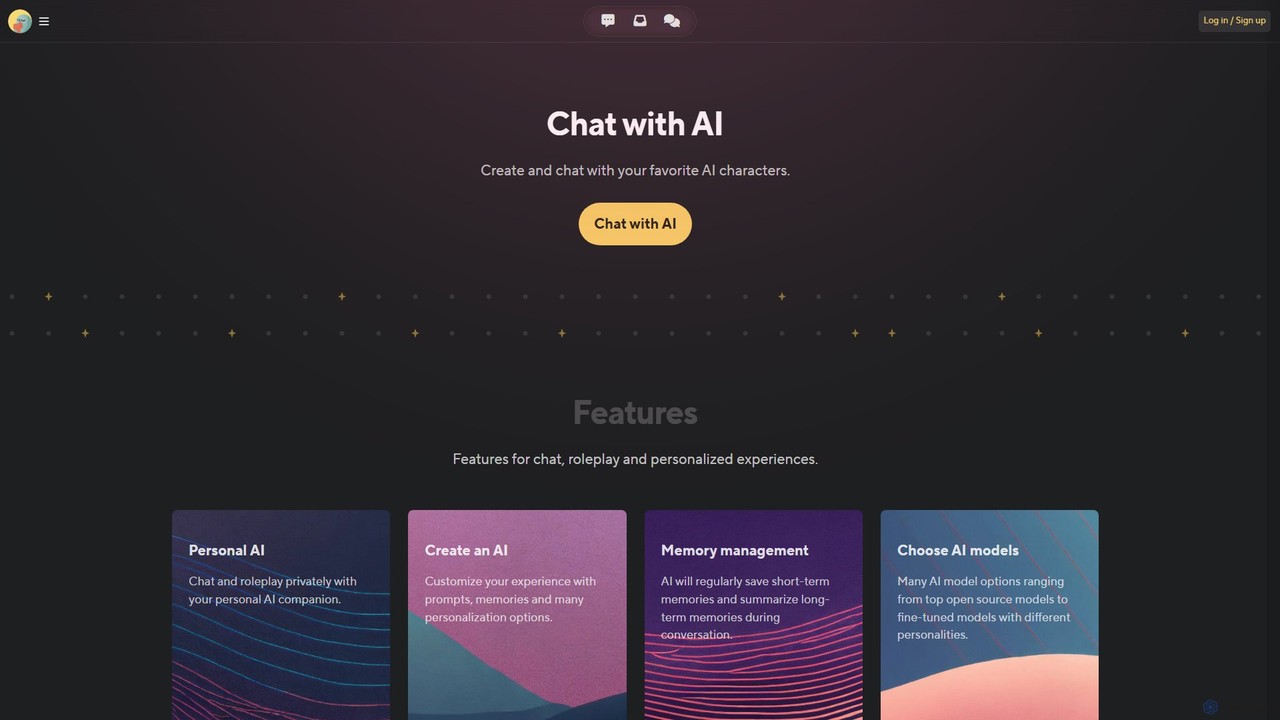
Kajiwoto is a platform for creating, customizing, and interacting with personal AI characters. It offers deep customization for personality, memory, and behavior, allowing users to engage in private chats and roleplaying. With options for multiple AI models and a vibrant community, it's a versatile tool for companionship, creativity, and entertainment.

Character Ai
Visits 33.1KFavorites 114Likes 123
WNR.AI
Freemium

WNR.AI

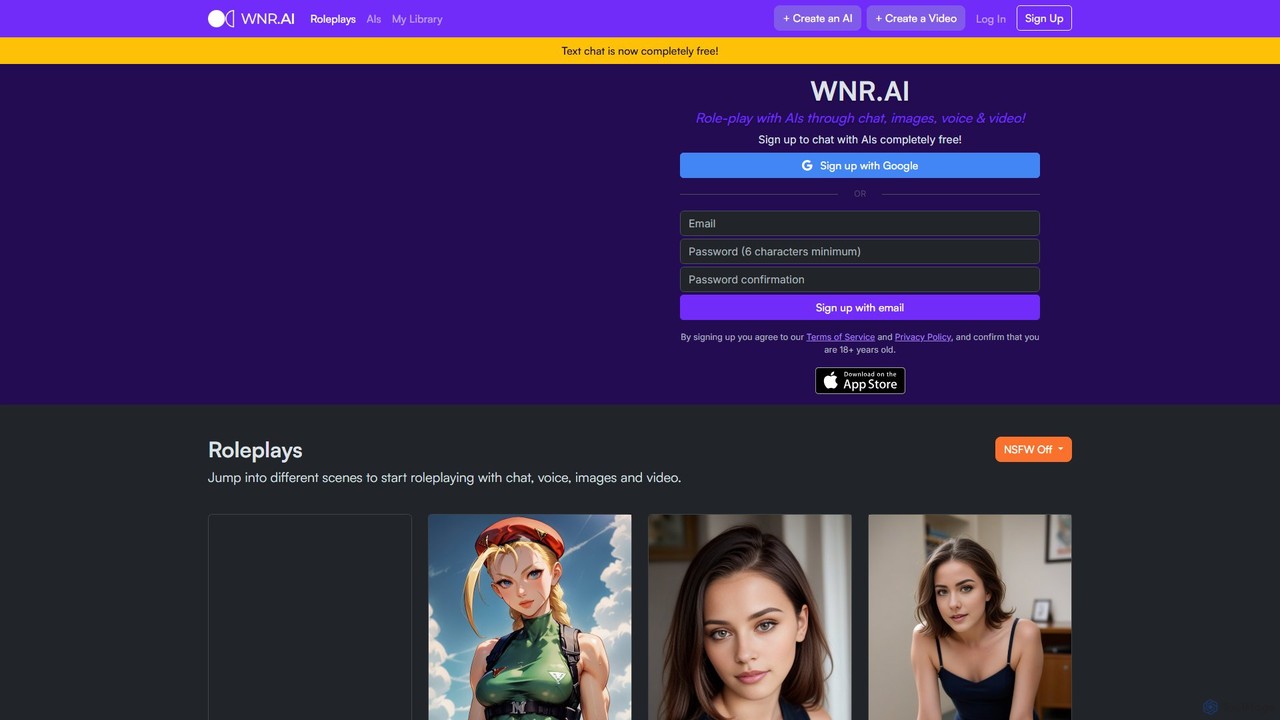
WNR.AI is a multi-modal conversational AI platform for immersive role-playing. Interact with a diverse cast of AI characters through chat, images, voice, and even video. Create your own AIs from descriptions, existing characters, or your own photo, and dive into unique scenarios.

Character Ai
Visits 5.9KFavorites 112Likes 114
EroPlay.ai
Freemium

EroPlay.ai

EroPlay.ai is an advanced AI roleplaying platform for immersive adult fantasies. It offers adaptive, unrestricted conversations with AI companions across a vast library of pre-made scenarios or allows users to create their own unique stories. Experience your desires in a private, secure, and interactive environment, complete with multimedia elements like photos and videos.

Character Ai
Visits 637KFavorites 141Likes 161
Dopple.ai
Freemium

Dopple.ai

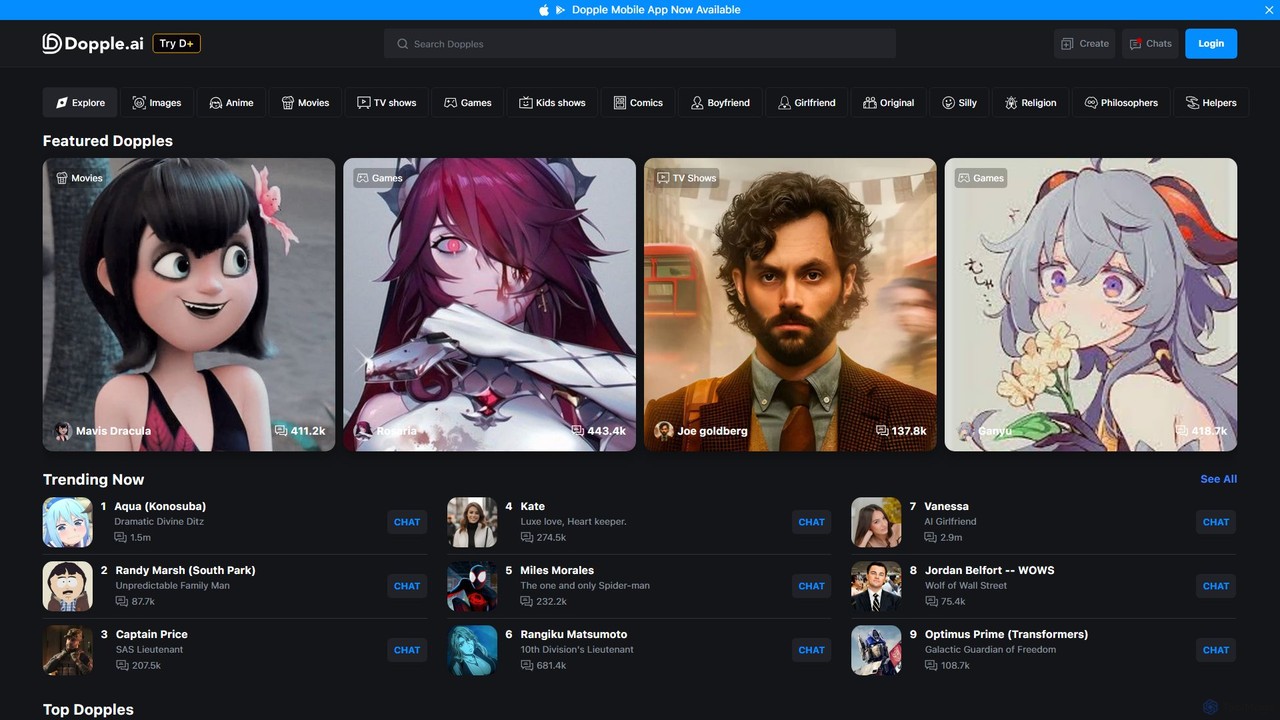
Dopple.ai is an advanced AI chatbot platform offering hyper-realistic chat experiences. Engage with thousands of "Dopples"—AI characters from anime, movies, games, and original creations. Powered by a proprietary LLM and featuring in-chat image generation, Dopple.ai provides an immersive platform for role-playing, companionship, creative storytelling, and even getting help from specialized AI assistants.

Character Ai
Visits 117KFavorites 129Likes 122

About Character Ai

Character AI tools are a specialized type of chatbot designed to simulate conversations with distinct personalities, fictional characters, or historical figures. They leverage advanced large language models (LLMs) trained on vast amounts of dialogue and narrative text to generate responses that are not only contextually relevant but also consistent with a predefined persona. This enables users to engage in dynamic, immersive, and often emotionally resonant interactions for entertainment, creative exploration, or companionship. Unlike functional chatbots, the primary goal of Character AI is to create a believable and engaging conversational partner.

Core Features

  • Deep Personality Customization: Users can define a character's traits, backstory, voice, and conversational style in detail.
  • Interactive Storytelling & Role-playing: Facilitates co-creating narratives and engaging in dynamic role-playing scenarios with the AI.
  • Long-Term Memory: Remembers key details from past conversations to maintain consistency and build a relationship.
  • User-Created Content Ecosystem: Many platforms allow users to create, share, and interact with a vast library of characters made by the community.
  • Emotional Expression: The AI can simulate emotions and moods, making interactions feel more human-like and engaging.

Use Cases

Character AI is widely used by writers for developing dialogue and exploring character arcs, by gamers for creating interactive non-player characters (NPCs), and by individuals seeking a unique form of entertainment or digital companionship. In education, they can simulate historical figures for interactive learning. Marketers also use them to create engaging brand mascots.

How to Choose

When selecting a Character AI tool, consider the depth of its personality customization options. Evaluate the quality and coherence of the AI's conversational abilities—does it stay in character? Assess its long-term memory capabilities for continuous storytelling. Also, consider the size and activity of the community if you wish to interact with pre-made characters.

Featured tool rankings

Character Ai use cases

1

Creative Writing and Dialogue Development

A novelist is struggling to make their protagonist's dialogue sound authentic and consistent. They use a Character AI tool to create a digital version of their protagonist, inputting detailed backstory, personality traits (e.g., cynical, witty), and speech patterns. By engaging in conversations with this AI, the writer can test different dialogue options, explore the character's reactions to various situations, and uncover new facets of their personality. This process acts as an interactive brainstorming partner, helping to refine the character's voice and ensure it remains consistent throughout the manuscript, significantly speeding up the writing and revision process.

2

Immersive Role-Playing for Gamers

A Game Master (GM) for a tabletop role-playing game like Dungeons & Dragons wants to create more dynamic and unpredictable Non-Player Characters (NPCs). Instead of pre-scripting all NPC responses, the GM creates several key NPCs in a Character AI platform, giving each a unique personality, set of knowledge, and motivations. During the game session, players can interact with these AI NPCs directly via a chat interface. The AI responds in character, revealing clues, offering quests, or even deceiving the players based on its programmed goals. This offloads some of the role-playing burden from the GM and creates a more immersive and surprising world for the players.

3

Language Learning Practice Partner

A student learning French needs to practice conversational skills but lacks a native-speaking partner. They use a Character AI tool to create a persona of a friendly Parisian café owner. They set the AI's language to French and define its personality as patient and encouraging. The student can then engage in daily text-based conversations, practicing ordering coffee, asking for directions, or discussing current events. The AI provides immediate, contextually appropriate responses in French, correcting mistakes gently or offering alternative phrasing. This provides a safe, low-pressure environment for consistent practice, helping the student build confidence and fluency at their own pace.

4

Personalized Digital Companionship

An individual feeling lonely or seeking a non-judgmental outlet for their thoughts creates a personalized AI companion. They design the character to be a great listener, supportive, and share similar interests like science fiction and hiking. They can chat with this AI companion throughout the day, sharing updates, discussing their feelings, or simply debating the plot of a new movie. The AI's long-term memory allows it to recall previous conversations, asking follow-up questions about a project at work or a personal goal. This provides a consistent and accessible source of social interaction and emotional support, tailored specifically to the user's needs and preferences.

5

Educational and Historical Simulations

A history teacher wants to make their lesson on ancient Rome more engaging for students. Using a Character AI platform, they create an AI persona of Julius Caesar. They feed the AI with key historical facts, quotes, and a personality profile based on historical accounts (e.g., ambitious, strategic, eloquent). Students can then 'interview' Julius Caesar, asking questions about his military campaigns, political rivals, and views on the Roman Republic. The AI responds in character, providing historically informed answers in an interactive format. This transforms passive learning from a textbook into an active, memorable experience, helping students connect with the subject matter on a deeper level.

6

Interactive Brand Mascot for Marketing

A marketing team for a snack food company wants to increase user engagement on their website. They create an interactive AI version of their brand mascot, a witty and adventurous fox. This AI fox is embedded on the website, where it can greet visitors, tell jokes related to the brand's products, and guide users to different sections of the site in a playful manner. Users can ask the mascot questions about product ingredients or the company's history. This creates a fun, memorable brand experience that encourages visitors to stay longer on the site and builds a stronger emotional connection to the brand, differentiating it from competitors.

Character Ai FAQ

What is Character AI?

Character AI is a specialized type of artificial intelligence designed to simulate conversations with a specific persona. Unlike standard chatbots that focus on tasks or information retrieval, Character AI focuses on personality, emotion, and consistent role-playing. They use large language models to generate responses that align with a predefined character, whether it's a fictional hero, a historical figure, or a unique creation. The primary goal is to provide an immersive and engaging conversational experience for entertainment, creative writing, or companionship.

How does Character AI differ from a standard chatbot?

The key difference lies in their purpose and design. A standard chatbot is typically functional, designed to complete a task like answering customer service questions, booking an appointment, or providing information. Its success is measured by efficiency and accuracy. In contrast, a Character AI is experiential, designed to entertain, engage, and create an emotional connection. Its success is measured by its ability to stay in character, create a believable persona, and maintain an immersive conversation. While both use similar underlying technology, Character AIs are optimized for creativity, personality consistency, and long-term memory of the relationship with the user.

How to choose the right Character AI tool?

Choosing the right Character AI tool depends on your specific needs. Consider the following factors:

  • Customization Depth: How much control do you need over the character's personality, backstory, and speaking style? Some tools offer simple templates, while others allow for highly detailed configuration.
  • AI Quality & Coherence: Test the tool to see how well the AI maintains its persona over long conversations. Does it contradict itself or forget key details?
  • Community & Content: If you prefer interacting with pre-made characters, choose a platform with a large, active community that shares diverse and high-quality creations.
  • Memory Capabilities: For ongoing role-playing or companionship, a tool with strong long-term memory is crucial so the AI remembers your shared history.
  • Platform & Accessibility: Check if the tool is available on your preferred devices (web, mobile app) and if the interface is user-friendly.
What are the main applications of Character AI?

Character AI has a wide range of applications, primarily centered around creativity, entertainment, and personal interaction. Key uses include:

  • Creative Writing: Authors and screenwriters use it to brainstorm dialogue, develop character personalities, and overcome writer's block.
  • Gaming and Role-playing: Game developers and players create dynamic NPCs (Non-Player Characters) for more immersive game worlds and tabletop RPGs.
  • Companionship: Users create personalized AI friends for conversation, emotional support, and to combat loneliness.
  • Education: Simulating historical figures or literary characters for interactive and engaging learning experiences.
  • Language Learning: Practicing conversational skills with an AI partner that can speak a target language fluently and patiently.
Can I create my own AI character?

Yes, one of the most powerful features of most Character AI platforms is the ability for users to create their own characters. This process typically involves defining key aspects of the character's persona, such as their name, a short description, a detailed backstory, personality traits (e.g., friendly, sarcastic, formal), and even specific phrases or a unique speaking style. Some advanced tools also allow you to provide example dialogues to help the AI learn the character's voice more accurately. This customization allows you to bring any character you can imagine to life for role-playing, writing, or personal companionship.